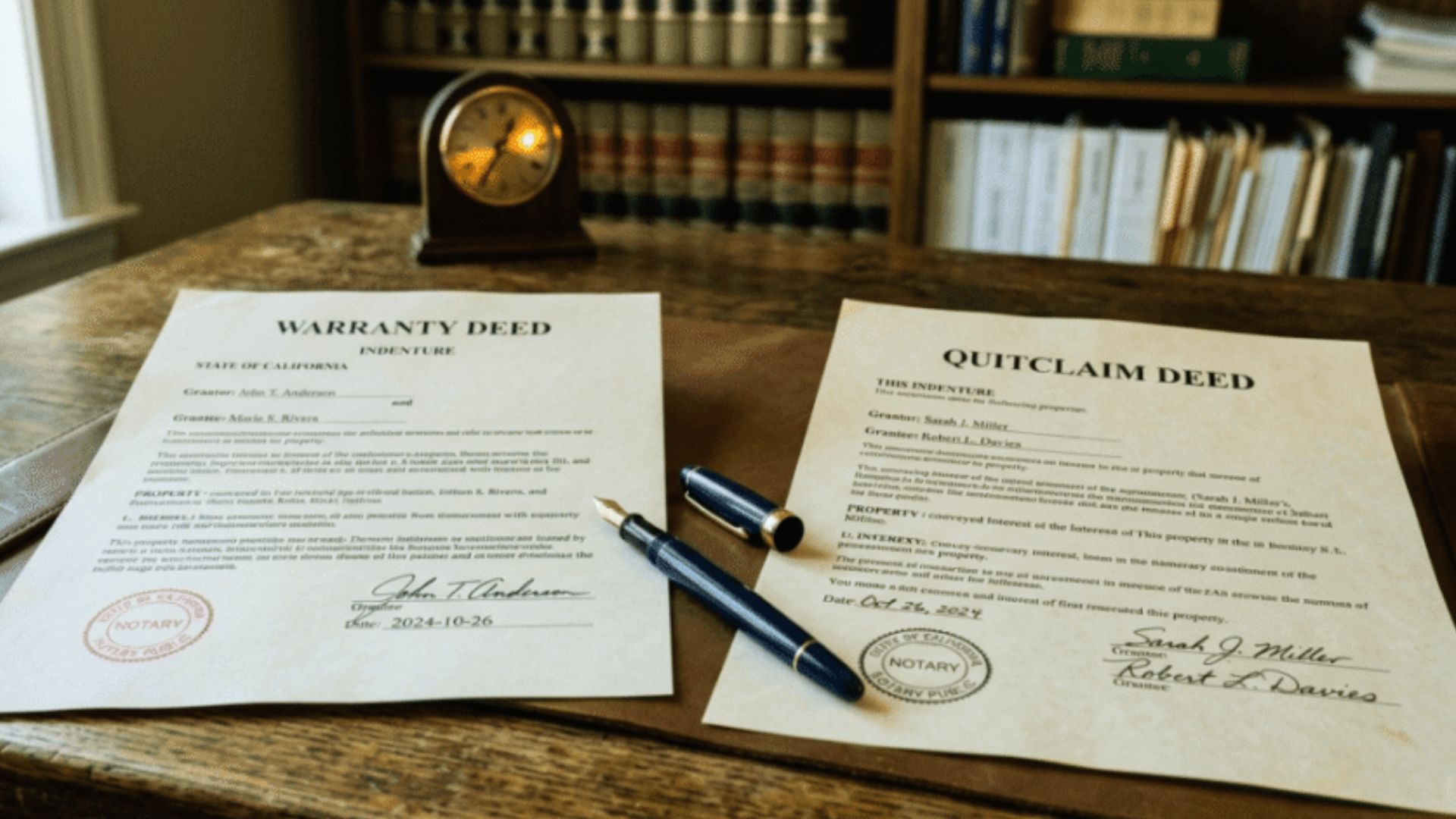
You just sat down to write your estate plan and now you're stuck on one question. Should you set up a living trust or just write a will? I get why this feels confusing.
Both documents protect your family, but they work in different ways.
In this guide, I'll walk you through the living trust vs will decision step by step. You'll learn what each document does, how probate works, and which option fits your situation. I'll also cover costs, common mistakes, and whether you might need both.
You don't need a law degree to understand this.
By the end, you'll know which path makes sense for your family and your assets.
What Is a Will?
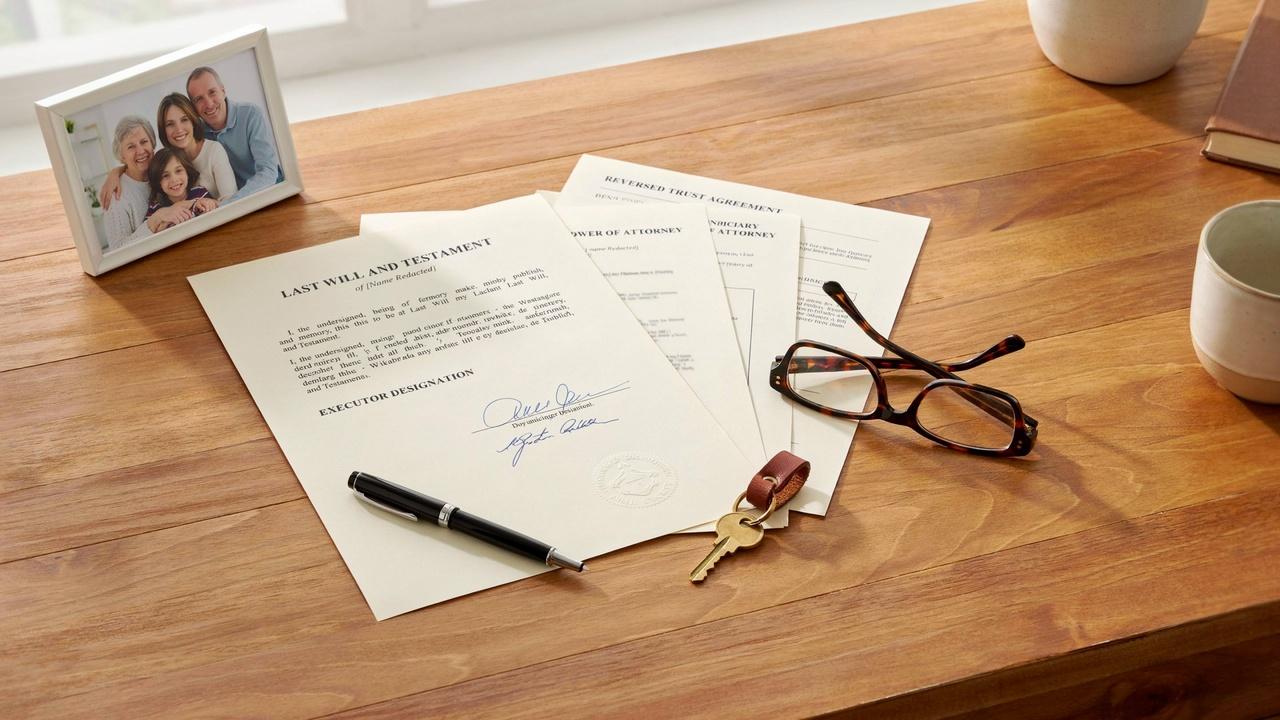
A will is a legal document that lists how your assets get divided after you die. It lets you pick an executor and name guardians for your kids. Think of it as your final instructions: you write down who gets what, and the court makes sure it happens.
A will only takes effect after you pass, and you can update it anytime before then, as long as you're mentally able. Most people use a will since it's simple and affordable, especially if your estate isn't complicated. If you die without one, you're intestate, meaning state law decides who gets your assets.
A will can also include:
- Naming beneficiaries for your property and savings
- Distributing property and financial assets
- Naming an executor to carry out your wishes
- Including final wishes, where your state allows it
After you pass, probate is the court process that makes your will official. The court checks it's valid, your executor pays off debts and taxes, and what's left goes to your beneficiaries. This can take months or longer, and records generally stay open to the public.
What Is a Living Trust?

A living trust is a legal setup where you move your assets into a trust and manage them based on your own instructions, working while you're alive and continuing after you pass.
It gives you more control than a will, since you decide how your assets get managed now and later, and if you become unable to make decisions, your successor trustee steps in without needing court approval.
Setting one up takes more work upfront: you create the trust document, then fund it by moving your assets in, and many people pair it with a simple backup will. A living trust differs from a living will, which only covers medical wishes.
With a revocable living trust, you act as your own trustee and keep full control while alive, and comparing a revocable living trust vs will shows a trust covers lifetime management while a will only covers what happens later. Funding matters most, since assets left out of the trust still go through probate.
Living Trust vs Will: Key Differences
Here's a quick side-by-side comparison of how a living trust and a will differ in estate planning.
| Feature | Will | Living Trust |
| When It Takes Effect | After your death | As soon as it's created and funded |
| Probate | Usually goes through probate | Trust assets generally avoid probate |
| Privacy | Becomes part of the public record | Remains private in most cases |
| Asset Management During Life | Does not manage assets while you're alive | Lets you manage and control trust assets during your lifetime |
| Planning for Incapacity | Does not automatically manage assets if you become incapacitated | A successor trustee can manage trust assets if you become incapacitated |
| Naming Guardians for Minor Children | Yes | No |
| Court Involvement | Probate court oversees estate administration | Minimal court involvement for trust assets |
| Asset Transfer Requirement | No transfer required during your lifetime | Assets must be transferred into the trust to receive its benefits |
| Ongoing Maintenance | Review and update after major life changes | Requires regular reviews and keeping trust assets properly funded |
While both documents help distribute your assets, a will focuses on what happens after death, whereas a living trust also helps manage assets during your lifetime and may simplify estate administration after you pass away. shorter
Pros and Cons of a Will

A will has real strengths, but it also comes with limits.
Advantages of a will
A will gives you a simple, affordable way to put your wishes in writing.
- Easier and cheaper to set up
- Lets you choose guardians for your kids
- Works well for simple estates
- Gives clear, written instructions
- Can include personal instructions where state law permits
Disadvantages of a will
A will comes with real tradeoffs once probate and public records get involved.
- Usually needs to go through probate
- Becomes part of the public record
- Doesn't manage your assets while you're alive
- Offers no incapacity planning
Pros and Cons of a Living Trust

A living trust brings more flexibility, but it asks more of you upfront.
Advantages of a living trust
A living trust gives you more control and privacy than a basic will.
- Helps trust assets skip probate
- Gives you more privacy
- Lets you manage assets during your lifetime
- Helps with planning for incapacity
- Gives you control over how beneficiaries receive assets
Disadvantages of a living trust
A living trust asks for more time, money, and upkeep along the way.
- Costs more upfront
- Requires transferring assets into the trust
- Needs regular updates
- Takes more effort to create
Living Trust vs Will: Which One Is Better for You?

There's no single option that's right for everyone. The best choice depends on your estate, family situation, and what you want your estate plan to accomplish.
While some people only need a will, others may benefit from the added flexibility of a living trust.
A will is often enough if you have a straightforward estate, want to name guardians for minor children, and prefer a simpler, lower-cost estate plan. A living trust may be a better fit if you want to avoid probate for trust assets, keep your estate private, or plan for possible incapacity.
Use this quick comparison to see which option generally aligns with your estate planning goals.
| If You Want To… | Choose |
| Name guardians for children | Will |
| Avoid probate | Living Trust |
| Keep your estate private | Living Trust |
| Save on upfront costs | Will |
| Plan for incapacity | Living Trust |
This comparison provides general guidance, but your final choice should reflect your assets, family needs, and state laws. If you're unsure, consult an estate planning attorney to determine the best approach for your situation.
Can You Have Both a Will and Living Trust?

Yes, you can have both, and many people do. A will and a trust actually work well together.
Most estate plans include a trust along with what's called a pour-over will. This backup will catch any assets you forgot to move into your trust.
When you pass away, those leftover assets pour into the trust through probate. It's a safety net for mistakes.
Your will can also name guardians for your kids, something a trust can't do on its own. Using both documents together gives you more complete coverage. It closes gaps that either document would leave open by itself.
Living Trust vs Will: Cost Comparison
Cost is often one of the biggest factors when deciding between a will and a living trust. While a will is generally less expensive to create, a living trust may reduce future probate costs and simplify estate administration.
| Cost Factor | Will | Living Trust |
| Creation Cost | Usually lower | Usually higher |
| Maintenance | Minimal updates | Requires periodic updates |
| Asset Transfer | Not required | Assets must be transferred into the trust |
| Probate Costs | Usually subject to probate, which may increase costs | Trust assets typically avoid probate |
| Long-Term Expenses | Lower upfront but may involve probate-related expenses | Higher upfront but may save time and probate costs later |
A will is often more affordable to set up, while a living trust may cost more initially but can save your family time, court involvement, and potential probate expenses in the future.
How to Create a Will or Living Trust

Getting started is simpler than most people expect.
Creating a Will
Start by listing out your assets and who should get them. Then choose your executor, the person who will carry out your wishes.
If you have kids, name guardians for them in the document. Once everything is laid out, prepare and sign the will according to your state's rules, which usually means signing in front of witnesses.
Last, store it somewhere safe, like a fireproof box or with your attorney, and let a trusted person know where to find it.
Creating a Living Trust
Begin by identifying the assets you want to include, like your home, bank accounts, or investments.
Next, choose your trustee, the person or institution that will manage the trust. Then create the trust documents, usually with help from an attorney to make sure everything is legally sound.
After that, transfer your assets into the trust, since an unfunded trust won't do its job. Finally, review the trust regularly, especially after big life changes like marriage or a new child.
Common Mistakes When Choosing Between a Will and Trust
A few small mistakes can undo all your planning work.
- Creating a trust but forgetting to fund it: A trust only works if you actually move your assets into it. Skip this step and your trust sits empty while your assets still go through probate.
- Assuming a trust solves every legal problem: A trust helps with a lot, but it won't cover everything. You still need a will to handle guardianship for kids or leftover assets.
- Forgetting to update your beneficiaries after big life changes: Marriage, divorce, or a new baby can make old beneficiary forms outdated fast. Old names on the paperwork can override what your will or trust says.
- Picking the wrong executor or trustee: This person handles your money and wishes after you're gone. Choose someone organized and trustworthy, not just the closest family member.
- Skipping document reviews after marriage, divorce, or a new baby: Life changes fast, and your documents should keep up. A quick review every few years saves your family a lot of stress later.
Conclusion
Choosing between a living trust vs will comes down to your assets, family needs, and long-term estate planning goals.
A will may be enough for a simple estate, while a living trust can offer added privacy, probate avoidance, and incapacity planning.
Many people benefit from using both documents together for more complete protection.
If you're unsure which option is right for you, speak with an estate planning attorney in your state. Then share this guide with others comparing living trust vs will.
Frequently Asked Questions
How much does it cost to set up a living trust?
Most living trusts cost between $1,000 and $3,000 with an attorney, though DIY options run much cheaper.
Can I write my own will without a lawyer?
Yes, you can write your own will, but a lawyer helps you avoid mistakes that could get it thrown out in court.
What happens to a living trust after the grantor dies?
The successor trustee takes over and distributes the assets to beneficiaries based on the trust's instructions, without going through probate.
Does a Living Trust Replace a Will?
Not always. A living trust manages assets placed into the trust, but many people still use a will to name guardians for minor children and cover assets left outside the trust.