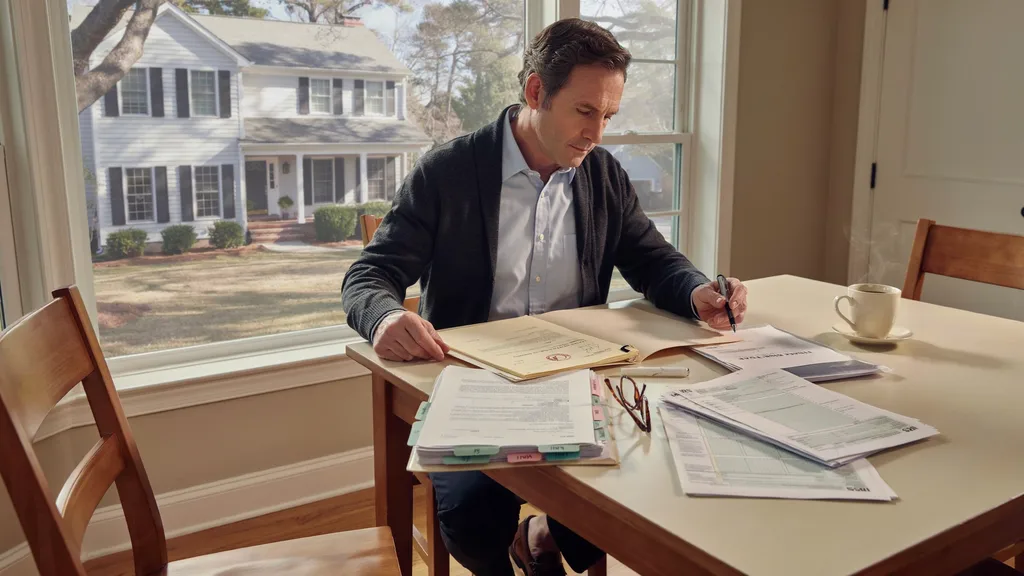
Ever wonder if covering someone’s overdue tax bill quietly makes the house yours? It’s a tempting idea, especially if you’ve floated the cash for a parent, a friend, or even a property you’ve had your eye on for years.
But here’s the thing most people get wrong: paying someone’s property taxes doesn’t mean you now own their property, and the reason why surprises most people.
Ownership runs through a completely different system than the one that collects tax payments, and mixing the two up can cost you real money or false hope.
Stick around, because what actually determines who owns a home is simpler, and stricter, than you’d think.
Does Paying Someone Else’s Property Taxes Give You Ownership?
Short answer: no, not right away, and not automatically.
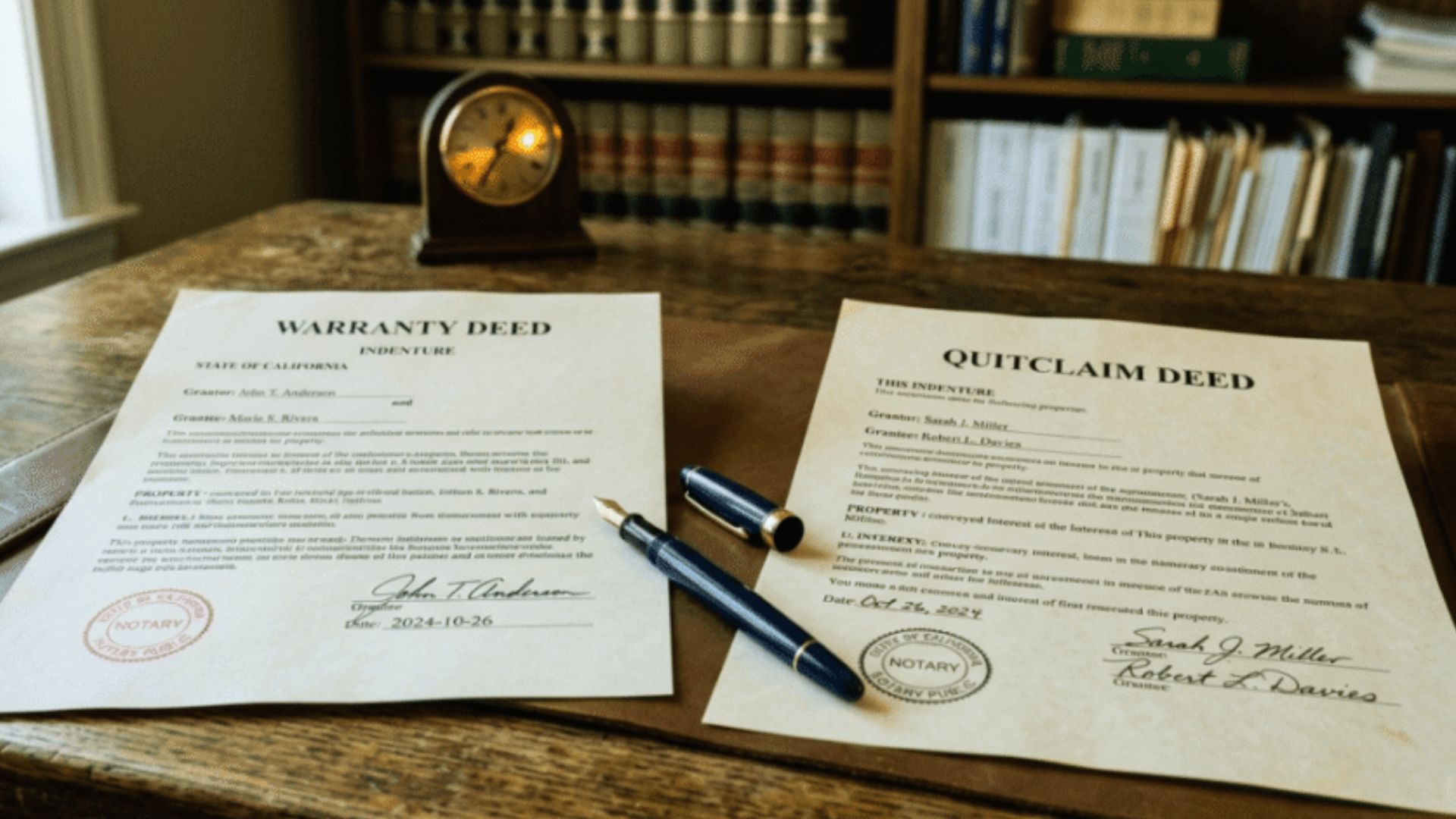
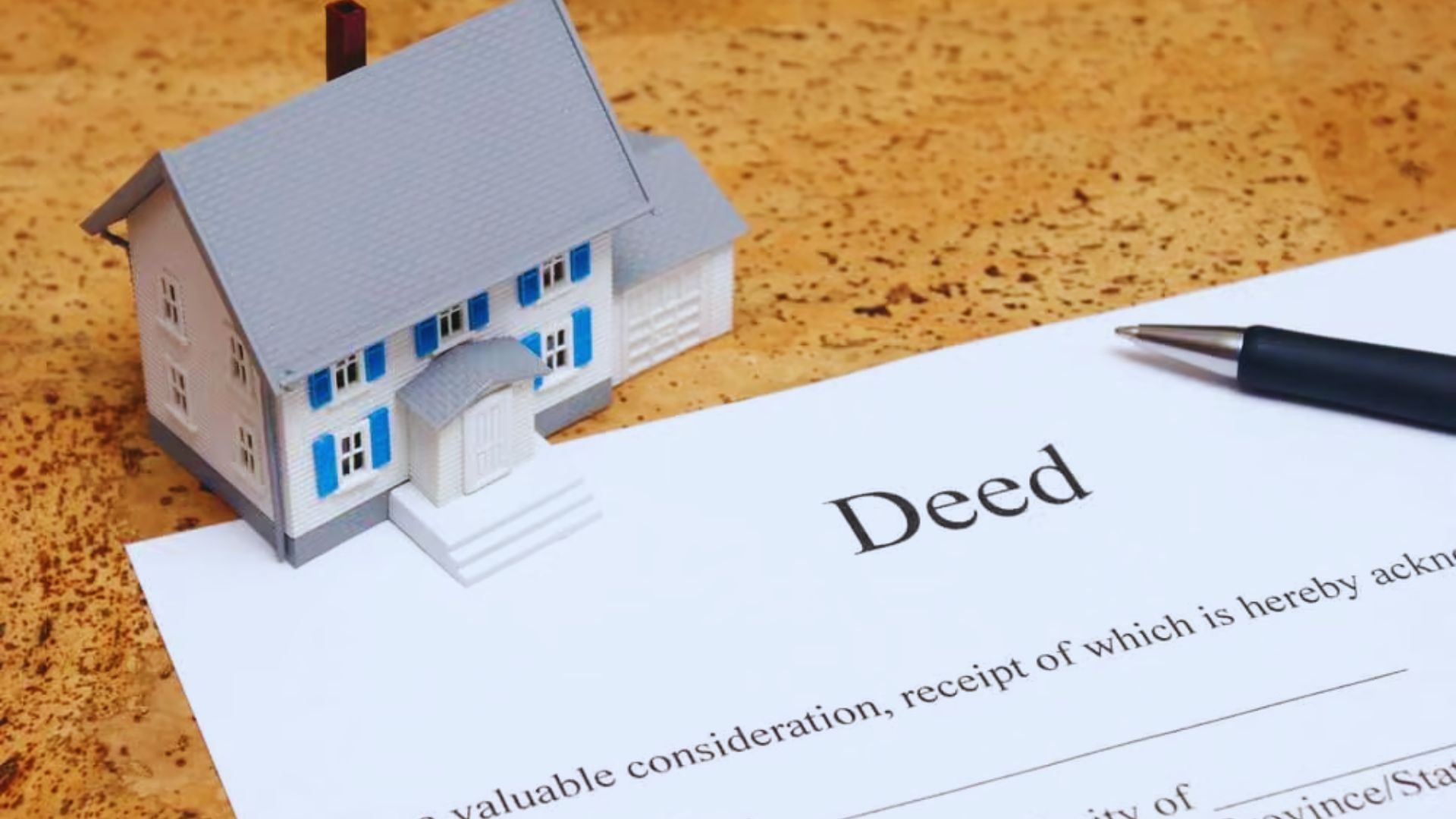
Paying someone’s property taxes does not make you the owner, since ownership is tied to the deed, not the tax bill. Even if you pay every year for a decade, the property stays in the original owner’s name unless a legal process transfers the title to you.
This is because property tax payments are treated as a financial transaction, not a legal claim. The county collects taxes to fund public services, and it doesn’t care who pays, as long as someone does.
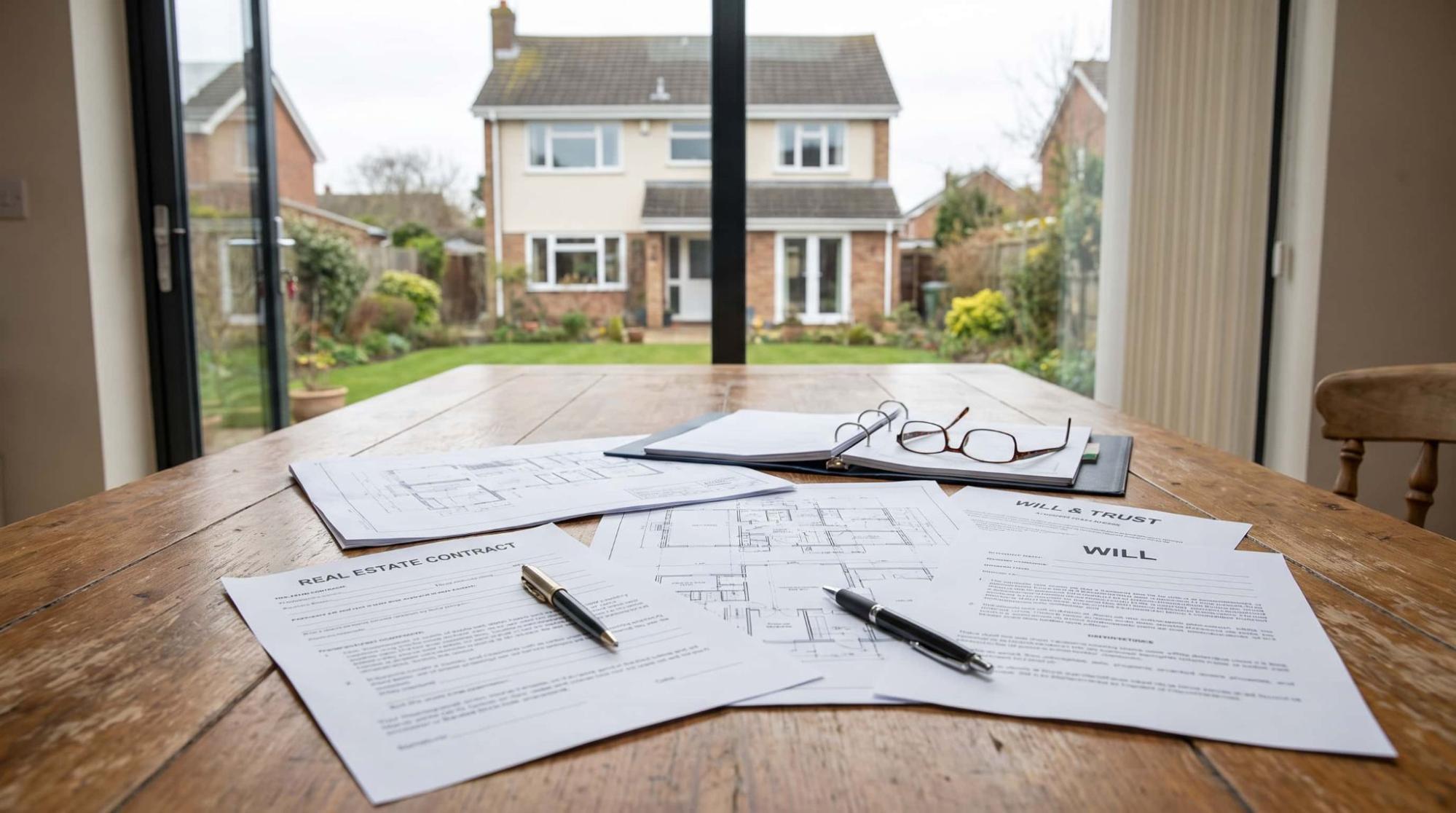
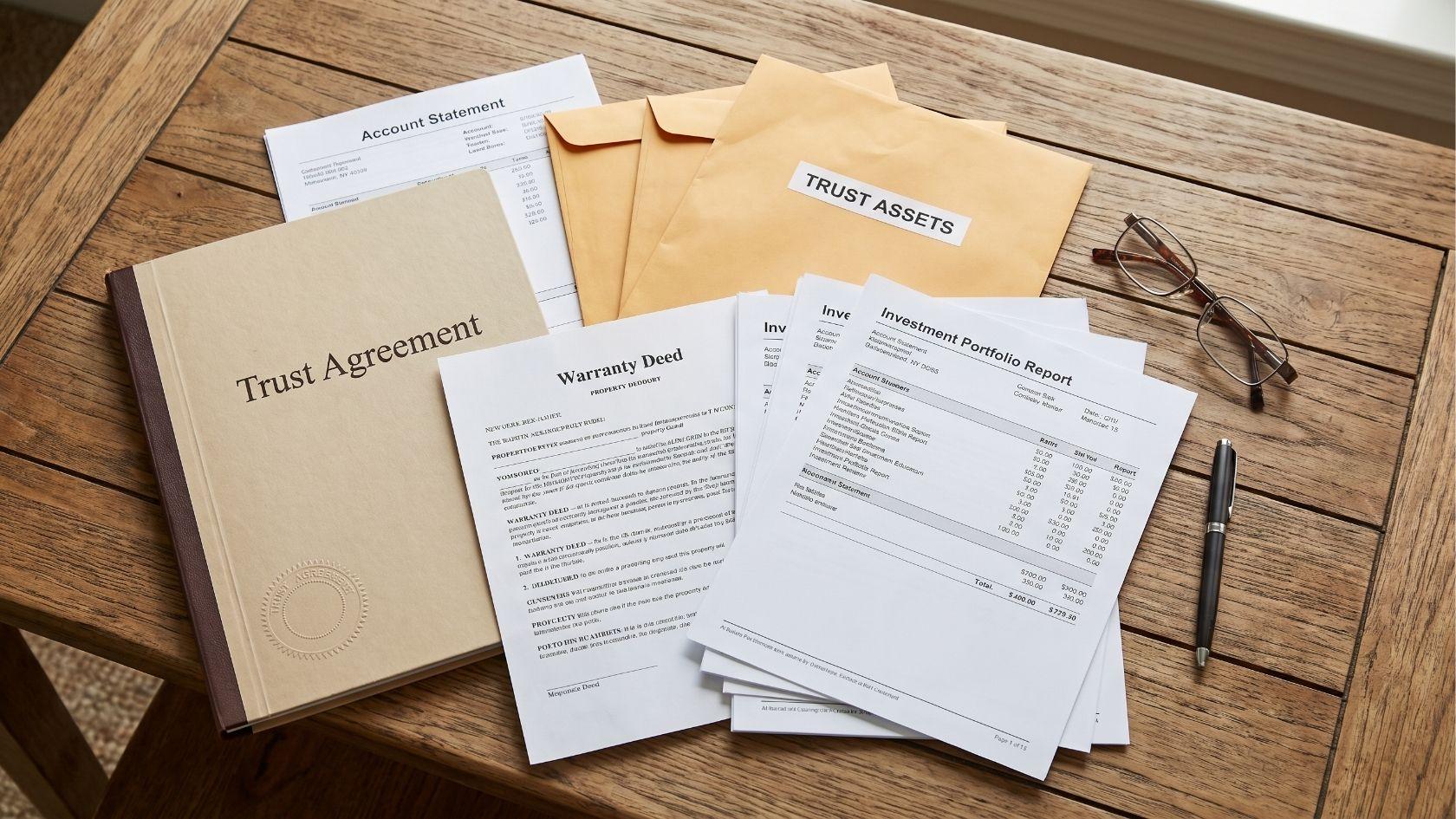
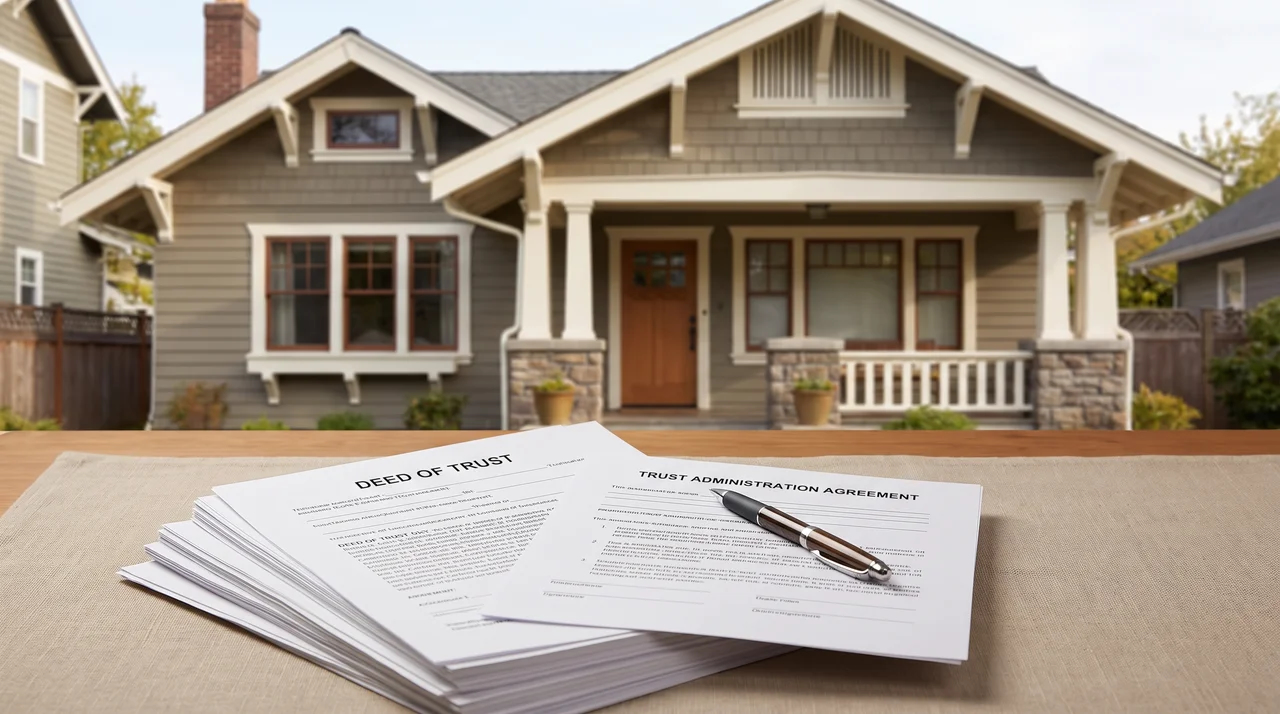
Ownership changes only through a deed transfer, court order, or a legal process like a tax deed sale, and the property’s title stays with whoever holds the recorded deed, tracked through the chain of title at the county recorder’s office.
When Can Paying Property Taxes Lead to Property Rights?
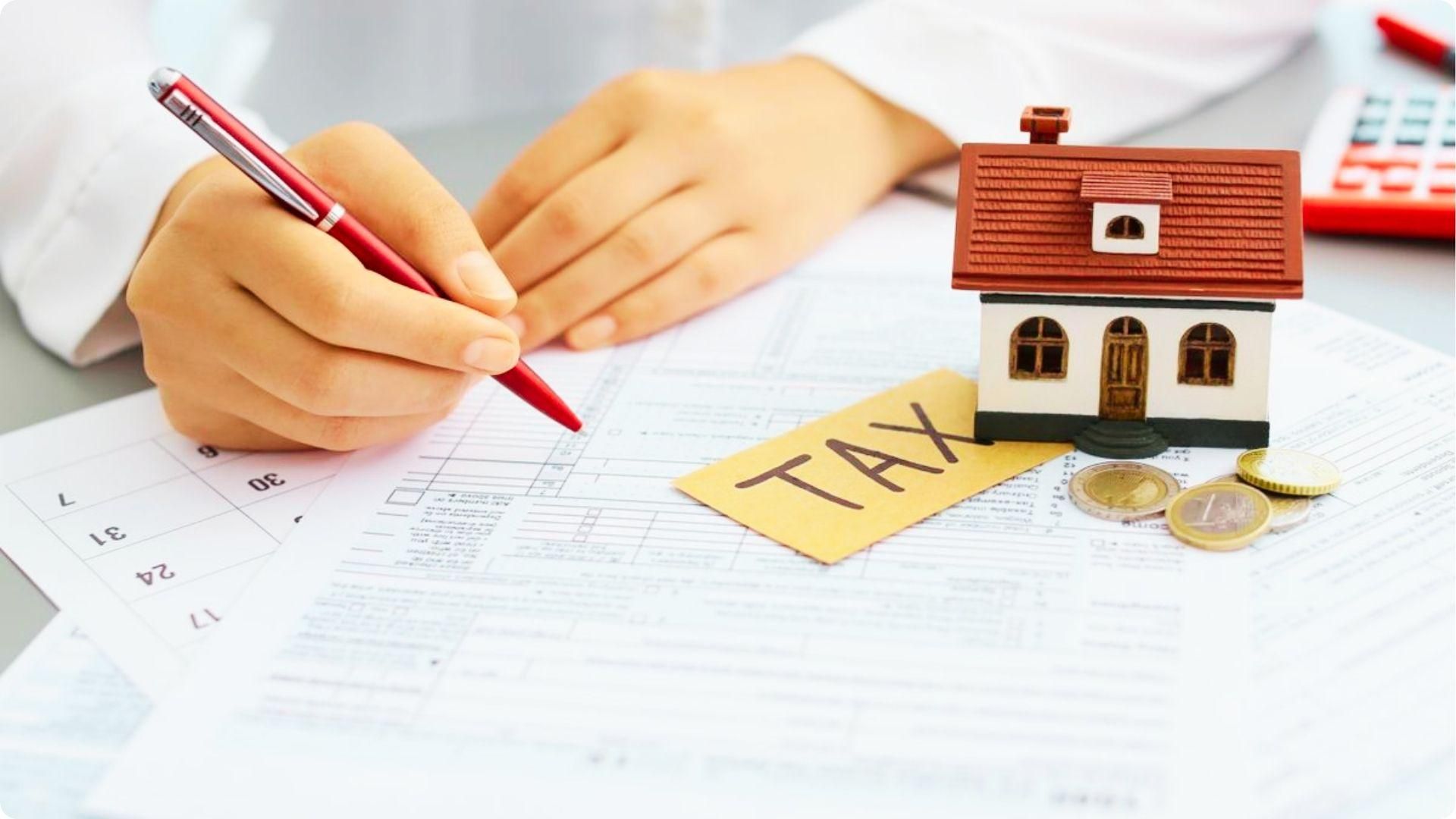
There are two legal paths where tax payments can eventually connect to ownership, but both take time and specific conditions.
Tax Lien Certificates and Tax Deed Sales
When a property owner doesn’t pay taxes, the county may sell a tax lien certificate to investors. The investor pays the back taxes and earns interest if the owner repays them.
If the owner never pays, some states allow the lien holder to eventually apply for a tax deed, which can lead to ownership through a public auction or court process.
This formal auction process is very different from an informal payment between individuals which is closer to what happens if someone else pays my property taxes than to a lien purchase.
Adverse Possession and Why Tax Payments May Matter
Adverse possession lets someone claim ownership of land after occupying it continuously, openly, and exclusively for a set number of years, which varies by state under each state’s statute of limitations.
This kind of possession is often called hostile possession, meaning it goes against the legal owner’s interest.
Some states make paying the property taxes a formal requirement of an adverse possession claim, while others treat it only as supporting evidence. Your state’s statute decides which rule applies..
But occupying land and paying taxes without meeting all legal requirements will not result in ownership.
Tax Lien vs. Property Ownership: Key Differences
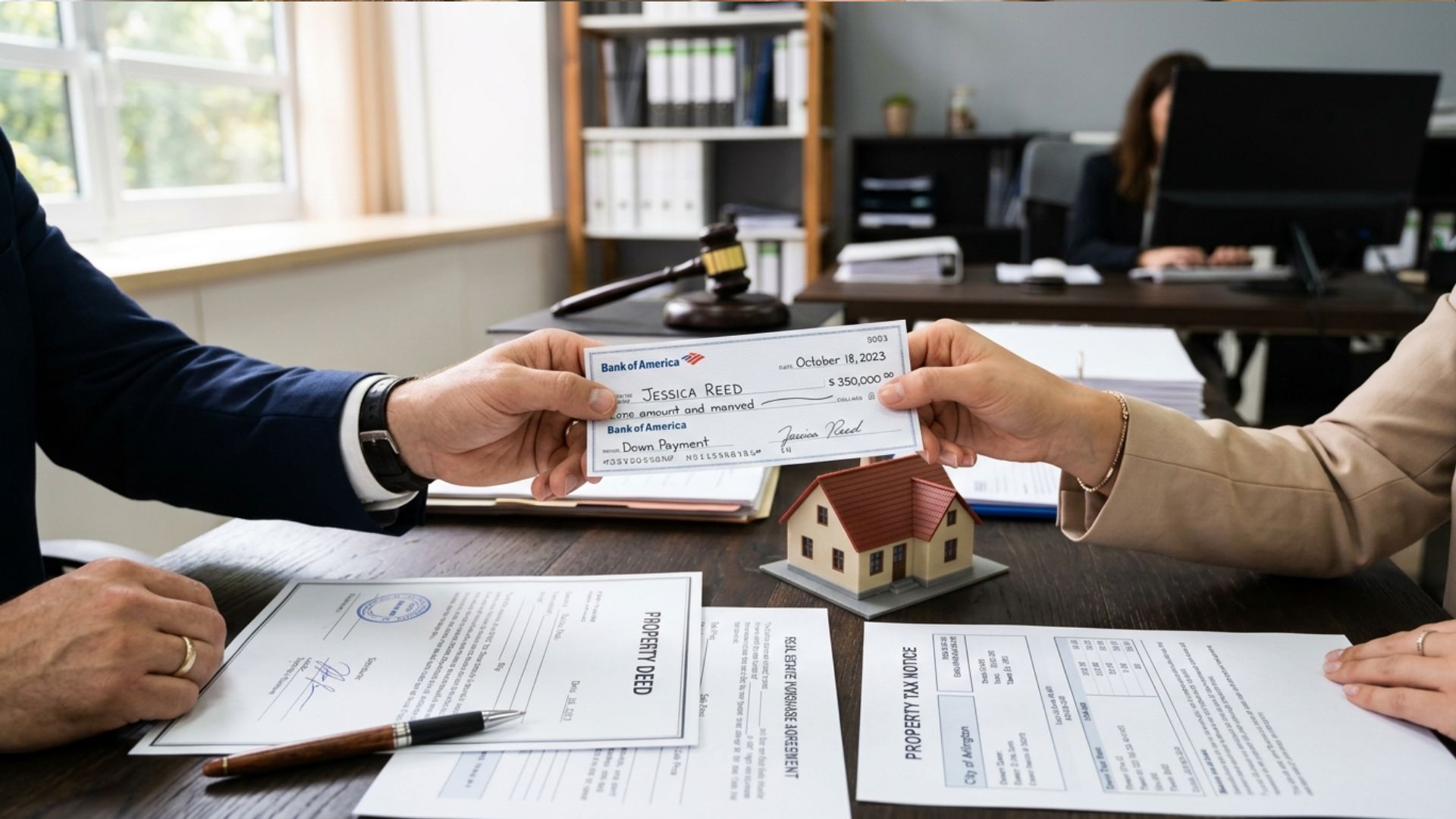
These two things sound similar but work very differently under the law.
| Feature | Tax Lien Holder | Property Owner |
| Nature of Claim | Financial claim only | Full legal and physical ownership |
| Right to Collect Debt | Yes can collect the debt plus interest | Not applicable |
| Right to Occupy or Move In | No | Yes |
| Right to Rent Out the Property | No | Yes |
| Right to Make Changes/Improvements | No | Yes |
| Legal Status | Essentially a creditor | Titleholder of record |
| How Ownership Changes to Them | Only through a completed tax deed sale after the redemption period ends | Established via a signed and recorded deed, a court-awarded adverse possession claim, or a completed tax deed sale |
| Role of Adverse Possession | Not directly relevant unless they pursue ownership separately | May gain ownership if court awards title, often requiring a quiet title action to make it official |
| Rights Until Legal Transfer Occurs | Limited to financial recovery | Original owner retains full rights until a legal transfer is finalized |
What Happens If You Pay Someone Else’s Property Taxes?
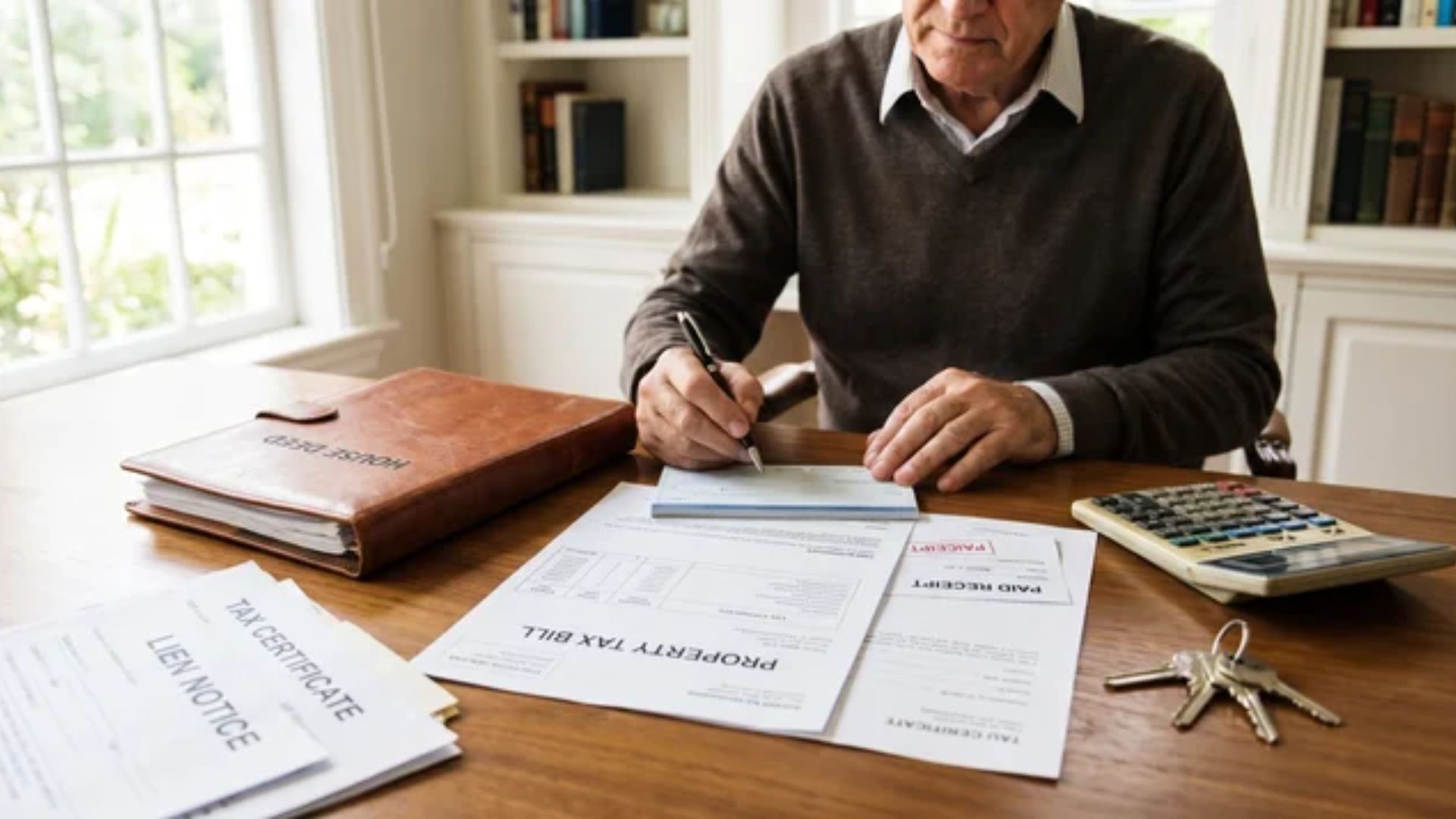
This is where many people get confused, so let’s clear it up with real examples.
Common scenarios play out in different ways. Say a family member pays their parent’s property taxes to avoid foreclosure. This does not make them a co-owner. If they do want ownership, a formal title transfer to a family member is the proper route. Or an investor buys a tax lien certificate hoping to profit from interest.
They may wait years before any ownership opportunity even becomes possible, and in many cases, the original owner simply repays the debt.
As for reimbursement, it depends on the situation. If you paid taxes as part of a legal agreement, a lien certificate, or a formal arrangement with the owner, you may be entitled to repayment with interest.
Keep your tax receipt as proof of payment, since it may support a reimbursement claim or a future adverse possession case. Without documentation or a legal basis, getting your money back can be difficult.
What Should You Do Before Paying Someone Else’s Property Taxes?

A little homework now can save you serious trouble later.
Before paying someone else’s property taxes, ask a few key questions first. Find out why the taxes are unpaid, whether there’s already a lien on the property, and what your state’s redemption period looks like.
Also check if the owner is willing to put any agreement in writing. If your goal is eventually owning the property, talk to a real estate attorney before making a payment.
Your local tax authority or county assessor’s office can also confirm lien status, deadlines, and redemption rules specific to your county.
Common Mistakes to Avoid
These missteps are easy to make but can cost you both time and money.
- Assuming a few years of tax payments equals legal ownership without any deed or court process backing it up.
- Skipping legal advice before paying someone else’s taxes, which often leads to lost money and no property rights.
- Relying on verbal promises from the property owner instead of getting agreements in writing and notarized.
- Ignoring state-specific rules on adverse possession and tax deed sales, which vary more than most people expect.
Helpful Tips to Keep in Mind
A little diligence upfront can save you from costly surprises down the road.
- Always check the property’s tax and lien history through your county assessor’s office before paying anything.
- Keep detailed records and receipts of every payment you make, since these may support future legal claims.
- Consult a real estate attorney early, especially if your goal is eventual ownership through adverse possession.
- Understand your state’s redemption period, since owners often have a set window to repay taxes and reclaim rights.
Final Takeaway
Paying someone’s property taxes doesn’t hand you the deed. That’s the whole point of this post.
If you pay someone’s property taxes and think that makes you the owner, you’re working off a myth that can cost you big.
Real ownership lives on paper, not in your payment history. So before you send a dollar toward someone else’s tax bill, get it in writing and check your state’s rules.
Still have questions? Drop a comment below or check out our other real estate guides.
Frequently Asked Questions
Can a family member claim property just by paying the taxes?
No. A family member paying taxes, even for many years, does not create any ownership rights on its own. Property ownership only changes through a formal deed transfer, court-awarded claim, or a legally executed agreement payment history alone has no legal weight.
How long does adverse possession usually take?
Each state sets its own required period, and some states shorten it when the person in possession also holds a deed or pays the property taxes. Always confirm your state’s exact requirements before relying on any general timeframe.
What is a redemption period in tax lien sales?
It’s the window during which the original owner can repay back taxes plus interest to cancel the lien. The length varies by state, so check your local tax authority for the exact timeframe.
Do all states allow tax deed sales?
The process isn’t the same everywhere. Depending on where the property sits, unpaid taxes can lead to the sale of a tax lien certificate to an investor, a tax deed sale of the property itself, or a process that combines the two. Because the steps and timelines depend on your state and county, check your local rules before assuming how a tax sale would work.
Is paying property taxes tax deductible if it’s not your property?
Generally, no. The IRS typically requires you to be the legal owner of the property to claim a property tax deduction on your return.