
Your neighbor just blocked the shared driveway. Or maybe you found out the property you’re buying has an easement attached to it, and nobody explained what that actually means for you day-to-day.
Driveway easement rights sit at the center of some of the most common, and most frustrating, neighbor disputes out there.
I put this guide together to walk you through exactly how these rights work, who is responsible for maintenance, what typically triggers disputes, and when it makes sense to call a lawyer.
By the end of this, you’ll know where you stand and what your options actually are.
What Are Driveway Easement Rights?
A driveway easement right is a legal permission that allows one person to use part of another person’s property for a specific purpose, usually to access a residence, garage, or public road.
The person using the easement receives access rights, but they do not become the owner of the driveway area.
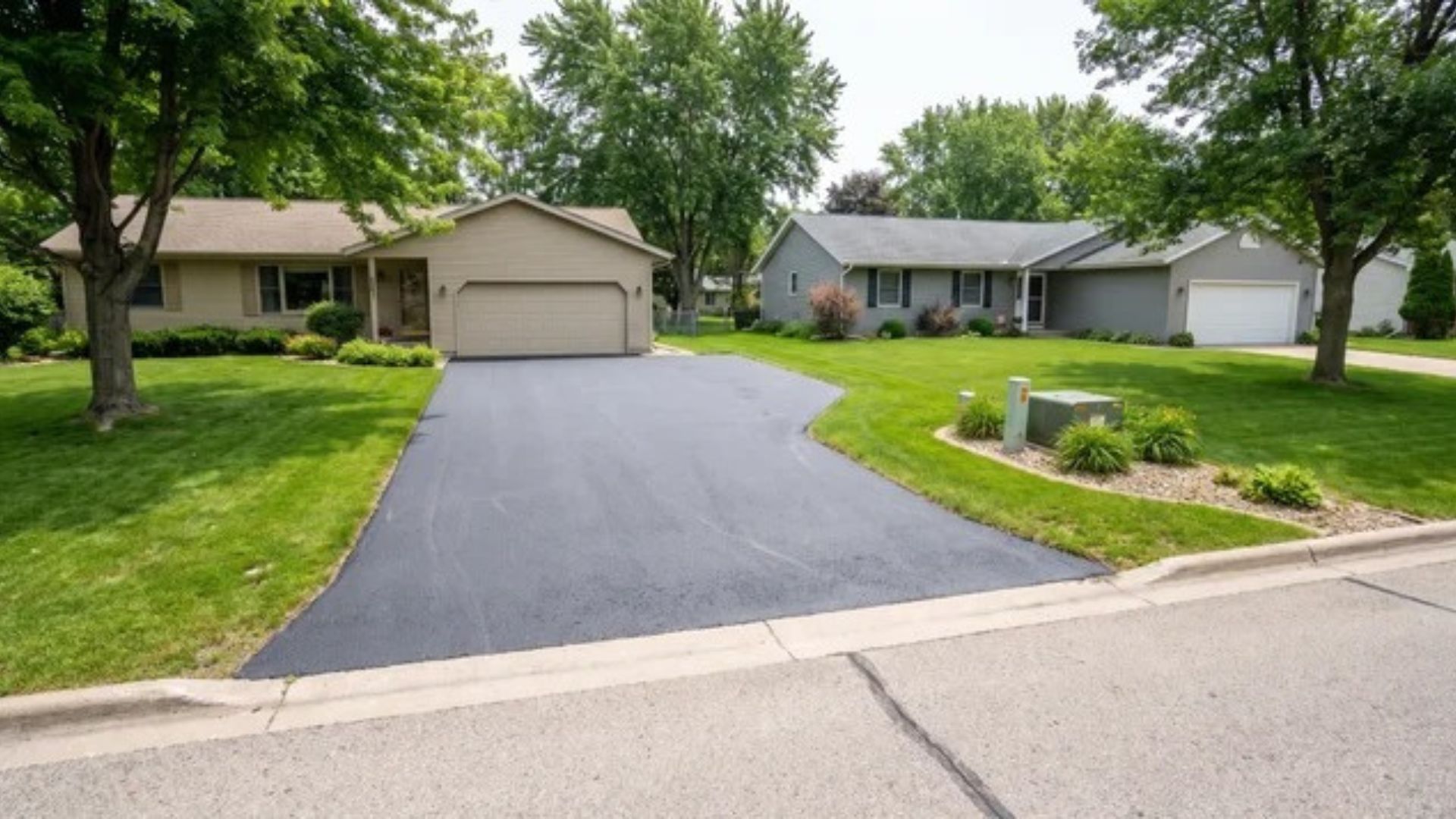
For example, if your neighbor’s home can only be reached by crossing your driveway, a recorded easement may allow them to use that portion of your property for access. You still own the land, but you generally cannot interfere with the permitted use described in the easement.
The property owner whose land contains the driveway is commonly called the servient estate owner, while the property benefiting from the access right is known as the dominant estate owner.
You may also see the term right-of-way used because it describes the legal ability to cross another person’s land for a specific purpose.
Types of Driveway Easements You Need to Know
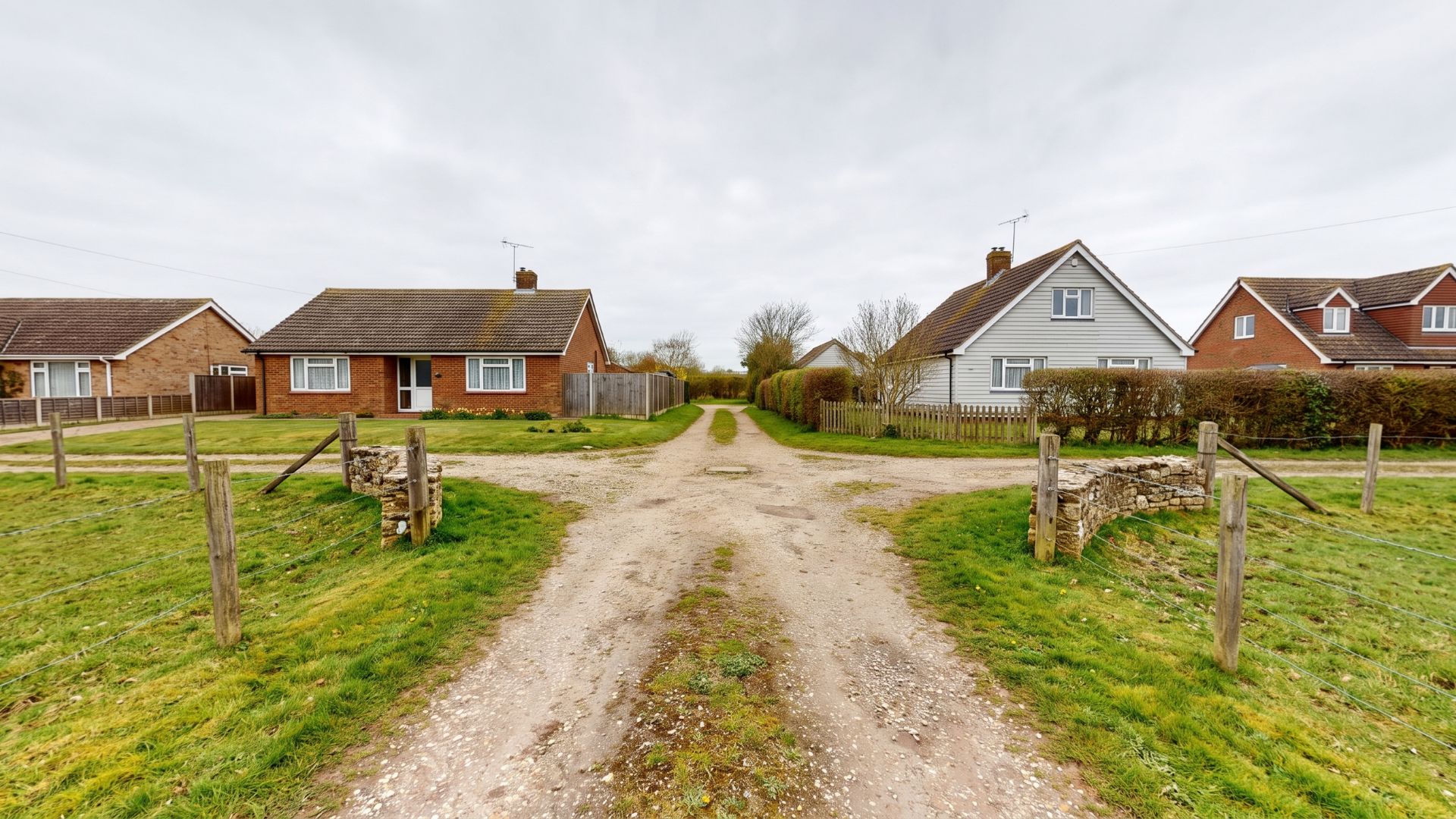
Not every driveway easement comes about the same way. The type of easement you are dealing with changes what rights you have, how strong those rights are, and what it takes to end them.
1. Express Easements
This is the most straightforward type. An express easement is a written, recorded agreement where one property owner formally grants another the right to use their driveway.
It gets filed with the county land records office, so it is legally binding on everyone, including future owners.
Because it is in writing, the terms are clear: who can use it, for what purpose, and sometimes for how long. If you have one of these, your starting point is always the document itself.
2. Implied Easements
Implied easements are not written down, which is exactly what makes them tricky. They arise from circumstances rather than a formal agreement.
For example, if two lots were once part of the same property and one was sold off without direct road access, a court may recognize that driveway use was always implied by the situation.
The previous pattern of use matters a lot here. These easements can be harder to prove but are still legally enforceable once a court recognizes them.
3. Easement by Necessity
This one applies specifically to landlocked properties. If your land has no access to a public road without crossing someone else’s property, the law generally will not leave you stranded.
Under the doctrine of easement by necessity, a court can grant you the right to cross adjoining land so you can actually reach your property.
You cannot claim this type just because the alternative route is longer or less practical. There has to be a genuine lack of any other legal access to the land.
4. Prescriptive Easements
This is the type that surprises people the most. A prescriptive easement is created not by agreement but by behavior.
If someone uses another person’s driveway openly, continuously, and without permission for a set number of years, they may earn a legal right to keep using it.
The required time period varies by state. California requires five years, New York requires ten, and Florida requires twenty. Property owners who want to prevent this need to act early, either by formally permitting the use in writing or by clearly objecting to it.
How to Create a Driveway Easement
If you want a clear, enforceable right instead of an informal handshake, the express route is the safest one.
- Agree on the terms with the other owner. Cover who can use the driveway, for what purpose, how long the easement lasts, and who pays for upkeep.
- Have a real estate attorney draft the easement. A vague description of the driveway’s location is one of the most common reasons these documents fail later.
- Sign it in front of a notary.
- Record it with the county recorder’s office so it shows up in the title history and binds future owners.
If the owner will not agree, a court may still grant an easement in limited cases, such as easement by necessity for a landlocked lot.
Who Owns What and Who Controls the Driveway?
Ownership and control are two different things when a driveway easement is involved, and confusing the two is where most disputes begin.
The landowner, called the servient estate, still owns the driveway. They pay property taxes on it, maintain legal title, and can make decisions about the land.
But those decisions have a hard limit: nothing they do can interfere with the easement holder’s legal right to access and use the driveway.
The easement holder, called the dominant estate, has a protected right to use it, but not to own it. In practice, you can resurface the driveway, plant along its edges, or sell your property. You cannot build a fence across it. The easement holder can drive and park briefly to load or unload, but cannot widen the driveway or store equipment on it.
Easement Appurtenant vs. Easement in Gross
Most driveway easements are appurtenant. That means the right is tied to a specific piece of land, not to a specific person. If your neighbor’s lot depends on crossing your driveway, the easement belongs to their lot. When they sell, the buyer gets the right automatically. This is what people mean when they say an easement “runs with the land.”
An easement in gross is different. It belongs to a person or company, not to a neighboring lot. A utility company’s right to run a line along your driveway is a common example. These easements usually do not pass to a new owner the way an appurtenant easement does, unless the document says they can.
Check which type you have. It decides who inherits the right and whether the easement survives a sale.
Who Is Responsible for Driveway Easement Maintenance?
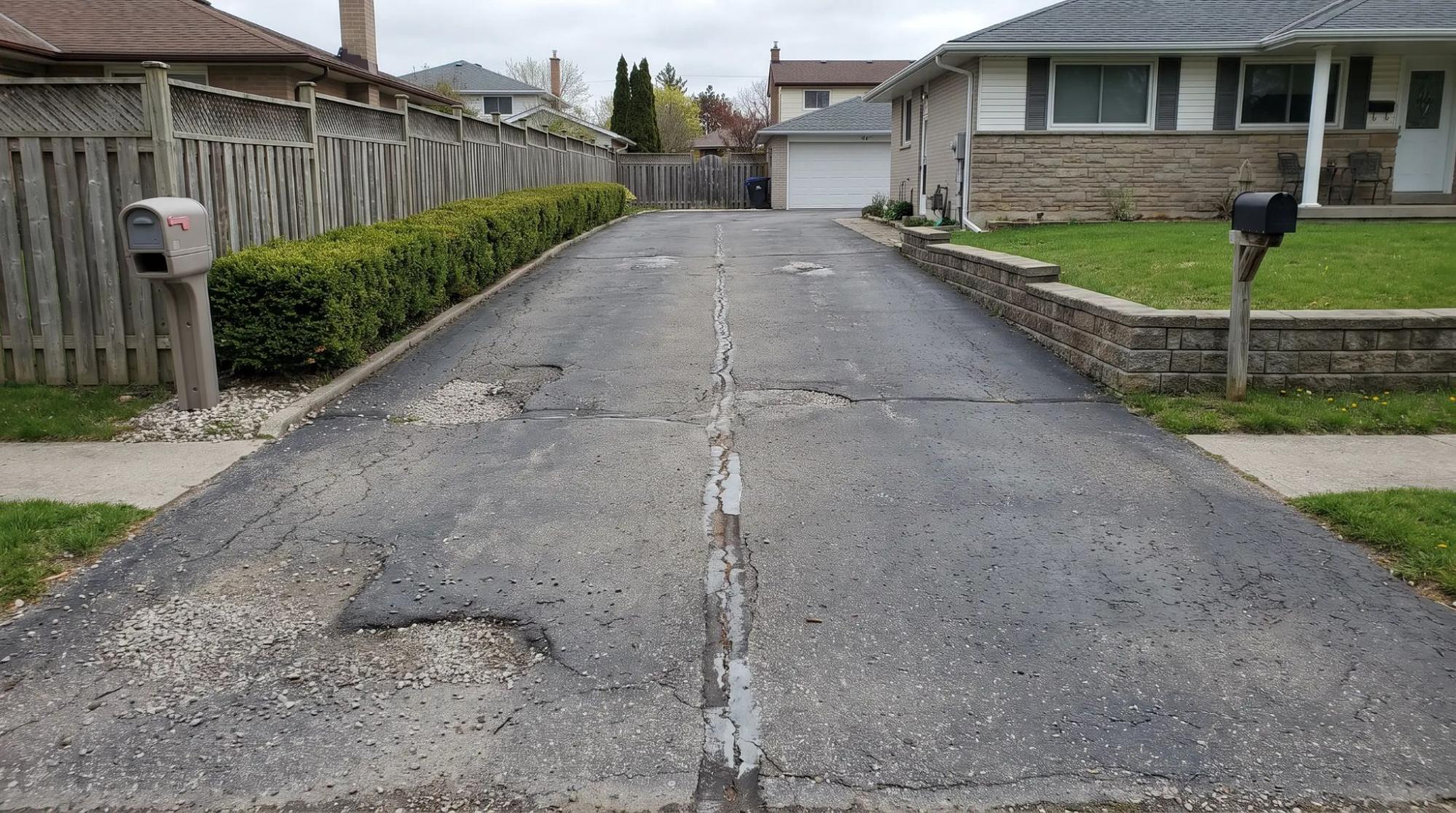
Once you know who owns the driveway and who uses it, the harder question is who pays to keep it in shape.
A friendly setup between neighbors can fall apart fast when the driveway needs repaving and nobody agrees in advance on who picks up the bill.
When There Is a Written Agreement
A well-drafted easement agreement takes the guesswork out of maintenance. It should spell out exactly who handles routine upkeep, how repair costs get split, and what process to follow when something needs fixing.
If your agreement covers this clearly, both parties are legally bound to those terms. The key is that the agreement needs to be recorded with the property deed, not just signed and tucked in a drawer.
An unrecorded agreement is much harder to enforce, especially when the property changes hands.
When There Is No Written Agreement
Without a written agreement, the general legal rule is that the party benefiting from the easement, the dominant estate, is responsible for keeping it in usable condition.
But “general rule” does not mean a guaranteed outcome. Courts in different states interpret this differently, and proving who caused damage or who should pay for what becomes a real argument.
This is the situation that turns manageable disagreements into expensive legal disputes. If you are currently sharing a driveway with no written terms in place, getting something documented now is worth every bit of the effort it takes.
Snow Removal, Repairs, and Upgrades: Who Pays?
Day-to-day tasks like snow removal and routine cleaning typically fall on whoever is using the driveway most, though a written agreement should state this directly.
Repairs after damage are usually the responsibility of the party whose actions caused the damage.
Upgrades are where things get more complicated. If one party decides to repave a gravel driveway without the other’s agreement, they generally cannot turn around and demand the other party share those costs.
Improvements made without mutual consent are typically the sole financial responsibility of whoever initiated them.
Common Driveway Easement Disputes
Driveway easement disputes often arise when one property owner’s use affects the other party’s access or property rights. Understanding the most common conflicts can help both parties address problems before they become costly legal disputes.
Blocking or Obstructing Access: Parking vehicles, placing trash bins, storing equipment, or installing locked gates can interfere with an easement holder’s legal right to use the driveway. Courts generally treat these actions seriously because an easement exists to guarantee continued access, and even partial obstruction can count as illegal interference with an easement.
Parking and Overuse Issues: A driveway easement usually allows access, not long-term parking, storage, or excessive use by visitors and contractors. If the easement is limited to ingress and egress, using the space beyond those rights can lead to disputes and legal challenges.
Disagreements Over Repair Costs: Conflicts often arise when one property owner pays for repairs and expects reimbursement without a prior agreement. A written maintenance arrangement that explains cost-sharing responsibilities can prevent misunderstandings and future disputes.
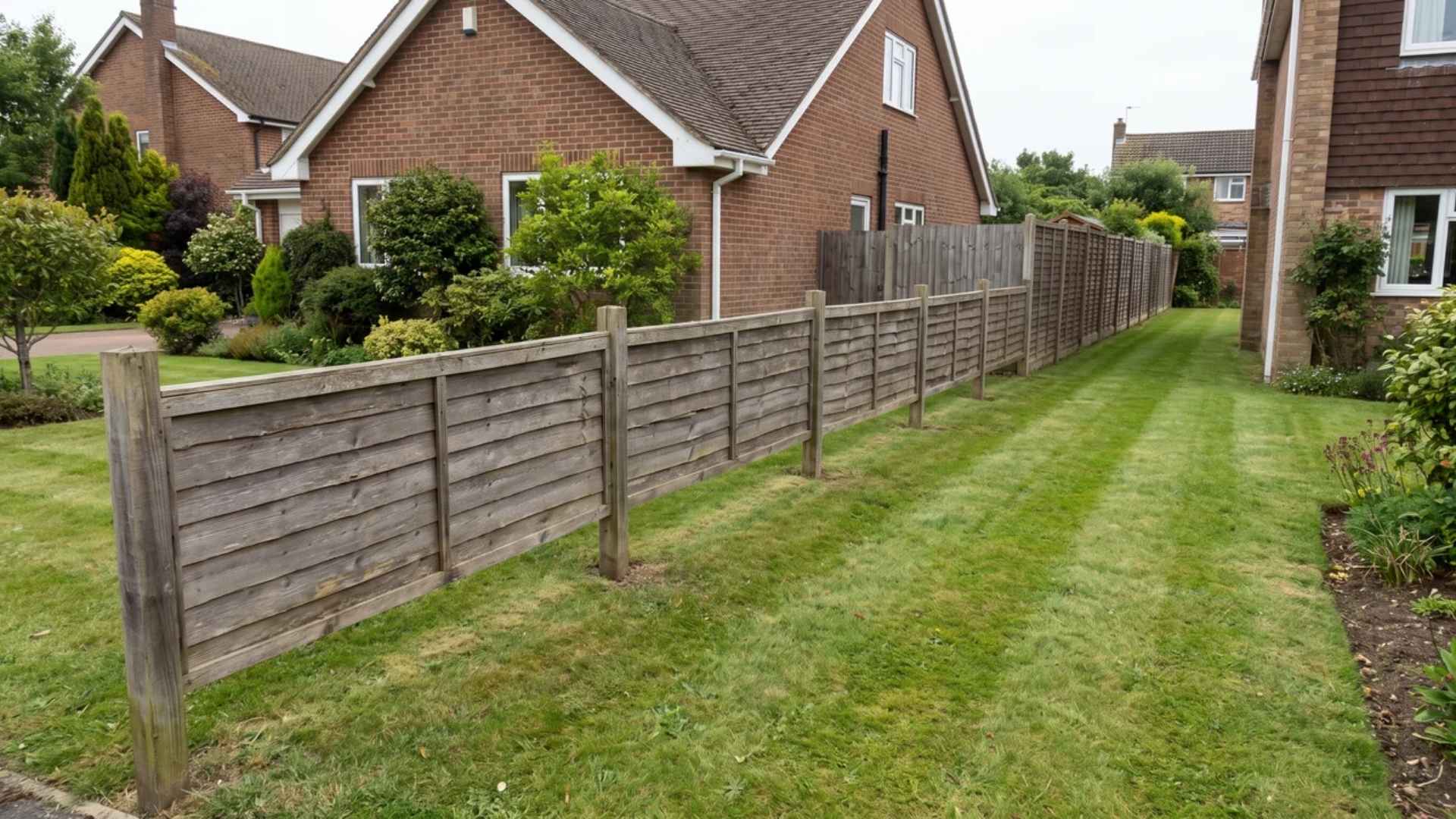
Installing Gates or Fences: Property owners may install gates or fences on their land, but these changes cannot unreasonably restrict easement access. A gate is usually acceptable only if the easement holder gets a key, code, or remote and can still come and go without delay. A locked gate with no access for the other party is treated as interference.
How to Resolve a Driveway Easement Dispute
Resolving a driveway easement dispute works best when you start with the least confrontational option and only escalate if you have to.
Begin by pulling out the recorded easement agreement and reading it carefully. Most disputes have an answer sitting right there in the document that both parties simply never reviewed together.
If the agreement does not resolve it, a direct conversation with your neighbor is the next step. Many disputes settle once both sides understand what the document actually says.
If that fails, mediation is a lower-cost alternative to court. Litigation is the last resort, but sometimes it is the only one that works.
Can a Driveway Easement Be Revoked or Terminated?
Yes, a driveway easement can end, but one party generally cannot simply cancel it without a valid legal basis. The termination process depends on how the easement was created and the circumstances affecting the properties.
When both parties agree to end it: The simplest option is for both parties to sign a written agreement releasing the easement and record it with the appropriate land records office.
This can be useful when the easement is no longer needed, such as when the dominant property gains another permanent route to a public road.
Abandonment and cessation of use: Simply stopping use of a driveway usually does not automatically terminate an easement.
Courts may require clear evidence that the easement holder intended to permanently give up the right, so proving abandonment can be difficult.
Merger when one owner buys both properties: When the same person owns both the dominant and servient properties, the easement typically ends under the merger doctrine.
However, the legal effect can become more complicated if the properties are later sold separately, so professional legal advice may be appropriate.
When Should You Get a Lawyer Involved?
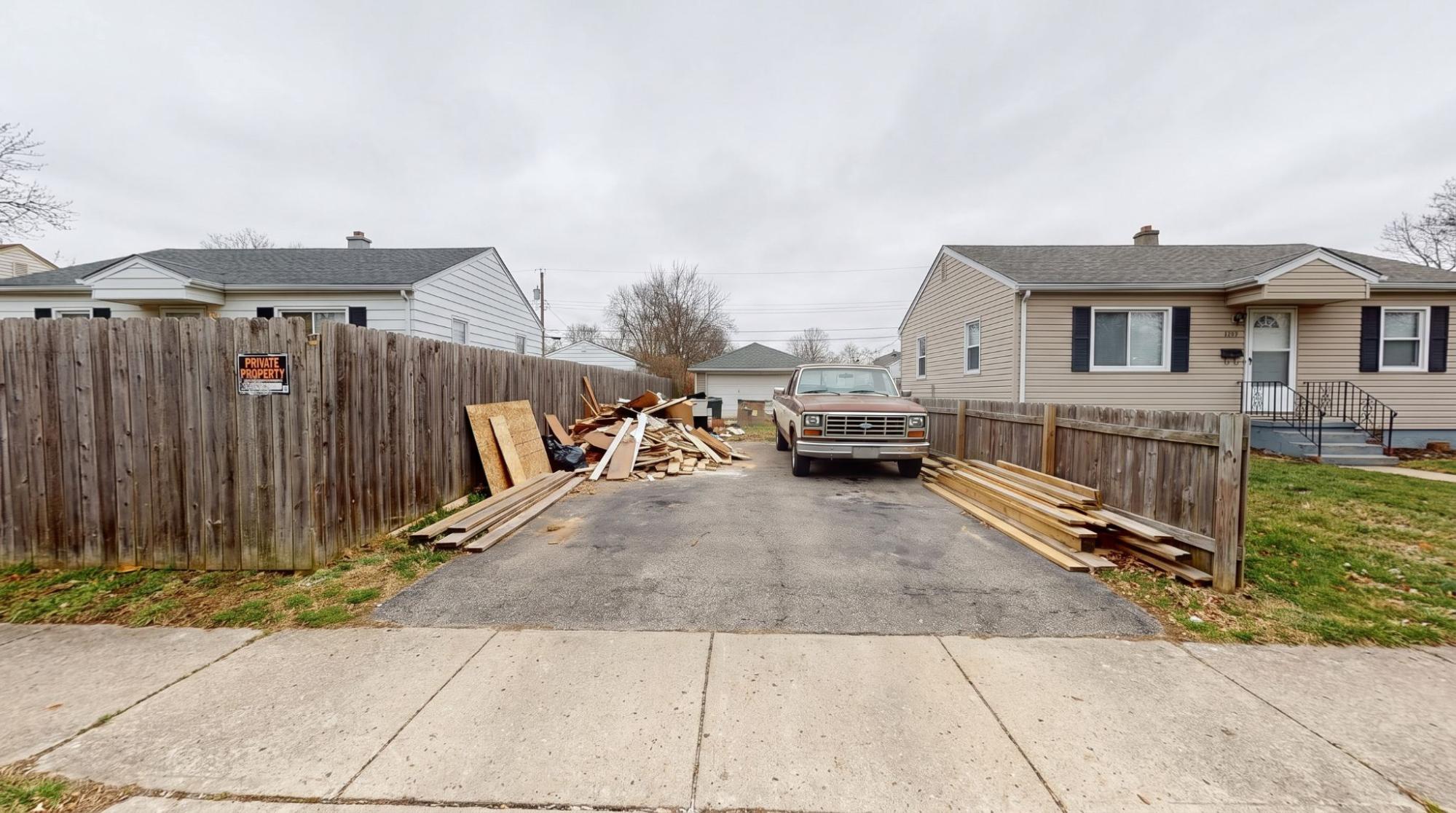
Not every driveway easement situation needs a lawyer, but some absolutely do. If your access is being physically blocked and the other party is not responding to direct communication, that is the time to call one.
The same goes for situations where you are buying or selling a property with an easement attached, and the terms are unclear.
If someone is claiming a prescriptive easement over your land, or if you are trying to terminate an easement and the other party disagrees, legal guidance is not optional at that point. A real estate attorney can review the recorded documents and tell you exactly where you stand.
Does a Driveway Easement Affect Property Value?
The honest answer is: it depends. A driveway easement does not automatically hurt your property value, but it can, depending on how burdensome it is in practice.
An easement that allows a neighbor to pass through twice a day is very different from one that brings heavy commercial traffic across your land at all hours. Buyers see the easement in the title report, and lenders and appraisers factor in how much it limits your use of the land.
That said, if the easement is clearly documented, rarely intrusive, and has a solid maintenance agreement in place, most buyers will not walk away over it. The problem is usually not the easement itself but the uncertainty around it.
Closing Thoughts
Driveway easement rights may seem like a minor part of property ownership, but misunderstandings can quickly lead to costly disputes.
Knowing what your easement allows, reviewing recorded documents, and putting maintenance responsibilities in writing can help prevent future problems.
If you are facing a driveway access issue, consider speaking with a real estate attorney who can review your specific situation and explain your options.
Have you experienced a driveway easement dispute or access problem? Share your experience in the comments below.
If you found this guide helpful, share it with a neighbor, homeowner, or property owner who may benefit from knowing their driveway easement rights.
Frequently Asked Questions
Can a property owner block a driveway easement?
No. Once a valid easement exists, the property owner cannot block or obstruct access to it. Doing so is a legal violation of the easement holder’s rights and can result in a court order to remove the obstruction.
What happens to a driveway easement when a property is sold?
In most cases, the easement transfers with the property automatically. It is attached to the land, not the individual owner, so the new buyer inherits both the rights and the obligations that come with it.
Who is responsible for maintaining a shared driveway easement?
Generally, the party who benefits from the easement is responsible for keeping it in usable condition. However, a written maintenance agreement between both parties is always the cleaner, safer way to define exactly who handles what.
Can a driveway easement be terminated without the other party’s consent?
Rarely. Most easements require mutual agreement to end. Courts may terminate one under specific circumstances, such as proven abandonment or merger of ownership, but unilaterally ending a valid easement is not something one party can typically do on their own.
How do I find out if my property has a driveway easement?
Start with your property deed and check the land records at your county recorder’s office. A title search will also surface any recorded easements. If you suspect an unrecorded or implied easement exists, a real estate attorney can help you investigate further.