

Section 8 housing landlord requirements sound intimidating until you actually see them laid out. In practice, it’s a checklist most landlords can clear in an afternoon: a few documents, a property that passes inspection, and a rent number that holds up against local comparables.
The part that bothers people isn’t getting approved. It’s staying approved. I’ve watched landlords lose their standing over things that had nothing to do with the tenant, a missed re-inspection, a side payment that seemed harmless, a rule they assumed didn’t apply to them.
This guide walks through both halves: what gets you in the program, and what keeps you there.
Property, Paperwork, and Eligibility Rules Before You Apply
Before you can rent to a Section 8 tenant, two things need to line up. Your property and paperwork have to be ready, and you need to know who you’re actually allowed to lease to.
Documents and Forms You’ll Need
Your local PHA will ask for a short stack of documents before anything moves forward. Have these ready so you’re not scrambling later.
- Proof you own the property, like a recorded deed
- A completed W-9 or W-4 tax form
- Current proof of property insurance
Once these are on file, the PHA can move you into the next stage.
One more thing PHAs check that catches people off guard: you’ll need a valid Social Security number or taxpayer ID, and you can’t be barred or suspended from participating in federal programs. It’s a quick check on their end, but it’s a hard stop if it flags.
Who Can’t Be a Section 8 Landlord (and What “Mandatory” Really Means)
There’s one hard rule most PHAs enforce. You can’t rent a subsidized unit to a close blood relative, like your child, parent, or sibling.
Past that, eligibility gets more nuanced. Here’s the part people mix up.
Nothing forces you, nationally, to join Section 8 at all. It’s an opt-in program. You can choose never to work with a voucher holder if that’s your call.
But that’s not the whole picture. A growing number of states and cities have passed their own laws that ban landlords from refusing an applicant just because they hold a voucher.
In those places, turning someone away for that reason alone can get you into legal trouble. That’s true even though the federal program itself never required your participation. Check your local rules before you assume you’re free to decline.
Fair Housing Rules Still Apply
Source-of-income protections are separate from another set of rules you’re on the hook for either way: federal fair housing law.
Once you’re renting, Section 8 or not, you can’t turn someone away or treat them differently because of race, color, national origin, religion, sex, familial status, or disability. That’s the Fair Housing Act, and it applies to every landlord, voucher or no voucher.
The two rules get confused because they show up in the same conversation. Source-of-income laws are about whether you can say no to a voucher. Fair housing law is about who you can say no to, period. Know both before you start screening applicants.
How to Become a Section 8 Landlord: Step by Step
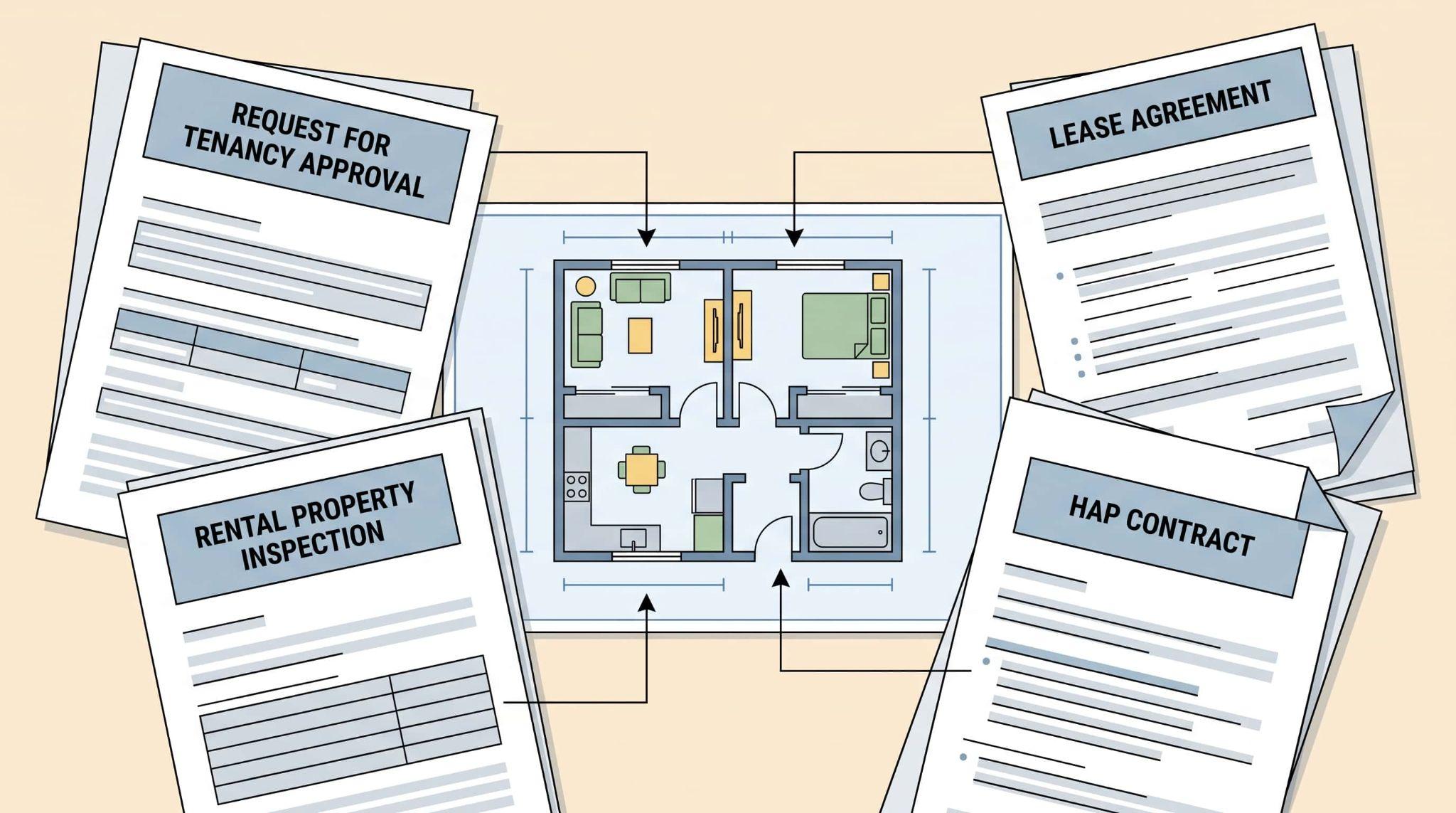
Becoming a Section 8 landlord comes down to five steps, in this order.
Step 1: Submit Your Request for Tenancy Approval
If you already have a tenant with a voucher, you start with the Request for Tenancy Approval, or RFTA.
This tells the PHA which unit you want approved and gets the process moving.
Step 2: Screen the Tenant
You screen the applicant the same way you’d screen any other renter. Credit, rental history, income, whatever criteria you normally use.
Section 8 doesn’t change that part. You just can’t hold voucher holders to different standards than anyone else.
That cuts both ways, too — you can’t add an extra deposit, a higher application fee, or stricter income criteria just because someone’s paying with a voucher. Whatever you require, it has to be the same requirement you’d put on any other applicant.
Step 3: Pass the Unit Inspection
Somewhere in this window, usually right after the RFTA, the PHA schedules an inspection.
They check the unit against HUD’s Housing Quality Standards, or HQS: the same checklist every PHA uses nationwide.
That covers working plumbing, heating, and electrical systems, structural soundness, and sanitation, on top of the smoke detectors and secure locks most landlords already expect. It has to pass before you move forward.
Step 4: Sign the Lease and HAP Contract
Once the tenant clears screening and the unit clears inspection, you sign your lease with the tenant directly.
It’s worth knowing what counts as a lease default before you finalize the terms, since violations can affect both the tenancy and your HAP contract.
Once the lease and HAP contract are signed, the payment split kicks in: the PHA pays its share directly to you each month, and the tenant covers the rest, typically around 30% of their income. You’re collecting from two sources instead of one, so it’s worth tracking them separately from day one.
Utilities are worth nailing down before you sign, too. Whatever the lease says you’re covering, you’re covering, the PHA builds its payment standard assuming a certain utility split, so if you’re paying for heat or water, that’s already priced into what they’ll approve.
Get it in writing so there’s no argument later about who owes what.
If You Don’t Have a Tenant Yet
One thing changes the order. If you just want your property listed as available, you start earlier.
That means a property listing form or a new landlord briefing through your PHA, before any of the steps above. If you’re just getting started, check whether you need a real estate license to rent houses in your state.
What Causes Landlords to Fail Section 8 Requirements
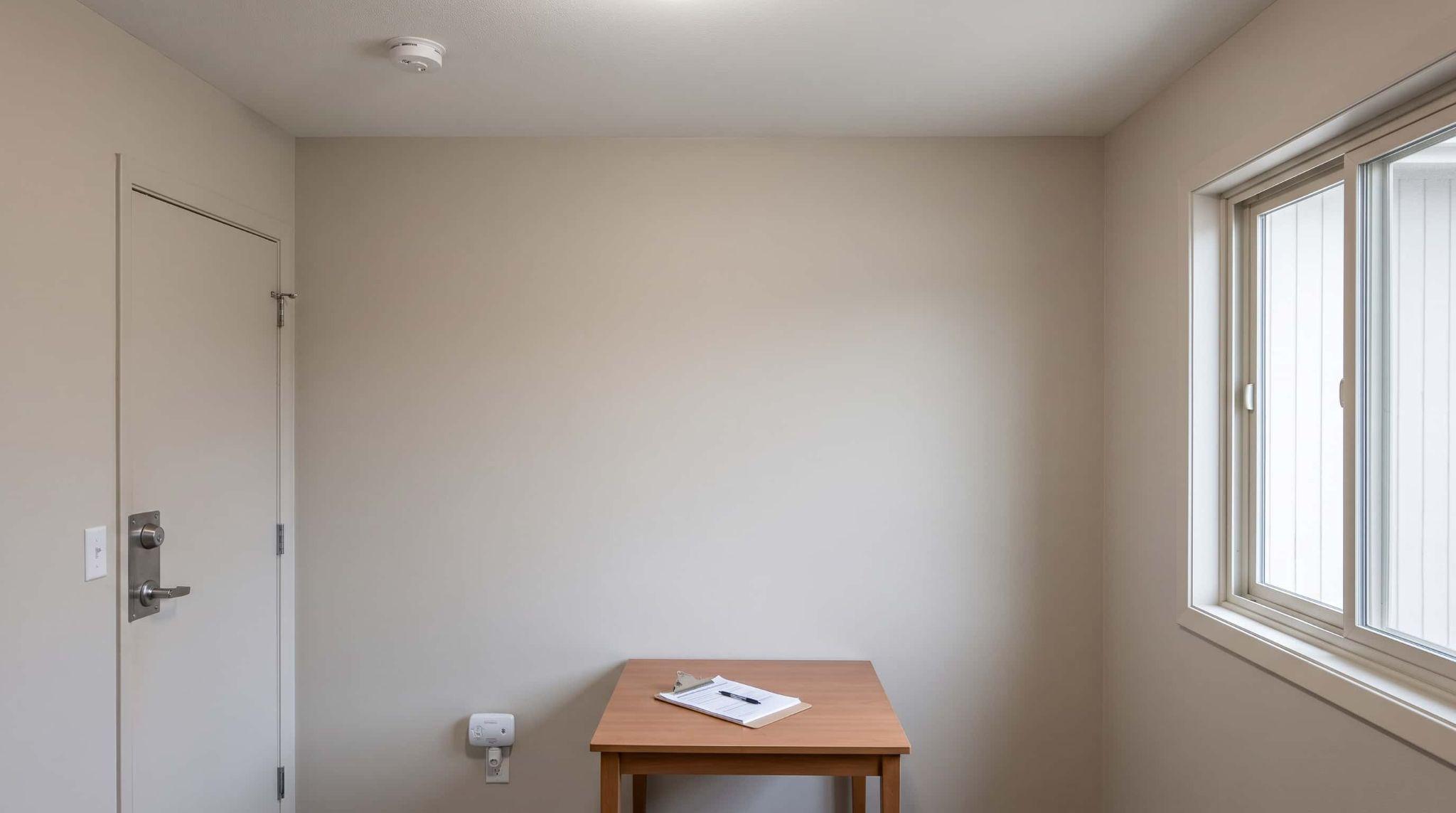
Most landlords who run into trouble hit one of two walls. The inspection fails, or the rent gets rejected.
Common Inspection Failure Points
- Smoke detectors or carbon monoxide detectors that don’t work
- Locks that don’t secure properly on doors or windows
- Unresolved lead-based paint issues on units built before 1978
The rent side trips people up more, mostly because nobody explains how it actually works. Rent reasonableness isn’t just “charge market rate.”
How Rent Reasonableness Actually Gets Checked
- The PHA compares your number against Fair Market Rent for the area
- It’s then checked against specific comparable unassisted units nearby, not the market in general
- If your rent sits above what those comparisons support, you get rejected until you adjust it
There’s a third way landlords fall out of compliance after they’re already approved. Charging the tenant anything beyond what’s written into the HAP contract isn’t a gray area you can negotiate around.
Even a small side payment, collected outside the official agreement, counts as a violation.
Fair Market Rent itself isn’t a flat number for your city, it’s set by unit size (studio vs. 3-bedroom), local rental trends, and a utility allowance based on what the tenant is expected to pay separately.
That’s why two landlords on the same block can get different FMR figures for what looks like the same size unit. Check your area’s current FMR before you set a price, not after.
Staying Compliant: Annual Inspections and Ongoing Duties
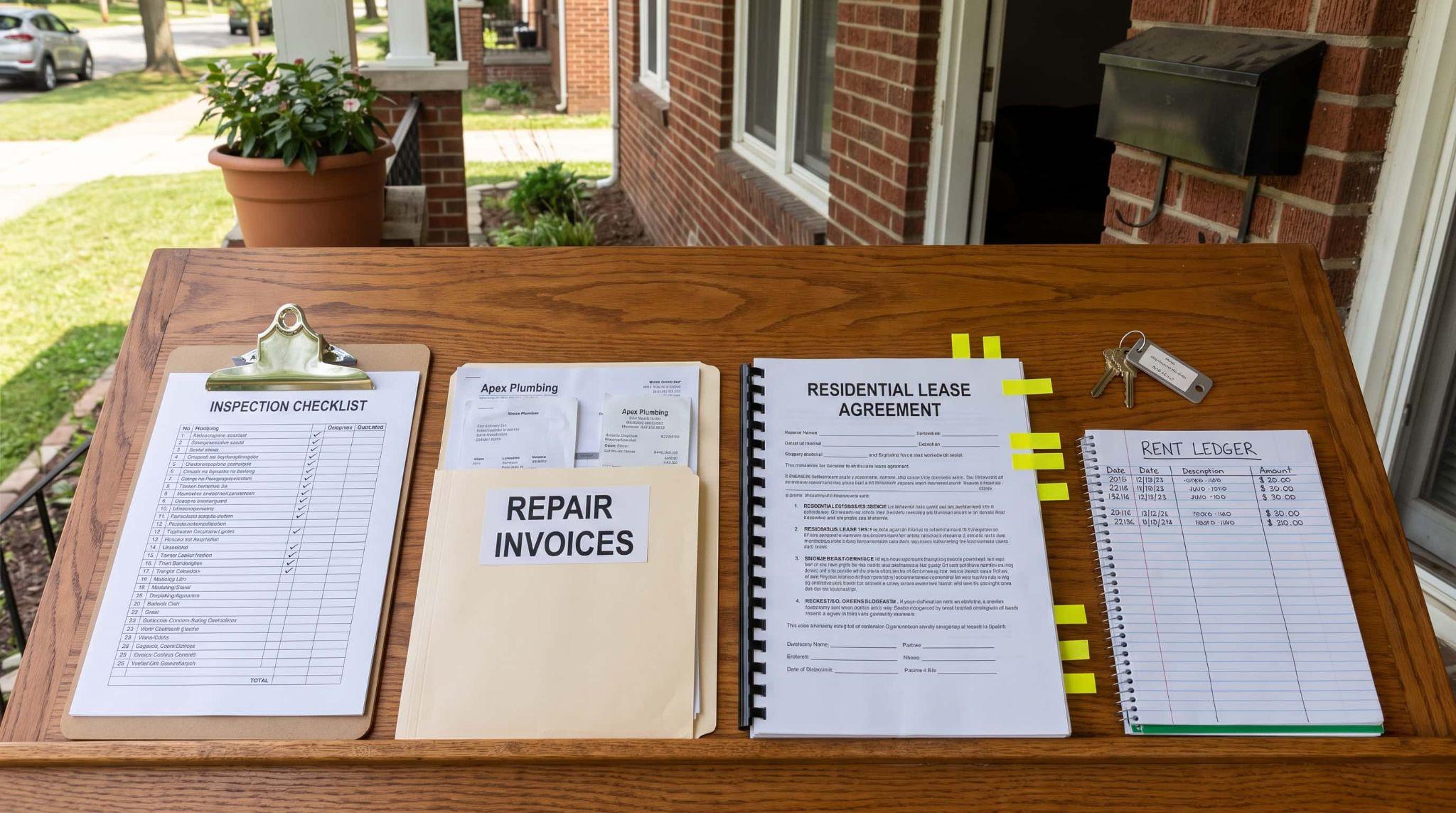
Getting approved isn’t the finish line. Once you’re in the program, two things carry on for as long as the lease runs.
What stays ongoing after approval:
- Your unit gets re-inspected every year, not just once at the start. It has to keep passing the same standard it passed to get approved.
- You, not the PHA, stay responsible for enforcing the lease and keeping up with repairs over time.
- You’re also the one collecting the tenant’s portion of the rent on schedule. The PHA covers its share, but chasing the tenant’s part is still on you.
None of this runs on autopilot after year one. Skip a repair, miss an inspection window, or let rent collection slide, and you can lose your standing in the program even after everything was approved the first time.
Key Takeaways
Section 8 housing landlord requirements aren’t as complicated once you break them into pieces. Get your paperwork ready, know who you can and can’t lease to, follow the steps in order, and keep up with inspections and rent rules after you’re approved.
Miss one of those pieces, and you risk losing your standing in the program. Stay on top of them, and the process runs smoothly year after year.
If you’re weighing whether to rent to a voucher holder, hopefully this cleared up what to expect. Got a question about your own situation? Drop it in the comments, or share this with another landlord figuring out the same thing.
Frequently Asked Questions
Is being a Section 8 landlord worth it?
It depends on your goals. The PHA’s share of rent lands on schedule every month regardless of the tenant’s job situation, and voucher holders tend to stay longer since moving means starting the approval process over. The trade-off is yearly inspections and a rent ceiling you don’t control.
How does Section 8 work in Illinois for landlords?
The same federal steps apply. Illinois also has its own source-of-income law, so refusing a tenant just for holding a voucher can get you into trouble.
Can anyone be a Section 8 landlord?
Most owners qualify if the unit passes inspection and the rent is reasonable. The main exception is leasing to a close blood relative.
What are the landlord requirements for a Section 8 tenant in Florida?
The same core requirements apply: inspection, ownership proof, tax forms, and a HAP contract. Florida has no statewide source-of-income law, so local rules matter more.