
If you are thinking about renting to Section 8 tenants, you probably have a lot of questions. What are the rules? What does the government expect from you? Can you even say no to a voucher?
We get it. The program can feel confusing at first.
This guide covers everything you need to know about Section 8 housing landlord requirements, from federal laws and inspections to rent approval and landlord rights.
We have helped many landlords understand this program, and we know what works.
By the end, you will know exactly what is expected of you and how to stay compliant without the stress.
What Are Section 8 Housing Landlord Requirements?

Section 8 is a federal program that helps low-income tenants pay rent. As a landlord, the local Public Housing Authority pays a portion of the rent directly to you. But you must meet specific requirements to stay in the program.
Your property must pass a HUD inspection covering structure, plumbing, heating, electrical, and safety. Any issues must be fixed before a tenant moves in.
Once approved, you sign a Housing Assistance Payments contract. You agree to maintain the property, charge only the approved rent, and allow regular inspections.
Your rent must stay within HUD's Fair Market Rent limits. You cannot charge a Section 8 tenant more than other tenants in the same building.
You must follow the Fair Housing Act and handle evictions through proper legal channels. The PHA must be notified in writing for evictions, rent increases, or tenant changes. Missing repair deadlines after annual inspections can pause your payments until issues are resolved.
Legal Requirements for Section 8 Landlords
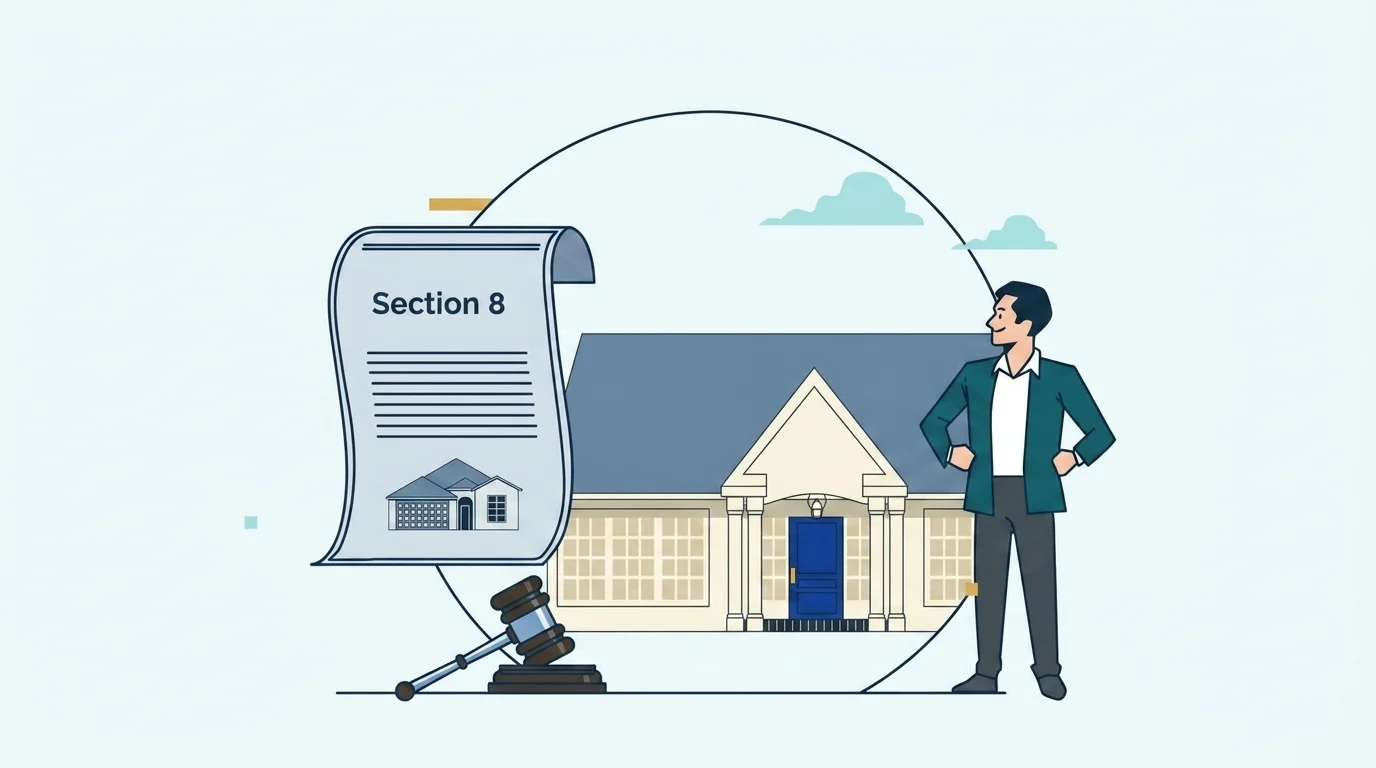
Section 8 landlords must follow federal housing laws and meet specific program standards to rent to voucher holders legally.
Federal Fair Housing Laws and Source-of-Income Protections
The Fair Housing Act bars discrimination based on race, religion, sex, disability, and more. Breaking these rules can lead to complaints and financial penalties.
In certain states and cities, rejecting a voucher holder just because of their payment source is also considered discrimination. This law is growing but does not apply everywhere. Always check your local rules first.
Landlord Responsibilities Under Section 8 Rules
Once you sign the HAP contract, you must keep the unit safe, handle repairs on time, and cooperate with PHA inspections.
Report any tenant lease violations to the PHA. Ignoring your duties can get you removed from the program.
Are Landlords Required to Accept Section 8 Vouchers?
At the federal level, Section 8 is voluntary for landlords. But state and local rules can change that. Always check your local laws before making a decision.
States With Mandatory Section 8 Acceptance Laws
California, New York, New Jersey, Connecticut, Massachusetts, Oregon, and Washington have source-of-income protection laws.
Cities like Chicago, Denver, and Minneapolis have similar local rules. In these places, you must treat voucher holders like any other applicant.
States Where Participation Is Voluntary
Texas, Florida, and Georgia do not require voucher acceptance at the state level. Some cities within these states may have their own rules.
Federal fair housing laws still apply everywhere, so any refusal must not be tied to a protected characteristic.
What Landlords Should Know Before Refusing a Voucher
You can deny an applicant for valid reasons like poor rental history or a failed background check. But refusing someone just for having a voucher may not hold up legally.
Document every decision, apply the same screening process to all applicants, and consult a housing attorney if unsure.
Section 8 Housing Landlord Requirements for Rent Approval

Rent amounts for Section 8 units must be reviewed and approved by the housing authority before a tenancy can begin.
Rent Reasonableness, Fair Market Rent and Payment Standards
Your rent must match what similar local units charge. The PHA considers size, location, and condition.
HUD publishes fair market rent figures for every metro area, and PHAs use this to set a payment standard.
If your rent goes above that standard, the tenant covers the gap. Staying near the payment standard helps you find tenants faster.
Lease Agreement Requirements
Your lease must follow HUD guidelines and cover rent, unit address, and lease term. It cannot conflict with the HAP contract or fair housing rules.
The PHA reviews your lease before approving the tenancy, so having it ready early helps.
Landlord Rights in the Section 8 Program
Landlords in the Section 8 program keep many of the same rights they have with standard tenants, including screening and lease enforcement.
Tenant Screening and Rent Collection Rights
You can check rental history, credit, criminal background, and references. The voucher does not override your screening process. Keep your criteria consistent and document every decision.
The PHA pays its share directly to you and the tenant pays their portion separately. If the tenant does not pay, that is a lease violation you can act on. You can also charge for damages beyond normal wear and tear.
Eviction Rules and Procedures
You can be evicted for nonpayment, property damage, or criminal activity. Follow state and local eviction laws and notify the PHA in writing when you start the process.
Never remove a tenant outside of proper legal channels.
How to Become a Section 8 Landlord

Getting into the Section 8 program involves a few clear steps, starting with contacting your local housing authority.
Step 1: Submit Paperwork and Complete the Inspection
Contact your local PHA to get started. Submit ownership documents, your proposed rent, and a copy of your lease.
The PHA will then schedule an HQS inspection. Pass the inspection and the tenancy moves forward. Fail it and you get a repair list to address quickly.
Step 2: Sign the Housing Assistance Payments Contract
After the inspection and lease review, you sign the HAP contract with the PHA. This makes you an official Section 8 landlord.
Once signed, the PHA sends monthly payments directly to you.
Section 8 Housing Landlord Requirements by State

Section 8 rules vary by state, so landlords should know the specific requirements and protections that apply in their location.
Section 8 Housing Landlord Requirements Texas
Texas does not require landlords to accept Section 8 vouchers, but those who do must meet standard federal program requirements.
Texas is a voluntary state. No statewide law forces voucher acceptance, though some cities like Austin have their own protections.
Participating landlords must meet HQS standards, follow fair housing laws, and sign a HAP contract with their local PHA.
Section 8 Housing Landlord Requirements New York
New York has strong source-of-income protections, and landlords are generally prohibited from refusing housing vouchers.
New York State bars landlords from rejecting applicants solely because they use Section 8. New York City has even stronger local rules.
Participating landlords must pass HQS inspections, maintain the unit, and have their rent approved by the PHA.
Section 8 Housing Landlord Requirements Michigan
Michigan does not have a statewide voucher protection law, but landlords who participate must follow federal HUD program requirements.
Michigan is a voluntary participation state. Some cities may have local rules, so check at the city level.
Participating landlords must pass inspection, get rent approved, and sign a HAP contract before payments begin.
Common Mistakes Section 8 Landlords Should Avoid
Many landlords run into problems with Section 8 because of simple mistakes that could be avoided with a little preparation.
Here are the most common ones to watch out for:
Letting maintenance slide after the first inspection is a big one. Failed follow-up inspections can lead to suspended payments.
Screening tenants inconsistently is another problem. Applying different standards to voucher holders can lead to discrimination claims.
Not reading the HAP contract carefully can cost you. Missing a deadline or failing to notify the PHA puts your contract at risk.
Setting rent too high without understanding the payment standard can leave your unit sitting vacant for longer than expected.
Tips for Successfully Managing a Section 8 Rental Property
Landlords who stay organized, communicate with their PHA, and keep up with maintenance tend to have the best experience with Section 8.
- Stay in touch with your PHA. Regular communication helps you avoid surprises and resolve issues quickly.
- Screen tenants carefully. Use your standard criteria for every applicant. A reliable tenant makes the whole process easier.
- Keep up with maintenance year-round. Do not wait for an inspection notice. Fixing issues early keeps your unit compliant and your tenants happy.
- Read and understand the HAP contract. Know your deadlines and obligations so nothing catches you off guard.
- Stay current on local laws. Rules can change at the state and city level. Keeping up protects you from unintentional violations.
Conclusion
Managing a Section 8 rental does not have to feel overwhelming. Once you understand the rules and build a good relationship with your PHA, things get much easier.
Honestly, landlords who go in prepared tend to have far fewer problems than those who figure it out as they go.
Take time to review your local requirements, get your property ready, and screen tenants carefully. Small steps make a big difference.
Have questions or experience with Section 8? Drop a comment below. We would love to hear how it is going for you.
Frequently Asked Questions
What are the basic Section 8 housing landlord requirements?
Landlords must meet HUD's Housing Quality Standards, sign a HAP contract, and follow fair housing laws. Your property must pass inspection before any tenant can move in.
Can a landlord refuse a Section 8 voucher?
At the federal level, participation is voluntary. However, some states and cities require landlords to accept vouchers, so always check your local laws first.
How does rent approval work in the Section 8 program?
Your proposed rent must be reviewed and approved by the local PHA. It must be reasonable and in line with what similar units in your area are charging.
What happens if a Section 8 property fails inspection?
You will receive a written list of items that need to be fixed along with a deadline. Payments will not begin until the unit passes a follow-up inspection.
Can a landlord evict a Section 8 tenant?
Yes, landlords can evict Section 8 tenants for valid reasons like nonpayment or lease violations. You must follow state eviction laws and notify the PHA in writing when you begin the process.