
Moving out of a rental can feel stressful. One of the biggest concerns is your security deposit.
After three years, some wear is completely normal. But knowing exactly what counts can save you money.
This guide covers everything you need to know about normal wear and tear after three years. We will look at walls, flooring, fixtures, kitchens, and more.
I have helped many renters understand their rights and avoid unfair charges.
You will know exactly what your landlord can and cannot charge you for. Short paragraphs, clear answers, no confusing legal talk. Just practical information you can actually use.
Understanding Normal Wear and Tear After 3 Years

Normal wear and tear is gradual damage from everyday living, not from misuse. After three years, these signs are more visible, but tenants are not responsible for all of it.
Paint and Walls Small scuffs, fading, and light marks are normal. Landlords cannot charge for repainting already-old paint. Flooring Light scratches and thinning carpet from foot traffic are expected after three years.
Fixtures and Bathroom Loose handles, small faucet drips, slight discoloration, and mild soap scum are all part of normal aging. Large holes, deep stains, broken tiles, burns, and pet damage are the tenant's responsibility. Gradual aging is normal. Damage from misuse is not.
Landlords must consider item age before deducting costs. Charging full price for already-old items is not fair and may not hold up in a dispute.
Tenants should take photos and report issues in writing before moving out. Clear communication keeps the process fair for everyone.
What Is Normal Wear and Tear After 3 Years?
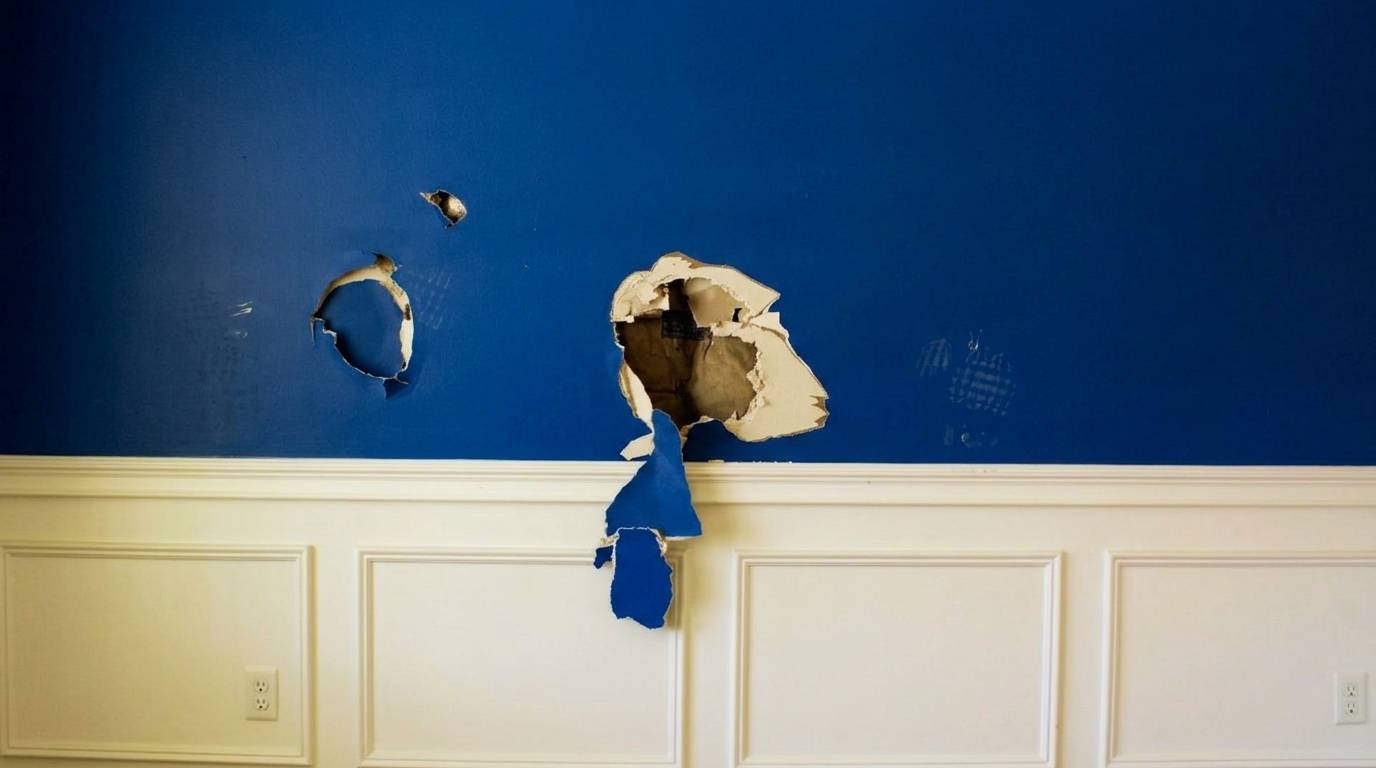
Normal wear and tear means the slow, natural decline of a property through everyday living. It is not about carelessness. It is simply about time and use.
Walls and Paint
Paint fades and small scuffs happen with regular use. Tiny nail holes from hanging pictures are also expected.
A landlord cannot charge you for walls that simply aged over three years. Large holes or deep scratches, however, go beyond normal wear.
Carpets and Flooring
Carpets flatten in high-traffic areas, and light color fading is normal. Hardwood floors may get light surface scratches over time.
Deep stains, burns, or broken tiles go beyond what everyday living causes.
Fixtures, Doors, and Cabinets
Loose hinges, slightly wobbly cabinet handles, and chipped door paint are all signs of regular use.
Bathroom fixtures may lose shine after years of water exposure. Broken hinges or cracked doors from force are not considered normal wear.
Kitchens and Bathrooms
Small surface marks on counters and slight grout discoloration are expected from daily use. Light limescale on taps is also normal in hard water areas.
Broken tiles, large stains, or damaged plumbing from misuse are not covered under normal wear and tear.
What Is Not Considered Normal Wear and Tear?
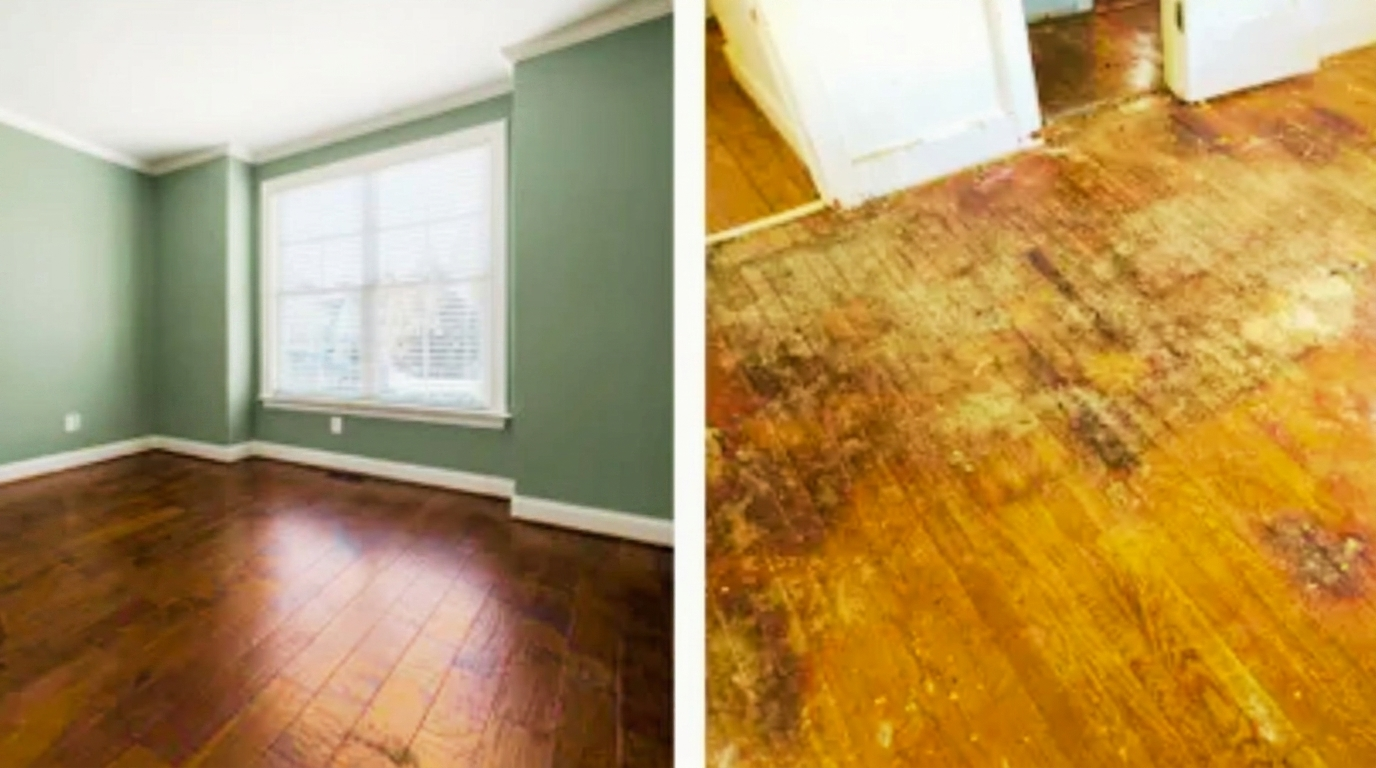
Damage caused by carelessness, accidents, or neglect falls outside normal wear and tear.
Property Damage Caused by Negligence
If a leak was reported late and caused mold, that may be the tenant's responsibility. Leaving windows open during rain that damages floors is another example.
Failing to report small issues that grow into big problems can also count as negligence. Landlords expect tenants to take basic care of the property.
Pet and Accidental Damage
Pets can cause scratches on floors, stains on carpets, and damage to doors. This is not normal wear. It is damage that goes beyond regular living.
Accidental damage like a broken window, a cracked tile from dropping something heavy, or a large stain from a spill also falls outside normal wear and tear.
Normal Wear and Tear vs. Tenant Damage
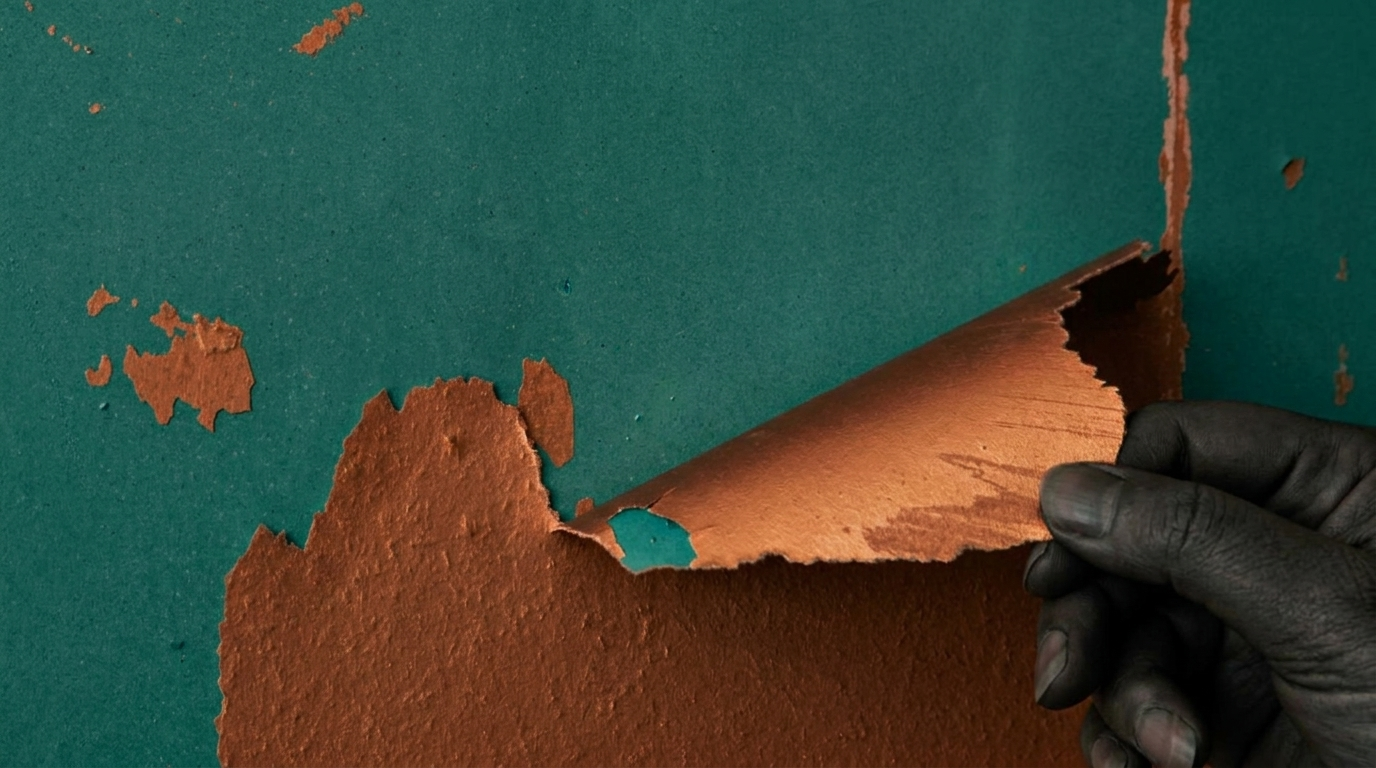
Knowing the difference between wear and damage can save you from unfair charges.
Key Differences
Not all damage is your responsibility here's how to tell the difference.
| Normal Wear and Tear | Tenant Damage |
| Paint fading over time | Large holes in walls |
| Light carpet flattening | Deep carpet stains or burns |
| Loose door hinges | Broken door frames |
| Minor scuffs on floors | Deep scratches or gouges |
| Grout discoloration | Broken tiles |
Common Examples
A sofa leaving slight marks on hardwood? Normal wear. A child drawing on the wall with a permanent marker? Tenant damage.
A faucet developing mineral buildup over three years? Normal wear. Leaving the faucet running and causing water damage? That is negligence.
The main question to ask is:Did this happen through regular, careful everyday living, or did it happen due to misuse or lack of care?
Can a Landlord Charge for Damage After 3 Years?
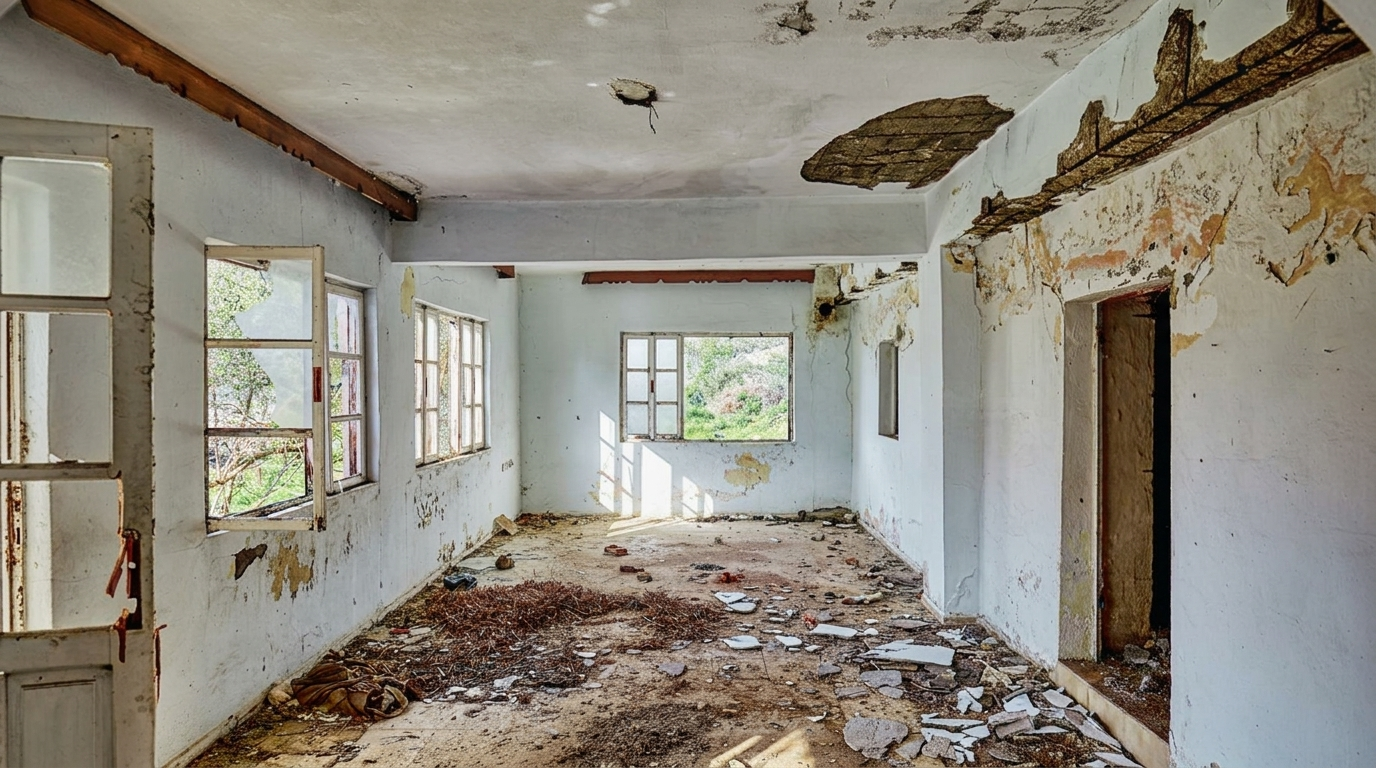
A landlord can charge for actual damage, but not for aging that happens naturally over time.
Security Deposit Deductions
Landlords can use your security deposit for repairs that go beyond normal wear and tear. They cannot deduct for things like faded paint or worn carpets that aged normally during your stay.
In most places, landlords must provide an itemized list of deductions. They must also return the remaining deposit within a set time frame after you move out.
When Charges Are Allowed
A landlord can charge you if there is actual damage beyond regular aging. This includes things like broken appliances, large stains, missing fixtures, or structural damage you caused.
If the carpet was already five years old when you moved in, a landlord cannot charge you full replacement cost after you leave. They can only charge for the remaining useful life of that item.
Factors That Affect Wear and Tear Claims
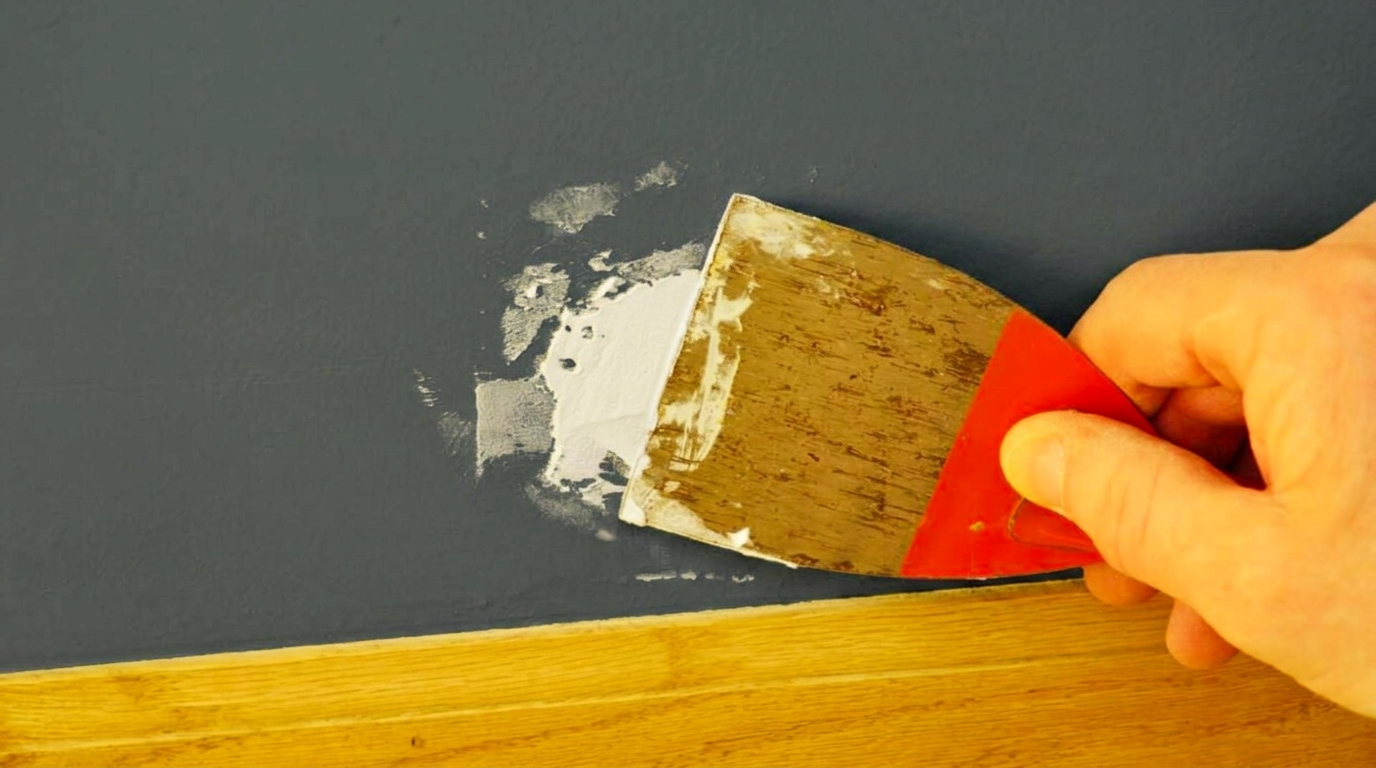
Several things influence how wear and tear is judged, including how long you lived there.
Length of Tenancy
The longer you live somewhere, the more wear is expected. Three years of living somewhere will naturally result in more visible aging than six months.
Courts and rental tribunals take the length of stay into account. What may seem like damage in a six-month tenancy could be seen as normal wear after three years.
Age and Condition of Rental Features
If the carpet was already old when you moved in, it cannot be charged at full value when you leave. The age and starting condition of fixtures, floors, and fittings all matter.
A landlord should ideally document the property's condition with photos before a tenant moves in. This makes comparisons much easier when the tenancy ends.
Tips to Avoid Disputes
Small habits that protect your tenancy and keep things civil.
- Do a move-in inspection. Take photos or video of every room before settling in. Share any existing damage with your landlord in writing right away.
- Report issues early. If something breaks or a leak starts, inform your landlord immediately. Delays can shift the responsibility to you.
- Keep all records. Save messages, emails, and repair requests. Written records are your strongest support if a dispute comes up.
- Request a pre-move-out walkthrough. Ask your landlord for an inspection before your final move-out date. This gives you time to fix small things first.
- Leave the property clean. A clean handover reduces the chances of complaints. Landlords are less likely to raise issues when the place is returned in good shape.
Conclusion
Three years in a rental goes fast. I have seen tenants lose part of their deposit over things that were clearly normal aging. It felt unfair, and honestly, it was.
Knowing what counts as normal wear and tear puts you in a stronger position. You do not have to accept every deduction without question.
Have you ever had a dispute with your landlord over wear and tear? Drop your experience in the comments. And if this helped, share it with someone renting right now.
Frequently Asked Questions
What counts as normal wear and tear after 3 years?
Faded paint, light carpet flattening, and small scuffs on walls are all normal after three years. These happen through regular daily living and cannot be charged to the tenant.
Can a landlord deduct from my deposit for worn carpets?
A landlord can only deduct if the damage goes beyond normal aging. Carpets that simply flattened or faded over three years do not qualify for a deduction.
Who is responsible for small repairs during a tenancy?
Minor issues like loose cabinet handles or chipped paint are generally the landlord's responsibility. Tenants are expected to report problems early and avoid causing further damage.
Does the length of tenancy affect wear and tear claims?
Yes, a longer tenancy means more wear is expected on the property. What looks like damage after six months may be considered normal wear after three years.
What should I do if my landlord makes unfair deductions?
Start by reviewing your move-in photos and any written records you kept during the tenancy. You can formally dispute the deductions through a tenancy tribunal or local housing authority.