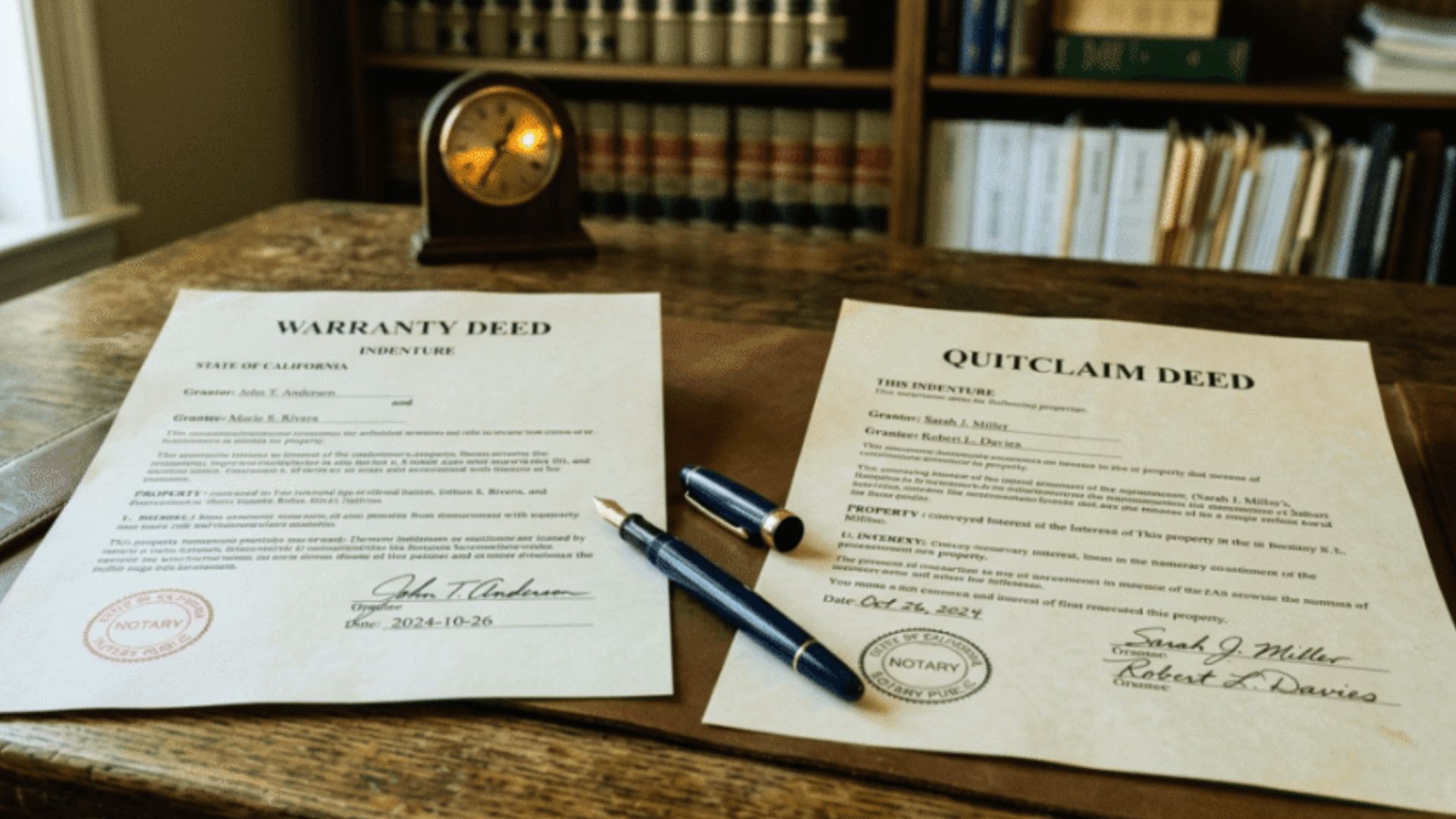
Have you found someone living on your vacant property without your permission? Or are you concerned that an empty home or unused land could become occupied while you're away?
Understanding squatters rights Illinois is important because state laws changed significantly in 2026. Although Illinois still recognizes adverse possession under specific legal requirements, Senate Bill 1563 introduced faster removal procedures for certain unlawful occupants in qualifying situations.
Knowing the difference between a squatter, trespasser, and tenant can help you avoid costly legal mistakes and respond appropriately.
In this guide, you'll learn how Illinois squatters' rights work, who may qualify for adverse possession, what changed under the new law, and the legal steps property owners can take to protect their property.
What Are Squatters Rights in Illinois?
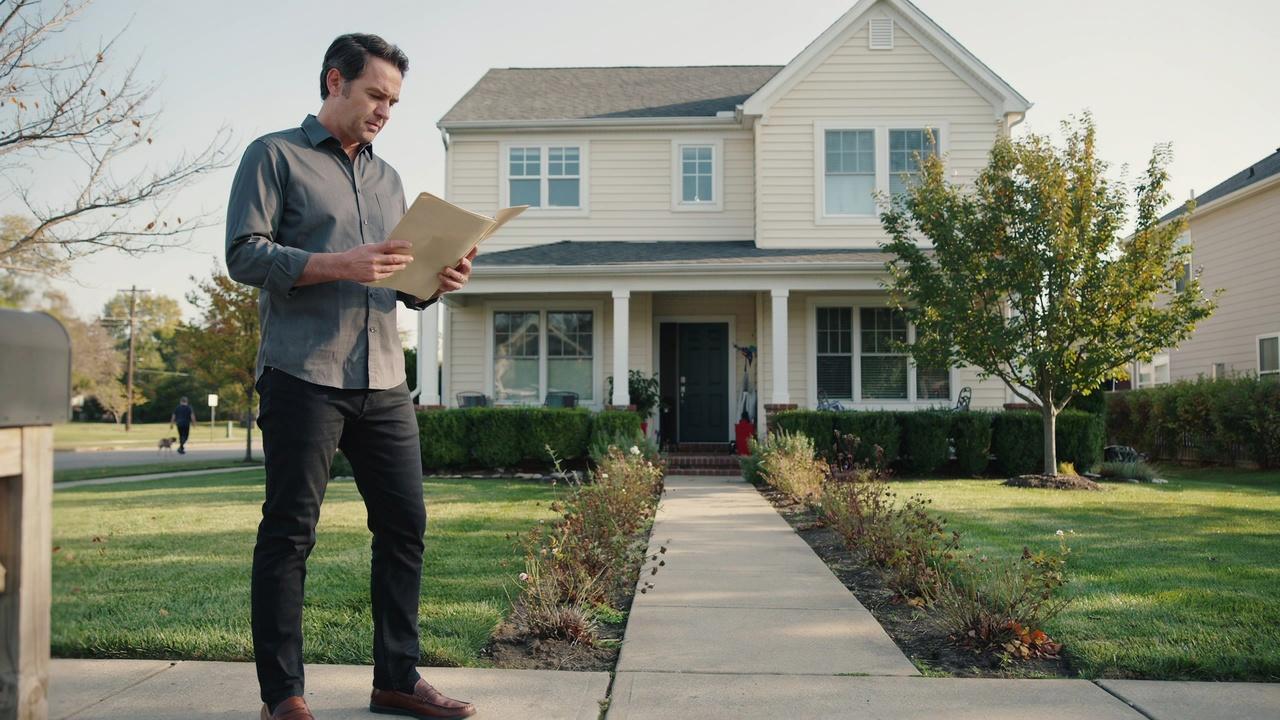
Squatters rights Illinois means the legal protections a person may get after living on a property without permission for a long time. These rights come from a rule called adverse possession.
The law exists because land needs a clear owner. Courts don't want property sitting in limbo for decades with no one responsible for it.
There's a big difference between squatting and just staying on empty land. A squatter treats the place like their own home.
Someone who wanders onto vacant land once or twice isn't squatting. And no matter how long someone stays, ownership never transfers on its own. A court has to confirm it.
What's Changed Under Illinois Squatter Laws in 2026?

Illinois passed Senate Bill 1563, and it took effect on January 1, 2026. State Senator Lakesia Collins introduced the bill, and Governor JB Pritzker signed it into law in July 2025.
The old rule treated squatters almost like tenants, which meant owners had to go through a full eviction case even when someone broke in with no lease at all.
Now, squatters can be treated as criminal trespassers instead. If you can show proof of ownership and the person has no lease or rental history, police can step in and remove them without a court order.
But this only applies to clear-cut cases. If someone claims they paid rent, had a verbal agreement, or lived there a long time, the case usually still needs to go through eviction court.
The law protects real tenants from being wrongly forced out.
Squatter vs. Trespasser vs. Holdover Tenant: Comparison Table
These three terms get mixed up constantly, but the legal treatment is very different for each one.
| Feature | Squatter | Trespasser | Holdover Tenant |
| Permission to occupy | No | No | Initially yes |
| Prior lease | No | No | Yes |
| Possible adverse possession claim | In limited circumstances | No | Generally no |
| Typical removal process | Depends on the facts and law | Criminal enforcement where applicable | Civil eviction |
Knowing which category applies to your situation changes everything about how fast you can get your property back.
Who Can Claim Adverse Possession in Illinois?

Only someone who meets every single legal requirement below can even try to claim ownership through adverse possession.
Legal Requirements for Adverse Possession
Illinois courts look for five things, and all five must be true. Actual possession means the person is physically using the land, not just claiming it on paper.
Open and notorious possession means their presence is obvious. Hiding out doesn't count. Hostile possession simply means they're there without the owner's permission, whether or not they knew that.
Exclusive possession means they aren't sharing the space with the owner or the public. Continuous possession means no long gaps or breaks. Good evidence includes photos over time, utility bills, tax payments, and neighbor statements confirming how long someone lived there.
When Adverse Possession Does Not Apply
A claim falls apart fast in a few common situations. If the owner gave permission to stay, even informally, hostile possession never existed.
If the person left the property for any stretch of time, the clock resets completely. Missing even one requirement prevents an adverse possession claim from succeeding.
And some properties, like certain government-owned or protected land, can't be claimed this way at all, regardless of how long someone occupies them.
How Long Does It Take to Claim Property in Illinois?

Illinois requires 20 years of continuous possession for a standard adverse possession claim. That drops to 7 years if the person has the color of title and pays property taxes.
The 20-year rule applies under 735 ILCS 5/13-101, and it's a long, strict timeline. Color of title means the squatter holds a deed or document that looks valid but has some legal flaw in it.
If they have that document and pay the property taxes for 7 straight years, Illinois law shortens the required time significantly.
Without the color of title, there's no shortcut. Property taxes matter here because paying them shows the person is acting like a real owner, which courts take seriously.
How Illinois Courts Evaluate Adverse Possession

Illinois courts review adverse possession claims carefully because transferring ownership without a sale or inheritance is an extraordinary legal remedy.
The person claiming ownership must prove every required legal element with clear and convincing evidence. Failing to meet even one requirement, such as continuous, exclusive, or hostile possession, usually causes the claim to fail.
For example, in Bell v. Fletcher, the court rejected an adverse possession claim because the claimant could not prove exclusive possession for the required statutory period. The case illustrates that occupying or maintaining a property alone is not enough.
Illinois courts expect strong evidence, such as property tax records, photographs, surveys, and witness testimony, before awarding ownership through adverse possession.
Key Illinois Laws on Squatters and Adverse Possession
The following Illinois laws explain how adverse possession and squatter removal are handled.
| Illinois Law | Purpose |
| 735 ILCS 5/13-101 | Establishes the standard 20-year adverse possession period. |
| 735 ILCS 5/13-109 | Allows a 7-year claim with color of title and payment of property taxes. |
| 720 ILCS 5/21-3 | Defines criminal trespass to real property. |
| Senate Bill 1563 (2026) | Allows police to remove squatters as criminal trespassers in qualifying situations. |
Understanding these laws can help property owners choose the correct legal response in different situations.
Can Police Remove Squatters in Illinois?
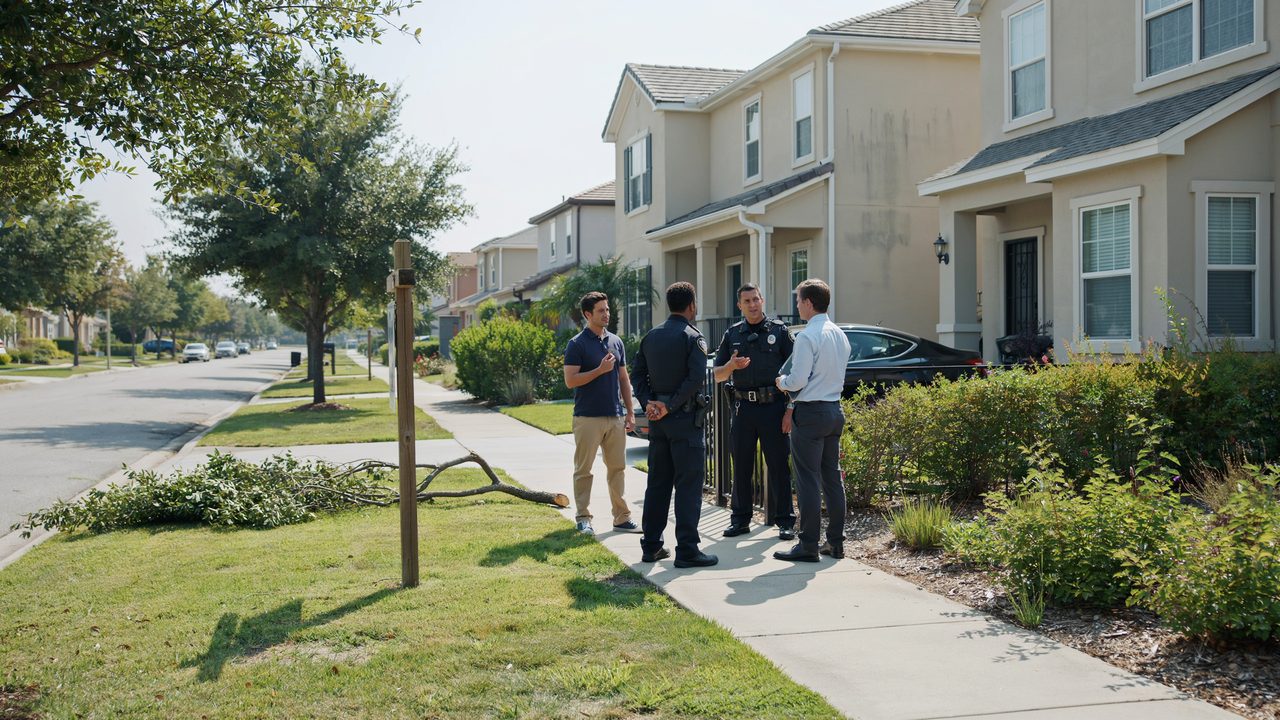
Yes, but only in specific situations. Police can act fast when there's no lease and clear proof of ownership.
Police involvement changed a lot under the 2026 law. Officers can now remove someone on the spot if the case is a clean criminal trespass, meaning no lease, no rent history, and solid proof you own the place.
That authority comes from Illinois's criminal trespass to property statute, 720 ILCS 5/21-3, which SB 1563 now lets police apply to squatters directly.
If the occupant claims tenancy or shows any kind of agreement, officers usually step back and tell you to file for eviction instead.
Owners should never try to remove someone themselves. Changing the locks or shutting off utilities without legal backing can expose you to real liability, even when you're clearly in the right.
How to Remove a Squatter in Illinois

If you find a squatter on your property, start by documenting everything. Take photos, note dates, and write down when you first noticed the occupancy.
Gather proof of ownership like your deed, tax records, and title documents. Contact law enforcement if the case looks like a clear criminal trespass, with no lease or rent history involved.
If the person claims any kind of tenancy or agreement, serve required notices, such as a 5-Day Notice to vacate.
When police can't remove someone directly, file court action in your county circuit court, such as Cook County Circuit Court, under the Illinois Forcible Entry and Detainer Act.
Once a judge signs off, the sheriff steps in to enforce the eviction order and remove the squatter for good.
Evidence Used in Illinois Adverse Possession Cases

Illinois courts evaluate adverse possession claims by reviewing documentary evidence and witness testimony to determine whether every legal requirement has been fully satisfied.
Property tax records:Show who has been paying taxes and for how long. Courts often treat this as the strongest single piece of evidence in a claim.
Utility records:Prove someone was actually living there and using the space. Consistent gas, water, or electric bills over the years back up a claim of real occupancy.
Surveys:Confirm the exact boundaries being claimed or disputed. A licensed survey removes any guesswork about where one property ends and another begins.
Photographs:Document changes and occupancy over the years. Dated photos showing the same person or family on the land help prove continuous use.
Fence or improvement records: Show physical changes made to the land. Permits, receipts, or contractor invoices tie the work directly to a specific date and person.
Maintenance history:Lawn care, repairs, and upkeep all count as evidence. Regular upkeep signals the kind of care a real owner would put into the property.
Witness testimony:Neighbors can confirm how long someone actually lived there. A written or sworn statement carries more weight than a casual comment in court.
Color of title documents:A flawed deed can still shorten the required timeline. Even a defective deed shows the person believed in good faith they had a claim.
Illinois courts have ruled against squatters in real cases like Bell v. Fletcher, where a claimant failed to prove exclusive possession for the full 20 years and lost.
How Property Owners Can Prevent Squatters
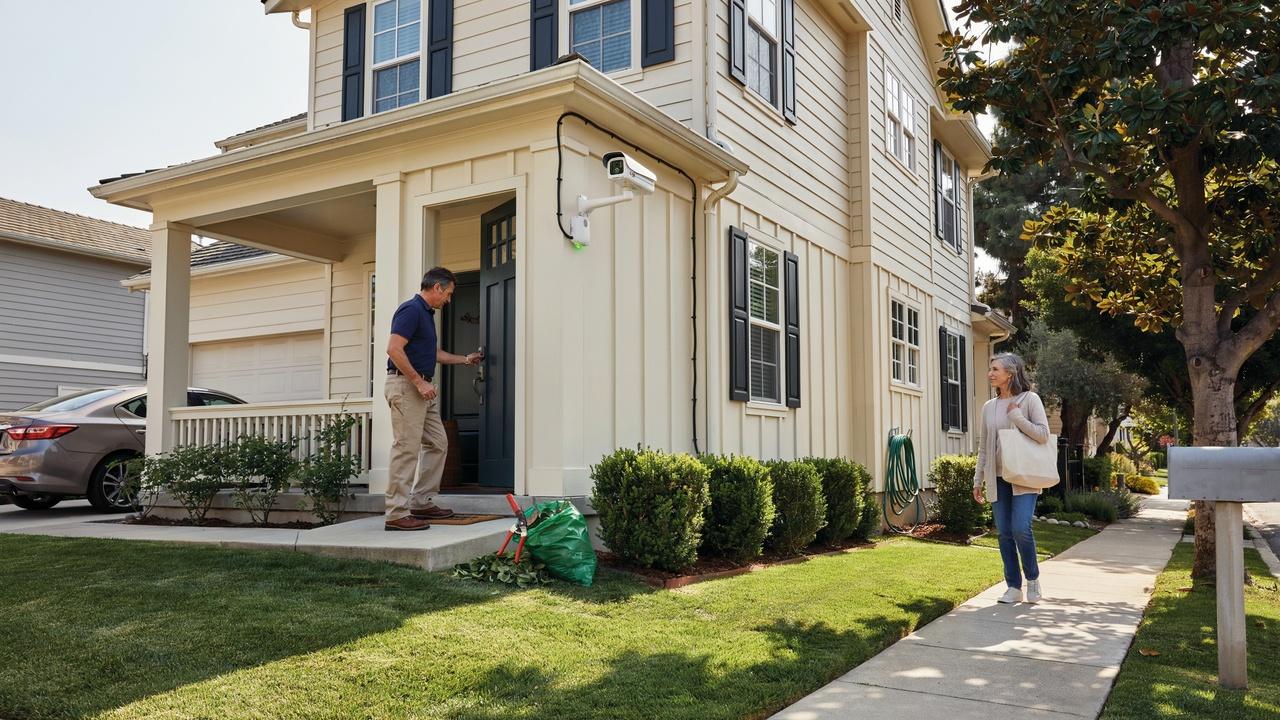
Most squatter situations start with an obviously empty property. Absentee owners face the highest risk, since no one is around to notice trouble early.
Vacant homes with overgrown lawns and piled-up mail send a signal that no one is watching. Inspect vacant property on a regular schedule, and install cameras or an alarm system if you can.
Secure every door and window, and post No Trespassing signs where people can see them. Keep your landscaping maintained so the home doesn't look abandoned, and have someone collect your mail.
Keep ownership and tax records organized in one place, and respond fast the moment you notice unauthorized occupancy. Delaying action can make recovering possession more difficult. Reporting unauthorized occupancy promptly often helps prevent longer legal disputes.
Common Myths About Squatters Rights in Illinois
A lot of bad advice floats around online, so let's clear up the biggest myths people believe.
Myth:Living in a house for 30 days creates ownership. Fact: Illinois law requires strict adverse possession rules over many years.
Myth:Paying utilities makes someone the owner. Fact: Utility payments alone do not transfer ownership.
Myth:Squatters automatically own abandoned property. Fact: Ownership requires meeting all legal requirements and usually a court judgment.
Myth:Property owners can force squatters out themselves. Fact: Self-help eviction may violate the law and create legal risk.
Conclusion
Understanding squatters rights Illinois helps property owners make informed decisions and avoid unnecessary legal complications.
While adverse possession remains part of Illinois law, the 2026 changes provide faster removal options for qualifying cases involving unlawful occupants.
Regular property inspections, organized ownership records, and prompt action are the best ways to reduce the risk of long-term disputes.
By knowing how Illinois laws apply, you can protect your property rights and respond confidently if unauthorized occupants become an issue.
Frequently Asked Questions
Can a squatter claim rights to a rental property with an active lease?
No, adverse possession only applies to owners, not landlords with tenants under a current lease.
Does calling the police on a squatter count as starting an eviction?
No, a police report is separate from an eviction filing and does not replace the court process.
Can a squatter claim adverse possession on inherited property?
Yes, if the heirs never occupied or monitored the land and the squatter meets every legal requirement.
How much does it cost to evict a squatter in Illinois?
Costs vary by county, but expect court filing fees, sheriff fees, and possible attorney costs.
Can a mortgage lender or bank be affected by a squatter in a foreclosed home?
Yes, banks holding foreclosed properties face the same adverse possession risks as any other owner.