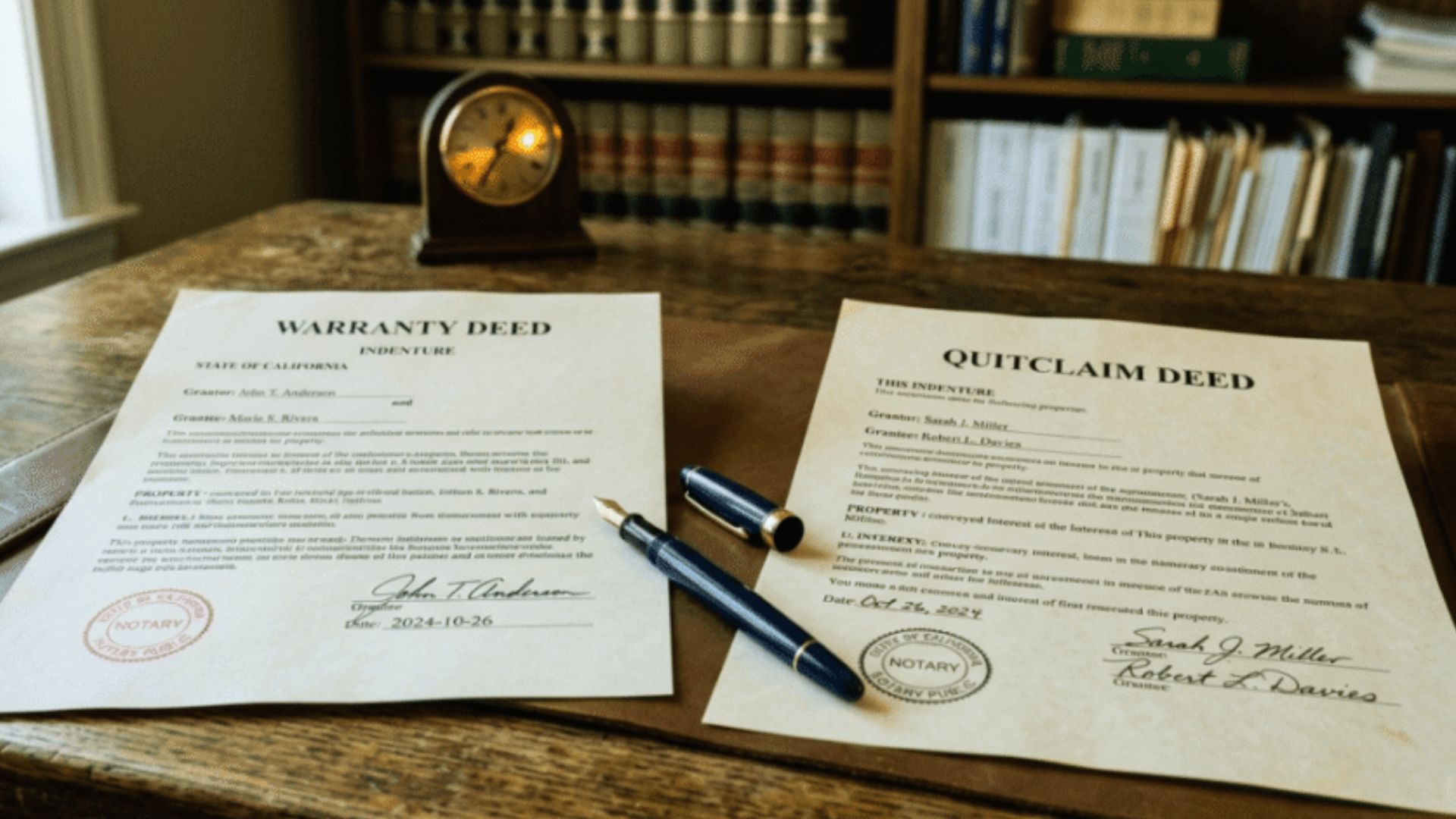
Did someone move into your empty house without your permission? That situation can be stressful, but Virginia law provides a legal process to recover your property.
Virginia squatters rights confuse a lot of owners, and one wrong move can cost you time or even the property.
In this guide, I break down what Virginia law says about squatters, adverse possession, and your rights as an owner. You'll learn the difference between a squatter, a trespasser, a holdover tenant, and a tenant at sufferance.
You'll also get the exact legal steps to remove someone the right way. I pulled this straight from Virginia code, so you get facts you can trust.
By the end, you'll know exactly what to do next.
Are Squatters Protected Under Virginia Law?

Yes, squatters do get some legal protection in Virginia. But that protection does not mean they own your property.
Virginia treats squatter removal as a civil matter, not a criminal one, in most cases. You can't change the locks, shut off utilities, or move their things out yourself.
Doing any of that counts as self-help eviction, and it can leave you facing real liability even when you're clearly in the right. You have to go through the courts to remove them.
This rule exists so no one gets forced out without a fair process. But that's far from ownership. A squatter may only pursue an ownership claim after satisfying Virginia's strict adverse possession requirements, including the full 15-year statutory period.
Staying somewhere for a few weeks or months gives them no claim at all. Temporary occupancy and a valid ownership claim are two completely different things under the law.
What Are Squatters Rights in Virginia?

A squatter is someone living on your property without your permission and without a lease.
Under Virginia law, a squatter moves into vacant, abandoned, or unused property and stays without asking.
This happens a lot with empty rentals, foreclosed homes, and land that sits unused for years. Just living there does not create ownership on its own.
Virginia recognizes a legal path called adverse possession, but it comes with tough requirements.
The state built this rule to settle old boundary disputes and put unused land back into productive hands.
It was never intended to let someone occupy a property briefly and become its owner. The person still has to prove years of open, honest use before a court will even consider the claim.
What Changed in Virginia Squatters Rights in 2026?

Virginia has not passed a new law shortening the squatter timeline in 2026. The 15-year adverse possession period under Va. Code § 8.01-236 still stands.
What owners should know is that Virginia already has a faster path built into § 8.01-126 for single-family homes with unauthorized occupants, allowing for an emergency hearing rather than the standard timeline.
This isn't a brand new 2026 statute. It's part of the existing unlawful detainer framework under Va. Code § 8.01-124 that owners can use right now through their local General District Court.
The core adverse possession requirements remain unchanged. What matters most is still speed on your end.
The sooner you act after spotting an unauthorized occupant, the less risk you carry, since any long gap in enforcement works in the squatter's favor, not yours.
Squatter vs Trespasser vs Holdover Tenant in Virginia
In Virginia, how someone got onto your property decides how you get them off it.
| Situation | Permission to Occupy | Legal Classification | Removal Process |
| Squatter | No permission from owner | Civil property matter | Usually requires legal eviction process |
| Trespasser | No permission, unauthorized entry | Criminal matter under Va. Code § 18.2-119 | May involve law enforcement action |
| Holdover Tenant (tenant at sufferance) | Had previous lease permission | Landlord-tenant matter | Handled through tenant eviction laws |
A holdover tenant is sometimes called a "tenant at sufferance" in Virginia law. This is different from a tenancy at will, where the owner gave ongoing permission with no set lease term.
Once a holdover tenant is told to leave and doesn't go, they can be treated as a trespasser under Virginia's criminal trespass statute.
What Is Adverse Possession in Virginia?

Adverse possession lets someone gain legal title to land they don't own, but only under strict conditions.
It's a doctrine that lets a person who occupies land long enough, and in the right way, ask a court to award them ownership.
Virginia's rule comes from Va. Code § 8.01-220 and § 8.01-236, which set a 15-year limitations period on land recovery actions. The person claiming ownership carries the full burden of proof.
They have to show every single legal element, actual use, open behavior, exclusive control, hostile intent, and continuous presence, for the entire 15 years.
Failing to prove even one required element prevents a successful adverse possession claim. Courts do not fill in gaps for a weak case, so most attempts fail long before they reach a judge.
Virginia Adverse Possession Requirements

A squatter has to prove five separate legal elements before a Virginia court will even look at an ownership claim.
Actual Possession
This means the squatter has to physically use the land like an owner would. Walking across it once in a while does not count.
Courts look for real signs of use, such as farming the land, fixing up a structure, fencing the yard, or making repairs. Property maintenance and improvements often become the strongest evidence in these cases.
If the person never truly used the property in a hands-on way, the actual possession element fails right there, no matter how long they claimed to be around.
Open and Notorious Possession
The squatter's presence has to be out in the open, not hidden or sneaky. Anyone who checked on the property, including you as the owner, should have been able to see they were there.
This could mean living in the home, keeping vehicles on the lot, or putting up visible improvements.
If a squatter tries to stay hidden or only shows up at night to avoid being seen, this element fails. The whole point is that a reasonable owner would have noticed the occupation if they looked.
Exclusive Possession
The squatter has to control the property on their own, not share it with you or with strangers.
If you're still using part of the land, or if other unrelated people are also occupying it, this weakens the claim badly. Courts want to see one person or group acting like the sole owner for the full period.
Shared use, even occasional, can break this requirement. This is one reason why a rotating group of occupants rarely builds a strong adverse possession case in Virginia.
Hostile Possession
Hostile doesn't mean angry or violent. It just means the squatter stayed without your permission or a lease.
Virginia courts use the "simple occupation" rule, so the squatter doesn't need to know the land belongs to someone else. This differs from a "good faith mistake," where they believed they had a right to be there, or "awareness of trespassing," where they knew they had no legal right.
If you give permission, even informally, the clock never starts. Courts always ask how the occupation began.
Continuous Possession
Virginia requires 15 straight years of possession under Va. Code § 8.01-236 and § 8.01-237. That's one of the longest periods in the country.
Leaving the property for a long stretch can reset the clock back to zero. Short, normal absences, like a vacation, usually won't break continuity. But moving out for months, or getting removed and coming back later, creates a real problem for the claim.
This long timeline is exactly why owners have so much room to act before any real threat to ownership exists.
Does Virginia Require Color of Title for Adverse Possession?

No, color of title is not required to make an adverse possession claim in Virginia.
Color of title means a document that looks like proof of ownership but is actually flawed or incomplete, such as a deed with an error.
Some states shorten the required time period for someone who holds the color of title. Virginia does not do this.
A squatter with a defective deed and a squatter with no paperwork at all face the exact same 15-year requirement.
Color of title can still help a case by showing the person believed in good faith they had a right to the land, but it never shortens the clock or replaces the other four legal elements.
Do Squatters Have to Pay Property Taxes or Utilities in Virginia?

No, Virginia does not require squatters to pay property taxes to claim adverse possession.
This puts Virginia in a different spot than states like Texas or California, where paying taxes is required or shortens the claim period.
Paying utility bills or association fees doesn't create ownership either, though it can sometimes support a squatter's claim of right as one piece of evidence among many.
It might show up as one small piece of evidence that the person was living there and acting like an occupant, but Utility payments alone do not establish ownership or satisfy adverse possession requirements. Judges look at the whole case, actual use, open behavior, exclusivity, hostility, and time, not a stack of utility receipts.
As the owner, staying current on your own property taxes still matters, since unpaid taxes can lead to separate liens or disputes down the road.
Can Squatters Really Claim Ownership of Property in Virginia?

Ownership is never automatic, even after years of unauthorized occupation. Most squatter situations never come close to a real ownership transfer.
Courts require rock solid proof of every adverse possession element before granting title, and that bar is genuinely hard to clear.
For example, someone living in an abandoned house for two years walks away with nothing. They haven't come close to the 15-year mark.
On the other hand, someone openly farming a piece of land, fixing up a structure, and living there without hiding for 15 full years might have grounds to file a claim, but only if every single element holds up in court. There's one more wrinkle worth knowing.
If the owner is a minor, imprisoned, or has a mental disability, the 15-year clock can pause for up to 25 years until that condition ends. Short stays, hidden occupancy, or any break in the timeline kill the claim fast.
Can Police Remove Squatters in Virginia?
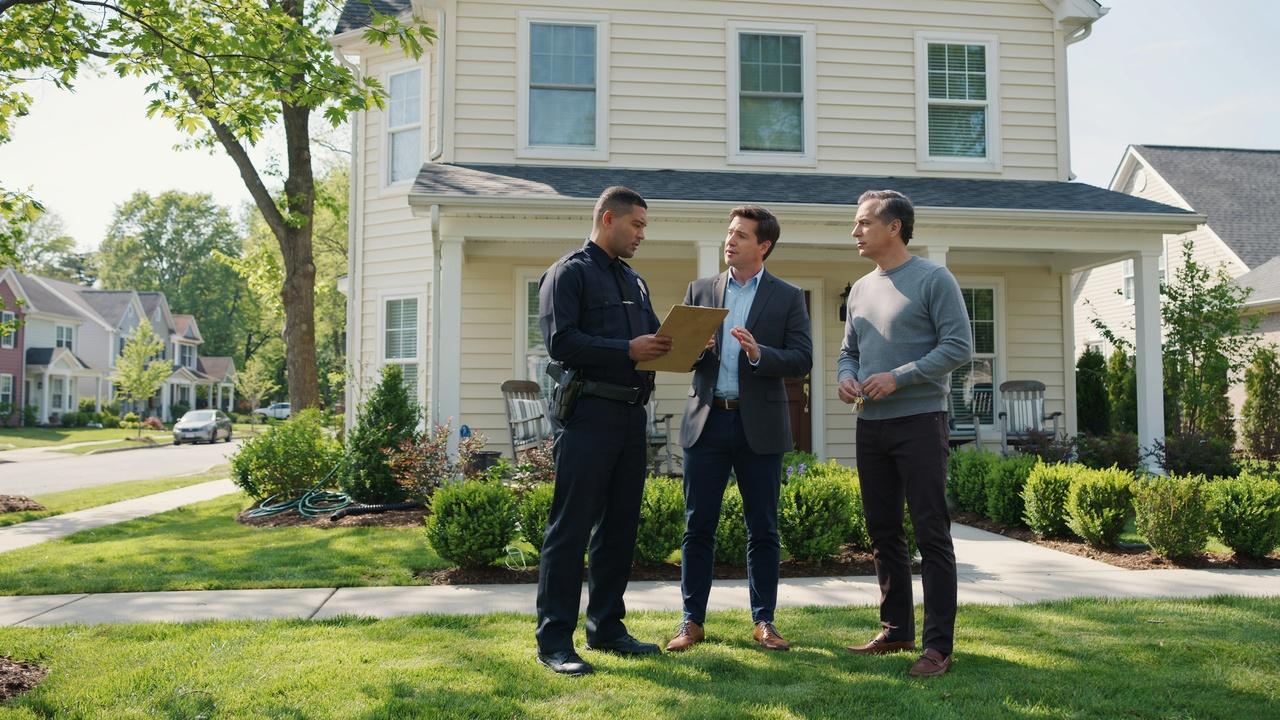
Police can act quickly against a true trespasser, but a squatter situation usually needs a civil court process instead.
If someone broke in or entered through force, that's a criminal trespass under Va. Code § 18.2-119, and officers can often remove them right away.
But once a person has been occupying the property for a while without obvious criminal entry, it typically shifts into a civil matter that requires an unlawful detainer filing in General District Court.
If the squatter fights back with an adverse possession claim, the case can turn into a quiet title dispute, which takes longer and usually needs an attorney. Property owners should avoid self-help eviction methods, including changing locks or disconnecting utilities.
Virginia law can expose you to real liability for that, even when you're clearly in the right. Confrontation only adds risk. The court process protects you legally, even though it takes longer than you'd like.
How to Remove a Squatter in Virginia Legally

Here's the legal process for removing a squatter in Virginia, step by step, based on the unlawful detainer framework under Va. Code § 8.01-124 and related sections.
1. Confirm unauthorized occupancy: Make sure the person genuinely has no lease, no permission, and no legal right to be there. Check any past communication or agreements first, so you know exactly what you're dealing with before moving forward.
2. Gather proof of ownership: Pull your deed, tax records, or title documents together. You'll need these ready for both the notice stage and the court filing later on.
3. Determine whether the person is a squatter or tenant: Review whether they ever had a lease or paid rent. This decides whether you follow squatter removal steps or standard tenant eviction law instead.
4. Serve the correct legal notice: Deliver a written notice to vacate, handed directly or posted on the door. Depending on the situation, this could be a five-day pay rent or quit notice or a standard notice to quit. This creates a paper trail showing the court you gave fair warning before filing.
5. File an eviction case if necessary:Submit a Summons for Unlawful Detainer in the local General District Court. This officially starts the legal case and sets a hearing date for both sides.
6. Attend the court hearing:Bring your evidence and be ready to explain the occupation clearly. The judge reviews everything presented and decides whether to grant possession back to you.
7. Obtain a writ of eviction:Once you win, request the writ from the court clerk. This document authorizes the sheriff to carry out the actual physical removal.
8. Sheriff completes the removal: The sheriff's office executes the writ and removes the occupant. Only law enforcement can legally carry out this final step, never the owner directly.
Tips to Prevent Squatters in Virginia
A little prevention saves you months of legal hassle later. Here's what actually helps.
- Inspect vacant properties regularly so you catch unauthorized occupants early
- Secure doors and windows with solid locks and boards if the property sits empty
- Install cameras and lighting to discourage anyone from moving in unnoticed
- Post no trespassing signs clearly around the property line
- Maintain the landscaping so the home never looks abandoned
- Keep neighbors informed so someone can flag unusual activity
- Address unauthorized occupancy quickly the moment you spot it
- Use written agreements for anyone you allow to stay temporarily, even family
Conclusion
Squatters can feel like a nightmare, but Virginia law gives you a clear path forward. The 15-year adverse possession rule protects owners far more than most people realize.
Stay alert, document everything, and use the unlawful detainer process instead of taking matters into your own hands.
If you're dealing with a squatter right now, talk to a Virginia landlord-tenant attorney to move fast and protect your property the right way.
Frequently Asked Questions
How long does it take to evict a squatter in Virginia?
Most unlawful detainer cases take four to eight weeks from notice to sheriff removal, though contested adverse possession claims can drag on much longer.
Is squatting a crime in Virginia?
Squatting itself is a civil matter, not a crime, but it turns into criminal trespass under Va. Code § 18.2-119 once the owner tells the person to leave and they refuse.
Can a Property Owner Remove a Squatter Without Going to Court in Virginia?
In most cases, no. Property owners must use Virginia's unlawful detainer process to regain possession. Removing occupants by changing locks, shutting off utilities, or using force can expose the owner to legal liability.
Can a squatter claim vacant land with no house or structure on it?
Yes, adverse possession applies to raw land too, as long as the squatter can show 15 years of actual use like farming, fencing, or clearing the property.
What happens if a squatter shows up with a fake lease or forged deed?
Using forged documents to claim a property is fraud, and it can lead to criminal charges on top of losing any adverse possession argument in court.