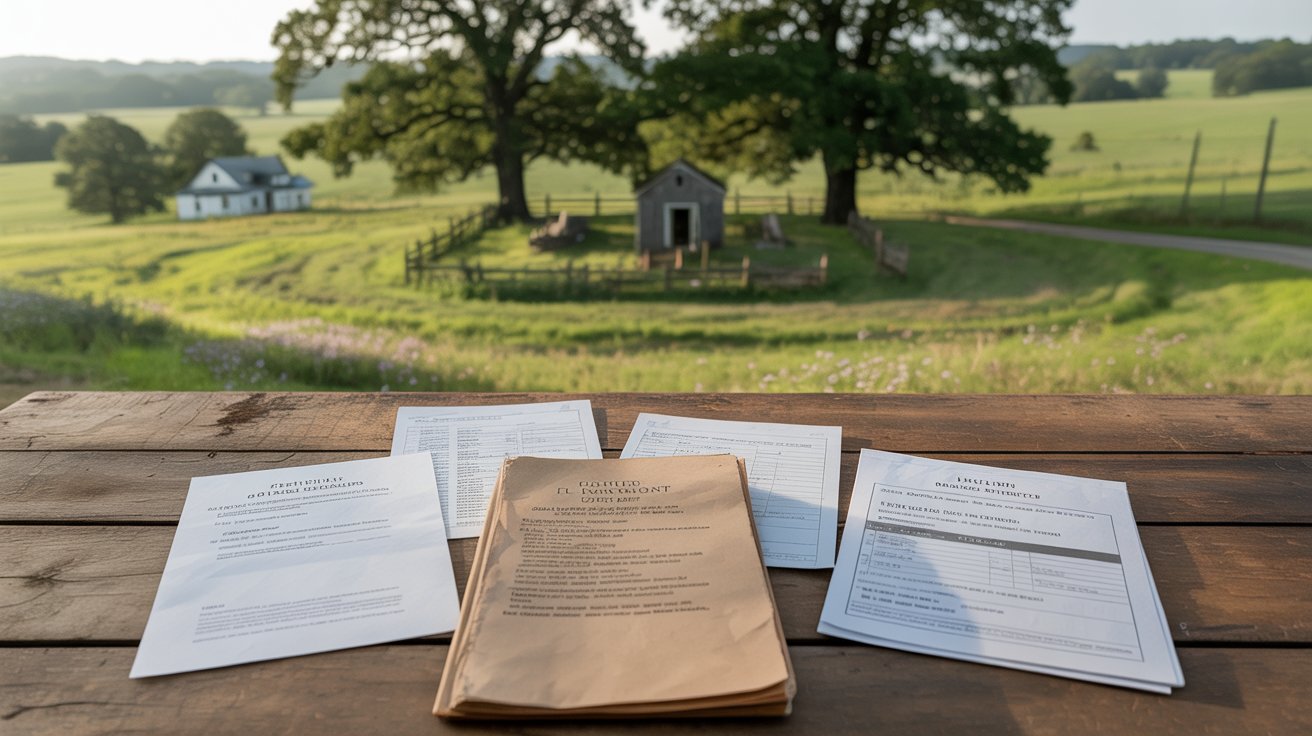
Real estate deals do not always go as planned. Sometimes a seller backs out after signing. Sometimes a buyer walks away right before closing.
When that happens, you need to know your legal options. This article covers everything about specific performance in real estate.
You will learn what it means, when courts enforce it, who can use it, and what to expect during the process.
I have worked through enough contract situations to know how confusing this can get.
My goal here is simple:give you clear, honest answers so you can protect yourself. No legal jargon. No confusion. Just straight facts that actually help.
What Is Specific Performance in Real Estate?

Specific performance in real estate is a legal remedy that forces a party to complete a property transaction they agreed to in a contract.
Instead of just paying money for breaking the deal, the court orders the person to actually do what they promised.
This remedy exists because real estate is not like buying a product you can replace. Land and property hold value that money cannot always match.
When a buyer or seller walks away from a signed agreement without a valid reason, the other party can go to court and ask a judge to enforce the contract as written.
Why Specific Performance Is Common in Real Estate Transactions

Real estate disputes often end up in court because money alone cannot replace a specific property.
The Nature of Real Property
Every piece of land differs in location, layout, and value. When a seller backs out, a buyer cannot simply find the same property elsewhere.
Why Monetary Damages Are Often Insufficient
If a buyer loses a property they planned to live in or invest in, money cannot fully replace that opportunity. Courts recognize this and treat specific performance as a valid option.
How Courts Treat Real Estate as "Unique" Assets
Courts have long accepted that land holds special value that cannot be swapped out. This gives buyers and sellers stronger grounds to seek enforcement of the contract.
How Specific Performance Works in Real Estate Contracts

The process involves proving a valid contract was broken and that forcing the deal is the right outcome.
The Role of a Valid and Enforceable Contract
Before a court can act, there must be a written contract signed by both parties with all key terms included. Without that foundation, no legal claim can move forward.
What Constitutes a Breach of a Real Estate Agreement
A breach happens when one party fails to do what the contract requires. Courts look at the facts and contract language to decide if a real breach occurred.
How Courts Enforce Contractual Obligations
When specific performance is granted, the court issues a binding order requiring the party in breach to complete the transaction. Refusing to comply can result in contempt of court.
What a Court Order for Specific Performance Requires
The order sets clear instructions, such as transferring the deed or paying the agreed price. The court enforces the contract exactly as written, without changes.
Requirements for Specific Performance in Real Estate

Courts follow a strict checklist before granting this remedy. Each condition must be met.
A Valid Written Real Estate Contract Must Exist
A legally valid written contract signed by both parties is the first requirement. Without it, the court will not consider the claim.
Contract Terms Must Be Clear, Definite, and Enforceable
Vague or incomplete contract terms make enforcement impossible. Courts need exact language to issue a binding order.
The Non-Breaching Party Must Be Ready, Willing, and Able to Perform
The party seeking relief must prove they were fully prepared to close the deal. Courts will not help a party that also failed to meet their own obligations.
The Other Party Must Have Breached the Agreement
There must be a clear, documented breach by the other party. Without proof of that breach, there is no legal basis for the claim.
Monetary Damages Must Be Inadequate to Resolve the Harm
Specific performance is only considered when money cannot fully fix the harm caused. Courts evaluate this on a case-by-case basis.
Equity and Fairness Must Support Enforcement
Even when all requirements are met, courts can deny the remedy if it would be unfair. Both parties are expected to act honestly and in good faith throughout the deal.
When Can Specific Performance Be Pursued in Real Estate?

This remedy becomes available when a party breaks a valid contract and other solutions fall short.
When a Seller Refuses to Complete the Sale
A buyer can seek specific performance when a seller backs out of a signed contract without a valid reason. Courts generally support buyers in this situation.
When a Seller Accepts a Higher Offer After Signing a Contract
Signing a contract and then chasing a better offer is a clear breach. The original buyer can go to court to enforce the first agreement.
When a Buyer Wrongfully Refuses to Close the Transaction
If a buyer backs out without cause, the seller can pursue specific performance to force the purchase. Courts will review the facts to decide if the refusal was justified.
Disputes Involving High-Value Properties
High-value properties are harder to replace, which makes enforcement more necessary. Courts are more willing to order completion when the stakes and the harm are significant.
Can a Buyer or Seller Seek Specific Performance?

Both sides of a contract can pursue this remedy under the right conditions.
Buyer Rights in Real Estate Contract Disputes
Buyers have strong legal standing when a seller walks away from a signed agreement. Courts recognize the financial and personal harm that comes with losing a property deal.
Seller Rights in Real Estate Contract Disputes
Sellers are not limited to keeping the earnest money if a buyer refuses to close. They can go to court and seek an order requiring the buyer to complete the purchase.
Situations Where Courts Are More Likely to Grant the Remedy
Courts favor granting specific performance when the contract is clear, both parties acted in good faith, and money cannot repair the harm. Strong documentation always improves the chances.
What Happens When a Specific Performance Claim Is Filed?

Filing a claim starts a legal process that involves evidence, court review, and a judge's decision.
How Courts Evaluate Real Estate Contracts
Judges review the contract language, the terms, and how both parties behaved leading up to the dispute. This review helps determine whether enforcement is appropriate.
Factors Judges Consider Before Granting Specific Performance
Judges look at whether a valid contract exists, whether a breach occurred, and whether money would be enough to fix the harm. Fairness and honesty are also key factors in the decision.
The Role of Evidence in Proving the Claim
Evidence such as the signed contract, emails, texts, and payment records forms the backbone of the case. The more documentation you have, the stronger your position in court.
Possible Outcomes of a Specific Performance Case
Courts can grant the remedy, deny it, or award monetary damages instead. Many cases also settle before a final ruling once both sides weigh the cost of continued litigation.
When Courts May Deny Specific Performance

Not every claim succeeds. Courts have many reasons to say no.
No Valid or Enforceable Contract Exists
If the contract was never properly formed or is missing key requirements, the court cannot enforce it. The case ends before it begins without a solid written agreement.
Contract Terms Are Ambiguous or Uncertain
Vague or contradictory contract language gives courts reason to deny enforcement. Clear terms are one of the best ways to protect yourself from this outcome.
The Requesting Party Acted in Bad Faith or Has Unclean Hands
If the party seeking relief behaved dishonestly or unfairly, the court will likely deny the request. This is called the unclean hands doctrine, and it applies strictly in equity cases.
Performance Has Become Impossible or Impractical
If the property has been destroyed, condemned, or made legally impossible to transfer, the court may deny specific performance. Impossibility must be real, not just inconvenient.
The Property Was Sold to a Bona Fide Purchaser
If a third party bought the property in good faith before the dispute was resolved, reversing the sale becomes very difficult. The original buyer may only recover monetary damages from the seller.
Monetary Damages Are an Adequate Remedy
If money can fully compensate the injured party, courts will award damages instead of forcing the transaction. The less replaceable the property, the stronger the case for specific performance.
Benefits and Limitations of Specific Performance in Real Estate

This remedy has real advantages, but it also comes with challenges worth understanding.
Key Advantages of This Legal Remedy
The biggest advantage is that you get what you originally agreed to, not just a check. It also holds parties accountable for walking away from binding commitments.
Challenges and Risks Involved in Litigation
Court cases are unpredictable and emotionally draining. Even a strong claim may not succeed, and the other party can raise defenses that slow everything down.
Time, Cost, and Legal Complexity
Specific performance cases can take months or years to resolve. Attorney fees, court costs, and a shifting property market can all affect the value of pursuing the case.
Court Discretion and Uncertain Outcomes
Judges have broad discretion in equity cases, and outcomes are never guaranteed. Two similar cases can produce very different results depending on the judge and jurisdiction.
Tips for Protecting Your Rights in a Real Estate Contract Dispute
Taking the right steps early can make a significant difference in the outcome of your case.
- Keep copies of every signed document, email, and written communication related to the transaction.
- Review the contract carefully and meet every deadline and condition stated in the agreement.
- Send a written notice to the other party as soon as a breach occurs.
- Speak with a real estate attorney right away before taking any further action.
- Preserve all evidence from the moment the dispute begins, including texts, emails, and payment records.
Conclusion
Real estate deals fall apart sometimes, and it is never easy when they do. But knowing your rights changes everything.
Specific performance in real estate exists to hold people accountable for the contracts they sign.
If someone walked away from a deal with you, you have legal options worth exploring.
My honest advice:get everything in writing, act fast, and talk to a real estate attorney before things get worse.
Do not wait and hope the other side comes around. Have questions or a story to share? Drop it in the comments below.
Frequently Asked Questions
What Is Specific Performance in Real Estate?
Specific performance is a court order that requires a party to complete a real estate transaction as agreed in the contract, rather than simply paying money for the breach.
Can a Buyer Force a Seller to Complete a Sale?
Yes. If a seller backs out of a valid signed contract without cause, a buyer can ask the court to enforce the agreement and complete the sale.
Can a Seller Force a Buyer to Complete a Purchase?
Yes. A seller can pursue specific performance if a buyer refuses to close without a valid reason, though courts review the facts carefully before issuing such an order.
Is Specific Performance Automatically Granted by Courts?
No. Courts review each case individually and have full discretion to grant or deny the remedy based on the contract, the breach, and overall fairness.
How Long Does a Specific Performance Case Take?
Timelines vary depending on the complexity of the case. Some resolve in a few months, while others can take a year or longer to reach a final decision.