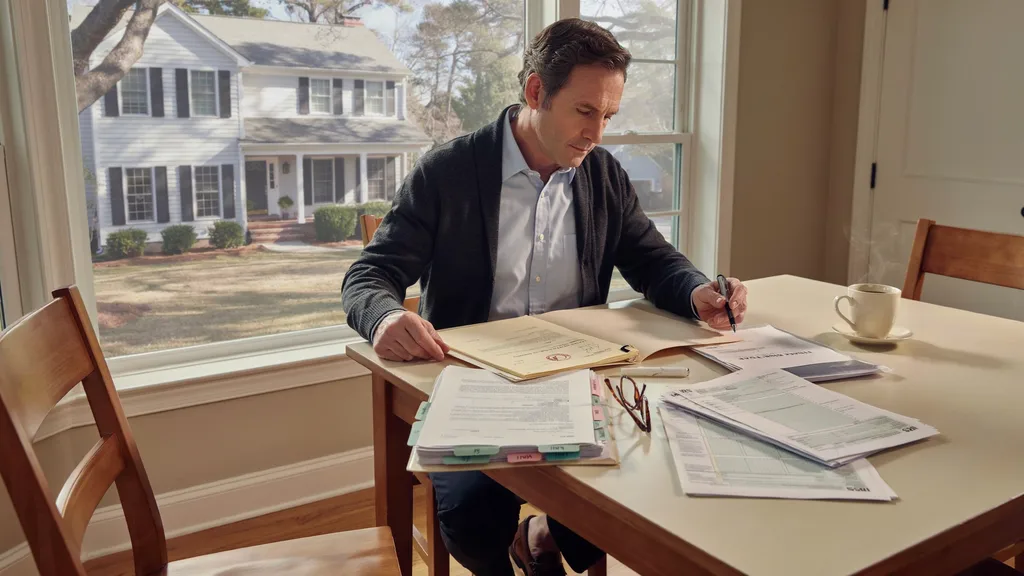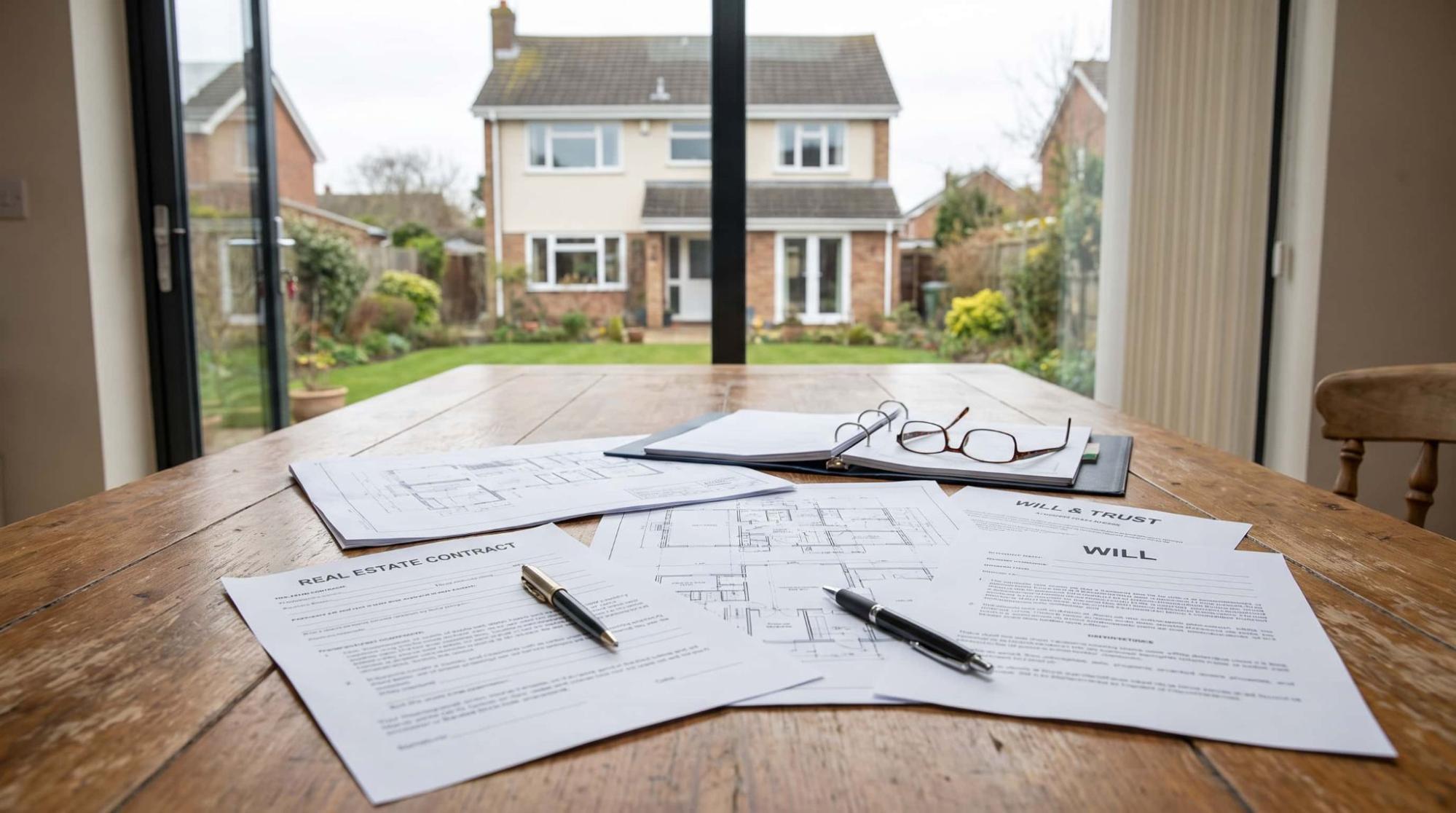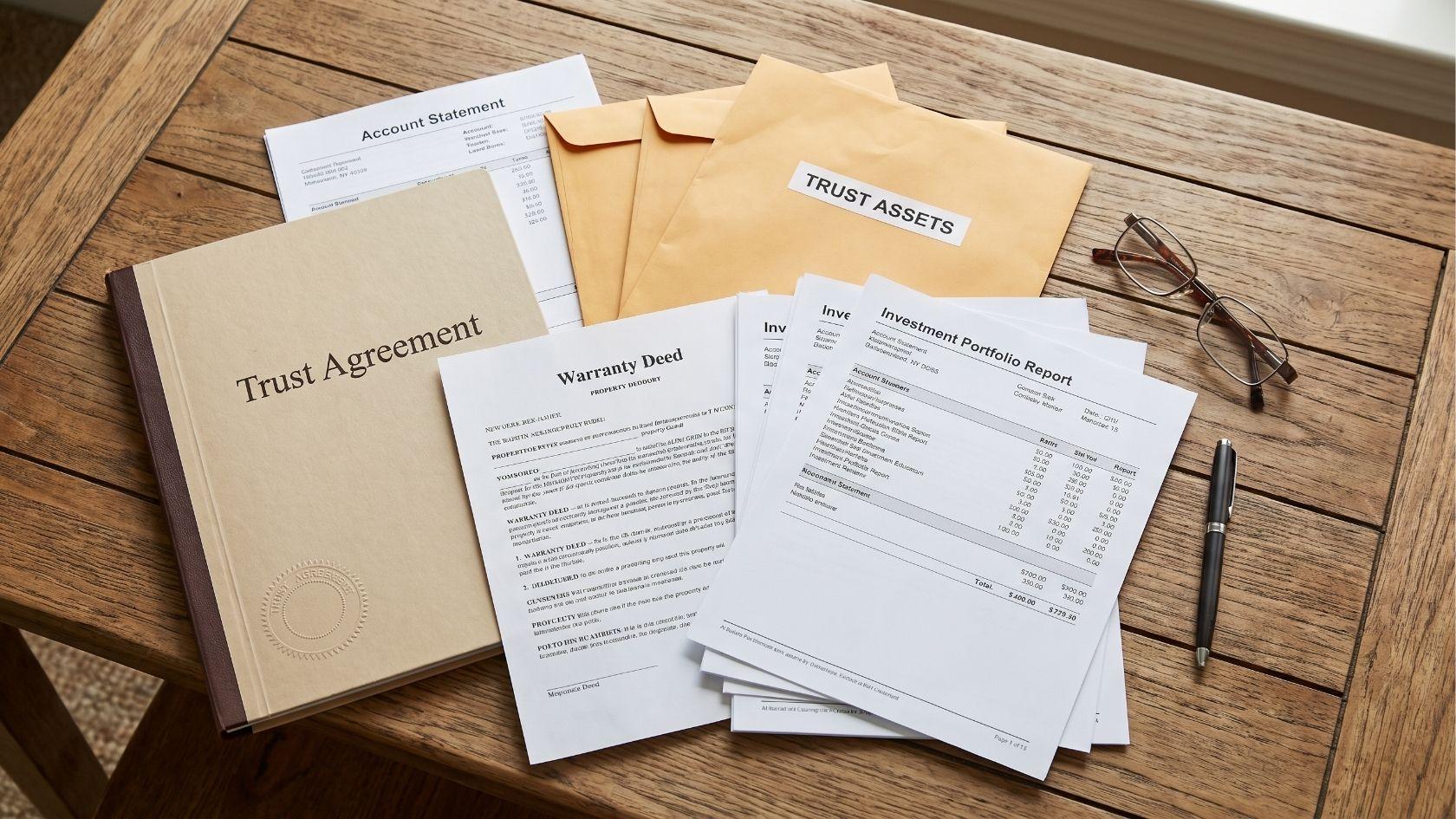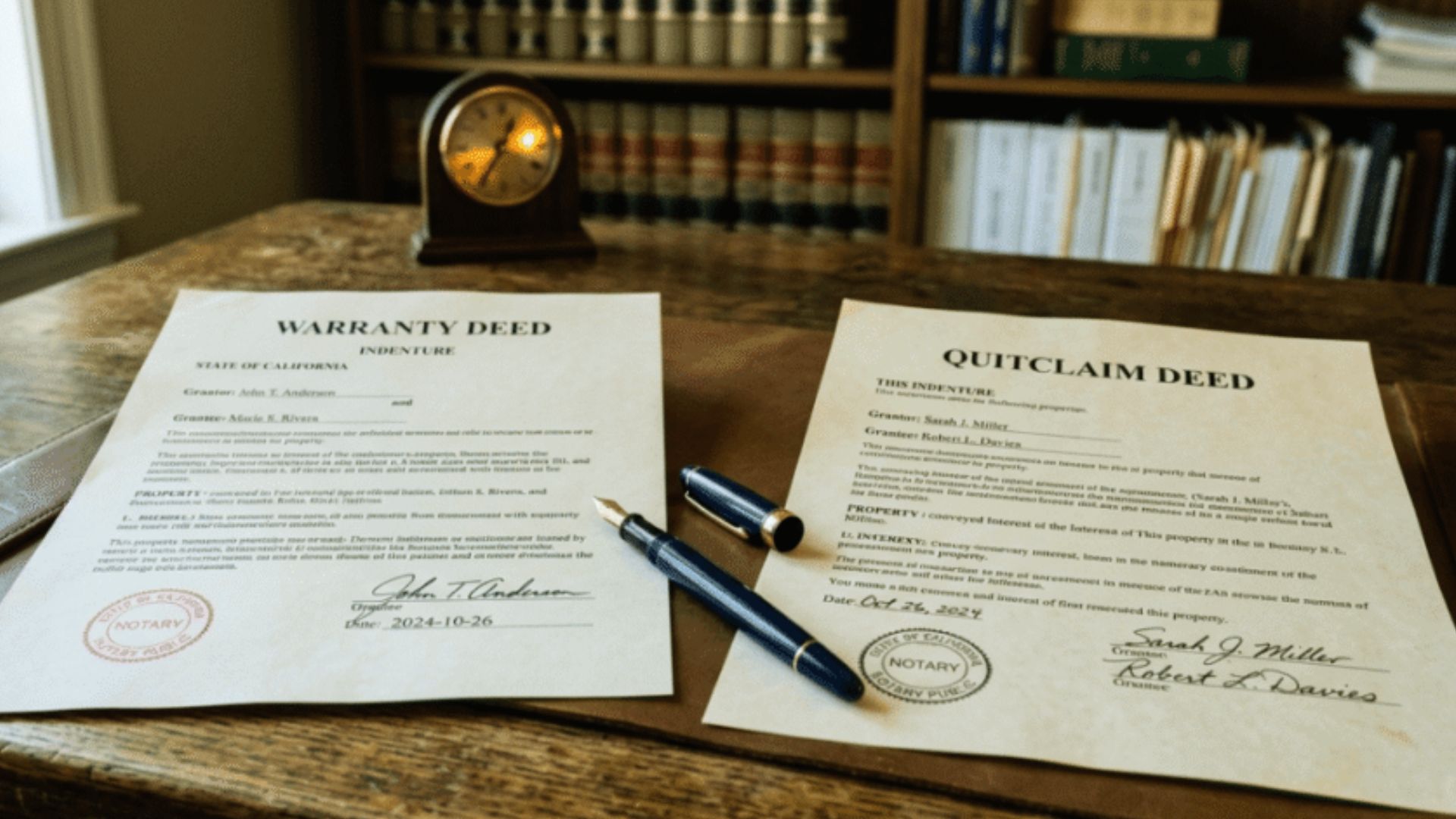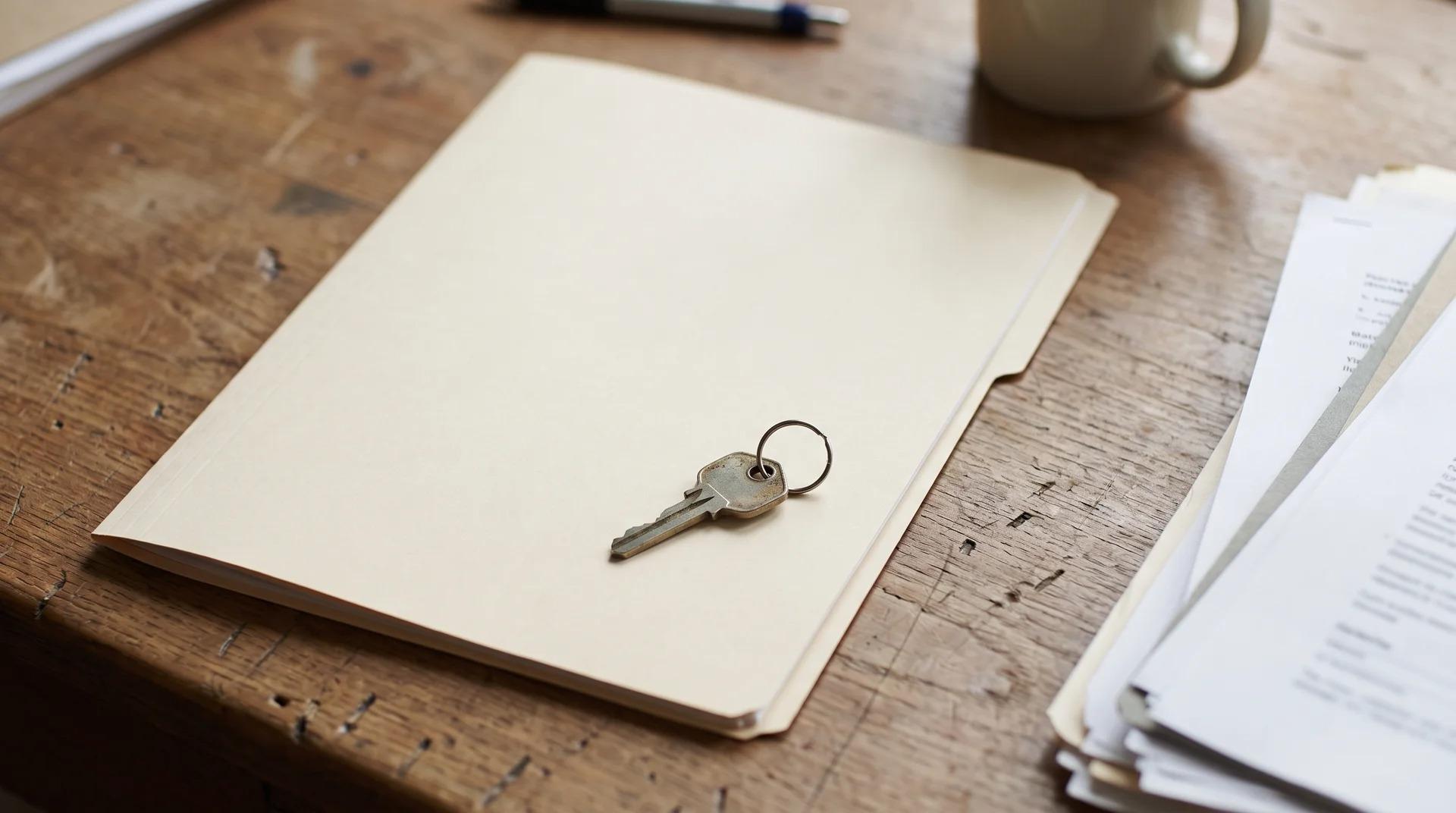


Paying property taxes does not make you the legal owner of a property. Ownership comes from a deed, title records, inheritance, a court order, or a valid sale, a tax receipt is none of these.
This guide explains what paying property taxes really means, the narrow cases where it may support an ownership claim, and when it does not.
It also covers abandoned properties, someone else's property, adverse possession, and the documents that actually prove ownership, so you can understand your rights and avoid costly mistakes.
Does Paying Property Tax Give Ownership?

The short answer is no. Paying property taxes alone does not automatically make you the legal owner of a property.
While paying taxes shows that someone has contributed toward the property's tax obligations, it does not transfer ownership or create legal title.
However, paying property taxes may become an important factor in certain legal situations, such as adverse possession claims or title disputes, depending on state laws.
Understanding the difference between paying taxes and owning property can help you avoid legal misunderstandings and make informed decisions about your rights.
Why Paying Property Taxes Does Not Automatically Transfer Ownership

Many people assume that paying property taxes gives them legal ownership, but that's not how property law works.
Property Taxes Are a Legal Obligation
Property taxes help fund local services like schools, roads, and emergency services. Paying these taxes keeps the account current, but it does not give the person making the payment any ownership rights over the property.
Ownership Is Proven by Title and Deeds
A property's deed and title records identify the legal owner. Courts and government agencies recognize these records, unlike tax payment receipts, as proof of who legally owns the property.
Tax Records and Ownership Records Are Different
Tax records track who paid the property taxes, while ownership records show who legally owns the property. In some cases, these records may list different names because someone other than the owner paid the taxes.
Why Governments Still Accept Tax Payments from Non-Owners
Local tax authorities generally accept property tax payments from anyone because their goal is to collect unpaid taxes, not determine ownership. Accepting a payment does not change the property's legal owner or transfer ownership rights to the person who paid.
When Can Paying Property Taxes Support an Ownership Claim?

Although paying property taxes does not automatically make you the owner, it can strengthen an ownership claim in certain legal situations.
Courts usually look at several pieces of evidence together, and tax payments may be one of them. Whether they help depends on the facts of the case and the property laws in your state.
During an Adverse Possession Claim
In some states, paying property taxes is a required element of an adverse possession claim, not just supporting evidence.
California requires five years of tax payments with color of title, and Texas offers a five-year shortcut when tax payments and color of title are present.
Even then, tax payments alone are never enough. The person must also occupy the property openly, continuously, and without the owner's permission for the required period.
In Boundary or Property Line Disputes
Property tax records may support your position if they match surveys, deeds, and other ownership documents.
While they rarely decide a boundary dispute on their own, they can help show how a property has been treated or maintained over time.
When Resolving Title Defects
If there are errors or gaps in a property's ownership history, consistent payment of property taxes may serve as supporting evidence that someone believed they had ownership rights.
Courts usually consider this alongside title records and other legal documents.
As Supporting Evidence in Court
Judges often review multiple types of evidence when deciding property disputes. Property tax payments can help demonstrate a person's connection to the property, but they are only one factor.
Deeds, title records, contracts, surveys, and witness testimony generally carry greater weight when determining legal ownership.
Does Paying Property Taxes on Someone Else's Property Give You Ownership?
Paying property taxes on someone else's property can be confusing, but in most cases, it does not give you legal ownership.
Paying Taxes Without Permission
If you pay property taxes on someone else's property without their permission, you generally do not gain any ownership rights.
The payment simply reduces or satisfies the property's tax obligation and does not transfer the title to you.
Paying Taxes with the Owner's Knowledge
Even if the property owner knows you are paying the taxes or allows you to do so, ownership usually remains with the legal owner.
Unless there is a valid written agreement or another legal transfer of ownership, paying the taxes does not change who owns the property.
Paying Taxes by Mistake
Mistakenly paying taxes on the wrong property does not make you the owner. If this happens, contact the local tax office as soon as possible.
Depending on the circumstances and local rules, you may be able to correct the error or request a refund.
Can You Be Reimbursed for the Taxes You Paid?
In some situations, you may be able to recover the money you paid, especially if the payment was made by mistake or under an agreement with the property owner.
The rules vary by jurisdiction, so it's important to keep proof of payment and seek legal advice if reimbursement becomes a dispute.
Tax Lien vs. Tax Deed vs. Paying Property Taxes
Although these terms are related, they have very different legal meanings. Understanding the difference can help clear up the common myth that simply paying someone else's property taxes gives you ownership rights.
- Tax Lien: A tax lien is a legal claim placed on a property when the owner fails to pay property taxes. It does not transfer ownership to the person who pays the taxes or purchases the lien.
- Tax Deed: A tax deed transfers ownership of a property after a tax deed sale, provided all legal requirements have been met. This is one of the few situations where unpaid property taxes can eventually lead to a change in ownership.
- Paying Property Taxes: Simply paying property taxes on someone else's property does not make you the legal owner. Ownership in this case can only change hands through a valid deed, court order, inheritance, or other recognized legal process.
What Documents Actually Prove Property Ownership?
Several legal documents can establish or confirm who owns a property, and they carry much more weight than property tax payment records.
- Property Deed: A deed is the primary legal document that transfers ownership from one person to another and identifies the property's legal owner.
- Title Records: Title records show the history of ownership, liens, easements, and other legal interests connected to the property.
- Closing Documents: Documents signed during a real estate closing, including the settlement statement and transfer paperwork, help verify a lawful ownership transfer.
- Court Orders: A court may establish or transfer ownership through judgments in cases involving probate, divorce, foreclosure, or property disputes.
- Probate Records: When property is inherited, probate records document the legal transfer of ownership from the deceased person's estate to the rightful heirs.
Does Paying Property Taxes on an Abandoned Property Give You Ownership?
Many people believe that paying property taxes on an abandoned property can automatically make them the owner, but in most cases this is not true. Even if a property looks vacant, neglected, or unused, it usually still has a legal owner who holds the title.
Paying taxes only fulfills a financial obligation to the local government and does not replace a deed, title transfer, or court order. However, in limited situations, tax payments may support a legal claim when combined with other strict requirements under state law.
For example, in some cases involving adverse possession, paying taxes along with openly, continuously, and exclusively occupying the property without permission for a required number of years may strengthen a claim.
Still, laws vary widely by state, and some place more emphasis on possession than tax payments. Therefore, understanding local property laws is essential before assuming any ownership rights.
What Is Adverse Possession?
Adverse possession is a legal principle that may allow someone to become the owner of a property after occupying it for a specific period under certain conditions.
It does not happen automatically, and simply paying property taxes is rarely enough. Every state has its own rules, and anyone claiming ownership through adverse possession must meet strict legal requirements before a court will recognize the claim.
How Adverse Possession Works
Adverse possession generally requires a person to occupy a property openly, continuously, and without the legal owner's permission for a certain number of years.
The occupation must be obvious enough that the true owner has an opportunity to notice and take action.
Common Legal Requirements
While the exact rules differ by state, most adverse possession claims require possession that is:
- Actual: the person is physically using the property
- Open: the use is visible, not hidden
- Notorious: the use is obvious enough that the true owner could reasonably notice it
- Exclusive: the person is not sharing possession with the owner or the public
- Continuous: the occupation persists without significant interruption for the required period
- Hostile: the property is occupied without the owner's permission
Missing even one requirement can prevent a successful claim.
Why Paying Property Taxes May Be Required in Some States
Some states require the person claiming adverse possession to pay property taxes throughout the occupancy period.
In California, courts require proof through certified tax-collector records that payments were made timely and continuously across the full statutory period.
These payments strengthen a claim, but they are only one part of the legal test. Without the other required elements, paying taxes alone does not create ownership.
Situations Where an Adverse Possession Claim Fails
An adverse possession claim may fail if:
- The owner gave permission to use the property
- The required occupancy period was interrupted
- Property taxes were not paid where required
- The claimant cannot prove the legal elements of adverse possession
Courts carefully examine the evidence before transferring ownership.
Other Ways Property Ownership Can Be Transferred
Paying property taxes is not the primary way to become a property owner. In most cases, ownership is transferred through legally recognized methods that create a clear record of who owns the property.
- Buying the Property: Ownership is transferred through a sale, deed signing, and official recording with local authorities.
- Receiving Property Through Inheritance: Property passes to heirs via a will, trust, or inheritance laws, often through probate.
- Gifts and Property Transfers: A legal deed is signed and recorded when an owner voluntarily transfers property without payment.
- Court Orders: Courts may assign ownership during divorce, probate, foreclosure, or other legal disputes.
- Quiet Title Actions: A court process that clears ownership disputes and confirms legal title to the rightful owner.
Conclusion
Paying property taxes keeps an account current, but it does not hand you a deed.
Real ownership rests on title records, and taxes matter only as one strict element of an adverse possession claim in certain states.
Before acting on any vacant or disputed property, check your state statute and confirm the facts with a local attorney.
Frequently Asked Questions
Can someone else pay my property taxes?
Yes. In many places, another person can pay your property taxes, but doing so does not transfer ownership or give them legal rights to your property.
Is paying property tax proof that I own a property?
No. Property tax receipts show that taxes were paid, but they do not prove legal ownership. Official ownership records are found in deeds and title documents.
What should I do if I accidentally paid taxes on the wrong property?
Contact your local tax office as soon as possible to report the mistake. Keep your payment records, as they may help if you need a correction or refund.