
If I’m on the Deed but Not the Mortgage: Hidden Risks

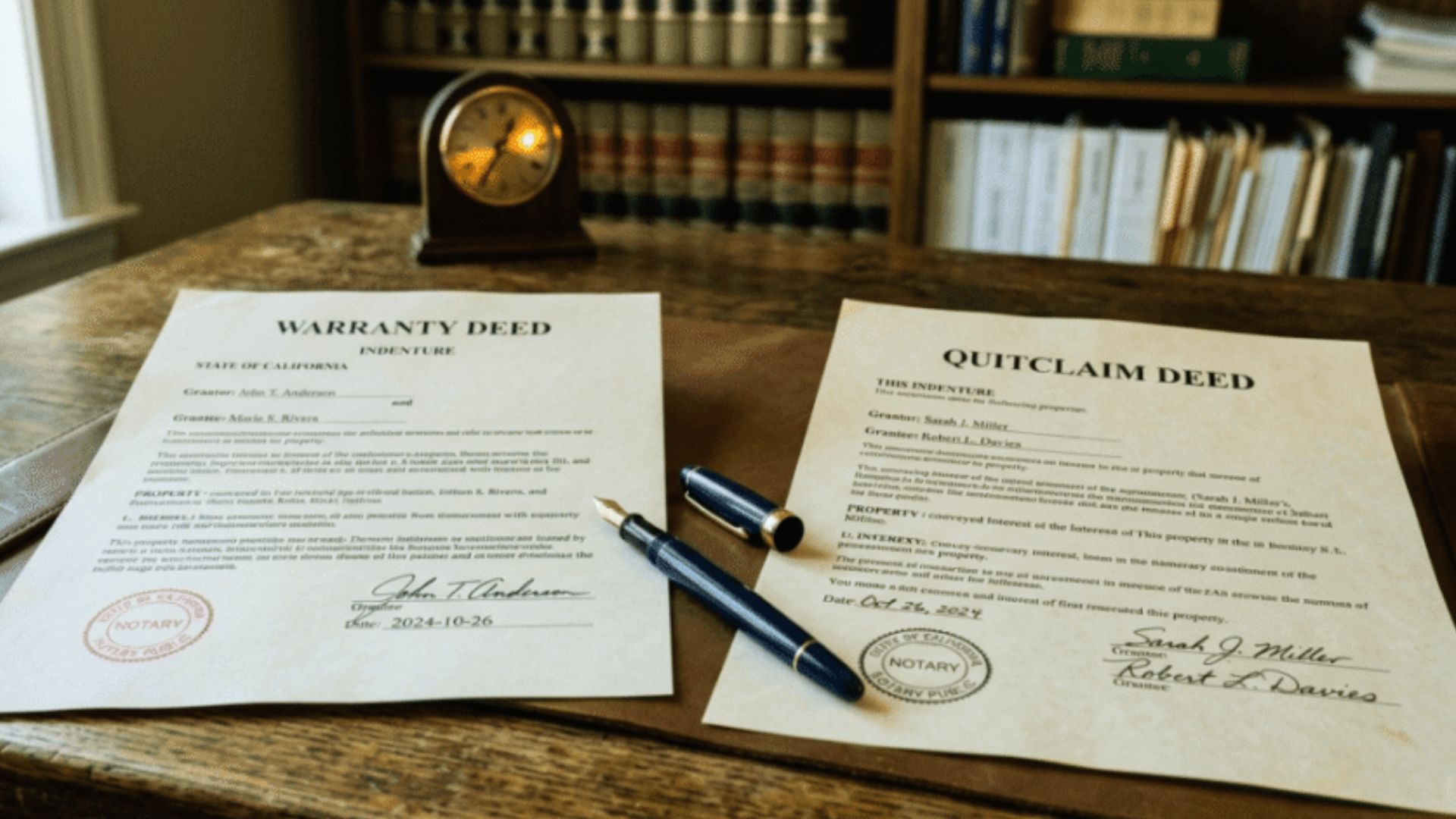
Property deed and mortgage documents showing different ownership and loan responsibilities.
Table of Content

Being on the deed but not the mortgage can feel confusing. You own the home, but your name is not on the loan. So what does that actually mean for you?

This article walks through exactly what rights you have, what risks you face, and what happens if things go wrong.

This guide explains current U.S. property ownership and mortgage rules in plain language to help homeowners understand their rights and responsibilities.

Since property laws vary by state, always consult your lender or a qualified real estate attorney for advice specific to your situation.

You will learn about ownership, foreclosure, selling your share, and how life events like divorce or death can change things.

Difference Between a Deed and a Mortgage

 Two person discussion of mortgage vs deed.

A deed proves ownership, while a mortgage is just the loan used to pay for the home.

A deed and a mortgage are two very different legal documents. The deed is the paper that shows who legally owns the property.

If your name is on the deed, you are an owner. Period.

The mortgage, on the other hand, is a loan agreement. It only involves the people who borrowed money to buy the home.

If your name is not on the mortgage, you have no legal duty to repay that loan.

This is why people get confused. They think ownership and loan responsibility are the same thing. They are not. You can fully own a home and never owe a single dollar on its mortgage.

If I’m on the Deed but Not the Mortgage, Do I Own the Property?

 Homeowner holding a property deed without being listed on the mortgage.

Yes, being on the deed means you are a legal owner, no matter who pays the loan.

Legal Ownership Explained

Your ownership rights come from the recorded deed rather than the mortgage agreement.

As long as your name appears on the deed, you have a legal ownership interest in the property, even if you never signed the loan documents.

This ownership becomes official once the deed is recorded with the county recorder’s office. Recording puts your name on public record as a legal owner.

It also protects your interest against future disputes, since anyone searching property records can see who holds title.

Keep in mind that property laws are not the same everywhere. Some states use community property rules, while others follow common law ownership standards.

These differences can affect how ownership is shared, transferred, or divided during a sale, divorce, or inheritance.

Checking your state’s specific rules, or asking a real estate attorney, can help you understand exactly where you stand.

Your Ownership Rights as a Deed Holder

As a deed holder, you get real rights over the home. You can live there, benefit from its rising value, and weigh in on decisions.

Your name missing from the loan does not weaken this.

How Joint Tenancy and Tenants in Common Affect Your Rights

How you hold the deed matters too. Joint tenants share equal ownership with rights of survivorship.

Tenants in common may each own a set share, which changes how a sale or transfer works.

What Rights Do I Have If I’m on the Deed but Not the Mortgage?

Rights of a property owner whose name is on the deed but not the mortgage.

You still get to live in the home, build equity, and have a voice in major decisions. Your rights as a deed holder include:

  • Right to live in the home: Nobody can force you out simply because your name is missing from the loan. Your deed protects that right.
  • Right to build equity: You build equity over time as the home’s value grows or the loan balance drops, regardless of who signed the mortgage.
  • Right to sell or transfer your ownership share: Depending on the deed setup, you may need permission from other owners first, but that share of the home is legally yours.
  • Right to participate in major property decisions: This covers things like major renovations, refinancing, or selling the home. Other parties usually cannot make these moves without you.

Am I Responsible for the Mortgage Payments?

Difference between mortgage responsibility and property ownership.

No, you are not personally responsible for the loan unless your name is on the mortgage.

Personal Liability vs. Property Ownership

Personal Liability Property Ownership
Tied to who signed the mortgage Tied to who is named on the deed
Means you owe the loan amount Means you legally own the home
Only applies to borrowers on the loan Applies to anyone on the deed
Can lead to being sued for missed payments Does not create any debt on its own

What Happens if the Borrower Stops Paying

If the borrower stops paying, the lender can still take action against the property itself. That means foreclosure is possible.

Even though you carry no personal debt on the loan.

Can the Lender Sue Me?

Generally, no. Lenders can only go after the people who actually signed the loan documents. Your name on the deed alone does not make you personally liable for missed payments.

It helps to understand the difference between the mortgage and the promissory note. The mortgage is the agreement that puts the home up as collateral for the loan.

The promissory note is the actual promise to repay the money. If you did not sign the note, you carry no personal obligation to pay it back, no matter what the deed says.

That said, lenders can still pursue foreclosure against the property itself if payments stop. This means the home could be at risk even though you face no personal lawsuit over the debt.

Foreclosure rules and lender rights also vary by state.

So it is worth checking local laws or speaking with an attorney if you are worried about how a default might affect your ownership share.

What Happens If the Home Goes Into Foreclosure?

Foreclosure affecting homeowners listed on the property deed.

Foreclosure can still cost you the home, even if you never signed the mortgage.

How Foreclosure Affects Deed-Only Owners

Foreclosure targets the property itself, not just the person who signed the loan. So even as a deed-only owner.

You can lose the home if payments stop and the lender moves forward.

Can You Prevent Foreclosure?

You can try to prevent foreclosure by staying informed and acting early. This might mean talking to the lender, helping cover payments, or working out a repayment plan together.

Reaching out to the lender as soon as payments become a problem gives you more options.

Many lenders offer loan modification programs that adjust the interest rate or loan term to make payments more manageable.

Forbearance is another option, allowing the borrower to pause or reduce payments for a set period during financial hardship.

If payments have already been missed, a repayment plan can spread the missed amount across future months instead of demanding it all at once.

Reinstatement is also possible in some cases, where the borrower pays the full past-due amount to bring the loan current and stop the foreclosure process.

Acting quickly and keeping communication open with the lender gives everyone on the deed a better chance of protecting the home.

What Happens to Your Ownership Interest?

If foreclosure does happen, your ownership interest gets wiped out along with everyone else’s.

The lender takes the home to recover the debt, no matter whose name sits on the deed.

Any equity that existed above the loan balance is typically returned to the owners of record after the sale, though this varies by state and by whether other liens exist on the property.

Can I Sell the Property If I’m Not on the Mortgage?

Property owners discussing the sale of a jointly owned home.

Yes, but selling usually requires cooperation from any other owners on the deed.

Selling With Other Owners

If more than one person is on the deed, selling the home usually needs everyone’s agreement.

You cannot force a full sale on your own if others share ownership with you.

Can You Sell Only Your Share?

In some cases, you can sell just your own share of the property. This depends heavily on your state’s laws and how the ownership is structured on the original deed.

If the other owners will not agree to sell, one option is a partition action.

This is a legal process where a court steps in to divide the property or order its sale, then splits the proceeds among the owners based on their share.

Partition actions can take time and often involve legal fees, so most owners try to avoid them if possible.

Selling only a partial share also comes with practical limits.

Finding a buyer willing to purchase a fraction of a jointly owned home is difficult, since that buyer would become a co-owner with people they do not know.

Because of these challenges, along with state law restrictions on how shares can be divided or sold, working out an agreement with the other owners is usually the simpler path.

How Sale Proceeds Are Distributed

When a sale happens, the mortgage gets paid off first from the proceeds.

Whatever money remains gets split between the owners, based on each person’s share of ownership.

How Divorce, Separation, or Death Affects Your Rights

Divorce affecting property ownership rights.

Big life changes like divorce or death can shift who controls the property. During a divorce or breakup, courts may decide how the property gets divided, even if only one name sits on the mortgage. If the mortgage holder passes away, the loan does not simply disappear, someone still needs to keep making payments, or the property could eventually face foreclosure.

Estate Planning Considerations

This is where estate planning becomes important. Clear wills, trusts, or written agreements can prevent confusion and protect your ownership rights if something unexpected happens.

  • A will lets you state exactly who should inherit your share of the property after you pass away.
  • A trust can offer more control, allowing the property to pass to beneficiaries without going through probate court, which can save time and reduce costs for your family.
  • A transfer-on-death deed, available in some states, allows ownership to pass directly to a named beneficiary without probate a simpler and more affordable option than setting up a full trust.

Naming beneficiaries clearly, and reviewing these documents after major life events like marriage or divorce, helps make sure your share of the home goes to the right person without unnecessary delays or disputes.

Benefits of Being on the Deed but Not the Mortgage

Benefits of owning a home without being responsible for the mortgage.

Because you did not sign the loan agreement, the mortgage generally does not appear as your personal debt, which creates several practical advantages.

Financial Benefits

  • A lower debt-to-income ratio: Since lenders typically only count debts that carry your name, this can help you qualify for other credit, like an auto loan or a credit card.
  • Equity without the loan obligation: You build equity as the home’s value rises over time, even though you carry no loan obligation. This equity is yours to keep, sell, or pass down, just like any other owner. If the property appreciates in a strong market, your share of that growth increases as well.
  • Homestead exemption protections: In many states, this can lower your property tax bill or shield a portion of the home’s value from certain creditors, tied to occupancy and deed status rather than the mortgage.

Legal and Ownership Benefits

  • Inheritance rights and real decision-making power: You are not a silent participant. Major decisions about the home still require your input, giving you meaningful control over an asset that grows in value while someone else carries the loan.
  • Capital gains exclusion eligibility: If you live in the home and meet the ownership and use tests under IRS Section 121, being on the deed can help you qualify for the capital gains exclusion on profit from a future sale, up to $250,000 for a single filer or $500,000 for a married couple filing jointly. This is separate from mortgage interest deductions, which generally only apply to the person who actually pays the loan.
  • Standing to act: Having your name recorded on the deed lets you request records from the county recorder’s office, get notified of major filings against the property, and take legal steps to protect your share if a dispute comes up.

Risks of Being on the Deed but Not the Mortgage

Risks faced by deed owners who are not listed on the mortgage.

You still face real risks, even without your name on the loan.

You have limited control over how the loan is managed, since you never signed it. Certain tax deductions tied to mortgage interest may not apply to you either.

This setup can lead to disputes among owners, especially without clear agreements in place. Estate planning can also get tricky if ownership is not documented properly ahead of time.

Common Situations Where This Happens

Common situations where someone is on the deed but not the mortgage.

This setup shows up more often than people expect, in many family situations:

  • Married couples sometimes do this for credit or tax reasons.
  • Unmarried partners often use this setup when only one person qualifies for the loan.
  • Parents and adult children may share a deed while only one person handles the mortgage.
  • Inherited property often ends up this way too, especially when a loan is not fully paid off.
  • Family property transfers can also create this exact situation, especially when passing down a home over time.

Tips to Protect Your Ownership Rights

A few smart steps can protect your ownership down the road, and skipping them is where most owners run into trouble.

  • Create a written co-ownership agreement. Relying on a verbal understanding instead is hard to enforce and a common source of disputes later.
  • Monitor mortgage payments regularly. Ignoring the mortgage holder’s payment status means you could be caught off guard by a foreclosure notice.
  • Review your deed and ownership structure to confirm exactly how your share is set up, rather than assuming you know how it’s titled.
  • Keep estate planning documents updated, especially after major life changes like marriage, divorce, or death.
  • Consult a real estate attorney before making any major decisions about the property.

Why Acting Early Matters

Taking these steps early does more than avoid mistakes. Written agreements, updated estate plans, and regular check-ins on mortgage payments all work together to protect your legal standing as an owner.

Without this kind of planning, disagreements between co-owners can turn into drawn-out legal battles that cost far more than a simple conversation or document would have.

Staying proactive also reduces your exposure to foreclosure risk. Catching a missed payment early, or knowing your rights before a dispute arises, puts you in a much stronger position than reacting after a problem has already grown.

Common Mistakes to Avoid

Small oversights here can lead to big problems later.

  • Assuming ownership protects you from foreclosure, when it actually does not.
  • Not verifying how the deed is titled, which can affect your rights later.
  • Ignoring the mortgage holder’s payment status, even when you are not responsible for the loan.
  • Relying on verbal agreements instead of putting things in writing.
  • Forgetting to update estate plans after life changes like marriage, divorce, or death.

Conclusion

Being on the deed but not the mortgage can feel confusing at first.

Understanding the difference between property ownership and mortgage liability can help you make informed decisions and avoid costly legal mistakes.

Frequently Asked Questions

Can I add my name to the deed without going on the mortgage?

Yes. A current owner can add you to the deed through a quitclaim or grant deed at any time. This does not require lender approval, since it changes ownership, not who owes the loan.

Does removing my name from the deed also remove me from the mortgage?

No. These are separate documents.

If your name stays on the mortgage after you are removed from the deed, you can still owe the debt until the loan is refinanced, paid off, or the lender releases you in writing.

Will a lender let someone take over an existing loan instead of refinancing?

In some cases, yes. This is called a loan assumption.

It is more common with FHA and VA loans, and it lets a new borrower take over the existing rate and terms instead of applying for a new mortgage.

Do I need title insurance if I’m added to a deed later?

It is worth checking. Title insurance protects against past ownership claims or liens.

If you are added to a deed after the original purchase, you may not be covered by the original policy, so a new or updated policy can be worth the cost.

Can I be removed from the deed against my will?

No. Since you are a legal owner, your ownership interest cannot be transferred or removed without your signature, a court order, or a legal process like a partition action.

Leave a Reply

Your email address will not be published. Required fields are marked *

Table of Content

Share Now

Latest Posts