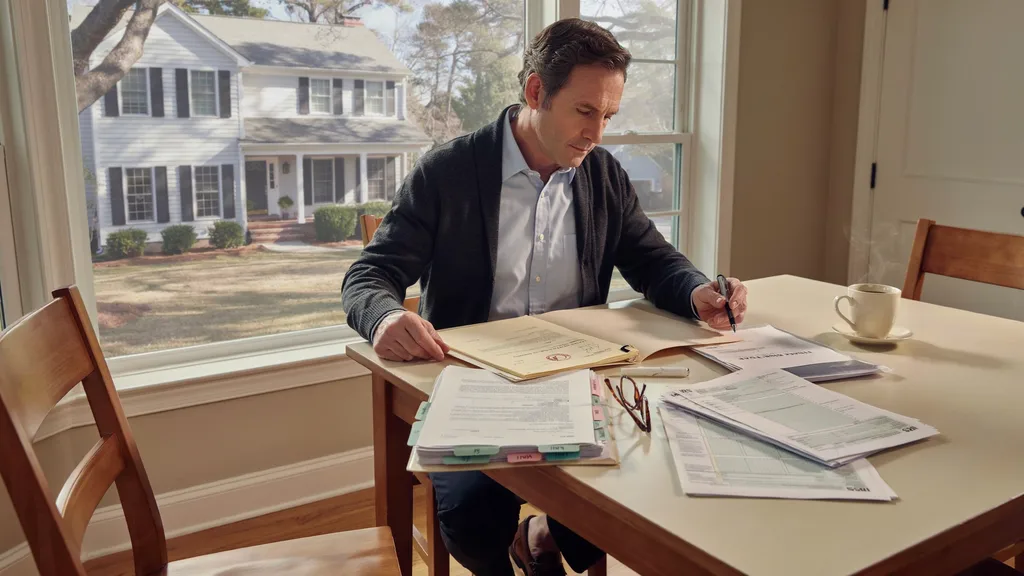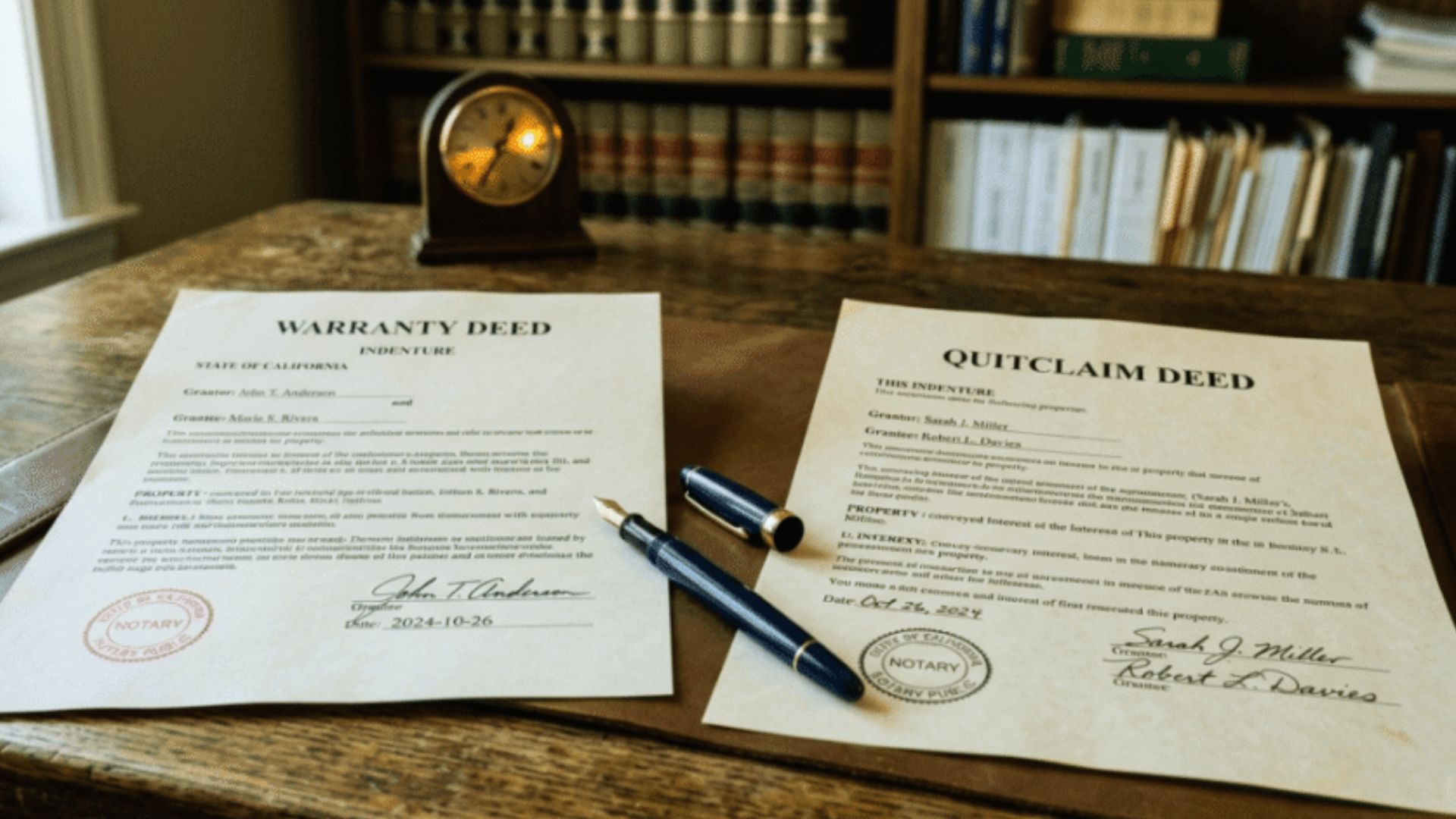


Inheriting a house sounds like good news. But when there’s a mortgage attached, it gets complicated fast.
I’ve seen this situation catch families off guard, right in the middle of grief. This guide breaks down what happens to the mortgage, what your rights are, and what options you have.
No legal jargon. No fluff. Just clear answers.Over a decade of researching real estate and personal finance topics backs everything you’ll read here.
You’ll learn your legal rights as an heir, steps to take right away, and all your options including keeping, selling, renting, or refinancing the property.
Understanding What It Means to Inherit a House With a Mortgage

Inheriting a home with a mortgage means the loan doesn’t disappear with the previous owner. The debt follows the property.
You step into a situation where you now have an asset, and a liability attached to it. The home has value, but so does the outstanding loan. Understanding this balance is the first step.
You’re not automatically responsible for the debt in a personal sense, but you do need to decide what happens next with the property and the payments.
What Happens to the Mortgage After You Inherit the Property?

The mortgage doesn’t vanish when someone passes. Here’s what actually happens next.
Does the Mortgage Become Due Immediately?
Most people assume the lender will demand full repayment right away. That’s usually not the case. Federal law gives heirs real protection here.
Due-on-sale clause: This lets lenders demand full repayment if the property changes hands. Inheriting a home could trigger it, but federal law makes a specific exception for heirs.
Federal protections for heirs: The Garn-St. Germain Act stops lenders from calling the loan due just because you inherited. This covers spouses, children, and other heirs who receive the home through a will.
When lenders can demand repayment: If no one continues making payments or the property sits vacant, the lender can move toward foreclosure. Staying in contact early protects you.
Your Legal Rights as an Heir
As an heir, you have more legal standing than most people realize. Federal rules are on your side.
Federal mortgage servicing rules: The Consumer Financial Protection Bureau requires lenders to communicate with you, share loan information, and give you time to sort out your options.
Assumption rights: In most cases, you can take over the existing mortgage under its current terms. Some loans require lender approval, while VA or FHA loans have specific assumption rules.
Probate and title transfer basics: The property has to go through probate first. Once the title transfers to your name, you can sell, refinance, or keep the home.
Immediate Steps to Take
Acting quickly protects your options. Here’s what to do first.
- Notify the mortgage lender, call the lender right away, let them know the borrower has passed, and ask for their loss mitigation department. Getting on record early stops unnecessary fees.
- Continuing payments during probate can take months. Keep making payments during that time to avoid late fees or foreclosure.
- Review loan documents. Get a copy of the original mortgage. Check the interest rate, remaining balance, and loan type before making any decisions.
- Obtain property valuation Get a professional appraisal to know what the home is worth relative to what’s owed.
Your Options After Inheriting a House With a Mortgage

You have real choices here. None of them are one-size-fits-all.
Option 1: Assume the Existing Mortgage
Taking over the loan means keeping the home on its current terms.
How assumption works: You formally take over the mortgage in your name. The loan balance, rate, and terms stay the same, and you become the legal borrower going forward.
Benefits and drawbacks: The main benefit is keeping a potentially low interest rate. The drawback is that terms don’t change. Run the numbers before committing.
When lender approval is required: Conventional loans usually require lender sign-off. FHA and VA loans have set assumption rules. Always contact the lender directly for specific requirements.
Option 2: Sell the Property
Selling can be the cleanest solution, especially when keeping the home isn’t practical.
Paying off the remaining balance: When you sell, the proceeds first go toward the mortgage. If the home sells for more than the loan balance, you walk away with equity.
Handling excess equity: Any amount above the payoff balance and closing costs can be split among heirs. Make sure all heirs agree before listing to avoid legal delays.
What happens if the home is underwater: If the home is worth less than what’s owed, you may need to negotiate a short sale. The lender agrees to accept less than the full loan amount, avoiding foreclosure.
Option 3: Refinance the Loan
Refinancing replaces the old loan with a new one in your name and on your terms.
When refinancing makes sense: If you plan to keep the home long-term and can qualify, refinancing gives you a fresh start with terms suited to your financial situation.
Credit and income requirements: Lenders will evaluate your credit score, income, and debt levels. A strong financial profile can get you a lower rate or more manageable monthly payment.
Adjusting loan terms: You can choose a shorter or longer loan length based on your budget. A shorter term means higher payments but less interest. A longer term lowers monthly costs but increases total interest paid.
Option 4: Rent the Property
Holding the property as a rental keeps your options open while generating income.
Covering mortgage payments with rental income: If rental income covers the mortgage, taxes, and maintenance, renting can work well. Run a cash flow analysis first and factor in vacancy periods and repairs.
Landlord responsibilities: Renting means handling tenant screening, lease agreements, and repairs. If you’re not ready to manage actively, hiring a property manager is worth the cost.
Tax implications: Rental income is taxable, but you can deduct mortgage interest, depreciation, and repairs. Inheriting also gives you a stepped-up cost basis, which can reduce capital gains tax later. Talk to a tax professional first.
Special Situations to Consider

Some inheritances come with extra layers. Here’s what to know.
Reverse mortgages The loan balance grows over time and becomes due when the borrower passes. As an heir, you typically have around six months to sell, refinance, or pay off the balance.
Multiple heirs When more than one person inherits, decisions require agreement from everyone. If heirs can’t agree, a court can force a sale through a partition lawsuit.
Estate buyouts If one heir wants to keep the home, they can pay the others for their share of the equity. This usually requires refinancing and a professional appraisal to agree on a fair value.
Conclusion
Inheriting a home is a lot to handle, especially when a mortgage comes with it. I know how overwhelming it can feel when you’re also grieving and trying to make smart financial decisions at the same time.
But here’s what I want you to take away: you have options, and you have rights. Take it one step at a time. Notify the lender, understand what you owe, and then decide what works best for your life.
If this guide helped you, drop a comment below, I’d love to hear your situation. And share this with anyone who might need it.
Frequently Asked Questions
Do I have to pay off the mortgage right away when I inherit a house?
No. Federal law protects heirs from having the full loan called due immediately. You have time to sell, assume, or refinance without the lender demanding full repayment upfront.
Can I just walk away from an inherited house with a mortgage?
Yes, by disclaiming the inheritance. You give up any claim to the property and the debt. Talk to an estate attorney before making this call.
What if the house is worth less than the mortgage balance?
Selling may require a short sale or the estate may let the lender foreclose. You’re generally not personally responsible for the difference unless you assumed the loan.
Do I need to go through probate to take ownership?
In most cases, yes. Some states allow simplified processes for smaller estates. Joint ownership with the right of survivorship can also bypass probate entirely.
What happens if multiple heirs inherit the same house?
All heirs share ownership and major decisions require agreement from everyone. If heirs disagree, a court can get involved and force a sale.