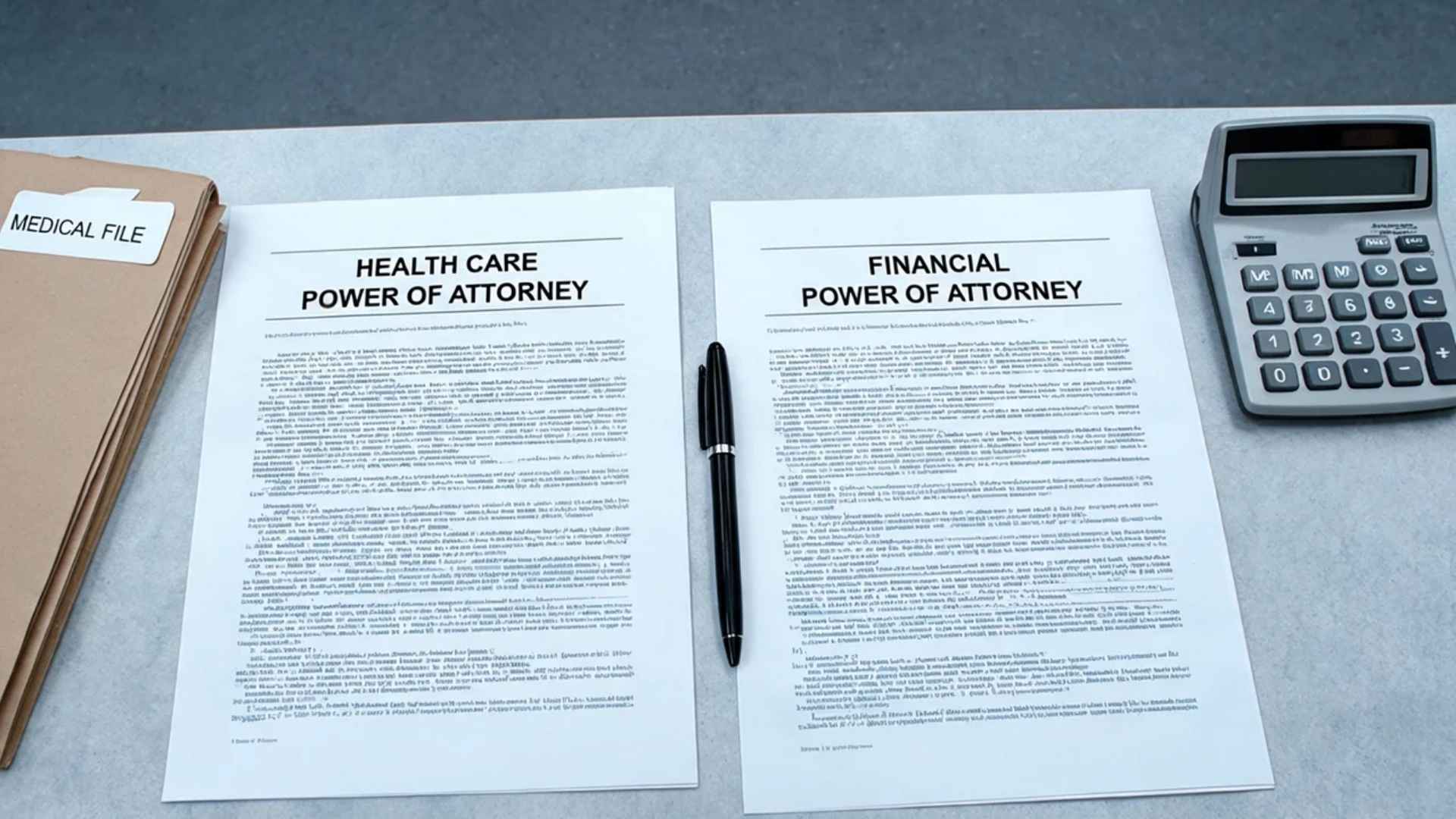


Your name is on the deed. The keys are in your pocket. Yet a utility crew can still walk across your backyard, and you can’t sell without your lender’s okay. That’s not a loophole. It’s how ownership has always worked.
When you buy land, you don’t get one single right. You get the bundle of property rights, a set of separate legal entitlements.
Each one can be split, shared, or handed off on its own. Some may already belong to someone else before you sign.
Knowing which ones you actually hold, and who holds the rest, separates a clean closing from a costly surprise.
Disclaimer: This article is for general information only and is not legal advice. Property laws vary by state and county. Talk to a licensed real estate attorney or title professional before you buy, sell, or sign anything.
What is the Bundle of Property Rights?
When you buy a property, you don’t receive one single right; you receive a collection of separate legal entitlements that come with the title. That collection is called the bundle of rights in real estate.
Think of it as a bundle of sticks. Each stick is a distinct privilege. You can hold all of them, or some of them can sit with someone else entirely. A lender, a tenant, or a prior agreement can each hold a stick without breaking your ownership.
This matters because title and possession aren’t the same thing. You can own a title without living on the land. Someone can occupy a property without holding the full bundle. Ownership, in law, means which sticks you hold not simply whether your name is on the deed.
Each stick can be transferred, shared, or removed on its own. That separability is what the rest of this guide is built on.
What are the Five Rights in the Bundle of Property Rights?
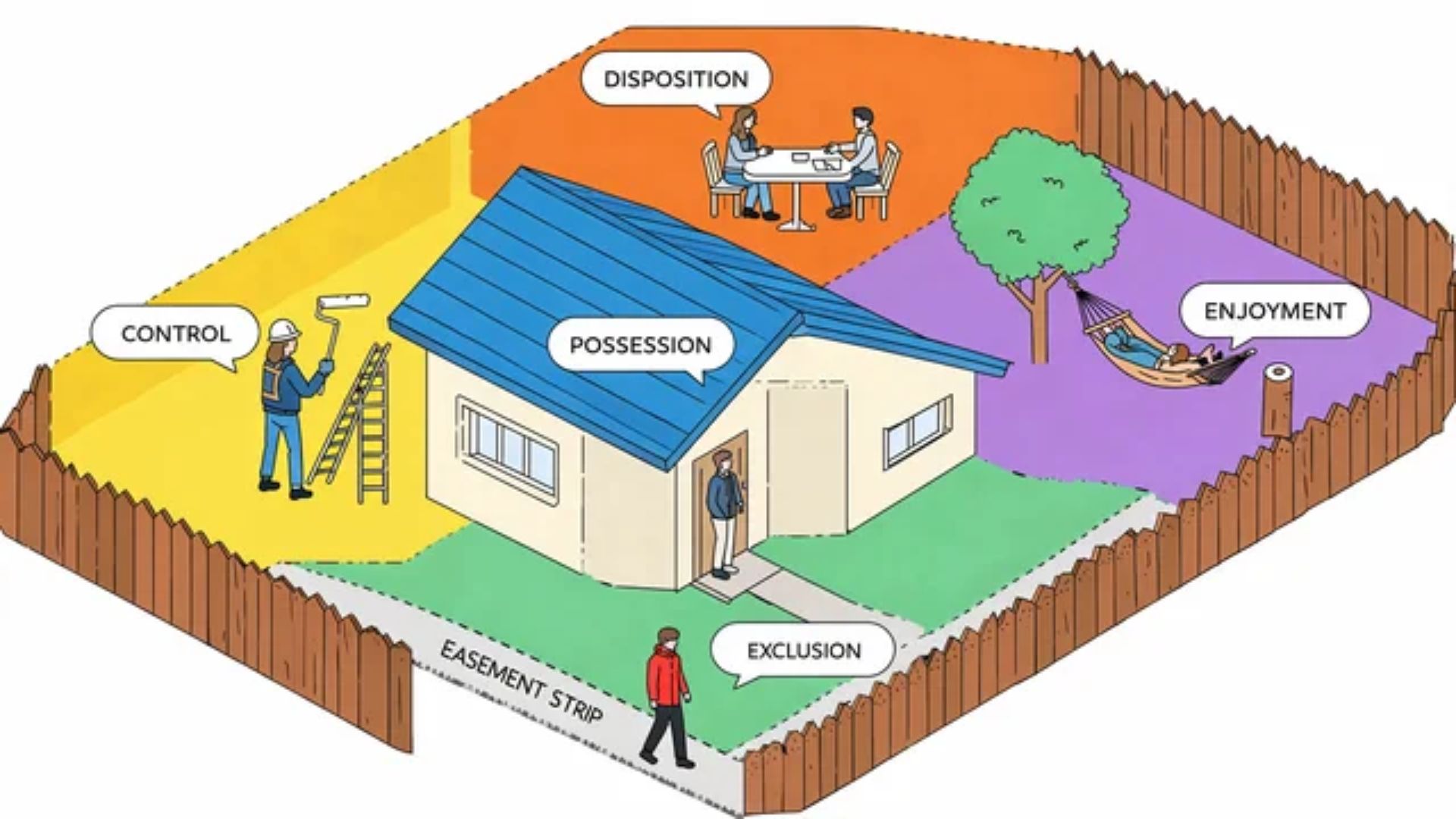
The five rights in the bundle of property rights are possession, control, exclusion, enjoyment, and disposition. Each one is a separate legal privilege and each has a boundary where another party’s authority begins.
You may see other lists that name use or transfer as their own rights. Here, use sits inside control, and transfer sits inside disposition. Some lists also add income, since owners can earn rent from the property.
1. Right of Possession
Possession is your legal standing to occupy the property. It doesn’t require you to be there. Vacant land can be possessed without anyone setting foot on it. A lease can also move possession to a tenant for a set term while you keep title.
That standing isn’t permanent. A completed foreclosure can transfer possession to a lender. An eminent domain proceeding can displace it entirely.
Possession is the right to claim the property as yours until law or default says otherwise.
2. Right of Control
Control is your authority to decide how the property is used. You can renovate, develop, lease, or leave it idle within limits.
Zoning ordinances define what uses are permitted on a given parcel. A lot zoned for single-family homes, for example, can’t become a corner store without a zoning change.
HOA covenants add another layer on top of that.
Both restrict control specifically, not ownership overall. You still hold the stick. You just can’t swing it in every direction.
3. Right of Exclusion
Exclusion is your right to keep others off the property. It’s one of the most actively enforced rights in ownership and one of the first to be partially transferred.
An easement is the clearest example. When an easement exists, another party holds a legal right to cross or use a portion of your land.
That portion of your exclusion stick now sits with someone else. The transfer happened before you bought the property which is why title searches exist.
4. Right of Enjoyment
Enjoyment is the right to use your property without interference. It’s the most misread right in the bundle; it has nothing to do with whether you like the property.
Legally, enjoyment means no one can unreasonably disrupt your use. Nuisance law enforces this between neighbours.
HOA rules can restrict it internally governing noise, appearance, and activity on your own land. When those restrictions exceed their authority, enjoyment is the right most likely to be at issue.
5. Right of Disposition
Disposition is your right to transfer the property by sale, gift, will, or lease. It’s the right most directly tied to the bundle of rights in real estate as a legal framework, because transferring the bundle is what a sale actually accomplishes.
A mortgage limits this right before payoff. Most loan agreements require lender consent or full repayment before title can transfer.
Liens work the same way: they attach to the property and follow it until cleared. You hold disposition, but not freely, until the debt is gone.
What can Limit or Remove Rights from the Bundle of Property Rights?

Property rights can be limited by both government authority and private agreement and each limitation targets a specific right within the bundle, not ownership as a whole. Holding an encumbered title is still ownership. The distinction matters when you’re reading a title report.
Government Limitations
Government powers don’t affect the bundle randomly. Each one has a specific target. Eminent domain can remove both possession and disposition if the state acquires the property and the owner loses both the right to occupy and the right to transfer.
Zoning restricts control; it defines permitted uses on a parcel and the owner cannot override it. Unpaid property taxes generate a lien that eventually threatens possession through forced sale.
Police power covers the broadest ground; it can restrict both enjoyment and control through building codes, health ordinances, and public safety regulations.
Each of these operates independently. Zoning doesn’t touch disposition. A tax lien doesn’t restrict how you use the property. The restrictions are precise, even when they feel sweeping.
Private Agreements and Encumbrances
Private encumbrances work the same way within the bundle of rights in real estate; each one targets a specific stick.
HOA covenants restrict control and enjoyment. They govern what you can build, how the exterior must look, and what activities are permitted on your land. Easements reduce exclusion and, in some cases, control over the portion of land they cover.
A utility easement means another party holds a legal right to access that section. You didn’t grant it. It came with the title.
Mortgages restrict disposition directly. Most loan agreements prevent transfer without lender consent or full repayment. Liens, tax, mechanic’s, or judgment liens attach to the property and restrict both disposition and, if unresolved, can eventually threaten possession. None of these make ownership invalid. They make it partial.
How Are Individual Rights in the Bundle Transferred or Shared?
You don’t have to give up the whole bundle to hand someone a right. An owner can lease, encumber, or grant easements and still keep the rest.
Here’s how the three most common transfers work in real deals:
- Selling: passes the full bundle by default, but the deed decides what actually moves. A seller can keep mineral rights below ground or hold a life estate until death.
- Leasing: gives the tenant possession and enjoyment for a set term. You keep title, set the rules through the lease, and never lose disposition.
- Granting an easement: hands part of your right to exclude to another party, sometimes with control over that strip. It survives a sale, so the next buyer inherits it.
Always read the deed and check for easements before closing. What’s on paper is what you actually own.
How Does the Bundle of Property Rights Affect Property Value?
Value follows the rights you actually hold. A home with a full, clean bundle usually sells for more than the same home with limits attached.
An easement across the yard, a long lease, or a seller who kept the mineral rights can all pull the price down. Appraisers factor in each restricted or separated right.
Why the Bundle of Rights Matters for Every Property Owner

Most buyers focus on price, location, and the house itself. Few ask which rights actually come with the title.
That blind spot causes real problems later. A neighbour’s easement, an old lien, or a missing mineral estate can all surface after closing.
The bundle of property rights gives you a simple way to check. Ask which rights you hold, which are limited, and who holds the rest. That one habit can catch an easement or an old lien before you sign.
Final Thoughts
Understanding the bundle of property rights changes how you see real estate. Ownership isn’t just your name on a deed.
It’s a set of separate legal rights, and any one of them can be limited, shared, or transferred without you losing title. That’s why easements, mortgages, and zoning don’t “break” ownership.
They just reduce your bundle. Before your next transaction, pull that title report and know exactly which sticks you’re getting.
Frequently Asked Questions
What Are the 5 Rights in the Bundle of Property Rights?
Possession, control, exclusion, enjoyment, and disposition. Each is a separate legal entitlement that can be transferred or restricted independently.
Can You Own Property Without Holding All Five Rights?
Yes. A mortgage restricts disposition. An easement reduces exclusion. An HOA limits control. You still hold the title.
What Is the Difference Between the Bundle of Rights and the Bundle of Sticks?
Same concept. Bundle of sticks is the metaphor. Bundle of rights is the formal legal term used in title law.
How Does Eminent Domain Affect the Bundle of Property Rights?
It can remove possession and disposition when the government takes the property. The owner receives just compensation but cannot refuse a lawful taking.