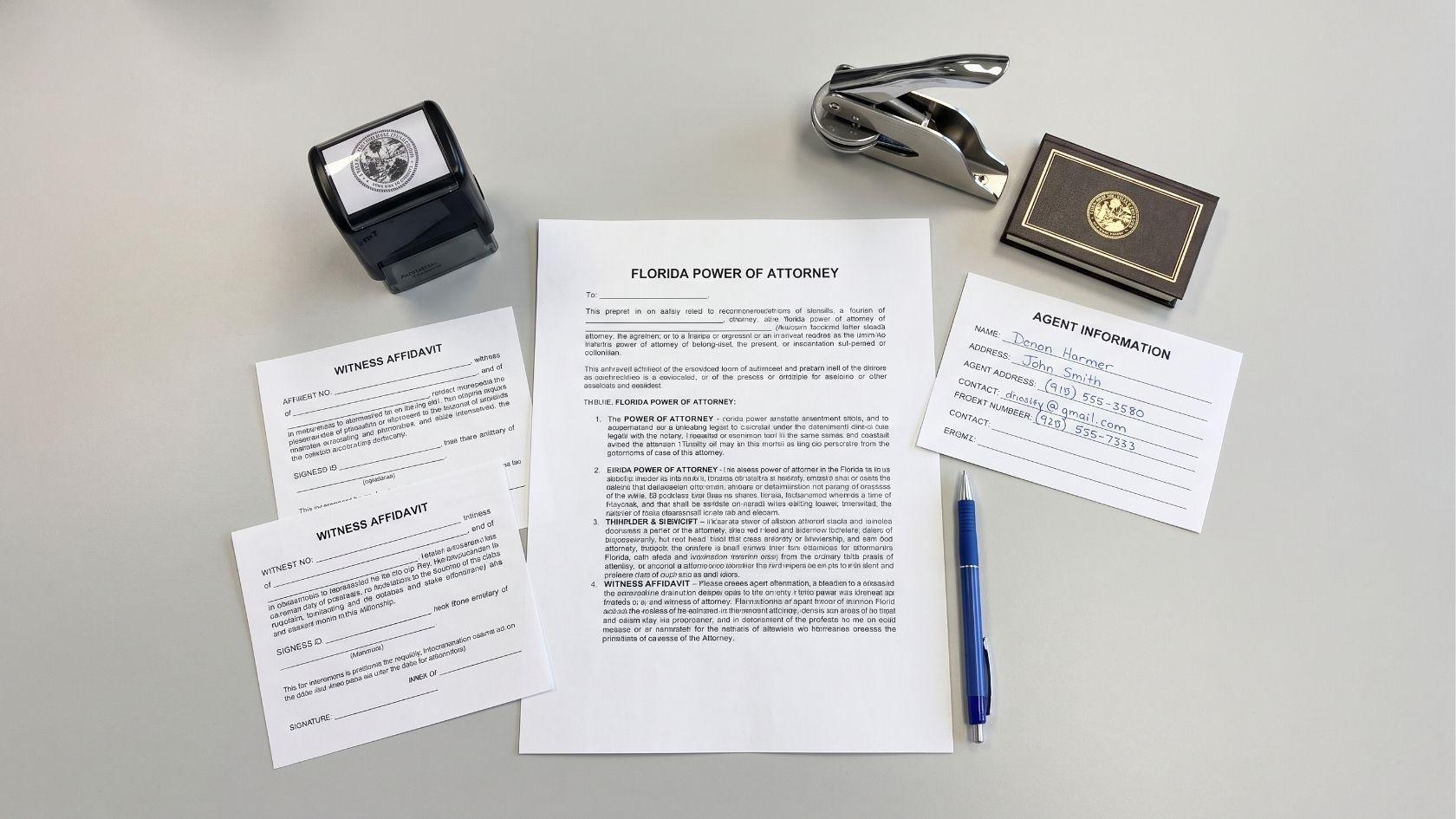
An estate planning attorney is a lawyer who prepares legally valid documents that determine how your assets, healthcare decisions, and financial responsibilities are handled if you become incapacitated or pass away.
Their work goes beyond writing a will, they build a complete legal plan covering your property, healthcare decisions, financial authority, and the future management of your estate.
Most people don't think about estate planning until a major life event makes it impossible to ignore: a marriage, the birth of a child, retirement, or the loss of a loved one.
This guide covers what an estate planning attorney does, the services they provide, how the process works, and when professional legal guidance is worth it.
The Role of an Estate Planning Attorney

Core Responsibilities
An estate planning attorney reviews your financial situation, family relationships, and long-term goals before recommending appropriate legal documents, rather than relying on standard templates. This approach reduces confusion, protects beneficiaries, and makes it easier for loved ones to carry out your instructions when the time comes.
Estate planning also covers assets that pass outside a will, including retirement accounts, life insurance policies, and payable-on-death accounts. Your attorney coordinates these beneficiary designations with the rest of your estate plan so they work together instead of creating conflicts.
Coordinating With Other Professionals
Many estate planning attorneys work alongside financial advisors, accountants, and tax professionals when appropriate. This coordination helps legal documents, tax planning, investment strategies, and retirement plans support the same overall objectives.
Choosing the Right Documents for Your Situation
The final plan depends on your circumstances. Someone with a modest estate may only need a will, powers of attorney, and healthcare directives.
A business owner, blended family, or someone with significant assets may also benefit from one or more trusts, tax planning strategies, and business succession planning.
Your attorney recommends documents based on your specific needs rather than using the same plan for every client.
How the Estate Planning Process Works
Working with an estate planning attorney usually follows a straightforward process.
Each step helps ensure your documents reflect your wishes and meet your state's legal requirements.
Initial Consultation
The first meeting focuses on understanding your personal and financial situation.
The attorney asks about your assets, family members, beneficiaries, existing legal documents, and long-term goals.
This discussion also covers concerns such as protecting minor children, reducing probate, planning for incapacity, or transferring a business.
It's also the best time to ask questions about the planning process, legal options, and expected costs before any documents are prepared.
Document Preparation
After gathering the necessary information, the attorney prepares the legal documents that match your goals.
Depending on your situation, these may include a will, one or more trusts, powers of attorney, healthcare directives, and beneficiary instructions.
You'll have an opportunity to review each document carefully. If something doesn't match your wishes, revisions can be made before the documents are finalized.
Signing and Execution
Estate planning documents must be signed according to state law to remain legally valid.
Many states require witnesses, notarization, or both, depending on the document.
Your attorney explains the signing requirements and helps complete the process correctly.
Following these legal steps reduces the risk of documents being challenged later.
Ongoing Reviews
Estate planning should be reviewed regularly because life circumstances and laws change over time.
Marriage, divorce, the birth of a child, retirement, buying property, or receiving an inheritance may all require updates.
Reviewing your plan every few years also helps confirm that beneficiary designations, executors, trustees, and healthcare instructions continue to reflect your current wishes.
Services an Estate Planning Attorney Provides

Estate planning attorneys provide more than wills. Their services cover legal planning for assets, healthcare decisions, family protection, business interests, and future estate administration.
For older clients or those with aging parents, many estate planning attorneys also assist with Medicaid planning and long-term care planning.
This involves structuring assets in a way that may help preserve eligibility for government benefits while protecting family wealth from the high costs of nursing home or assisted living care.
Because Medicaid rules vary significantly by state and change frequently, legal guidance in this area is especially valuable.
Drafts Estate Planning Documents
Preparing legally valid documents is one of an estate planning attorney's primary responsibilities. Each document serves a specific purpose within your overall estate plan.
- Wills: Specify who inherits your assets, name an executor, and appoint guardians for minor children.
- Revocable trusts: Hold and manage assets during your lifetime while allowing you to make changes at any time. They help avoid probate in many situations and take effect without court involvement after death.
- Irrevocable trusts: Once established, these generally cannot be changed or revoked. They may offer stronger asset protection and certain tax advantages, making them more suitable for larger or more complex estates.
- Powers of attorney: Authorize a trusted person to handle financial or legal matters if you cannot act yourself.
- Advance healthcare directives: Record your medical treatment preferences and identify someone to make healthcare decisions on your behalf.
- Living wills: State your wishes regarding life-support treatment and end-of-life medical care.
- Digital asset instructions: Provide guidance for managing online accounts, digital files, email accounts, and cryptocurrency after death or incapacity.
Revocable vs. Irrevocable Trusts
| Feature | Revocable Trust | Irrevocable Trust |
| Can be changed after signing | Yes, at any time | Generally no |
| Avoids probate | Yes, in most cases | Yes |
| Asset protection strength | Limited | Stronger |
| Common tax advantages | Few | Potentially significant |
| Best suited for | Simpler estates | Larger or complex estates |
Creates Asset Protection Strategies
An estate planning attorney helps protect your assets by using legal strategies that reduce future risks. Depending on your situation, they may recommend:
- Establishing trusts to help protect assets and manage how they are distributed.
- Reviewing property ownership to confirm assets are titled in a way that supports your estate plan.
- Recommending ownership arrangements that help protect family property and simplify future transfers.
- Reducing the risk of disputes by identifying legal issues before they become problems.
- Planning for business succession so ownership can pass smoothly to the next generation or chosen successor.
- Protecting business assets by coordinating business ownership with your overall estate plan.
Plans for Taxes and Wealth Transfer
An estate planning attorney can help organize the transfer of assets while addressing potential tax considerations. They may assist by:
- Reviewing estate tax exposure and recommending legal strategies when applicable.
- Developing gifting strategies to transfer assets during your lifetime within current tax rules.
- Coordinating beneficiary designations for retirement accounts, life insurance policies, and other financial accounts.
- Reviewing retirement and investment accounts to help ensure they pass to the intended beneficiaries.
- Planning wealth transfers to support a smooth transfer of assets between generations.
- Recommending tax-efficient estate planning strategies that align with current federal and state laws for larger estates.
Updates Existing Estate Plans
Estate plans should change as life changes. An attorney reviews existing documents and recommends updates when major events affect your legal or financial situation.
Common reasons to update an estate plan include:
- Marriage or divorce
- Birth or adoption of a child
- Birth of grandchildren
- Buying or selling significant property
- Starting or selling a business
- Receiving an inheritance
- Moving to another state
- Changes in state or federal law
Keeping documents current helps ensure your estate plan continues to reflect your wishes and remains legally effective.
When Should You Hire an Estate Planning Attorney?

There is no specific age or income level that determines when you need an estate plan. Instead, certain life events often signal that it is time to work with an estate planning attorney.
Creating or updating a plan after these events helps ensure your legal documents continue to reflect your wishes and protect the people who matter most.
Common situations that call for a review include:
- Buying a home or other valuable property
- Getting married or divorced
- Having or adopting a child
- Starting or selling a business
- Receiving an inheritance
- Preparing for retirement
- Caring for a family member with special needs
- Moving to another state
- Significant changes in assets or financial situation
An attorney can prepare or update the necessary documents so they align with your current financial and family situation.
Can You Create an Estate Plan Without an Attorney?

Yes, you can prepare some estate planning documents on your own, but the right approach depends on your circumstances.
Online forms may work for someone with few assets, no dependents, and a straightforward financial situation.
Legal guidance becomes more valuable as your estate becomes more complex.
Business ownership, blended families, multiple properties, significant investments, or a family member with special needs often require planning that standard templates cannot address properly.
Documents that do not meet state legal requirements or contain unclear instructions can create delays, additional costs, or family disagreements.
If no valid estate plan exists, state intestacy laws determine how your assets are distributed, which may not reflect your personal wishes.
How to Choose an Estate Planning Attorney
Choosing the right attorney is just as important as creating an estate plan. Experience, communication, and transparency all play a role in helping you receive legal advice that fits your situation.
When comparing attorneys, consider the following:
- Focus on estate planning rather than general legal practice.
- Verify that the attorney is licensed in your state.
- Ask for a clear explanation of fees before hiring.
- Choose someone who explains legal concepts in plain language.
- Read client reviews and testimonials to understand their experience.
During your consultation, ask questions about similar cases, the documents included in their services, review schedules, and how future updates are handled.
Clear answers can help you decide if the attorney is the right fit.
Estate Planning Attorney Costs
The cost of estate planning varies depending on the type of documents you need and the complexity of your financial situation.
A basic will typically costs between $300 and $1,000 when prepared by an attorney.
A comprehensive estate plan that includes multiple documents such as trusts, powers of attorney, and healthcare directives commonly ranges from $1,500 to $5,000 or more, depending on the complexity involved.
Business owners, blended families, or those with significant assets may pay more due to the additional planning required.
Many attorneys offer flat-fee packages for common estate planning services, while others charge by the hour for more detailed or ongoing work. Hourly rates for estate planning attorneys generally range from $150 to $400 per hour, depending on experience and location.
Before hiring an attorney, ask what services are included, whether future updates cost extra, and if follow-up meetings are covered.
Although professional planning requires an upfront investment, it may reduce probate expenses, legal disputes, and administrative costs that could arise later.
Common Estate Planning Mistakes
Even well-prepared plans can lose their effectiveness if they are not reviewed or updated over time.
Avoiding common mistakes helps ensure your wishes are carried out as intended.
Some of the most common mistakes include:
- Waiting too long to create an estate plan.
- Failing to update documents after major life events.
- Forgetting to review beneficiary designations.
- Choosing an unsuitable executor or trustee.
- Leaving out digital assets and online accounts.
- Not discussing important decisions with family members.
Reviewing your estate plan every few years and after significant life changes helps keep your documents accurate and legally effective.
Conclusion
So, what does an estate planning attorney do? They prepare legally valid documents that protect your assets, identify the people who will make financial and healthcare decisions on your behalf, and help ensure your estate is managed according to your wishes.
Estate planning is not only about distributing property after death. It also helps prepare for unexpected situations, reduce legal complications, and provide clear instructions for your family.
Keeping your plan updated as your life changes allows it to continue serving its intended purpose.
If you have not created an estate plan or have not reviewed one in several years, speaking with an estate planning attorney now is one of the most effective steps you can take to protect your family, preserve your assets, and ensure your wishes are carried out exactly as you intend.
Frequently Asked Questions
What happens if I die without an estate plan?
If you die without an estate plan, your assets are distributed according to your state's intestacy laws. The court decides who inherits your property and who manages your estate, which may not match your personal wishes.
Is an estate planning attorney the same as a financial advisor?
No. A financial advisor focuses on managing investments, retirement planning, and financial goals, while an estate planning attorney prepares the legal documents that govern how your assets and responsibilities are handled.
Can an estate planning attorney help with digital assets like cryptocurrency?
Yes. Many estate planning attorneys include instructions for digital assets, including cryptocurrency, online accounts, email, and password management, so authorized individuals can access them when necessary.
Do my spouse and I need separate estate planning attorneys?
Most married couples can work with the same estate planning attorney when their goals are aligned. Separate attorneys may be appropriate if there is a potential conflict of interest, such as children from previous relationships, separate businesses, or significantly different estate planning objectives.