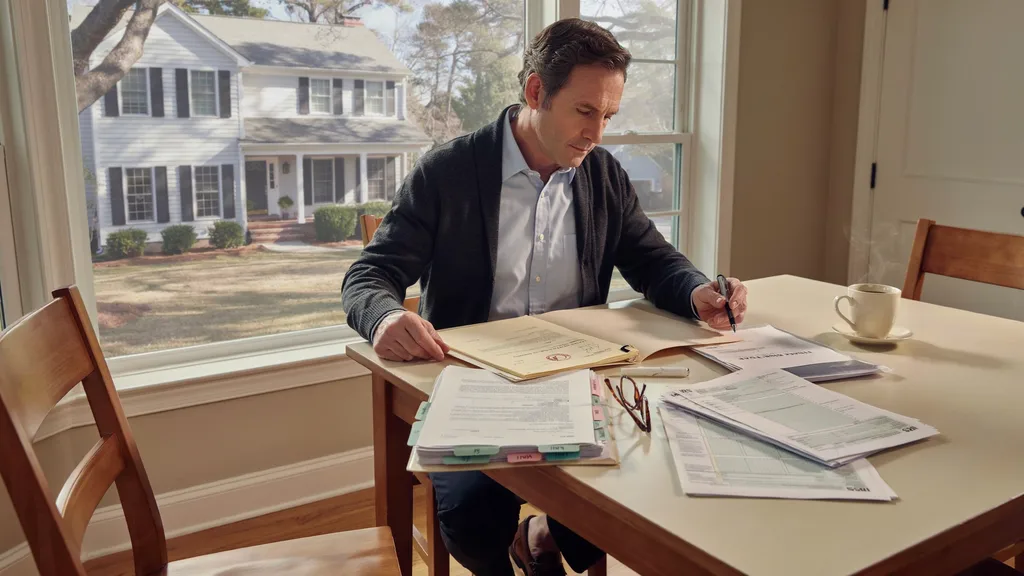
If you have been searching for whether you can set up a trust without an attorney, the short answer is yes, in most cases you can. Many states allow you to create a valid trust on your own using templates, online services, or software.
This article walks through what a trust is, the types you can create, the steps involved, and the real risks of going the DIY route.
You will also find a comparison table, a cost breakdown, and a checklist to help you fund your trust correctly.
As someone who has reviewed dozens of estate planning questions from readers, I have seen how a few small mistakes can cause big problems later, so this guide focuses on helping you avoid those.
Is It Possible To Set Up a Trust Without an Attorney?

Yes, you can set up a trust without an attorney in nearly every state. Trust law does not require a lawyer to draft or sign the document. What matters is that the trust meets your state's legal requirements, is signed correctly, and is properly funded with assets.
Many people use online trust software such as Trust & Will or LegalZoom, fill-in templates, or state bar association resources to build a basic revocable living trust. This works well for simple situations, such as a single person with one home and a few bank accounts.
It becomes riskier when your estate includes multiple properties, blended families, business interests, or specific tax planning needs.
What Is a Trust and How Does It Work?
A trust is a legal arrangement where one person, called the grantor, places assets into the trust for the benefit of another person, called the beneficiary. A trustee manages those assets according to the rules written in the trust document.
Trusts work differently than a will. A will only takes effect after death and must go through probate court.
A trust can manage assets while you are alive, during incapacity, and after death, often without probate. This is one reason people choose trusts for privacy and speed of asset transfer.
Types of Trusts You Can Create
Picking the right type of trust matters just as much as the paperwork itself.
Revocable Living Trust
Because you retain full control, you can add or remove assets, change beneficiaries, swap trustees, or dissolve the trust entirely as your circumstances change through marriage, divorce, new children, or a shift in financial goals.
The tradeoff is that these trusts offer no asset protection or tax benefits during your lifetime, since the IRS still treats you as the owner of everything inside it.
This is the most common choice for people whose main goals are avoiding probate, keeping their affairs private (probate records are public, trust terms generally aren't), and ensuring a smooth transition if they become incapacitated.
It only works as intended if the trust is actually funded, so retitling assets afterward remains essential.
Irrevocable Trust
Giving up control is the point: once assets are transferred in, they're generally no longer considered part of your personal estate, which is what makes these trusts effective for shielding assets from creditors, lawsuits, or estate taxes above the federal exemption.
For Medicaid planning specifically, assets moved into certain irrevocable trusts can help someone qualify for long-term care benefits, though strict five-year lookback rules apply, and transfers made too close to needing care can backfire.
Because changes typically require court approval or beneficiary consent, and separate tax returns are often required each year, working with an attorney or CPA up front is usually worth the cost compared to unwinding a mistake later.
Special Needs Trust
Assets in this trust are managed by a trustee on the beneficiary's behalf rather than given directly to them, which is what preserves their eligibility for means-tested government programs.
Funds are typically used to cover things benefits don't, like education, hobbies, transportation, or specialized therapies, rather than basic needs the government program already provides.
There are two main versions, a third-party special needs trust, funded by parents or other family members, and a first-party (or "self-settled") trust, funded with the beneficiary's own assets, such as an inheritance or settlement, which usually comes with a Medicaid payback requirement after death.
Getting the structure or spending rules wrong can retroactively disqualify the beneficiary, so precise drafting matters more here than in most trust types.
Testamentary Trust
Unlike a living trust, this one doesn't exist or hold any assets while you're alive, it's simply instructions written into your will that spring into existence after you die and your will is validated in probate court.
This makes it a simpler, often cheaper option for people who don't mind their estate going through probate but still want structured control over how and when assets reach beneficiaries, such as releasing funds to a child in stages as they reach certain ages.
Because it's tied to the will, any changes require updating the will itself rather than amending a separate trust document. The probate requirement also means less privacy and a longer timeline before beneficiaries receive assets compared to a funded living trust.
How to Set Up a Trust Without an Attorney
Setting up a trust on your own follows a fairly consistent process across most states.
Step 1: Decide What Type of Trust You Need
The most common choice for everyday estate planning is a revocable living trust, which lets you avoid probate while retaining full control over the assets during your lifetime, you can amend or dissolve it anytime.
If you're trying to protect assets from creditors or reduce estate taxes, you'd instead look at an irrevocable trust, which gives up your control in exchange for those protections.
Other common goals point to specialized trust, a special needs trust protects a disabled beneficiary's eligibility for government benefits, a spendthrift trust shields assets from a beneficiary's poor financial decisions or creditors, and a testamentary trust is created through a will and only takes effect after death.
Matching the trust type to your actual goal matters because switching later, especially with an irrevocable trust, can be difficult or impossible.
Step 2: Choose a Trustee and Successor Trustee
The trustee will handle recordkeeping, tax filings, investment decisions, and distributions to beneficiaries, so choose someone organized, trustworthy, and willing to take on the responsibility.
Many people name themselves as the initial trustee of a revocable living trust to keep control, then name a successor trustee to step in upon death or incapacity.
Your successor trustee could be a family member, close friend, or a professional fiduciary such as a bank or trust company, especially if the estate is large or family dynamics are complicated.
Whoever you choose, confirm they're actually willing to serve, being named without warning can catch people off guard.
It's also wise to name a second backup successor in case your first choice is unavailable when the time comes.
Step 3: Draft the Trust Document
Templates and online services can work well for simple, straightforward trusts, but the document still needs to be tailored to your state's laws and your specific assets and family situation.
Beyond naming the grantor, trustee, and beneficiaries, the document should spell out distribution instructions (lump sum, staggered by age, or discretionary), what happens if a beneficiary dies before you, and any special conditions you want honored.
Vague or contradictory language is one of the most common reasons trusts get challenged or misinterpreted later.
If your estate includes a business, out-of-state property, blended family considerations, or potential tax exposure, these situations often benefit from professional review even if you draft the bulk of the document yourself.
Step 4: Sign and Notarize the Trust
Notarization requirements exist to prevent fraud and confirm that you signed the document knowingly and voluntarily. Some states also require one or two witnesses in addition to a notary, and a few require the witnesses to not be beneficiaries of the trust.
Because requirements vary, it's worth checking your specific state's rules before the signing appointment rather than assuming a generic process applies everywhere.
Many banks offer free notary services to account holders, and mobile notary services are widely available if scheduling is difficult. Keep the original signed document somewhere safe and accessible, and let your successor trustee know where to find it.
Step 5: Fund the Trust
An unfunded trust is often called an "empty box" because it exists on paper but controls nothing. To fund it, you'll need to work with each institution individually: banks and brokerages to retitle accounts, a county recorder's office to record a new deed for real estate, and business registries for ownership interests.
Some assets, like retirement accounts, generally shouldn't be retitled into a trust directly, since doing so can trigger unwanted tax consequences, instead, you'd typically name the trust as a beneficiary.
Because this step spans multiple institutions with their own paperwork and timelines, it's easy to leave assets out, which means those assets would still go through probate despite having a trust in place.
DIY Trust vs. Estate Planning Attorney
Here is a side-by-side look at how the two approaches compare on cost, risk, and outcome.
| Factor | DIY Trust | Attorney-Drafted Trust |
| Average Cost | $50 to $300 | $1,000 to $3,000+ |
| Time to Complete | A few hours to a few days | One to several weeks |
| Customization | Limited to template options | Fully customized to your situation |
| Legal Review | None, unless you pay separately | Reviewed by a licensed professional |
| Best For | Simple, single-owner estates | Complex estates, blended families, tax planning |
| Risk of Errors | Higher, especially with funding | Lower, attorney checks each step |
Pros and Cons of Setting Up a Trust Without an Attorney
A DIY trust can save money, but it comes with tradeoffs worth understanding before you commit.
Pros: A DIY trust costs far less than hiring an attorney and can be finished quickly. For simple estates with straightforward goals, a template often covers everything needed.
Cons: Templates cannot account for every state law difference or personal situation. Mistakes in wording, signing, or funding can make the trust invalid or cause unintended tax consequences.
When You Should Hire an Estate Planning Attorney

Some situations call for legal help rather than a template. If you own property in more than one state, run a business, or have a blended family with children from different relationships, an attorney can address issues a general template will not catch.
The same is true if you want to reduce estate taxes, especially once your estate approaches the federal threshold of $15 million for individuals or $30 million for couples, since some state limits are much lower.
This also applies if you are setting up a special needs trust or an irrevocable trust, since small errors in these documents can cause lasting harm to a beneficiary.
Common DIY Trust Mistakes to Avoid
These mistakes come up again and again in DIY trust cases, and most of them are avoidable.
- Forgetting to fund the trust by retitling property, bank accounts, and investments
- Using a template meant for a different state, missing local signing or notary rules
- Naming only one trustee with no backup listed
- Leaving beneficiary language vague or contradictory
- Failing to update the trust after a marriage, divorce, or birth of a child
- Not coordinating the trust with an existing will, durable power of attorney, or beneficiary designations
How Much Does It Cost to Set Up a Trust?

A DIY trust using online software or templates typically costs between $50 and $300. Some services charge a one-time fee, while others charge a subscription for ongoing updates.
An attorney-drafted trust usually costs $1,000 to $3,000, depending on your state and the complexity of your estate.
Complex trusts, such as those involving tax planning or special needs beneficiaries, can cost more. Keep in mind that funding costs, such as deed transfer fees for real estate, apply either way.
Can You Amend or Revoke a Trust Without an Attorney?
Yes, if you created a revocable living trust, you can amend or revoke it yourself in most states. This usually requires a written amendment or a full restatement of the trust, signed and notarized the same way as the original document.
Irrevocable trusts are much harder to change. Some states allow modification through a legal process called decanting, which means moving the assets into a new trust with updated terms, or through court approval, but this almost always requires professional legal help.
State Laws That May Affect DIY Trusts
Trust laws vary by state, and this is one of the biggest risks of using a generic template.
Many states follow some version of the Uniform Trust Code, which sets standard rules for trust creation, trustee duties, and beneficiary rights, but each state adds its own amendments.
Some states require witnesses in addition to a notary. Others have specific rules for real estate transfers into a trust, including how the deed must be worded. Before using any template, check whether it is written for your specific state.
Trust Funding Checklist
Use this list to confirm your trust is properly funded after signing:
- Retitle your home and other real estate into the trust's name
- Update bank account ownership to the trust
- Change investment and brokerage account titles
- Update beneficiary designations where allowed, such as on certain accounts
- List personal property, like valuable jewelry or collectibles, in a separate schedule attached to the trust
- Review the trust yearly or after major life changes
Conclusion
Setting up a trust without an attorney is possible and works well for many simple estates. The key takeaway is that the document itself is only half the job. Proper signing, state-specific rules, and full funding are what make a trust actually work when you need it.
If your situation involves more than a basic estate, a short consultation with an attorney can save your family from costly problems later, so consider booking one if any of the risk factors above apply to you.
Take what you learned here and review your own plans with fresh eyes. If this article helped clear things up, share it with someone else working through the same decision.
Frequently Asked Questions
Can a trust be contested even if it was created without an attorney?
Yes. Beneficiaries can challenge a trust for reasons like undue influence or lack of capacity, regardless of whether an attorney drafted it or not.
Do I need a lawyer to serve as trustee?
No. Any competent adult or a trust company can serve as trustee. A lawyer is not required to hold this role.
Can I use the same trust template in a different state after moving?
Not always. Moving states can affect signing requirements and property rules, so review or update your trust after a move.
Does a trust protect assets from creditors?
A revocable living trust generally does not protect assets from creditors. Only certain irrevocable trusts offer this kind of protection.
Can family members serve as witnesses when signing a trust?
In most states, yes, family members can witness a trust signing, though some states restrict beneficiaries from acting as witnesses.