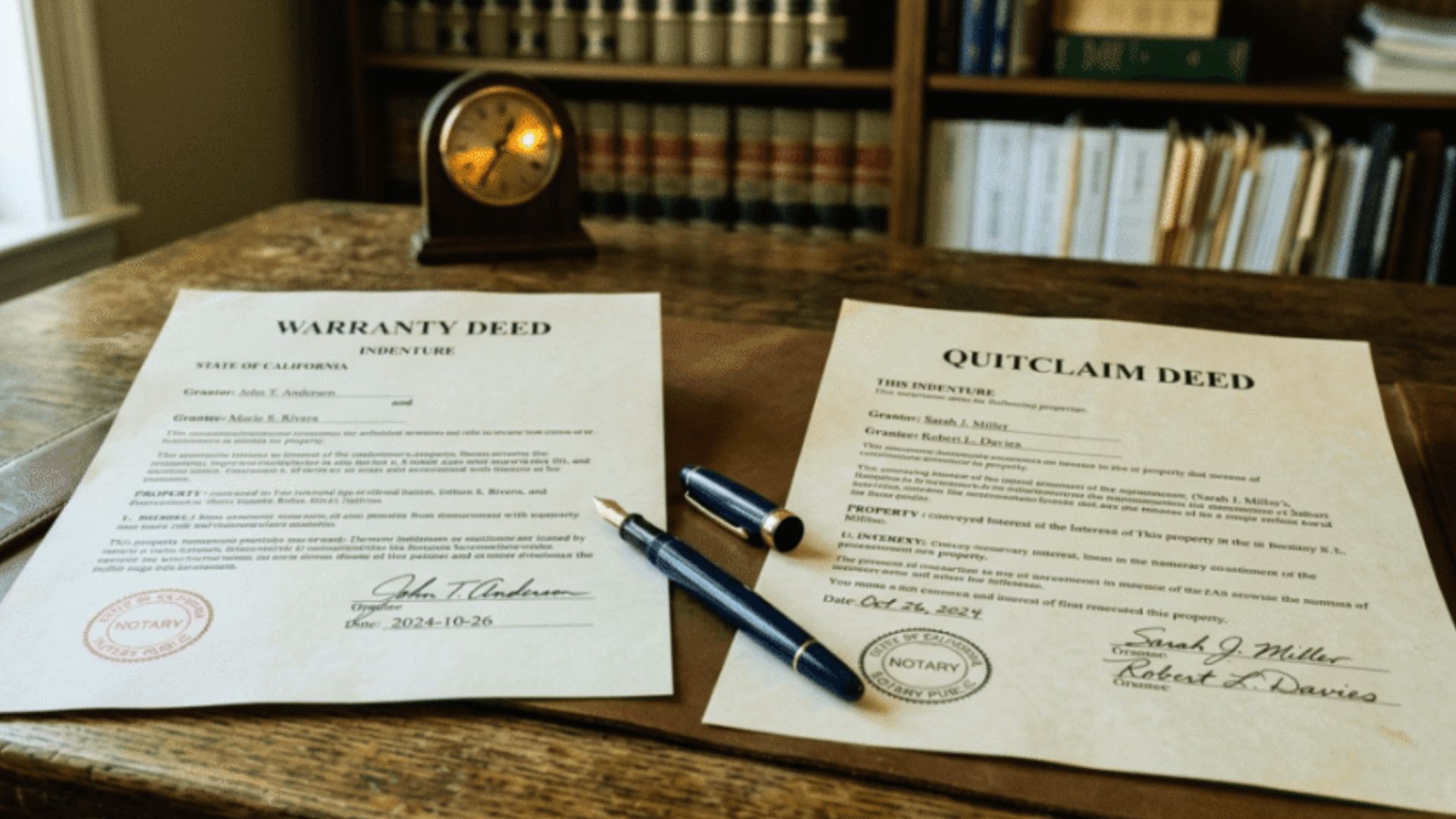
A handwritten will can hold up in court, but only in states that allow it, and only if it meets that state’s exact rules.
This document has a legal name:a holographic will. So is a handwritten will valid everywhere? Not even close.
Recognition is split almost evenly across the country, and that catches people off guard, especially if a will got written in a hurry without a lawyer in the room.
Let’s go over what makes one legally valid, which states accept them, whether you need witnesses, and why these documents face more scrutiny in probate
What Is a Handwritten Will?
A holographic will is one you write and sign entirely by hand, with no typing and no witnesses.
Most states that accept them go by rules from the Uniform Probate Code, though the exact requirements shift depending on where you live.
People usually turn to one when there’s no time to call a lawyer, like during an emergency. Maybe a sudden diagnosis, a car accident on the way to sign real paperwork, or someone about to deploy overseas with nothing formal in place.
It’s meant as a stopgap, not a real estate plan, and it works best for a simple situation without much to divide.
Once things settle down, you still need something drawn up properly, ideally with an attorney who can catch details you might miss.
At minimum, a valid holographic will should name the person writing it, list the assets being distributed and who receives them, and include a date and signature.
Courts have rejected wills that named beneficiaries but left out which assets they would receive, or that described property vaguely enough that two relatives could make a reasonable claim to the same item.
What Makes a Handwritten Will Legally Valid
Courts weigh a core set of requirements, plus how strict a state is and who gets exceptions:
- Handwriting, signature, clear intent, sound mind, and legal age: the baseline requirements every state checks for
- Why handwriting matters: it’s the court’s substitute for a witness, proving the will is genuine and intentional
- Texas requires the whole will to be handwritten; Utah and Michigan only require the “material portions” that distribute property
- Verification: contested wills get checked against known handwriting samples, family testimony, and sometimes an expert
- States that accept them: California, Texas, Michigan, Utah, Virginia, Arizona, and others
- States that don’t: New York, Georgia, Wisconsin, outside narrow exceptions, since they see more fraud risk than benefit
- Military exception: New York and similar states allow a holographic will only for active-duty military members or mariners at sea, and only while on active duty or for a limited period after discharge. Once that window closes, the will loses its validity in those states
Do You Need Witnesses or a Notary?

Most states that recognize holographic wills don’t require witnesses or notarization for the will to be valid.
That’s actually the whole point of a holographic will. It’s built for situations where getting formal witnesses isn’t practical.
That said, skipping notarization comes with a tradeoff. If the will ever gets challenged in probate, a notarized document carries more weight as evidence.
Notarization isn’t a legal requirement in most of these states, but it functions as a backup. It gives the court something stronger to point to if a family member questions whether the will is real or whether it reflects what the person actually wanted.
Why Handwritten Wills Get More Scrutiny in Probate

Handwritten wills get contested more often than typed ones, and the reason comes down to missing proof.
A typed will usually comes with witnesses who watched the signing happen and can testify to it later.
A handwritten will doesn’t have that built-in layer of confirmation. Courts have less concrete evidence of the person’s true intent at the time they wrote it.
Ambiguous wording, missing details, or unclear instructions open the door to competing interpretations. A phrase like ‘my car goes to my son’ creates a dispute the moment there are two sons, or a lease instead of a title.
When something looks off, the burden shifts to family members or handwriting evidence to sort it out after the fact, which takes time and money.
What Happens If a Handwritten Will Gets Rejected
If a court throws out a handwritten will, the estate doesn’t just sit in limbo. It falls into intestate succession, the state’s default rules for distributing property when no valid will exists.
That means the state decides who gets what, based on a fixed legal hierarchy: spouse first, then children, then more distant relatives. It doesn’t matter what the deceased wanted or what the handwritten document said. If the will isn’t valid, those wishes have no legal weight.
For most families, this produces the wrong result. A partner who wasn’t legally married may get nothing. A close friend named in the document gets cut out entirely. Estranged relatives the deceased hadn’t spoken to in decades may inherit instead.
That’s the real cost of a handwritten will that doesn’t hold up; not just a probate delay, but a distribution that may be the opposite of what the person intended
Handwritten Wills vs. Formal Typed Wills
A handwritten will and a formal typed will can both hold up in court, but they don’t get treated the same way once probate starts.
| Feature | Handwritten (Holographic) Will | Formal Typed Will |
| Format | Written by hand, in the testator’s own handwriting | Typed, usually prepared with legal language |
| Witnesses | Not required in most states that allow it | Usually required, typically two witnesses |
| Notarization | Not required, but strengthens the will if contested | Often paired with a self-proving affidavit, which is notarized |
| Probate process | More scrutiny, may need handwriting proof | Faster, since a self-proving affidavit skips witness testimony |
| State recognition | Only valid in about half the states | Valid nationwide if it meets basic legal formalities |
| Risk of contest | Higher, since intent and authenticity can be questioned | Lower, since witnesses can confirm signing and intent |
| Best used for | Emergencies or as a stopgap | Long-term, permanent estate planning |
When a Handwritten Will Makes Sense and When It Doesn’t
There are four situations where a handwritten will is the right call, and almost everything else is a reason to get a formal one:
- You’re facing a medical emergency and can’t get a formal will drafted in time
- Deployment or overseas travel has cut off access to legal help
- You have an attorney appointment scheduled and need something in place before it
- Your estate is straightforward. One or two assets, no blended family, nothing likely to be disputed
Outside those cases, it gets risky fast. If your estate involves multiple properties, business interests, blended families, or anything likely to spark disagreement, a handwritten will is a poor permanent plan.
The lack of witnesses leaves too much room for a challenge. Treat it as a bridge, not a destination.
Final Thoughts
So, is a handwritten will valid? It depends entirely on your state and whether you followed that state’s exact rules when you wrote it.
There’s no universal answer, and guessing wrong can leave your family dealing with a mess in probate. If you’re relying on one right now, check your state’s specific requirements today.
Better yet, use it as a temporary fix and get a formal will drafted as soon as you can. Your family will thank you for the clarity later.
Frequently Asked Questions
What is the biggest mistake people make with a handwritten will?
Assuming it’s automatically valid without checking their state’s rules first. That assumption can leave the whole will thrown out.
What makes a will invalid?
Missing a signature, unclear intent, or not meeting your state’s specific handwriting requirements. Undue influence or lack of mental capacity can invalidate it too.
Can you replace a handwritten will with a formal one later?
Yes, a newer, properly executed will replaces an older one. Just make sure the new document clearly states it revokes prior wills.
Do you need a lawyer to write a handwritten will?
You don’t. That’s the whole point in an emergency. But going without one means the burden of proving it’s valid falls entirely on the document itself, and courts are less forgiving when there’s no attorney’s name attached.