Thinking about buying your first rental property? You're probably picturing steady monthly checks and a growing nest egg, but the real answer isn't that simple.
Whether it works out depends on the numbers, not just the idea. Location, financing, ongoing costs, and how much time you can put into managing a property all shape whether rental income actually turns into profit.
This post breaks down what actually makes a rental property profitable, what it really costs, and how to figure out if it fits your financial goals before you buy.
Is Buying Rental Property a Good Investment?
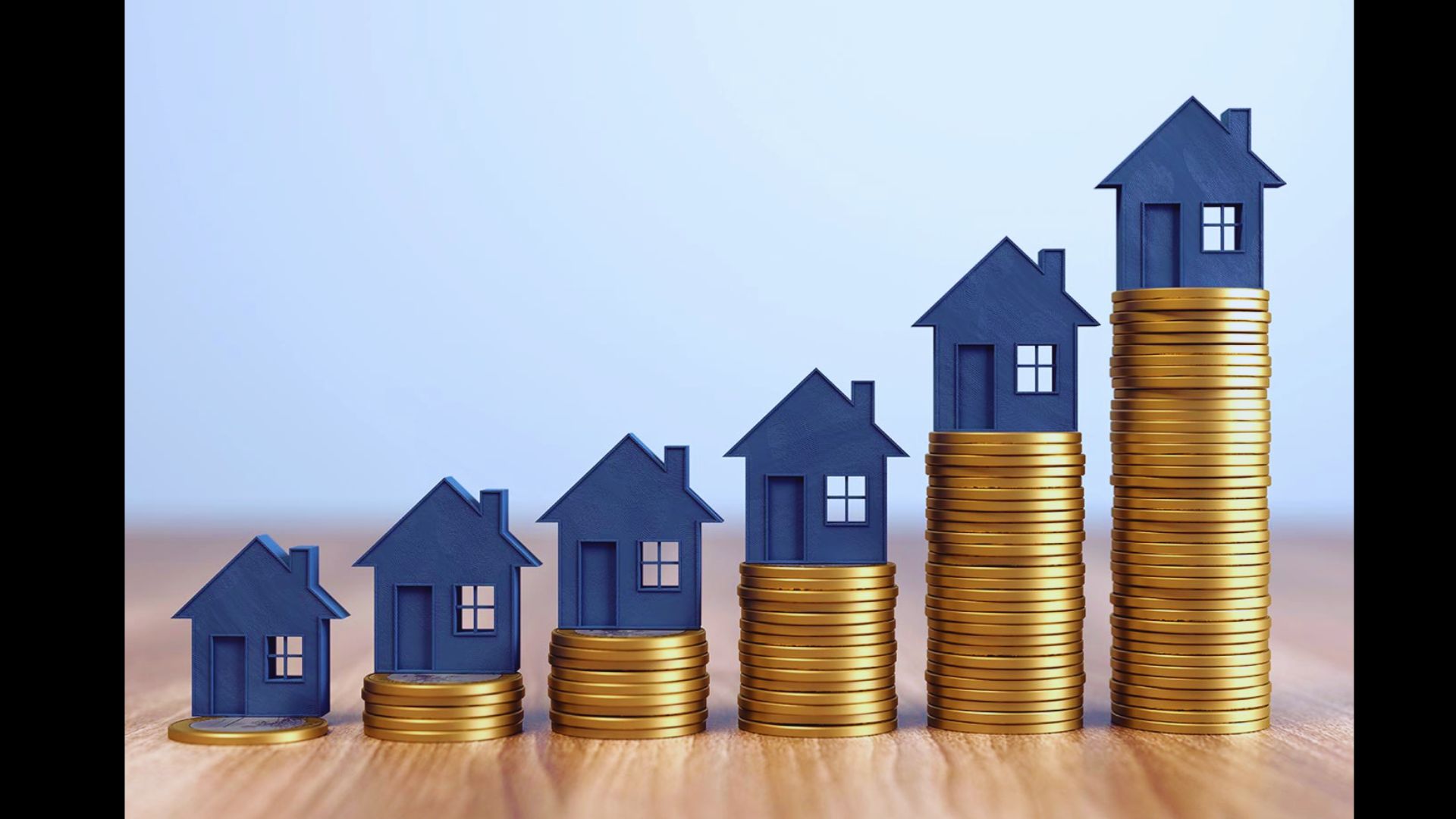
Yes, rental property can be a good investment, but it isn't automatically a good one just because you bought it.
It works best when the numbers make sense before you buy, not after.
Rental property appeals to a lot of investors because it offers something stocks and bonds don't: a physical asset that generates monthly income while potentially growing in value at the same time.
It also gives you more control than most other investments, since you can improve the property, adjust rent, or refinance to change your returns.
It tends to work best when you buy in a market with steady rental demand, secure financing with a reasonable interest rate, and go in with enough cash reserves to handle vacancies or repairs.
It tends to work poorly when you buy based on hope for appreciation alone, stretch your budget too thin on the mortgage, or take on a property in a market with weak rental demand.
In those cases, a downturn or a few bad months can turn a rental into a financial burden instead of an asset.
What Makes a Rental Property Profitable?
Profitability comes from several factors working together, not just one number.
The sections below break down what actually drives returns.
Rental Income
Rental income is the money you collect from tenants each month, and it's the most obvious source of return.
But the rent you list isn't the rent you'll actually collect year-round, since vacancies between tenants reduce your real income.
Setting realistic rental expectations means researching what similar properties in your area actually rent for, not what you hope to charge.
It also means accounting for occupancy rates, since even a well-managed property typically sits empty for some period between tenants each year.
Cash Flow
Cash flow is what's left over after you pay the mortgage, property taxes, insurance, and other expenses out of your rental income.
This is different from rental income alone, since a property can bring in solid rent and still lose money once all the bills are paid.
Positive cash flow matters because it's what actually puts money in your pocket each month, rather than just building equity on paper.
A property with thin or negative cash flow can still work out long term, but it leaves little room for error if expenses rise or a tenant leaves unexpectedly.
Property Appreciation
Appreciation is the increase in a property's value over time, driven by market demand, neighborhood growth, and improvements you make to the property.
It's often the biggest source of profit when you eventually sell, especially after holding a property for many years.
A fixed-rate mortgage also makes rental property a solid inflation hedge, since rents tend to rise over time while your mortgage payment stays the same.
Appreciation shouldn't be the only reason to invest, though, since property values can stay flat or even drop for extended periods.
Relying on appreciation alone assumes the market will always move in your favor, which isn't guaranteed in any given timeframe.
Tax Benefits
Depreciation lets you deduct a portion of the property's value each year as a paper expense, even though you aren't spending that money out of pocket.
This can meaningfully lower your taxable rental income.
Mortgage interest deductions let you write off the interest portion of your loan payments, which is usually the largest expense in the early years of a mortgage.
Property tax deductions may also be available depending on your situation, adding another way rental property can reduce your overall tax bill compared to other investments.
Keep in mind that rental properties don't qualify for the same capital gains exclusion as a primary home, so any profit above your adjusted cost basis is generally taxable when you sell.
Long-Term Equity
Equity is the portion of the property you actually own, calculated as the property's value minus what you still owe on the mortgage.
Every mortgage payment you make gradually increases this share, even before the property appreciates in value.
Equity growth over time comes from two sources: paying down your loan balance and any increase in the property's market value.
Together, these can build meaningful wealth over a decade or more, even if monthly cash flow stays modest along the way.
What Costs Should You Expect?
Rental property involves more costs than just the mortgage payment, and underestimating them is one of the fastest ways to turn a good investment into a bad one.
The down payment is usually the largest upfront cost, often higher for rental properties than for a primary home since lenders view them as riskier.
Closing costs add several thousand dollars on top of that, covering fees like appraisals, inspections, and loan origination.
Property taxes and insurance are ongoing costs that vary widely by location and property type, and both tend to rise over time.
Maintenance and repairs come up regularly, from routine upkeep to unexpected fixes like a broken water heater or a roof leak.
If you hire a property management company instead of self-managing, expect to pay a percentage of monthly rent for their services.
Vacancy costs, the lost rent during the time a unit sits empty between tenants, should be built into your budget rather than treated as a surprise.
Finally, set aside funds for unexpected expenses, since something will eventually come up that isn't in your original plan.
What Are the Biggest Risks?
Every investment carries risk, and rental property has its own specific set worth understanding before you buy.
Long vacancy stretches are one of the harder risks to predict, since they're often driven by overpricing rent, weak marketing, or a property that doesn't match what renters in the area actually want.
Problem tenants, whether they pay late, damage the property, or require a lengthy eviction process, can turn a profitable rental into a costly one fast.
Careful tenant screening, including credit and reference checks, can reduce the odds of running into these problems in the first place.
Unexpected repairs, like a failed furnace or foundation issue, can eat into months of cash flow in a single event.
Market downturns can reduce your property's value and make it harder to sell or refinance when you want to.
Rising interest rates increase the cost of any new financing or refinancing, which can shrink your margins if you're not on a fixed-rate loan.
Local law and regulation changes, like new rent control rules or stricter landlord requirements, can also affect your returns in ways that are hard to predict when you first buy.
Lack of diversification is another risk worth considering, since a single property can tie up a large share of your net worth in one illiquid asset.
Who Should Consider Rental Property?
Rental property isn't the right fit for everyone, but it tends to work well for a specific type of investor.
Long-term investors who plan to hold a property for several years, rather than flip it quickly, generally see the best results, since real estate rewards patience over quick turnarounds.
People with stable finances and an emergency fund are better positioned to handle a slow month or a surprise repair without financial strain.
Investors comfortable managing property themselves, or willing to pay someone else to do it, tend to have a smoother experience than those who go in without a plan for either.
Those seeking regular rental income, rather than a purely passive investment, often find rental property rewarding, since it does require ongoing attention.
If you're considering a short-term or vacation rental instead of a long-term lease, expect an added layer of management, like providing linens and toiletries and keeping up a steady stream of good reviews.
If you'd rather not deal with tenants, repairs, or local regulations at all, other investments like REITs or index funds might be a better fit for your goals.
How to Evaluate a Rental Property Before Buying
A little research before you buy can save you from a costly mistake later.
Start by researching the local rental market to understand demand and typical rent prices in the area.
Compare rental demand across a few neighborhoods, since two areas a few miles apart can have very different vacancy rates.
Estimate monthly expenses carefully, including taxes, insurance, and a realistic maintenance budget, rather than relying on rough guesses.
Many investors also use quick screening tools like the 1% rule, where monthly rent should be roughly 1% of the purchase price, or cap rate, which compares a property's net income to its price, to compare options fast before running full numbers.
Calculate expected cash flow using your estimated income and expenses before you make an offer, not after.
Review neighborhood growth trends, like new businesses or infrastructure projects, which can signal future appreciation.
Check the property's condition closely, ideally with a professional inspection, so surprise repairs don't eat into your returns.
Finally, understand local landlord-tenant laws, since these affect everything from how you screen tenants to how you handle an eviction if it comes to that.
Rental Property vs Other Investments
Rental property is just one option among several ways to invest your money, and it's worth seeing how it stacks up against the alternatives.
| Investment | Income Potential | Risk Level | Liquidity | Management Required |
| Rental Property | Moderate to High | Moderate | Low | High |
| Stocks | Moderate to High | Moderate to High | High | Low |
| REITs | Moderate | Moderate | High | Very Low |
| Bonds | Low to Moderate | Low | High | Very Low |
Rental property stands out for its lower liquidity, meaning it's harder to convert to cash quickly, and its higher management demands compared to stocks, REITs, or bonds.
In exchange, it offers more direct control over your returns and the added benefit of tax deductions that most other investments don't provide.
Common Mistakes to Avoid
A few recurring mistakes account for most of the rental property regrets investors run into.
- Buying based only on appreciation, without confirming the property generates positive cash flow today.
- Underestimating maintenance costs, especially on older properties that need more frequent repairs.
- Ignoring vacancy periods when calculating expected income.
- Overpaying for a property because of competition or urgency, rather than sticking to the numbers.
- Skipping market research on rental demand and local regulations before buying.
- Forgetting emergency repair funds, leaving no cushion for surprise expenses.
- Not calculating cash flow before buying, which can lead to a property that costs more than it earns.
Conclusion
So, is buying rental property a good investment? It can be, as long as the numbers work before you buy, not after.
Rental income, cash flow, and long-term equity all matter more than hoping the property appreciates on its own.
Take time to run your numbers, check your local market, and make sure you have the finances to handle a slow month or a surprise repair.
Have a question about your own situation? Drop it in the comments, share this with someone considering their first rental property, or check out our other real estate investing guides.
Frequently Asked Questions
Do rental properties qualify for the same mortgage rates as a primary home?
No. Lenders typically charge higher interest rates for rental properties, since they carry more risk than loans for a primary residence.
Can rental property losses offset income from a full-time job?
Sometimes. Passive activity loss rules limit this for most investors, though real estate professionals may qualify for broader deductions against other income.
Is it better to buy rental property in cash or with a mortgage?
It depends on your goals. Financing lets you buy more properties and use leverage, while paying cash removes mortgage risk and monthly payments entirely.
What happens to a rental property mortgage if you lose your job?
The mortgage payment is still due regardless of your job status. Rental income and an emergency fund are what typically cover the gap during hard times.