


In real estate, the difference between accepting an inherited property and walking away from it comes down to one legal move most people have never heard of.
Renunciation in real estate is one of those legal moves that rarely comes up until it suddenly matters a great deal. Maybe you just inherited a property and something feels off.
Maybe someone named you executor and you are not sure you want that role. What happens next depends entirely on decisions most people do not know they can make.
Don’t worry, I’ll tell you exactly how renunciation works, who can use it, and just as importantly who has already lost the right to.
What Renunciation in Real Estate Actually Means
See, you only really come across this word when it is already too late to use it wisely. By the time renunciation becomes relevant, the window to use it is often already closing.
The Legal Definition
Renunciation in real estate is the legal act of voluntarily giving up your right or interest in a property.
Once you do it correctly, the law treats you as if you never held that interest at all.
You are not transferring it to someone. You are not selling it. You are stepping away entirely.
Thinking of someone inheriting a house buried in debt renunciation lets them walk away clean, without taking on a single dollar of that financial burden.
It has to be completely voluntary. No one can pressure you into it. And it must be in writing a verbal agreement to give up property rights that hold no legal weight in any U.S. jurisdiction.
The document you sign is called a Deed of Renunciation, and it needs to be notarized and filed with the right authority before it becomes legally binding.
Renunciation vs. Disclaimer: What's the Difference?
These two terms get used interchangeably, but they are not quite the same thing.
A disclaimer is the probate law term specifically used when someone refuses an inherited interest before accepting it.
Renunciation is the broader legal concept that covers more situations including an executor stepping down or a real estate agent withdrawing from an agency relationship.
In practice, a disclaimer is one type of renunciation, not a synonym for it.
A practical example: if you file a disclaimer with a probate court when the situation actually required a formal deed of renunciation recorded with the land records office, the court may process your paperwork correctly but the title record stays clouded. The property ownership change has no standing in public records, which surfaces as a title defect when the next owner tries to sell.
The distinction matters more than people think. If you file the wrong document or use the wrong legal language for your situation, the court may not accept it.
An estate attorney who works in probate will know exactly which term and which form applies in your state. Using the right one from the start protects you and keeps the process from dragging out longer than it needs to.
When Can You Renounce a Property Interest?
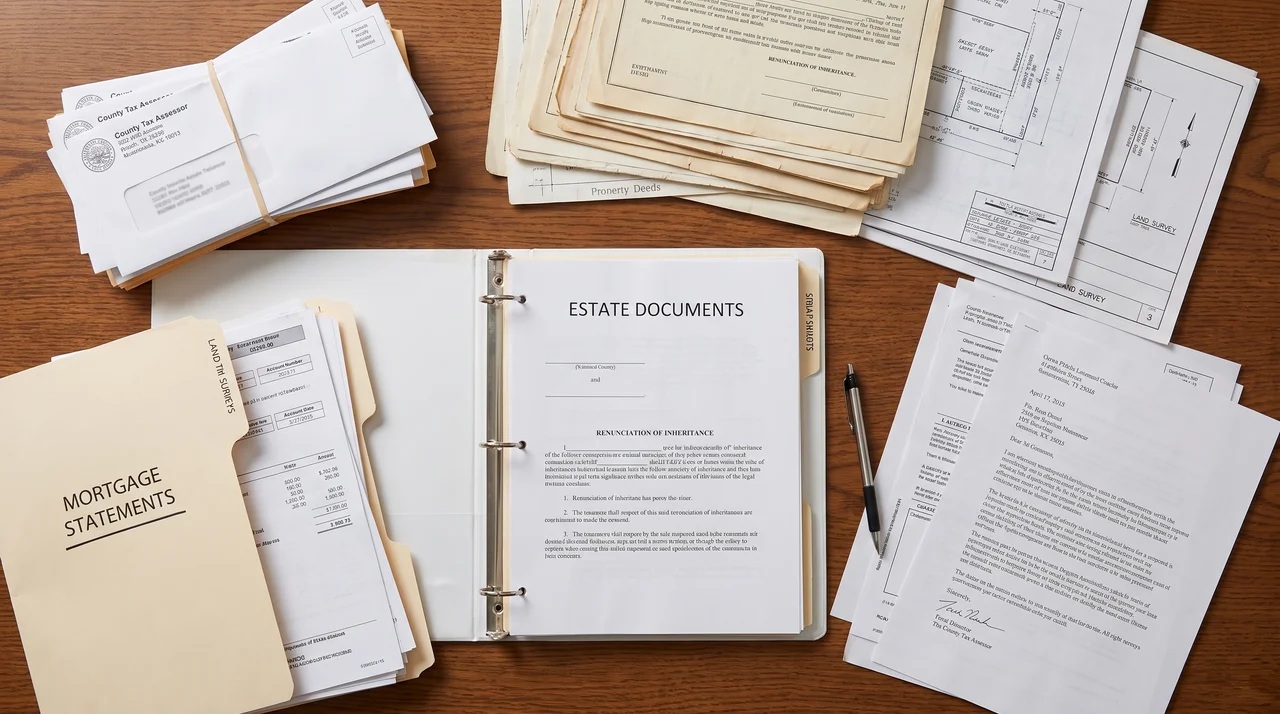
The answer depends less on what you want and more on what you have already done.
1. Inherited Property With Debts or Obligations
This is the most common reason people look into renunciation. Someone passes away and leaves behind a property that sounds valuable on paper but comes loaded with unpaid property taxes, an underwater mortgage, or liens from creditors.
Accepting it means accepting all of that. Most heirs do not realize they have a choice until it is almost too late to exercise it.
The good news is that you can walk away. But timing is everything. Under IRC Section 2518, you generally have nine months from the date of death to file a qualified disclaimer.
Miss that window and you may be stuck with the property and everything attached to it.
Some states set even shorter deadlines, so checking your local probate rules the moment you learn about an inheritance is always the smarter move.
2. Stepping Down as an Executor or Trustee
Being named an executor sounds like an honor until you realize what the job actually involves.
The role means managing the estate, dealing with creditors, filing taxes, and distributing assets, sometimes across years of legal back-and-forth. Named without being consulted, or handed an estate far more complicated than you expected, stepping down before you start is a legal option most people do not know they have.
If you were named without being asked, or if the estate turns out to be far more complicated than expected, you have the right to step down before you start.
The critical word there is before. Once you begin managing estate assets, even something as small as paying a bill or collecting rent on a property, the law considers that intermeddling.
At that point, your right to renounce disappears. The Deed of Renunciation must be signed and filed with the probate court before you take any action on the estate.
Acting first and asking questions later is the mistake that costs people this option entirely.
3. When a Real Estate Agent Withdraws from Representation
Renunciation in an agency relationship works differently from the inheritance context. Here, a licensed real estate agent or broker formally ends their professional relationship with a client.
The term for this on the client's side is revocation; when a principal ends the agency relationship by dismissing the agent.
Renunciation and revocation describe the same event from opposite sides: renunciation is the agent walking away; revocation is the client ending it.
This matters legally because depending on the circumstances, either party may owe the other compensation or face liability for ending the relationship unilaterally. State law governs which party can exit without penalty and under what conditions.
This can happen for several legitimate reasons, a conflict of interest surfaces, the client's instructions cross ethical lines, or the working relationship breaks down beyond repair.
The agent cannot simply stop returning calls and consider the matter closed. A formal written notice is required to make the withdrawal legally clean.
Without it, the agent may still owe fiduciary duties to the client and could face professional or legal consequences. Proper documentation protects both sides.
It creates a clear record of when the relationship ended and ensures neither party is left with unexpected obligations after the fact.
The Rules You Must Know Before You Renounce
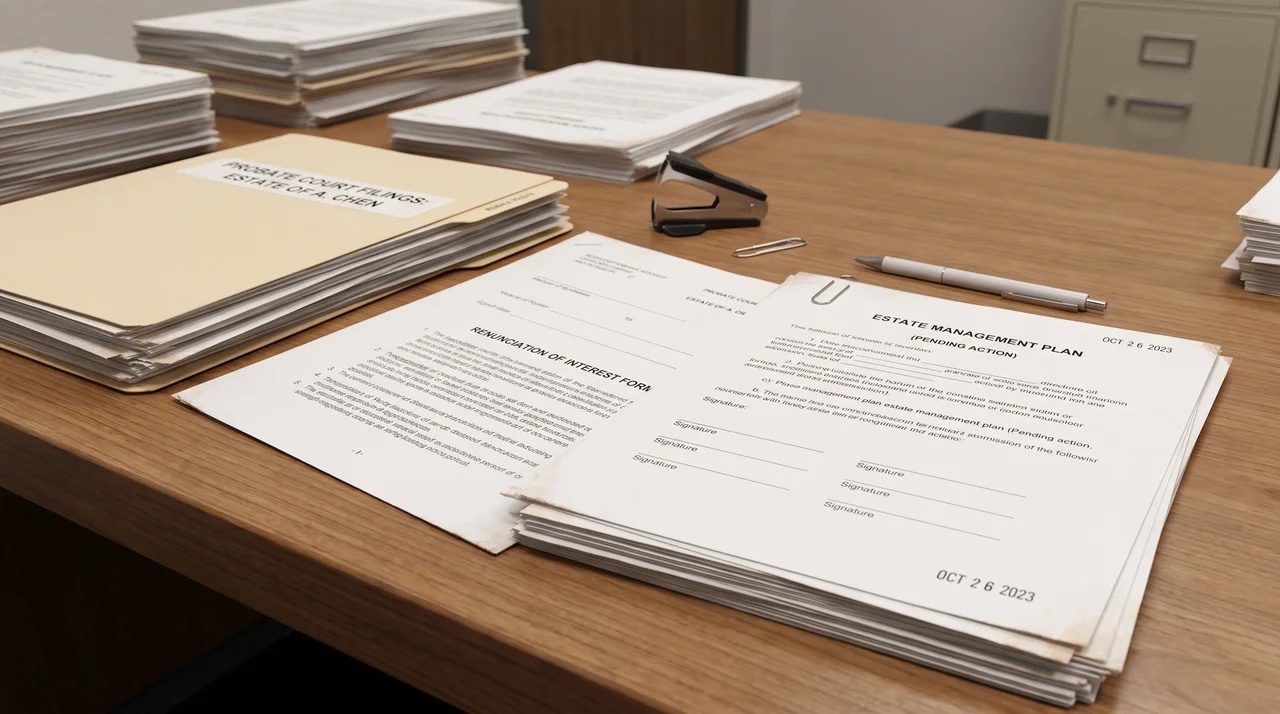
One wrong move before you sign anything can close the door on you permanently.
The No Prior Acceptance Rule
This rule is where most people unknowingly disqualify themselves.
The law is straightforward: if you have already accepted a property interest in any form, you cannot renounce it afterward. But what counts as acceptance is where things get tricky.
It is not just about signing paperwork. Courts have treated actions like collecting rent, making repairs, paying property taxes, or even moving personal belongings into the property as informal acceptance.
You do not need to sign anything to lose your right to renounce. Simply behaving like an owner is enough for a court to say you accepted the interest.
This matters most in family situations where someone starts handling a deceased relative's property out of goodwill before understanding the legal implications.
A few weeks of managing things informally can permanently eliminate an option that would have saved them from significant financial liability.
If you think renunciation might be relevant to your situation, get legal advice before you touch anything.
What you need to know going in: whether any of your prior actions already constitute acceptance, how much of the nine-month window remains, and what the property's actual net value is after debts, because those three answers together determine whether renunciation is still available and whether it actually makes financial sense.
What Intermeddling Means and Why It Disqualifies You
Intermeddling is the executor-specific version of the prior acceptance problem. It refers to any action an executor takes that involves managing or controlling estate assets before formally accepting the role.
The law treats it as implied acceptance, and once it happens, the right to renounce that role is gone. What counts as intermeddling is broader than most people expect.
Paying an estate bill, contacting creditors, making decisions about estate property, or even communicating with beneficiaries in an official capacity can all qualify.
Courts do not require intent. If the action looked like estate management, that is usually enough.
The practical takeaway is simple. If you were named executor and you are unsure whether you want the role, do nothing until you have spoken to a probate attorney.
A single well-meaning action taken before you understand your options could bind you to years of legal responsibility you never wanted.
Why Renunciation Is Permanent
Renunciation is not a decision you can revisit. Once the document is properly signed, notarized, and filed with the probate court or land records office, it is legally final.
The law treats you as if you never held the interest, and there is no process to reverse that.
The only way a completed renunciation can be challenged is through evidence of fraud, undue influence, or mental incapacity at the time of signing.
These are high legal bars to clear, and simply changing your mind does not come close to meeting them.
That is why the decision deserves careful thought, a full understanding of where the property goes next, and in most cases, a conversation with an estate attorney before anything is signed.
What Happens After You Renounce?
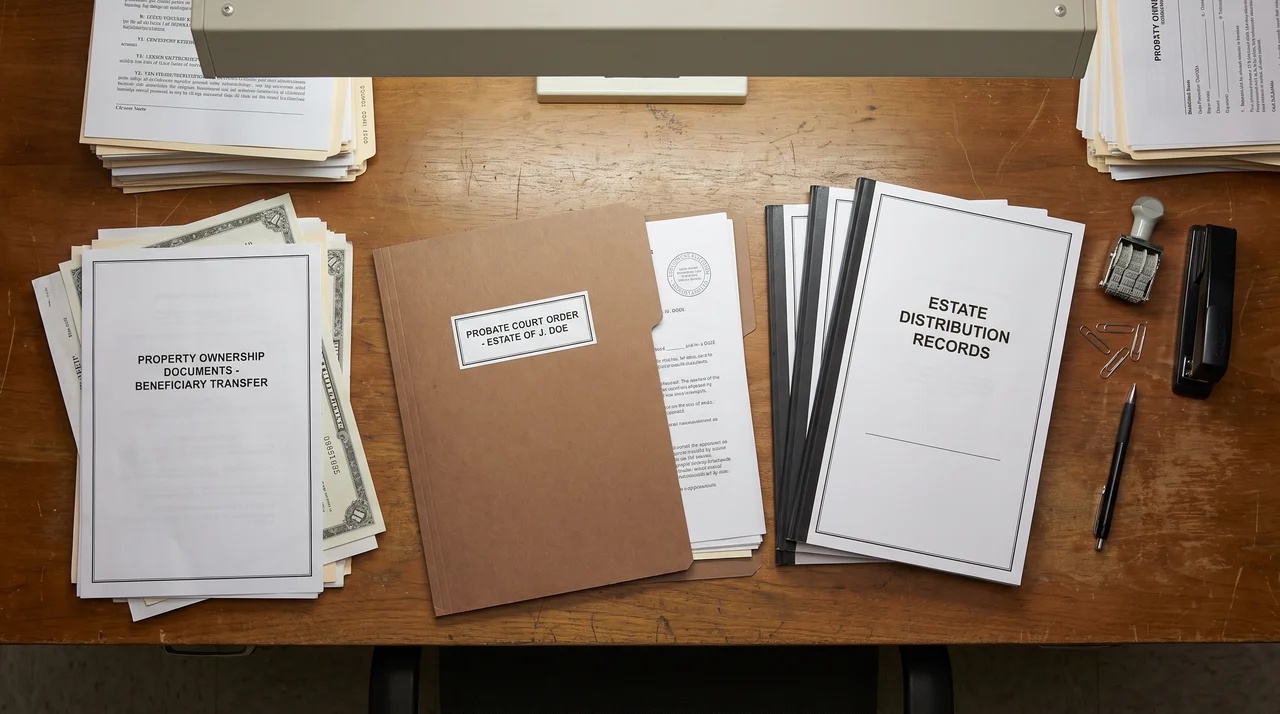
Signing the document is just the beginning. What comes next is where most people draw a blank.
Where Does the Property Go?
Once you renounce, the property passes according to legal rules, not your personal preferences.
You have no control over where it goes and cannot direct it to a specific person just because you want them to have it.
The reason you lose that control is the relation-back doctrine.
Under this legal rule, a valid renunciation is treated as if it happened before the original owner died, meaning the law considers you to have predeceased them.
That fictional sequence is what determines who inherits next: the distribution follows whatever rules would have applied had you never been in line at all.
If there is a will, the property passes to the alternate beneficiary named in it. If no alternate is named, it falls into the residual estate. If a trust is involved, the trust document decides who receives the interest next.
When there is no will, intestate succession laws take over. The renounced interest passes as if you had died before the original owner, moving to the next eligible person in the statutory line. The property might end up with someone you never intended to benefit, so map this out before you sign.
If no eligible heir exists anywhere down that line, the property may escheat to the state. The government takes legal ownership. It is rare, but it happens.
How the Court Handles the Redistribution
Once a valid renunciation is filed, the probate court reviews it against every legal requirement written, signed, notarized, filed on time, and free of any prior acceptance. One missing element and the court can reject it entirely.
If everything checks out, the court issues a formal order transferring the interest to whoever is next in line. That order is what makes the redistribution legally real.
Without it, the ownership change has no standing in any property record.
Timelines vary. Simple estates with a clear alternate beneficiary can move through the court in a matter of weeks. Complex ones involving creditor claims or family disputes can drag on for a year or more.
The anti-lapse statute in many states can also redirect the interest to the renouncing party's own descendants rather than sideways to other heirs, sometimes producing results nobody expected.
For real estate specifically, the court order also needs to be recorded with the county land records office. This keeps the title chain clean for any future sale. Skip that step and you risk costly title complications down the line.
When Renunciation Makes Sense and When It Does Not
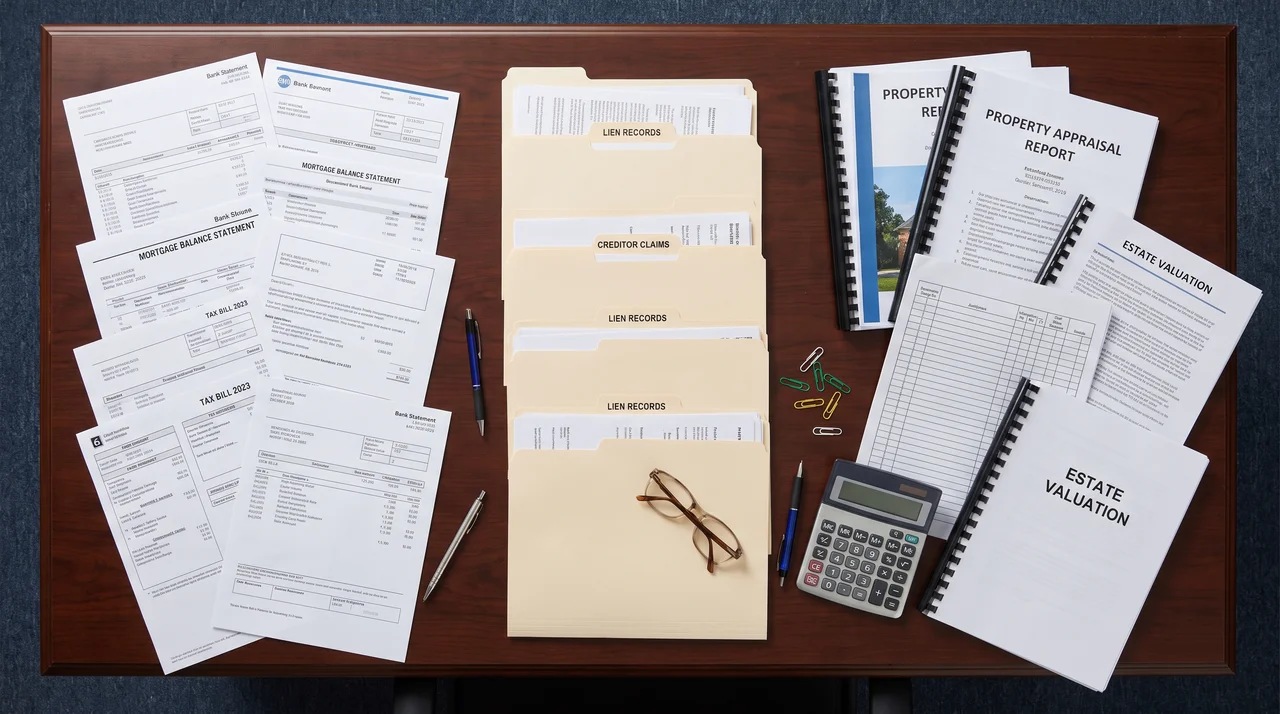
Once you understand the rules, the harder question is whether renunciation is actually the right call for your situation.
It makes sense when the financial burden of a property clearly outweighs its value.
Think unpaid property taxes stacked on top of a mortgage you cannot afford, or a property tangled in creditor claims that would take years to resolve.
It also makes sense when passing the interest to the next beneficiary serves the family better than you accepting it.
But it is the wrong move when you renounce without knowing who gets the property next.
When the asset actually has value you are walking away from out of panic, or when Medicaid look-back rules could treat your renunciation as a disqualifying transfer, Medicaid reviews asset transfers made within the five years before an application, and a renunciation made below fair market value can trigger a penalty period that delays coverage precisely when someone needs it most.
The decision is permanent, so it deserves more than a quick judgment call.
A qualified estate attorney can run the numbers, check the downstream outcome, and tell you in plain terms whether renunciation helps or hurts your specific situation before you sign anything you cannot undo.
Conclusion
Renunciation in real estate is one of those legal tools that can either protect you completely or close off your options forever, depending on how well you understand it before you act.
The rules around prior acceptance, intermeddling, deadlines, and where the property goes next are not details you can figure out after signing. They are the whole decision.
Frequently Asked Questions
Can a Minor Renounce an Inherited Property?
No. Minors cannot renounce property on their own. A court-appointed guardian must act on their behalf, following the probate rules specific to that state.
Does Renouncing Property Affect Your Credit Score?
Renunciation itself does not impact your credit score directly. However, unpaid debts attached to the property may already be affecting your overall credit profile.
Can You Renounce Only Part of an Inherited Property?
Yes. Partial renunciation is legally allowed in most states. You can give up a fractional share or a limited interest rather than the entire inherited property.
What Happens if the Renunciation Deadline Is Missed?
You likely lose the right to renounce entirely. Missing the deadline, especially the nine-month federal window, typically means automatic acceptance of the property and all its obligations.
Is Renunciation the Same Process in Every State?
No. Each state sets its own filing rules, deadlines, and eligibility conditions. Always verify the specific requirements in the state where the property is physically located.