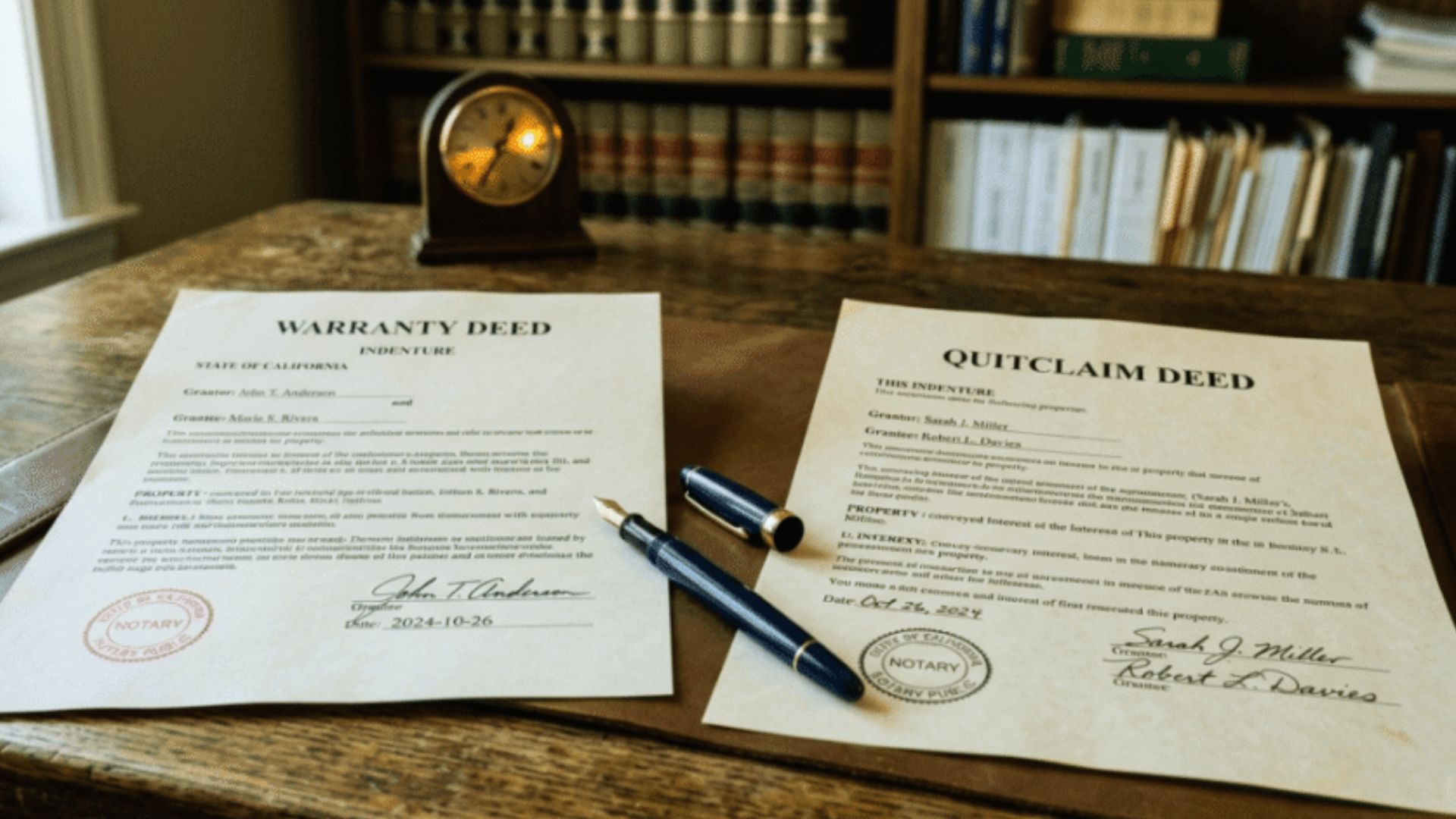


Yes, you can sell a house with code violations in most cases. No law stops you from listing a home that has open violations, but you are legally required to disclose what you know to potential buyers, skipping that step can lead to lawsuits after closing.
Code violations can lower your asking price, limit your buyer pool, and cause financing problems, since lenders often require homes to meet minimum livable conditions. Cash buyers and investors are more flexible, but they'll still factor violations into their offers. The key is knowing what violations exist and choosing the right selling strategy from the start.
Note: cost figures throughout this guide are general ranges based on typical U.S. markets. Actual costs vary significantly by region, contractor, and project scope, always get local estimates before making a decision.
Common Code Violations That Can Delay or Affect a Sale
Not all code violations are created equal. Some are quick fixes, while others can hold up a sale for weeks or even months.
Building and Structural Code Violations
Structural violations are among the most serious. These include foundation cracks, load-bearing wall damage, illegal additions without permits, or rooms that do not meet minimum size or ceiling height requirements.
Buyers and lenders take structural issues very seriously. These violations often require licensed contractors to fix, and the cost can be significant.
If your home has structural violations, expect them to affect your price and buyer pool. Some buyers will walk away entirely. Others, like investors, may still make an offer but at a lower price.
Electrical, Plumbing, and HVAC Violations
Outdated wiring, missing ground fault circuit interrupter outlets, illegal panel upgrades, and improper plumbing connections are common violations in older homes.
HVAC systems that were installed without permits also fall into this category.
These violations can be a red flag for conventional lenders. FHA and VA loans have strict property condition requirements, and homes with these issues often do not qualify.
Cash buyers or investors are usually more flexible.
Roofing and Fire Safety Issues
Missing smoke detectors, improper attic venting, and roofs that do not meet current codes are common fire safety violations.
Some states require working carbon monoxide detectors as a condition of sale.
Roof code violations can include improper flashing, missing underlayment, or too many layers of shingles.
These issues can also trigger insurance problems for the new buyer.
Unpermitted Renovations and Additions
This is one of the most common code issues sellers face.
A previous owner may have added a bathroom, converted a garage, or finished a basement without pulling the proper permits.
Unpermitted work is not just a code violation. It can also mean the square footage of the home is not accurately reflected in public records.
Getting permits after the fact, also called retroactive permits, is possible in many areas. But the process takes time and money.
Some sellers choose to disclose the unpermitted work and let the buyer handle it.
Zoning and Property Use Violations
If part of your home is being used in a way that does not match its zoning classification, that is a violation.
Common examples include running a business out of a residentially zoned property, having an illegal rental unit, or using land in ways not permitted by local ordinances.
Zoning violations can make it difficult to sell the home for certain uses. Buyers who want to continue using the property in the same way may run into legal problems of their own.
Health and Environmental Hazards
Lead paint, asbestos, mold, and radon fall into this category. In older homes, these hazards are more common.
Some states require specific disclosures or tests for these issues. Others leave it up to the seller to disclose what they know.
Environmental violations can scare off buyers and lenders alike.
Remediation can be expensive, but in some cases, disclosing the issue and offering a price reduction is enough to keep a deal alive.
Your Best Selling Options
There's no one-size-fits-all answer. Your best option depends on your timeline, budget, and the severity of the violations.
- Sell as-is. List the home without repairs, disclose the violations, and price accordingly. No upfront repair costs, works well for inherited or distressed properties, but expect a lower sale price.
- Fix the violations before listing. Worth it when repair costs are much lower than the value they add — buyers feel more confident in a home that meets current codes. Always get estimates from licensed contractors first.
- Offer repair credits to buyers. Give the buyer money at closing to cover the fix themselves. Keeps the sale moving without construction on your end, and it's a common, accepted middle ground.
- Negotiate a lower selling price. If a buyer finds violations during inspection, they may ask for a price cut instead of repairs or credits. Price fairly from the start rather than pricing high and negotiating down later.
- Sell to a cash buyer. Cash buyers can purchase homes with violations quickly and without lender-related property requirements — a practical option when speed matters most.
- Sell to a real estate investor. Investors buy in any condition and factor repair costs into their offers upfront. Work with a reputable investor and have someone review the contract before signing.
How to Sell a House With Code Violations Step by Step

Knowing the process helps you move forward with confidence and avoid costly mistakes.
Identify All Existing Code Violations
Start by finding out exactly what violations your property has. Check with your local building department.
They can tell you if any open violations are on record. You can also look for any notices that were previously issued.
Do not skip this step. Knowing what you are dealing with upfront lets you plan your next move properly.
Request a Professional Home Inspection
Hire a licensed home inspector to do a thorough review of the property.
An inspector can spot code issues you may not be aware of, including things that were done incorrectly but never flagged by the city.
A pre-listing inspection gives you a full picture of the home's condition before buyers start making offers. It also shows buyers that you are being transparent.
Get Repair Estimates
Once you know what violations exist, get quotes from licensed contractors. This helps you understand the cost of fixing the issues and decide whether repairs make financial sense.
Get at least two or three estimates so you have a realistic range. These numbers will also help you price the home correctly if you decide to sell as-is.
Decide Between Repairs and Selling As-Is
Compare the cost of repairs to the potential increase in sale price. If fixing the violations costs more than the value they add, selling as-is may be the smarter choice.
If repairs are inexpensive and significantly improve the home's value, it may be worth doing them.
There is no universal right answer. Run the numbers for your specific situation.
Make All Required Seller Disclosures
Fill out your state's disclosure forms completely and honestly.
If you are unsure what is required where you live, the Disclosure Laws section below covers state-specific rules and the consequences of hiding known violations.
Price the Property Correctly
Look at recent sales of comparable homes in similar condition and work with an experienced agent to set a fair price.
The right price upfront reduces the likelihood of deal-breaking negotiations later.
Market the Home to the Right Buyers
Not every buyer is a good fit for a home with code violations. Focus your marketing on cash buyers, investors, and people looking for a project.
Be clear in the listing that the home is being sold as-is or that violations exist.
Targeting the right audience saves time and reduces the likelihood of deals falling apart during due diligence.
Close the Sale Successfully
Once you have an accepted offer, work closely with your title company, attorney, and agent to make sure everything is in order.
Some violations may need to be resolved before closing, especially if there are open permits or city notices. Stay on top of deadlines and communicate clearly with all parties.
Selling As-Is vs Fixing Code Violations Before Selling
Both approaches have real advantages. The right choice depends on your timeline and financial situation.
| Factor | Selling As-Is | Fixing Violations First |
| Speed | Faster, often weeks | Slower, repairs take time |
| Upfront Cost | None | Can be significant |
| Sale Price | Lower | Higher |
| Buyer Pool | Investors, cash buyers | Broader, includes financed buyers |
| Negotiating Power | Limited | Stronger |
| Financing Eligibility | Often cash only | Opens conventional loan options |
| Closing Timeline | 7 to 21 days with cash buyers | 30 to 60 days or more |
| Risk | Fewer unknowns for seller | No guarantee repairs recover full cost |
| First-Time Buyer Appeal | Low, most avoid as-is homes | High, more buyer confidence |
| Contractor Management | Not required | Required, adds time and stress |
| Money Potential | Lower final price | Higher final price if costs are managed |
| Best For | Tight timeline, no repair budget | Stable timeline, manageable repair costs |
| Renovation Loan Buyers | Rarely applicable | 45 to 60 days depending on lender |
| Overall Stress Level | Lower for seller | Higher due to repair process |
Disclosure Laws and Legal Requirements Sellers Should Know
Not knowing the rules does not protect you from the consequences of breaking them.
What Must Sellers Disclose?
Disclosure requirements vary by state, but the standard rule applies nationally: if you know about it, you disclose it, including violations that were never formally cited.
State Disclosure Laws
Every state has its own disclosure rules. Some states require sellers to fill out detailed disclosure forms covering dozens of topics.
Others have fewer requirements. California, for example, has some of the most comprehensive disclosure laws in the country.
Texas requires disclosure of known defects but has its own specific forms.
Always check the disclosure requirements for your state before listing your home.
Penalties for Hiding Code Violations
If you knowingly hide code violations and the buyer discovers them after closing, you can face a lawsuit.
Penalties can include being required to pay for repairs, legal fees, and damages. In serious cases, a court could rescind the sale entirely.
The risk is simply not worth it. Disclosure protects you as much as it protects the buyer.
When to Consult a Real Estate Attorney
If you have serious violations, open city notices, or any questions about your legal obligations, consult a real estate attorney before listing.
An attorney can review your disclosures, advise you on local laws, and help protect you from liability.
Typical Cost to Fix Common Code Violations
Understanding the cost helps you make a smart decision about whether to repair or sell as-is.
Minor Code Violation Repair Costs
Minor violations are usually the easiest to handle before listing. The costs are low and the return in buyer confidence is high.
- Missing handrails: a few hundred dollars
- Outdated smoke or carbon monoxide detectors: under $100 in most cases
- Small electrical issues: $150 to $400 depending on the scope
- GFCI outlet upgrades:$150 to $400 depending on how many outlets need replacing
These fixes are almost always worth doing before you list the home.
Major Structural Repair Costs
Structural repairs are a completely different category. The costs are significant and the decision to repair should never be made without getting multiple estimates first.
- Foundation repairs: $5,000 to $30,000+
- Load-bearing wall repairs: can run into the tens of thousands
- Major roof work or code non-compliant roofing: tens of thousands depending on scope
Before committing to any major repair, compare the total cost against the expected increase in your final sale price.
If the numbers do not work in your favor, selling as-is is likely the smarter move.
Permit and Inspection Fees
Getting permits for unpermitted work comes with its own set of costs beyond just the construction.
- Filing fees: varies by city and violation type
- Contractor costs for permitted work: added on top of filing fees
- Inspection fees: required before permits are closed out
- Total permit costs: a few hundred to several thousand dollars
- Processing time: months in some cities, which can significantly affect your selling timeline
Should You Repair or Sell Without Fixing?
The decision comes down to one simple comparison: what the repair costs versus what it adds to your sale price.
- Minor violations with low repair costs: fix them before listing
- Major violations with high repair costs:selling as-is is often the better financial move
- Always run the numbers carefully before making a final call
- Get at least two to three contractor estimates before deciding on major repairs
Common Mistakes to Avoid When Selling a House With Code Violations
Avoiding these mistakes can save you time, money, and legal trouble.
- Failing to disclose known violations is the most serious mistake. It can result in lawsuits and financial penalties long after the sale is done.
- Overpricing the property leads to a home sitting on the market too long. Price to condition from day one.
- Ignoring local building codes can create problems during title transfer, especially if the city has active notices on the property.
- Accepting the first offer too quickly without reviewing it carefully can cost you money. Take time to compare offers, especially if multiple buyers are interested.
- Skipping professional advice is a mistake many sellers regret. An experienced real estate agent and, when needed, a real estate attorney can help you avoid costly errors.
Cash Buyer vs Traditional Buyer for Homes With Code Violations

Choosing the right buyer type can make or break your sale.
| Factor | Cash Buyer | Traditional Buyer |
| Sale Timeline | Often 1–3 weeks | Typically 1–2 months, sometimes longer |
| Price Expectations | Speed and certainty, usually below market value | Potentially higher price, but more conditions |
| Inspection | Often skipped or waived, or accepted without demands | Almost always required, may request repairs or credits |
| Closing Costs | Often covers more of their own costs | May ask seller to contribute, especially after a price reduction |
| Best For | Priority on speed and certainty | Priority on the highest possible price, with time to wait |
Expert Tips to Sell Faster and Avoid Legal Problems
- Collect permits and repair records. Documentation of past work builds buyer confidence and helps justify your price.
- Be honest with buyers. Transparency up front avoids disputes later and keeps deals together through closing.
- Get multiple repair estimates. Two or three quotes gives you a realistic picture of costs and more leverage in negotiations.
- Work with an experienced agent. One who has sold distressed properties knows how to market your home and attract the right buyers.
- Keep documentation organized. Inspection reports, disclosure forms, and contractor bids all in one place makes the process smoother for everyone.
Conclusion
Selling a house with code violations is entirely possible, and with the right approach, it doesn't have to cost you more than necessary.
Know your violations, understand your options, price the home fairly, and follow all disclosure laws.
Whether you fix the issues, sell as-is, offer credits, or work with a cash buyer comes down to your specific timeline, budget, and the severity of what's involved.
Frequently Asked Questions
Can a seller be sued after closing for code violations?
Yes. If you knew about violations and did not disclose them, the buyer can sue you for damages, repair costs, or even to reverse the sale.
Do code violations show up on a title search?
Some do. Open permits and city-issued violation notices often appear in public records, which a title search will typically reveal.
Can I sell an inherited home with code violations?
Yes. Inherited homes can be sold as-is with violations. You must still disclose what you know, even if the issues existed before you owned the property.
Will a real estate agent help me sell a home with code violations?
Yes, most experienced agents can help you list and sell a home with violations. Look for agents who have experience with as-is or distressed property sales.
Does selling a home with code violations affect my credit?
No. Selling a home with violations does not directly affect your credit score, as long as you fulfill your financial obligations during the transaction.