Buying a house is one of the biggest decisions you will ever make. I know because I have been through it myself, and it felt overwhelming at first.
In this article, I will walk you through the steps to buying a house so you always know what comes next. You will learn how to budget, find a home, make an offer, and close the deal.
With years of research and real experience guiding this guide, I am here to help. By the end, you will have a clear plan and feel ready to take the first step.
Understanding the Home Buying Process

Buying a home involves many moving parts. You deal with lenders, agents, inspectors, and lawyers, sometimes all at once. Each step depends on the one before it, so if one thing slows down, the whole process stalls.
Most purchases take 30 to 60 days after an offer is accepted, but the full process, from saving for a down payment to closing day, can take several months.
Your credit score, income, and the local housing market all shape how fast things move.
Knowing your starting point, setting realistic goals, and planning ahead helps you stay on track and avoid last-minute surprises.
Steps to Buying a House (6 Simple Stages)
Here is a clear breakdown of each step so you know exactly what to do and when to do it.
Step 1 – Get Pre-Approved and Set Your Budget

A lender checks your income, credit, and debts to tell you how much you can borrow. Most lenders want your total debt payments below 43% of your monthly income.
Pre-approval also shows sellers you are serious and ready to buy. It also helps you focus only on homes that fit your actual budget, saving you time and avoiding disappointment later.
Step 2 – Hire an Agent and Start House Hunting

A real estate agent handles paperwork, schedules viewings, and negotiates for you. List what you need versus what you want before you start looking.
Once your priorities are set, your agent finds listings that match and you begin visiting homes.
Take notes during each visit so you can compare options clearly when making your final decision.
Step 3 – Make an Offer and Negotiate
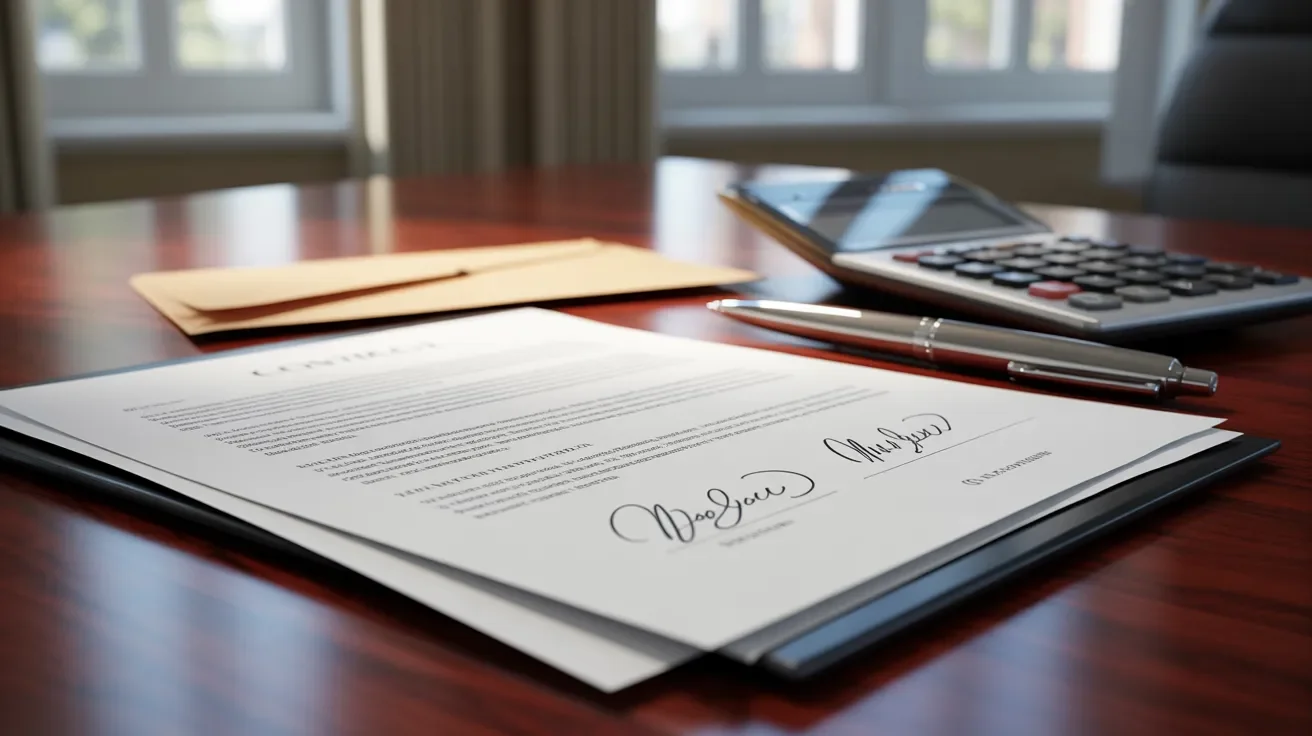
Your agent helps you set an offer price based on similar homes nearby. You will submit earnest money, usually 1% to 3% of the home price, along with contingencies.
If the seller counters, stay calm, know your limit, and stick to it. Having a clear maximum price in mind before negotiations begin keeps you from making decisions driven by emotion.
Step 4 – Begin Mortgage Processing
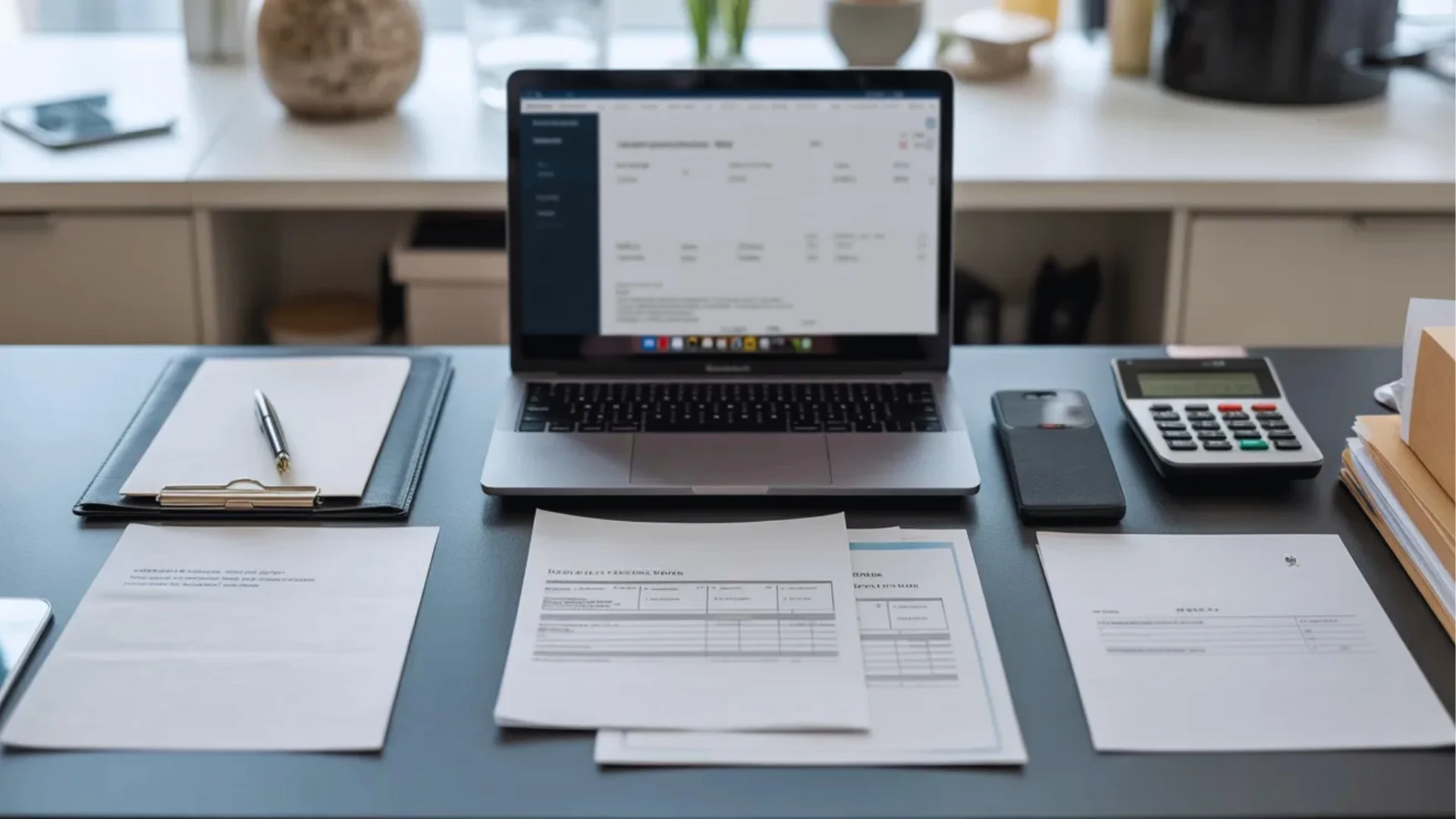
After your offer is accepted, you formally apply for your mortgage and submit documents like pay stubs and tax returns.
The lender then verifies everything through underwriting. Do not open new credit or make large purchases during this time.
Step 5 – Inspection, Appraisal, and Title Check
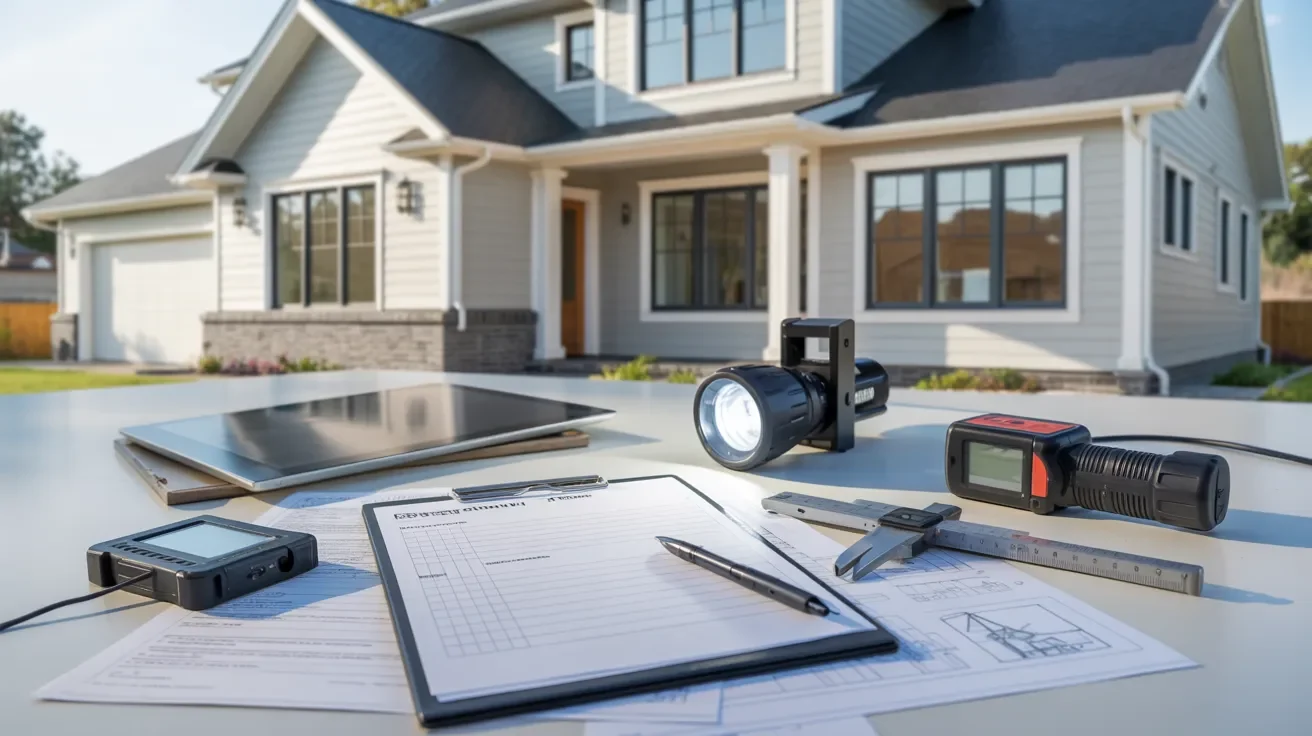
A licensed inspector checks the roof, plumbing, foundation, and electrical systems. Your lender orders an appraisal to confirm the home’s value.
A title search makes sure the seller legally owns the property with no liens attached.
If any issues come up during this stage, you still have options to renegotiate or walk away with your deposit protected.
Step 6 – Final Approval and Closing
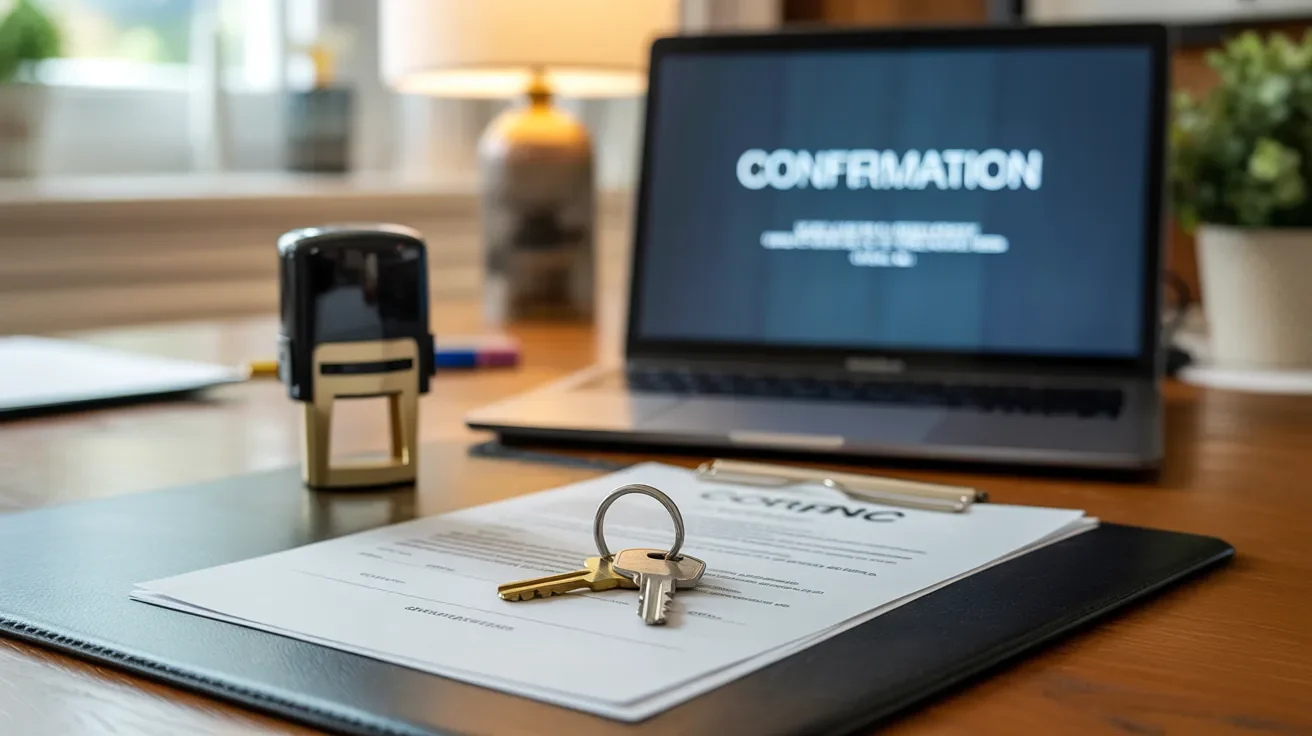
Once the lender clears your loan, you receive a closing disclosure with all final costs. On closing day, you sign the paperwork and bring your payment.
After funds are transferred, you receive the keys and officially become a homeowner. Review all closing documents carefully before signing so there are no surprises about fees or loan terms.
Costs Involved When Buying a House
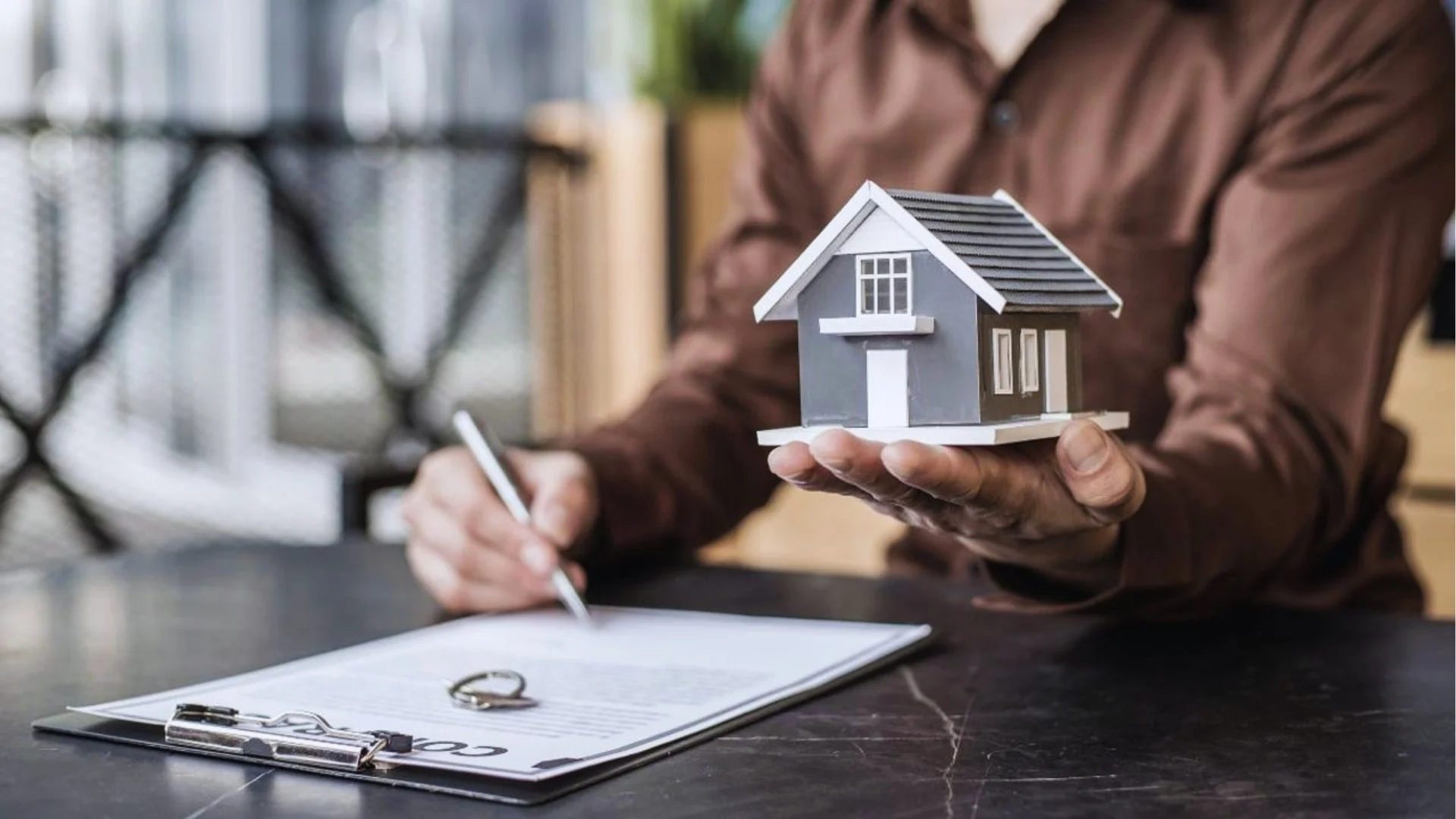
Understanding the full cost upfront helps you prepare and avoid any financial surprises on closing day.
Down Payment Requirements
Most conventional loans ask for 5% to 20% down. FHA loans allow as little as 3.5% with a credit score of 580 or higher.
A larger down payment lowers your monthly payment and may help you avoid private mortgage insurance.
Closing Costs Explained
Closing costs usually run between 2% and 5% of the loan amount. They cover appraisal fees, title insurance, and loan origination charges.
Ask your lender for a loan estimate early so you can plan ahead.
Ongoing Homeownership Expenses
Owning a home costs more than just the mortgage. Budget for property taxes, homeowners insurance, maintenance, and HOA fees if they apply.
Setting aside 1% of your home’s value each year for repairs is a smart habit.
Common Challenges Homebuyers Face

Knowing what can go wrong ahead of time helps you prepare and handle problems without losing your deal.
Financial or Credit Issues
A low credit score or high debt can make approval harder. Check your credit report months before applying. Pay down balances and fix any errors you find.
Delays in Mortgage Approval
Missing documents or slow responses can push back your closing date. Stay organized and reply to lender requests the same day if possible.
Inspection or Appraisal Problems
A bad inspection or low appraisal can put your deal at risk. You can renegotiate, ask for repairs, or walk away using your contingencies if needed.
Tips to Make the Home Buying Process Easier
A few smart habits before and during your search can make the whole experience much less stressful for you.
- Do not change jobs or make large purchases while your loan is being processed.
- Keep your income and finances steady until closing day.
- Gather pay stubs, W-2s, tax returns, and bank statements before you apply.
- Work with a licensed agent, a trusted lender, and a well-reviewed home inspector.
- Set a firm budget and do not go above it, no matter how much you like a home.
- Stretching your finances too thin now leads to long-term stress later.
Conclusion
Going through the steps to buying a house for the first time can feel like a lot. But when you break it into six clear stages, it becomes much more manageable.
I remember feeling lost at first too, and having a solid plan changed everything. Take it one step at a time, stay patient, and lean on the right people.
You do not have to do this alone. If this guide helped you, drop a comment below or share it with someone who is getting ready to buy their first home.
Frequently Asked Questions
How long does it take to buy a house?
After an offer is accepted, the process typically takes 30 to 60 days. From start to finish, including preparation and saving, expect six months to a year.
What credit score do I need to buy a house?
Most conventional loans require a score of at least 620. FHA loans may approve buyers with scores as low as 580 with a 3.5% down payment.
Can I buy a house with no down payment?
VA loans and USDA loans allow 0% down for qualifying buyers. Not everyone is eligible, so check with your lender to see if you qualify.
What is earnest money and do I get it back?
Earnest money is a deposit that shows the seller you are serious. You usually get it back if the deal falls through due to a valid contingency, but may lose it if you back out without one.
What happens if the home inspection finds problems?
You can ask the seller to make repairs, lower the price, or provide a credit at closing. If problems are too serious, you can walk away using your inspection contingency and recover your earnest money.