

When two names are on a deed and one person dies, a lot of people freeze up.
They’re not sure whether they own the property outright, whether they need a lawyer, or whether the deceased person's family can stake a claim.
I've seen this cause real stress, especially when it comes out of nowhere. What actually happens comes down to one thing: how your deed is worded.
What Happens When One Name on a Deed Dies?
The answer changes based on the type of ownership written on the deed, not assumptions or verbal agreements.
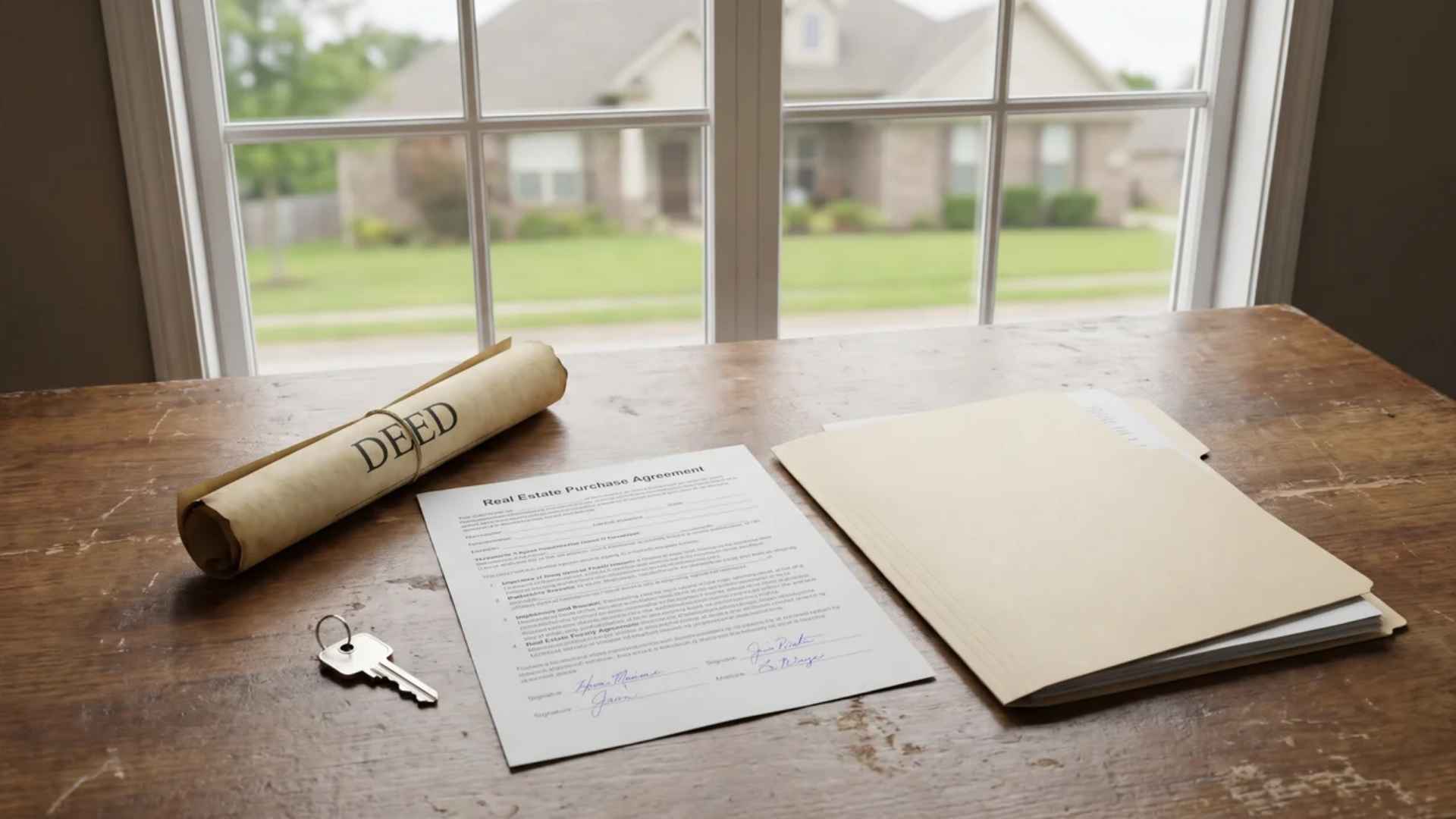
When two names are on a deed and one person dies, the first thing to look at is the ownership language on that deed.
If the deed says " joint tenants with right of survivorship," ownership passes to you automatically.
If it says " tenants in common," the deceased person's share goes to their heirs, not to you by default.
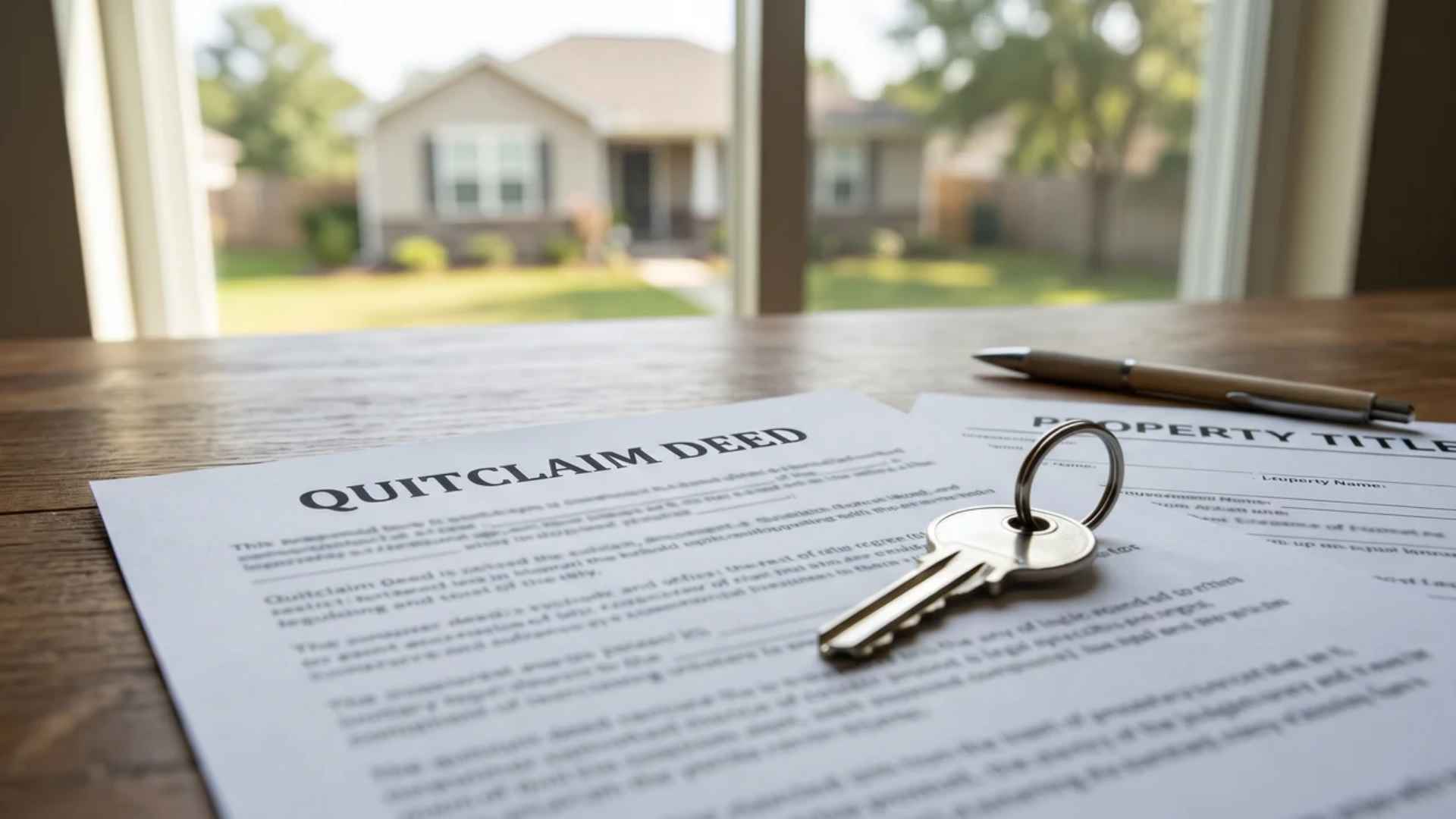
You can find this language near the top of the deed, usually in the same sentence that names both owners.
If your deed doesn't clearly state the ownership type, your state's default rules kick in, and in most states that means tenancy in common, which does not include automatic inheritance.
Joint Tenancy With Right of Survivorship

Joint tenancy is the most straightforward ownership setup when one person dies, but you still need to take a few steps to make it official on paper.
Does the Surviving Owner Get the Full Property?
Yes. Under joint tenancy with right of survivorship, the surviving owner gets 100% of the property the moment the other owner dies.
You don't need a court order. You don't need to wait for a will to be processed. The law transfers ownership automatically.
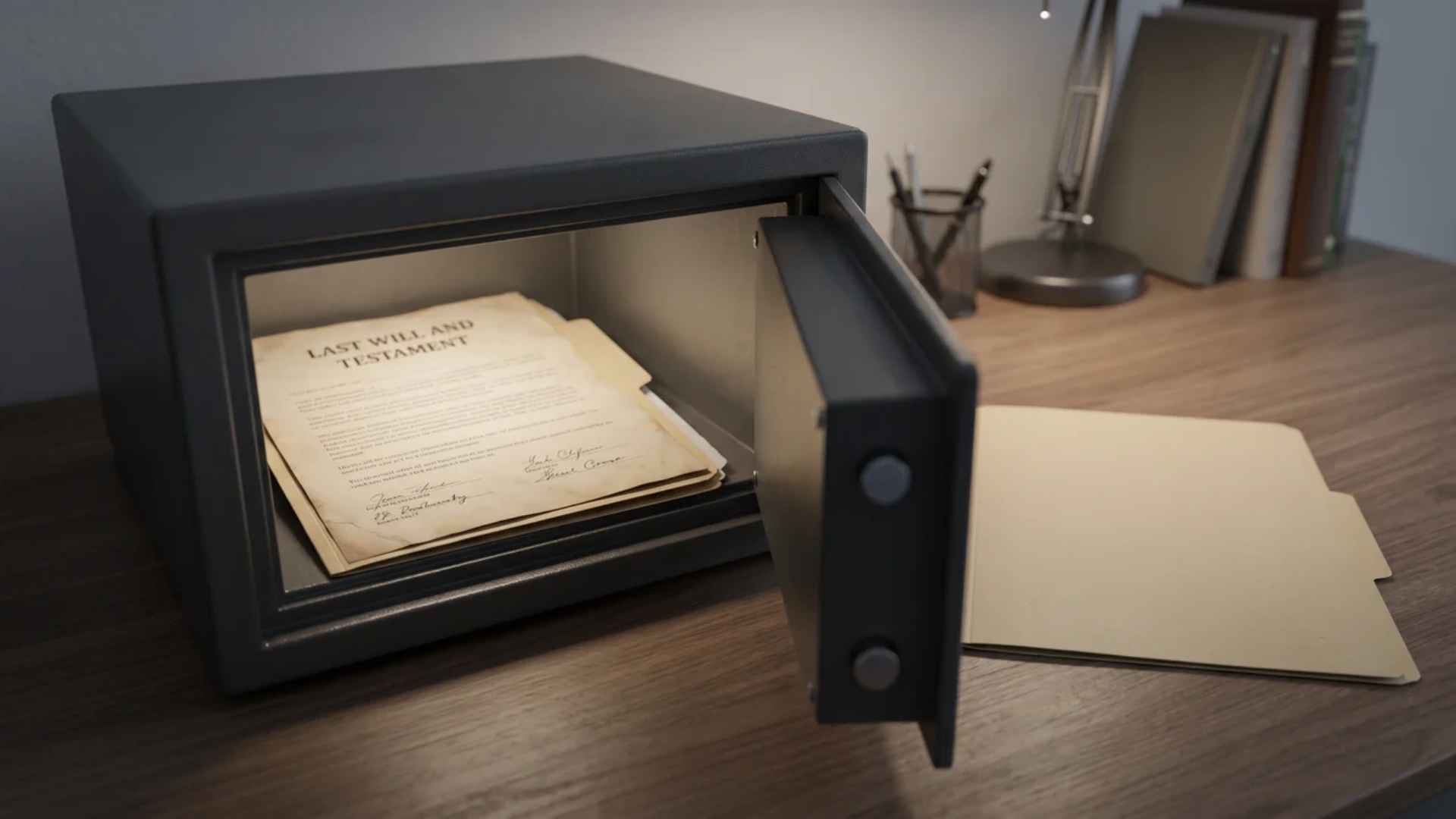
This applies even if the deceased person left a will saying otherwise. A will cannot override joint tenancy.
That's a point most people miss, and it matters a lot if family members start making claims.
For example: if a deceased joint tenant left a will giving their share of the home to an adult child, that child has no legal claim to the property. The will simply has no power over assets that pass by right of survivorship. The surviving joint tenant owns it outright, regardless of what the will says or who contests it.
Does Joint Tenancy Skip Probate?
It does. That's one of the biggest reasons people choose joint tenancy in the first place.
Because ownership transfers automatically by law, the property never becomes part of the deceased person's estate for probate purposes.
Probate timelines vary, but the average estate takes six to nine months to close, and total probate costs including court fees, executor fees, legal and accounting fees can run 4% to 7% of the estate's value in states with statutory fee structures. Joint tenancy sidesteps that entirely. Joint tenancy sidesteps that entirely.
The surviving owner keeps full use and control of the property without waiting for any court process to finish.
Steps to Transfer Title After Death
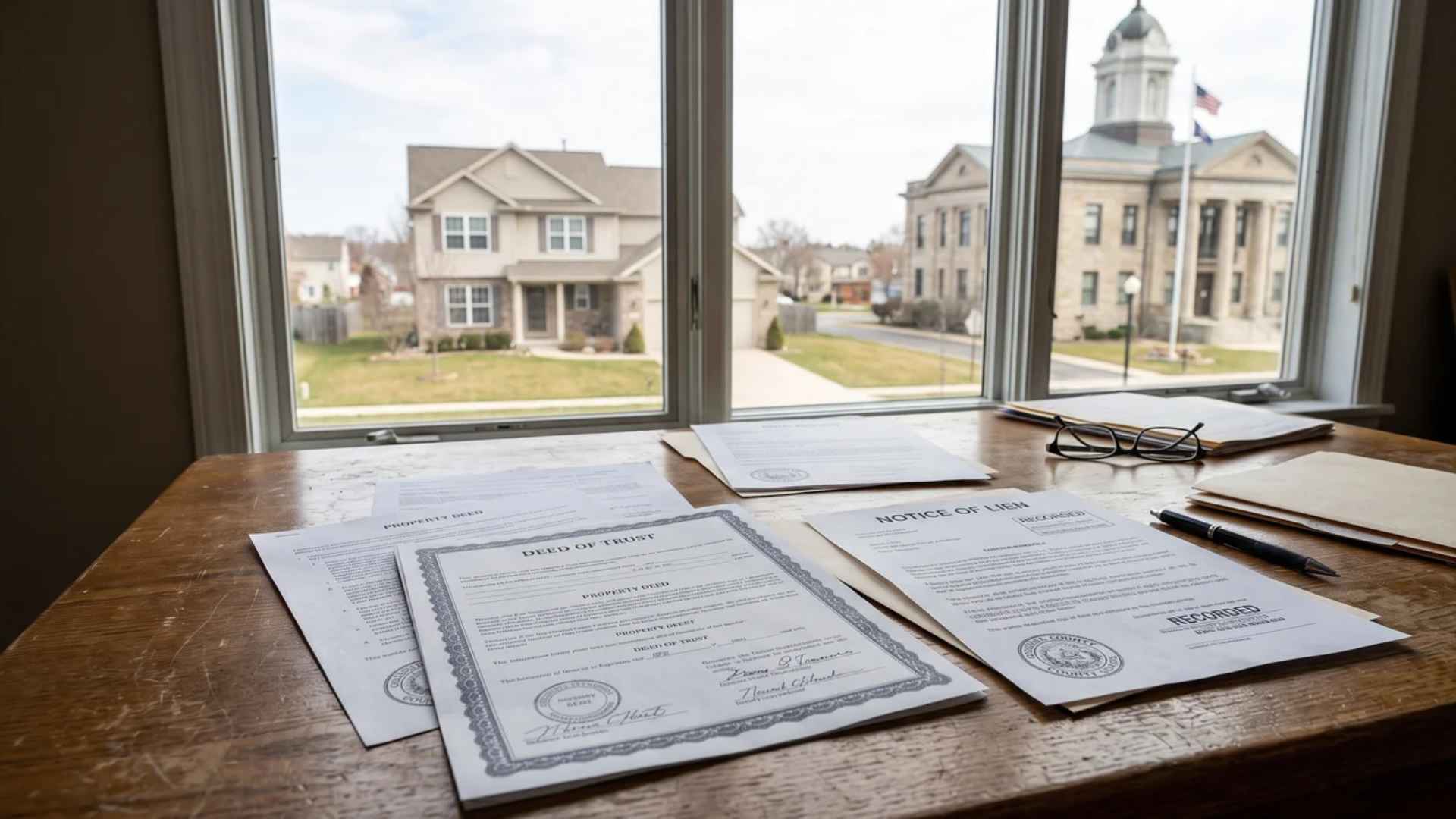
Even though you already own the property legally, the public record still shows two names. You need to clean that up.
Go to your county recorder's office or land records office and file a certified copy of the death certificate.
Some states also require an Affidavit of Survivorship, which is a short form you sign in front of a notary stating that you are the surviving joint tenant.
Once both documents are recorded, the title reflects you as the sole owner.
Recording fees vary by county but typically run between $15 and $50 per document. The total cost to clear the title in a straightforward joint tenancy case is usually well under $100.
Skipping this one doesn't change who legally owns the property. You're already the owner, but it creates a paper trail problem.
If you try to sell, refinance, or borrow against the home while the deceased person's name still appears on the public record, title companies will flag it. The sale or loan can't close until the record is corrected.
That means scrambling to file the paperwork under deadline pressure, which takes longer and costs more than doing it now. File the death certificate and affidavit as soon as you have them.
Tax Implications: The Stepped-Up Basis Rule
When a co-owner dies, there's a tax rule worth knowing before you sell the property.
In most cases, the deceased person's share of the property receives a stepped-up basis at death; the IRS resets the cost basis to the property's fair market value on the date of death, not the original purchase price.
Why does this matter? If you sell the property later, your capital gains calculation is based on the difference between your sale price and your basis. A higher basis means a smaller taxable gain, sometimes significantly smaller, especially on property that's appreciated over many years.
For joint tenancy between non-spouses, only the deceased person's half gets the step-up. For tenancy by the entirety between spouses in community property states, both halves may receive a step-up. The specifics depend on your state and how the property was held.
This isn't something to figure out on your own. Run the numbers with a CPA or tax attorney before you sell
What Happens to the Mortgage When One Owner Dies?
The mortgage doesn't disappear when a co-owner dies. The loan stays attached to the property, and someone still has to make payments.
If you were both on the mortgage, you're already on the hook for the full balance. The lender doesn't need to be notified to keep the loan active, but they'll want to know about the death eventually, especially if you're refinancing or selling later. Keep making payments. A death doesn't trigger a due-on-sale clause on its own.
If only the deceased person was on the mortgage but you're on the deed, the situation gets more complicated. You may need to work with the lender to assume the loan or refinance it into your name.
Federal law, specifically 12 CFR § 191.5, enacted under the Garn-St. Germain Act, generally protects surviving co-owners who inherit through joint tenancy or tenancy by the entirety: lenders cannot call the loan due solely because of that transfer, but you'll want to contact the lender promptly and confirm what steps they require
Tenancy in Common: No Automatic Inheritance
With joint tenancy, the deed does the work. With tenancy in common, the estate does, and that means courts, timelines, and sometimes strangers ending up as your co-owners.
Where Does the Deceased's Share Go?
It goes to whoever the deceased person named in their will. If there's no will, it passes to their legal heirs under your state's inheritance laws, a process called intestate succession.
That means you could end up co-owning the property with someone you've never met, like a sibling or adult child of the deceased.
You don't automatically get their share just because you were on the deed together. The share follows the person's estate, not the co-ownership arrangement.
Does Tenancy in Common Require Probate?
In most cases, yes. The deceased person's share has to go through probate court before it can be legally transferred to anyone else.
Probate is the court-supervised process of validating a will and distributing the estate.
It can take anywhere from a few months to over a year depending on the state and whether anyone contests the will.
During that time, the surviving co-owner still has their own share and can use the property, but the deceased's portion is in legal limbo until probate wraps up.
Tenancy by the Entirety for Married Couples

This type of ownership is built specifically for married couples, and it comes with stronger protections than standard joint tenancy.
What Happens When a Spouse Dies?
The surviving spouse automatically becomes the full owner of the property, similar to joint tenancy.
No probate required. No court process needed. Ownership transfers the moment the other spouse passes.
What makes tenancy by the entirety different is that neither spouse can sell, transfer, or put a lien on the property without the other's consent while both are alive.
It also protects the home from individual creditors. If one spouse has a personal debt judgment against them, that creditor generally cannot force a sale of the home under tenancy by the entirety.
After the death, the surviving spouse files the death certificate with the county recorder, the same process as joint tenancy, and the title is updated to their name alone.
States That Recognize Tenancy by the Entirety
Not every state allows this ownership type. States that recognize tenancy by the entirety include Florida, Maryland, Pennsylvania, New York, New Jersey, Michigan, Virginia, Hawaii, and several others, roughly half of U.S. states in total.
Some states limit it strictly to real property. A few extend it to other assets too, like joint bank accounts or vehicles titled to both spouses.
If you're not sure whether your state recognizes it or whether your deed qualifies, the county recorder's office can confirm, or a local real estate attorney can check the deed language for you in about 15 minutes.
Community Property States: A Different Set of Rules
If you live in one of the nine community property states: Arizona, California, Idaho, Louisiana, Nevada, New Mexico, Texas, Washington, or Wisconsin, your deed may reflect community property ownership rather than one of the three types above.
In community property states, assets acquired during a marriage are generally owned equally by both spouses by default.
When one spouse dies, their half of the community property goes through their estate, unless the deed specifies "community property with right of survivorship," in which case the surviving spouse inherits the full property automatically and without probate.
The distinction matters because community property with right of survivorship can also deliver a full stepped-up basis on both halves of the property at death, a tax advantage that standard joint tenancy doesn't offer.
If you're in a community property state and your deed doesn't clearly state the ownership type, check with a local real estate attorney before assuming how the property will transfer
The Bottom Line
When two names are on a deed and one person dies, the outcome comes down to three words on that deed the ownership type.
Joint tenancy and tenancy by the entirety both skip probate and pass the property directly to you.
Tenancy in common does not. Pull out your deed, find the ownership language, and you'll know exactly where you stand.
If the language is unclear, talk to a real estate attorney in your state before anything else. One conversation now can prevent a much bigger problem later.
Frequently Asked Questions
Does it matter whose name is first on a property deed?
No. The order of names on a deed has no legal effect on ownership rights or what happens when one person dies. What matters is the ownership type stated in the deed, not whose name appears first.
Can you still withdraw money from a joint bank account if one person dies?
Yes, in most cases. Joint bank accounts typically carry the right of survivorship automatically, so the surviving account holder can access funds immediately. This is separate from property deeds and follows banking rules, not real estate law.
Do I need a lawyer if I'm the surviving joint tenant?
Not always — and in many cases, you can handle it yourself. If the deed clearly states joint tenancy with right of survivorship and you have a certified death certificate, most county recorders will process the transfer without an attorney involved. Where it gets complicated: unclear deed language, an active mortgage, or a dispute from the deceased person's heirs. Any of those situations is worth a quick consultation with a local real estate attorney before you file anything.
What if the deceased had no will and owned property as a tenant in common?
Their share passes under your state's intestate succession laws. That typically means it goes to a spouse first, then children, then parents or siblings. The probate court oversees this process and ultimately determines who becomes your new co-owner.