If you share a driveway, path, or utility line with a neighbor, you have probably wondered who is supposed to maintain it and who pays when something breaks.
Easement maintenance in Texas confuses a lot of property owners, and the wrong assumption can lead to costly disputes.
I have worked through property boundary and easement questions with landowners across Texas, and the number one mistake people make is assuming the answer is obvious.
It is not. This article breaks down who is responsible for easement maintenance in Texas, what the law says, and how to protect yourself before a dispute starts.
How Easement Maintenance Works Under Texas Law
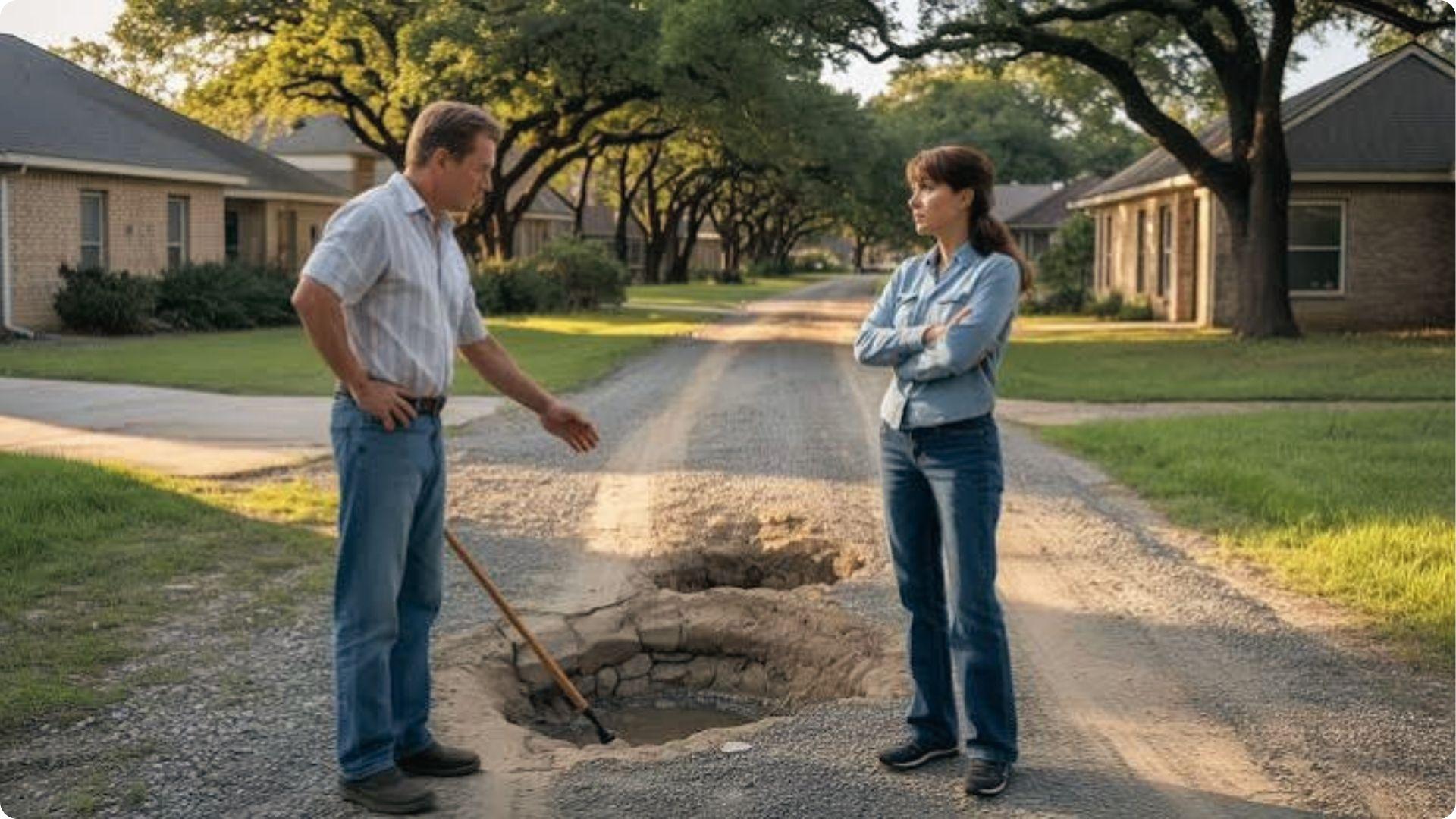
Under Texas law, the easement holder, the party who benefits from and uses the easement, is primarily responsible for maintaining it.
This default rule applies unless a written agreement, HOA document, or court order says otherwise.
An easement is a legal right allowing one party to use a portion of another person's land for a specific purpose.
The land being used is the servient estate, while the benefiting party holds the dominant estate. These two terms come up in almost every Texas easement dispute, so it helps to know them early.
Texas recognizes express easements, implied easements, easements by necessity, and prescriptive easements, each created differently and each carrying its own maintenance implications.
An easement by necessity, for example, is often created when a landlocked property has no other road access, and courts will look closely at who benefits most when assigning maintenance duties.
Knowing who holds maintenance responsibility matters because failing to act on your obligation can lead to costly legal disputes, unexpected repair bills, or liability for neglect.
Neglecting upkeep can also create a nuisance on the servient estate, which opens the door to additional legal claims against the easement holder.
Responsibilities of the Easement Holder and Property Owner

Both parties in an easement arrangement have defined responsibilities, and understanding those distinctions helps avoid unnecessary conflict.
Responsibilities of the Easement Holder
The easement holder, as the dominant estate owner, must keep the easement in a condition that allows its intended use without causing unnecessary damage to the surrounding property.
For example, if you have a right-of-way across a neighbor's land to reach your back lot, you are generally responsible for keeping that path passable and for repairing any damage your use causes.
Texas courts have consistently held that easement holders cannot let a road or access way fall into a state of disrepair that harms the landowner's property.
Responsibilities of the Property Owner
The landowner, or servient estate owner, must not block or interfere with the easement holder's use of the easement.
They are generally not required to maintain the easement at their own cost. If the servient estate owner does not use the easement at all, they typically have no maintenance obligation under Texas common law.
However, if the landowner causes damage to the easement area through their own actions, they may be responsible for repairs.
For example, if a landowner digs up a shared driveway without authorization, they would likely be on the hook for restoration.
When Maintenance Is Shared Between Multiple Owners
In cases where multiple parties share an easement, such as a private road used by five neighbors, each party typically pays their pro rata share of maintenance costs based on how much they use the easement.
When no agreement specifies how costs are shared, disputes can become complicated quickly.
When Utility Companies, HOAs, or Government Agencies Are Responsible
When a utility company holds an easement across your property to run power lines or pipelines, that company is typically responsible for maintaining the easement area.
Government agencies that hold road easements are also generally responsible for upkeep. HOAs may take on maintenance responsibilities through their covenants, particularly for shared roads or common access areas in a subdivision.
How to Determine Who Is Responsible for Easement Maintenance
There is no single answer that fits every situation. Figuring out who is responsible requires a step-by-step review of documents and applicable law.
Read the Easement Agreement or Property Deed
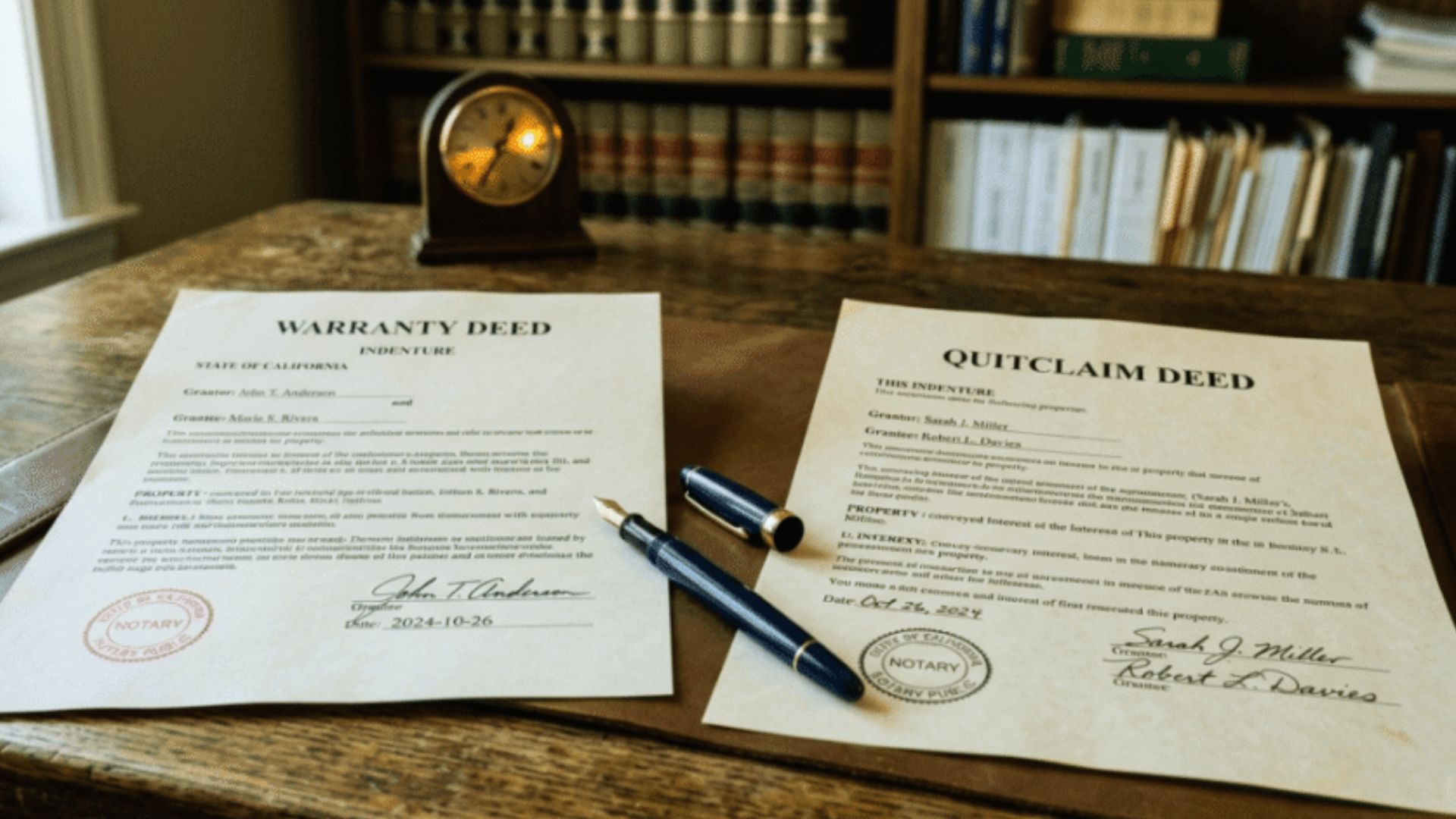
The first and most important step is to read the original easement agreement or deed. This document should spell out each party's maintenance obligations.
If it does, those terms generally control. Texas courts will enforce the plain language of a valid easement agreement between parties.
Check HOA Covenants and Maintenance Agreements
If the property is in a planned community or subdivision, the HOA's governing documents may address easement maintenance.
Some HOAs take full responsibility for maintaining shared access roads and easement areas, which can affect what individual property owners are expected to do.
Apply Texas Easement Laws When the Agreement Is Silent
If the written documents do not address maintenance, Texas common law fills the gap. Courts will generally apply the rule that the easement holder, as the dominant estate owner, must maintain the easement area for its intended use.
Texas courts also look at historical patterns of maintenance and how the parties have treated the easement over time.
How Texas Courts Decide Easement Maintenance Disputes
Texas courts examine the language of the easement document first. If that is silent or unclear, courts look at the intent of the original parties, the type of easement, how the easement has been used, and any prior course of conduct between the parties.
Courts may also order cost-sharing arrangements when multiple parties benefit from a shared easement, often dividing costs based on each party's pro rata share of use.
Easement Maintenance Responsibilities by Easement Type
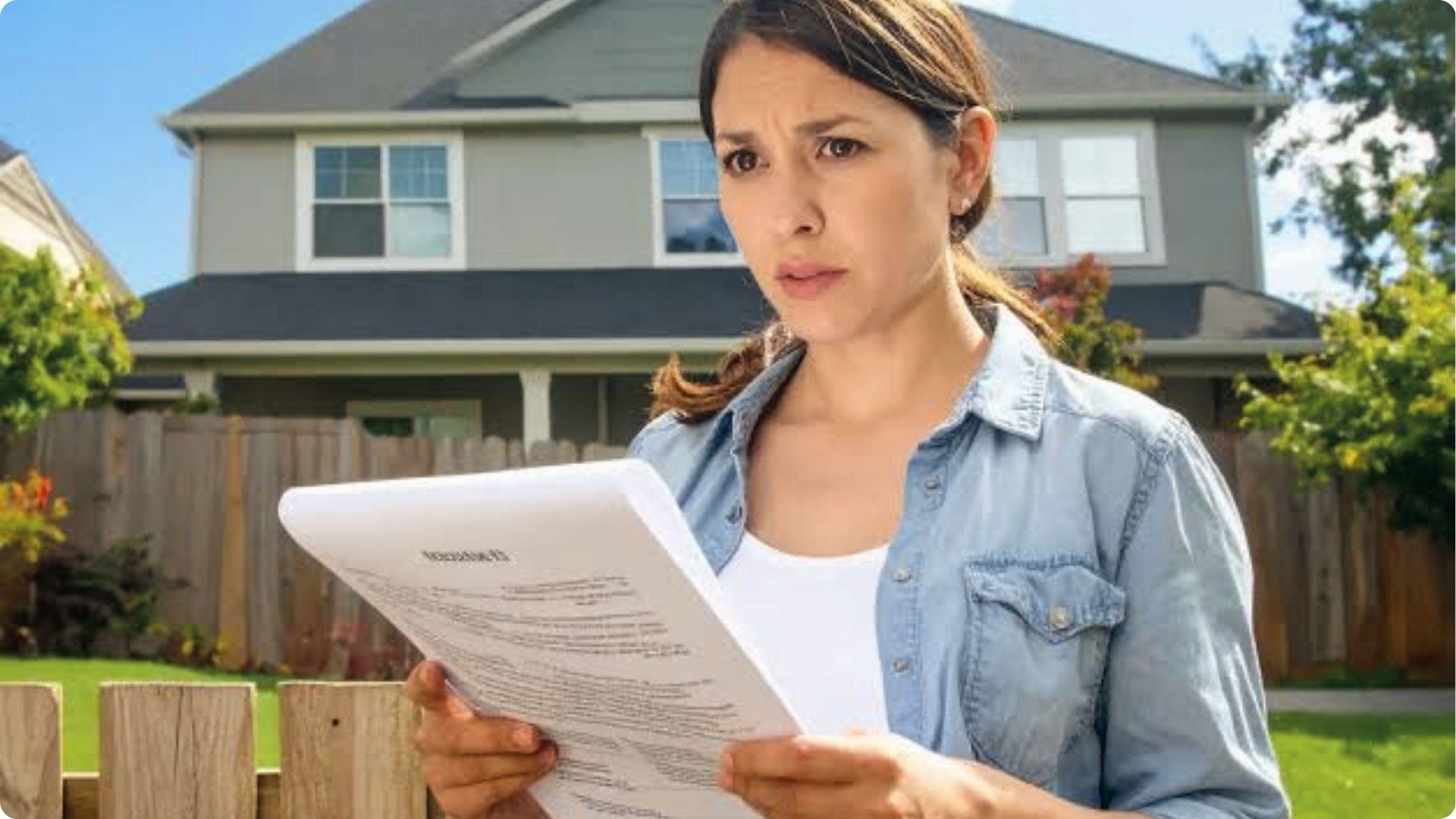
The type of easement on your property directly shapes who handles upkeep.
For private roads and shared driveways, the party who uses the road most typically carries the larger share of maintenance, and a written agreement signed by all users is the clearest way to avoid disputes.
Utility companies are generally responsible for maintaining the infrastructure they install, such as power lines or gas pipelines, though landowners must keep the surface area accessible to crews.
Access easements, including right-of-way easements, place maintenance responsibility on the easement holder, meaning the party who uses the crossing.
For drainage and sewer easements, responsibility falls on whoever owns the infrastructure, whether that is a government agency or a private party.
Shared neighbor easements often cause the most conflict, and Texas courts typically assign greater responsibility to whoever benefits most from the easement.
Common Easement Maintenance Problems and How to Handle Them
Easement disputes are more common than most property owners expect.
Here are the five most frequent problems and how to handle each one:
- A neighbor refuses to maintain the easement: Send a written notice documenting the problem and requesting action. If they still do not respond, consult a Texas property attorney to discuss your legal options, including injunctive relief.
- Disputes over repair costs: Cost disagreements often come down to whether expenses should be split equally or based on each party's pro rata share of use. A written maintenance agreement made before repairs are needed is the best way to prevent this conflict.
- Damage caused during maintenance work: If an easement holder or their contractor damages your property while working, the responsible party must repair it. Document everything with photos and written records right away.
- Blocking access or interfering with maintenance: A property owner who prevents an easement holder from performing necessary maintenance may be violating the easement terms. This can result in a court order for injunctive relief, forcing them to allow access.
- Legal options when someone ignores maintenance duties: Texas property owners can pursue civil litigation to enforce an easement agreement, recover costs, or seek an injunction. Mediation is also available and is often faster and less costly than going to court.
Easement Maintenance Costs in Texas
Money is often at the center of easement disputes, and understanding how costs are handled helps property owners plan ahead.
Who Pays for Routine Maintenance?
Routine maintenance, such as mowing, grading, or patching a shared road, is typically the responsibility of the easement holder.
If multiple parties use the easement, costs are often shared based on a written agreement or divided according to each party's pro rata share of use.
Who Pays for Major Repairs?
Major repairs, like repaving a private road or replacing a drainage system, can lead to serious disagreements.
If a written agreement exists, it usually governs. If not, Texas courts may order proportional cost sharing among all parties who benefit.
How Maintenance Costs Are Shared
Some easement agreements include a cost-sharing formula based on acreage, number of lots served, or frequency of use.
When no formula exists, parties often negotiate. If negotiation fails, court intervention may be needed.
Can You Recover Easement Maintenance Costs?
If you paid for repairs that another party was legally obligated to make, you may be able to recover those costs through a civil claim in Texas.
Keeping detailed records of all maintenance work and expenses is important if you plan to pursue reimbursement.
Common Mistakes Property Owners Make With Easement Maintenance
Avoiding these mistakes can save you time, money, and significant stress.
- Assuming the landowner always pays: Many property owners assume the burden falls on whoever owns the land. In most Texas cases, it is the dominant estate holder who carries primary maintenance responsibility, not the servient estate owner.
- Ignoring easement documents: Not reading the original easement agreement is one of the most costly mistakes a property owner can make. The answer to most disputes is already in the paperwork.
- Making repairs without notifying other parties: If you make repairs to a shared easement without telling the other parties, you may not be able to recover costs. Always document and communicate before taking action.
- Failing to keep written maintenance records: Without records, it becomes very difficult to prove who did what and when. Keep receipts, photos, and written communications for all easement-related maintenance.
Texas Easement Laws vs Other States
Understanding how Texas handles easement rules helps property owners make better decisions before a dispute starts.
What Makes Texas Easement Rules Different?
| Factor | Texas Approach |
| General maintenance rule | Easement holders (dominant estate) are responsible for upkeep |
| Property rights stance | Strong protections for servient estate landowners are recognized by courts |
| Written agreements | Courts closely examine documents and resist adding unstated obligations |
| Governing statute | No single comprehensive statute exists for private easement maintenance |
| Dispute resolution method | Most conflicts are resolved under Texas common law principles |
Key Legal Principles Every Texas Property Owner Should Know
| Legal Principle | What It Means for You |
| Easement rights run with the land | Rights and responsibilities transfer automatically when a property is sold |
| Written agreements carry the most weight | A clear, signed document recorded with the county is your strongest protection |
| Courts look at original intent | When no agreement exists, judges try to determine what the original parties meant |
| Usage history matters | How the easement has been used over time can serve as evidence in court |
| Common law governs gaps | If your documents are silent on an issue, Texas common law fills in the blanks |
| Pro rata cost sharing applies | Multiple easement holders each pay their proportional share of maintenance costs |
Expert Tips to Avoid Easement Maintenance Disputes
Prevention is far less costly than litigation. These tips are specific to Texas property situations and can make a real difference.
- Create a written maintenance agreement. If you share an easement with a neighbor, put your maintenance agreement in writing. Have it recorded with the county clerk so it binds all current and future property owners.
- Schedule regular inspections and repairs. Do not wait for something to break. Regular inspections help both parties stay on top of small issues before they become expensive problems.
- Keep records of maintenance expenses. Save every receipt and document every repair. If a dispute arises later, this paper trail is invaluable.
- Seek legal advice before a dispute escalates. If a disagreement is forming, consulting a Texas property attorney early is almost always cheaper than waiting until the situation requires a lawsuit.
Conclusion
Understanding who is responsible for easement maintenance in Texas can prevent costly misunderstandings and protect your property rights.
The answer usually starts with your easement documents, and if those are silent, Texas common law fills the gap by placing primary responsibility on the dominant estate holder.
Knowing the rules before a problem starts puts you in a much stronger position. If you found this article helpful, share it with a neighbor or fellow Texas property owner who might need it.
Have a question about your specific situation? Leave a comment below, and if you need legal guidance, consider reaching out to a Texas property attorney before the issue grows.
Frequently Asked Questions
Can a landowner charge an easement holder for maintenance costs in Texas?
Generally, no. The easement holder is responsible for maintenance. A landowner cannot charge fees unless the original agreement specifically allows it.
Does an easement transfer to a new owner when property is sold in Texas?
Yes. Most easements run with the land and automatically transfer to the new owner when the property changes hands.
What happens if an easement agreement does not mention maintenance at all?
Texas common law applies. Courts typically place maintenance responsibility on the dominant estate holder based on the easement's original purpose.
Can two neighbors create their own easement maintenance agreement in Texas?
Yes. Neighbors can draft and record a private maintenance agreement with the county clerk that clearly outlines each party's responsibilities, costs, and repair schedules.
Is a verbal easement maintenance agreement enforceable in Texas?
Verbal agreements are difficult to enforce in court. Texas courts strongly prefer written, recorded easement documents when resolving maintenance disputes.