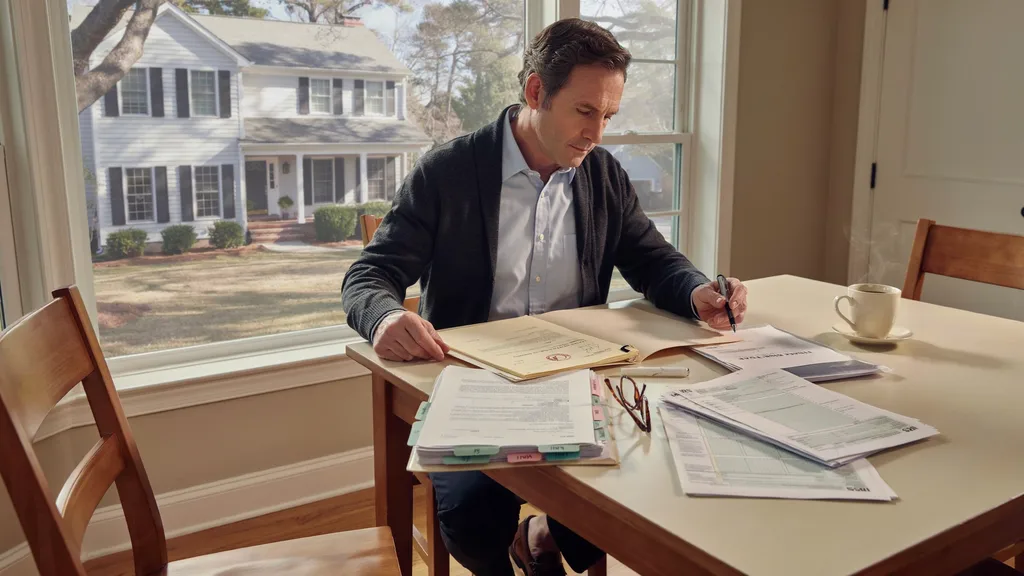
Getting ready to add your spouse, child, or another person to your house deed? It might look like a simple paperwork update. It isn't. Adding a name to a deed changes the legal ownership of your property.
Getting the process right helps you avoid filing delays, rejected paperwork, or ownership disputes later.
This guide walks you through how to add a name to a house deed, the documents you need, your deed options, and the tax and mortgage details worth checking before you file.
What Does It Mean to Add a Name to a House Deed?
A property deed is the legal document that shows who owns a piece of real estate.
It's different from a mortgage, which is the loan used to buy the property. You can own a home outright with no mortgage, but every property still needs a recorded deed showing its legal owner. It's also possible to end up on the deed but not the mortgage, since the two documents track separate things.
Adding a name to the deed gives that person real ownership rights, not just a symbolic gesture. Once it's recorded, they become a co-owner. That can affect selling, refinancing, inheritance, and other decisions about the property down the line.
Before you make this change, it helps to understand exactly how ownership will be shared.
What "Grantor" and "Grantee" Mean on Your Deed
Every deed form uses two key terms, and knowing them helps you fill things out correctly.
The grantor is the person giving up an ownership interest. That's the current owner on your existing deed. The grantee is the person receiving that interest. That's anyone you're adding to the deed.
Some forms list more than one grantor or grantee, so if you and a spouse both currently own the home, you'll both show up as grantors. Both names need to appear exactly as they show up on government-issued identification, including middle names or initials.
A mismatch between your ID and the deed, even a small one, can hold up recording. Double check spelling, name order, and any suffixes before you sign.
When Should You Add Someone to a House Deed?
People add a name to a deed for a handful of common reasons. Marriage is one of the most frequent. A couple wants shared ownership after buying or moving into a home together.
Parents sometimes add an adult child's name as part of an estate plan. Other family members transfer a share as a gift during their lifetime. Business partners and investors add names when they buy property together.
Whatever the reason, think through how the change could affect taxes, inheritance, and each owner's rights before you file anything.
How to Add a Name to a House Deed
Adding a name to a deed follows a fairly consistent legal process. Forms and filing rules shift by state, but the core steps stay the same.
Going through each one carefully helps you avoid delays and protects everyone's ownership rights.
1. Confirm the Current Ownership
Start by reviewing your existing deed to see who legally owns the property and how that ownership is titled. This tells you which deed form you need and whether other owners have to sign off.
2. Choose the Correct Deed
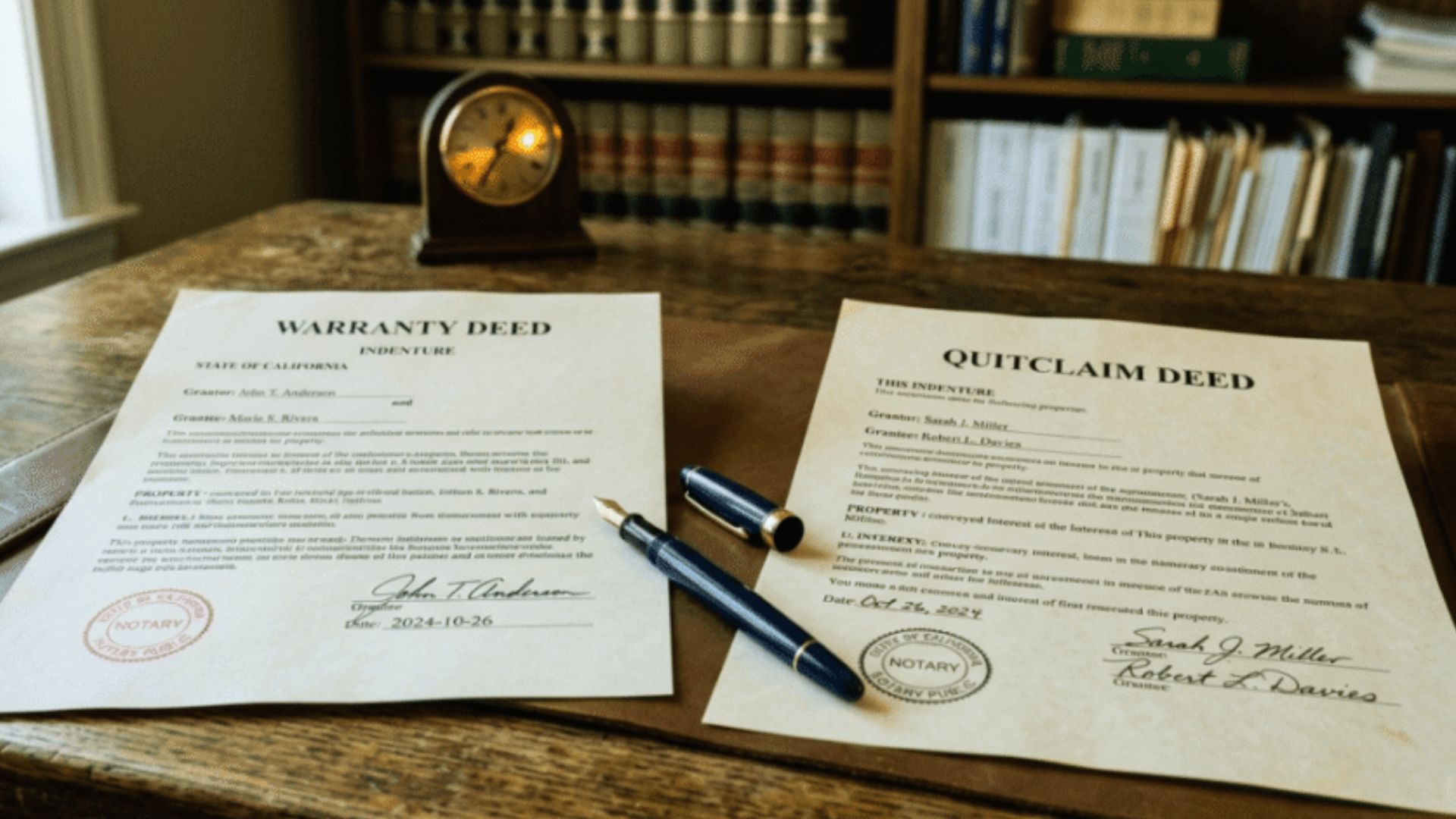
A quitclaim deed transfers your ownership interest without guaranteeing a clear title. It's the common pick for adding a spouse or family member.
A warranty deed guarantees a clear title and gets used more often between unrelated parties. Some states also offer grant deeds for specific transfers, like moving property into a trust.
3. Interspousal Transfer Deed
An interspousal transfer deed works only between married spouses. It moves an interest in the property from one spouse to the other, often to add a name after marriage or as part of a divorce settlement.
Many states treat this type of transfer as exempt from reassessment and transfer tax, but rules vary, so check with your county recorder first.
4. Gift Deed
A gift deed transfers ownership without any payment changing hands. Parents often use it to add a child's name to a deed as part of estate planning.
Since no money is exchanged, a gift deed can trigger gift tax reporting if the value of the share given exceeds the yearly exclusion. Check the current limit before you file.
5. Prepare the New Deed
List every current owner and every new owner by name, along with the property's full legal description. That description lives on your existing deed or in property records, and it's not the same as your mailing address. Getting it wrong can delay recording or force a correction later.
6. Sign and Notarize the Deed
The current owner or owners sign according to state rules. Most states require notarized signatures, and some also require witnesses. Check your state's specific requirements before the signing appointment so the document doesn't get bounced back.
7. Record the Deed
Once it's signed and notarized, file it with the county recorder or local land records office. This makes the ownership change part of the public record. Filing fees vary by location, and some counties also charge transfer taxes before they'll record it.
8. Confirm it was Recorded
Don't stop at filing. Most counties let you search recorded documents online by address or parcel number. Check that the new deed shows up under both names within the county's typical processing window, and follow up directly if it hasn't.
9. Keep Copies for your Records
Once it's recorded, request a certified copy. Keep it with your other property documents. You'll want it on hand for refinancing, selling, updating insurance, or estate planning later.
Documents Needed to Add a Name
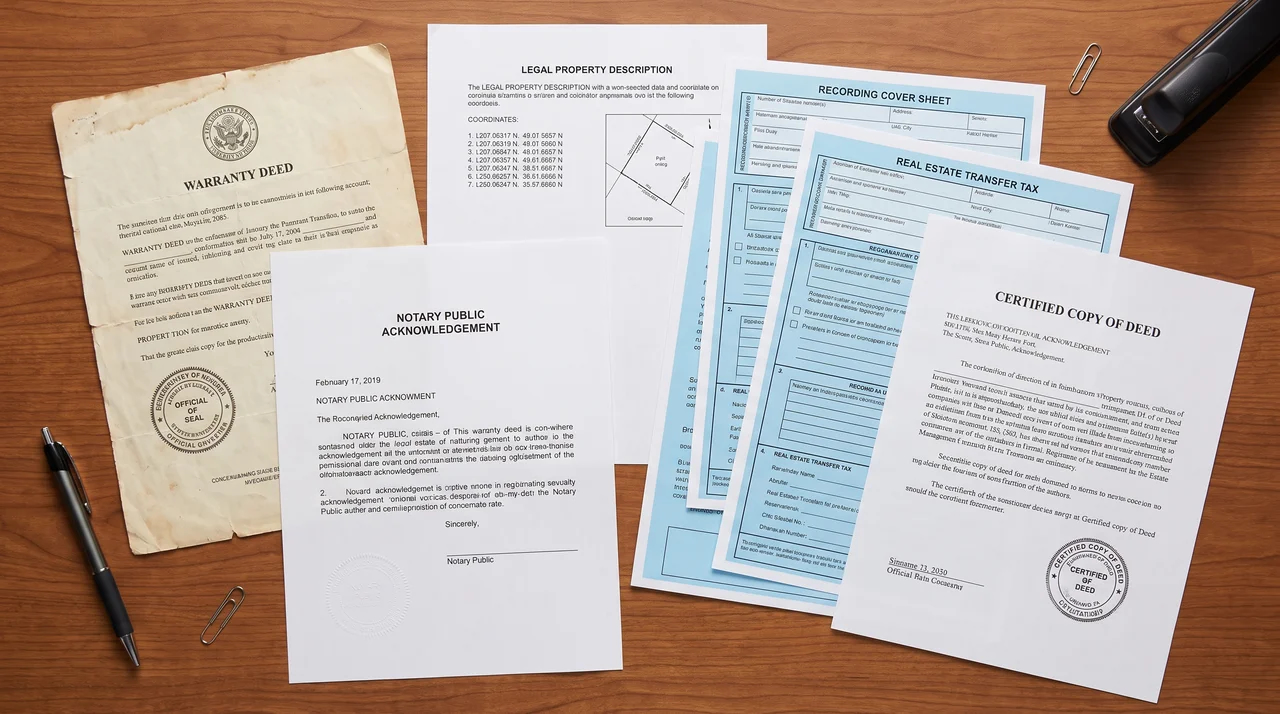
Having your paperwork ready before you start can save you a second trip to the recorder's office. Requirements vary by state, but most property transfers call for:
- Current property deed
- Government-issued photo identification
- Legal property description
- Completed deed form
- Mortgage information, if applicable
- Required transfer tax or recording forms
- Any county-specific documents your recorder requires
Gathering these ahead of time cuts down on filing errors and wasted trips.
Types of Property Ownership
How ownership gets listed on the deed shapes each owner's rights, and it determines what happens if one owner dies.
| Ownership Type | Best For |
| Joint Tenancy | Equal owners with right of survivorship |
| Tenancy in Common | Owners with equal or different shares |
| Tenancy by the Entirety | Married couples, where recognized |
| Community Property | Married couples in community property states |
Joint tenancy lets the surviving owner automatically inherit the deceased owner's share, skipping probate entirely. Tenancy in common works differently.
Each owner can leave their share to whoever they choose in a will, rather than it passing automatically to the co-owner.
This choice does more than decide who inherits what. It can also affect the tax basis after an owner's death, but the result depends on the ownership structure and the circumstances.
Property inherited from a decedent generally receives a basis based on its fair market value at death, while jointly owned property can receive a basis adjustment for the deceased owner's interest.
Because the rules vary by ownership type and situation, consider the tax consequences before choosing how to hold title.
For example, two owners can hold a property as tenants in common with unequal shares, such as 75% and 25%. Each owner's share can generally pass through that owner's estate rather than automatically going to the other co-owner.
Does Adding a Name Affect the Mortgage?
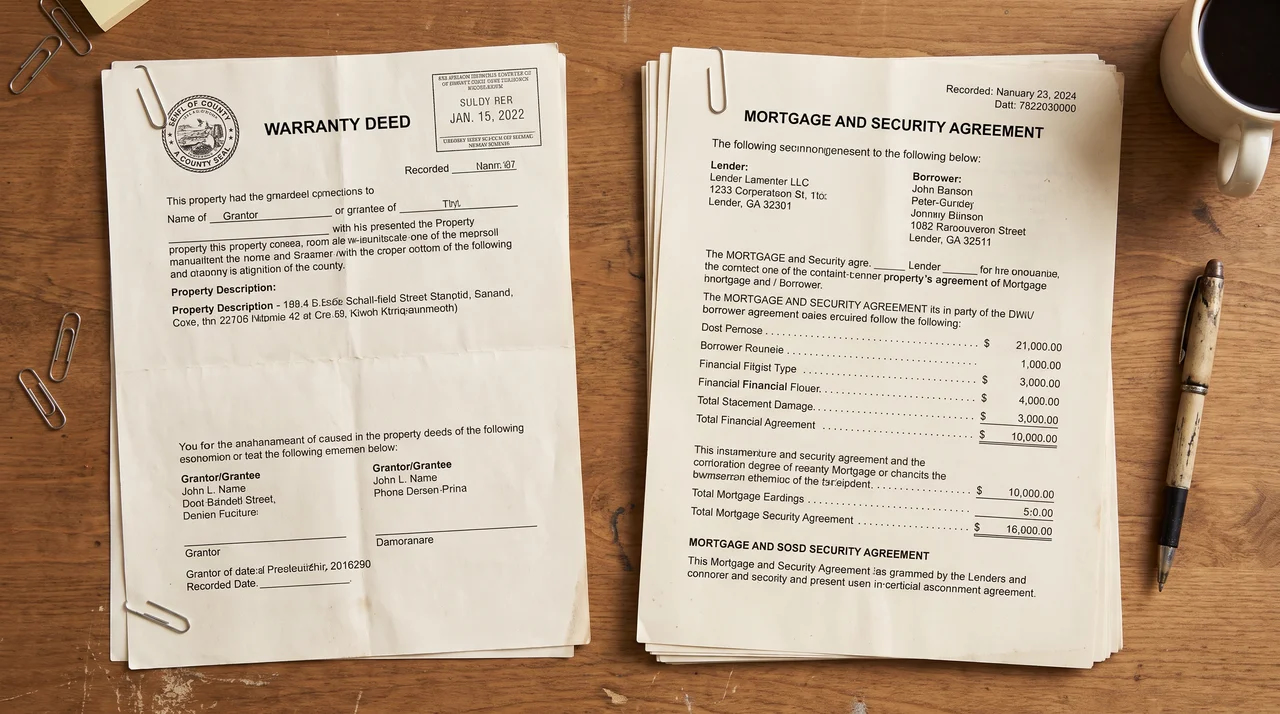
Adding a name to a deed doesn't automatically add that person to the mortgage.
The deed determines legal ownership. The mortgage determines who's responsible for repaying the loan. They're separate documents, so changing one doesn't automatically change the other.
Many mortgages include a due-on-sale clause, which can let the lender review certain ownership changes. Transfers between close family members are often exempt, but it's still smart to check with your lender before you file the new deed.
Adding someone to the deed also does not add that person to the mortgage. If you want the new owner to become responsible for the loan, the lender will generally need to approve a separate change, such as a refinance.
If you have an existing mortgage, your lender may ask for more than a heads up. Some lenders require the new co-owner to qualify for the loan, sign a formal assumption agreement, or complete a refinance before they'll recognize the change. Ask your loan servicer what they need in writing so you don't get blindsided later.
Should You Hire a Real Estate Attorney?
A simple deed transfer doesn't always need a lawyer. Some situations still benefit from one.
An attorney can prepare the documents correctly, explain what ownership rights actually mean, and catch legal issues before they turn into bigger problems. Consider talking to one if:
- The property has multiple owners
- Ownership is disputed
- The home is part of an inheritance
- The property has an existing mortgage
- You're adding someone other than a spouse or close family member
- The transfer is part of a larger estate plan
Getting advice upfront tends to be cheaper than fixing a recording error or ownership dispute after the fact.
Tax and Legal Considerations
Adding a name to a deed can touch your taxes, your ownership rights, and your estate plan all at once.
- Gift tax rules: Adding someone to the deed without receiving full value can be treated as a gift for federal tax purposes. For 2026, you can give up to $19,000 worth of property interest per recipient before it counts against your lifetime exemption, or $38,000 per recipient for married couples giving together. The person making the transfer may still need to file a gift tax return even when no gift tax is ultimately due.
- Capital gains impact: How the new owner receives the property can affect their tax basis. A lifetime gift generally uses rules based on the donor's adjusted basis and the property's value when the gift is made, while inherited property generally receives a basis based on its value at death.
- Property tax reassessment: Some states reassess property taxes after an ownership change, which can raise your annual bill. Transfers between spouses or close family often qualify for an exemption, so check your local rules before filing.
- Estate planning effects:Changing ownership can affect how the home passes to your heirs, and it can influence eligibility for certain government benefit programs. If this transfer is part of a bigger estate plan, an estate planning attorney can help make sure the ownership structure actually matches your long-term goals.
Common Mistakes to Avoid
A few small errors cause most of the delays in this process.
- Using the wrong deed form
- Leaving out the legal property description
- Forgetting required signatures or notarization
- Failing to record the deed with the county
- Ignoring mortgage lender requirements
- Overlooking tax consequences
- Entering incorrect owner information
- Forgetting to keep certified copies of the recorded deed
- Assuming every state follows the same filing rules
Checking against this list before you file can save you a second trip and a lot of frustration.
Final Thoughts
Adding a name to a house deed is more than a paperwork update. It changes legal ownership and can affect your mortgage, taxes, inheritance, and each owner's rights.
Before you file, confirm who currently owns the property, choose the right deed and ownership structure, prepare the legal description correctly, and follow your county's recording rules.
Check your mortgage and tax consequences before transferring an ownership interest. If the property has multiple owners, an inheritance, or a complicated financial or legal history, getting professional advice before filing can help you avoid costly problems later
Frequently Asked Questions
How much does it cost to add someone to a house title?
Cost depends mainly on your county's recording fee, which is often in the tens of dollars, plus any transfer tax your state or county charges. If you use an attorney or title company to prepare the deed, expect an added service fee on top of that.
Do I need a lawyer to add a name to a deed?
Not usually. You can prepare and record a quitclaim deed yourself with county forms. It's worth hiring one if there's an existing mortgage, multiple owners involved, or you want to make sure the ownership type matches what you actually intend.
Can my parents put me on the deed to their house?
Yes. It's usually done with a quitclaim deed since no sale is involved. It's common for estate planning, but it can affect your tax basis in the property and may count as a gift, so it's worth checking the tax side first.
Can I remove someone's name after adding them to the deed?
Yes, but it takes a new deed signed by the current owners, including the person being removed. The exact process depends on your state and the ownership type on file.
What happens to a shared deed if we divorce?
Once someone is added to your deed, you can't remove them without their agreement or a court order. If you divorce, the property usually becomes part of what gets divided, so a judge may decide who keeps it or whether it gets sold and split.