
Planning ahead with a Power of Attorney in Florida is one of the smartest things you can do for yourself and your family.
But where do you start?
This guide walks you through everything you need to know, from choosing the right agent to signing the document correctly. I have helped many people understand this process, and I know how confusing it can feel at first.
We will cover how to choose a trusted agent, fill out the right form, and meet all legal signing requirements. You will also find tips to keep your POA valid and updated over time.
By the end, you will know exactly what to do next.
What Is a Power of Attorney in Florida?

A Power of Attorney (POA) is a legal document that allows one person, called the agent, to act on behalf of another person, called the principal. People use it when planning for aging, illness, or any situation where they cannot manage their own affairs.
Florida recognizes four main types. A General POA gives broad authority but ends at incapacity. A Durable POA stays active even after incapacity. A Limited POA covers one specific task. A Healthcare POA allows the agent to make medical decisions.
For a POA to be valid in Florida, the principal must sign while mentally competent, two witnesses must be present, and a notary must also sign. The agent must always act in the principal's best interest and cannot change a will or act after the principal passes away.
A POA ends when the principal dies, revokes it in writing, or a court cancels it. Using a lawyer is strongly recommended to keep the document legally sound.
How to Get Power of Attorney in Florida
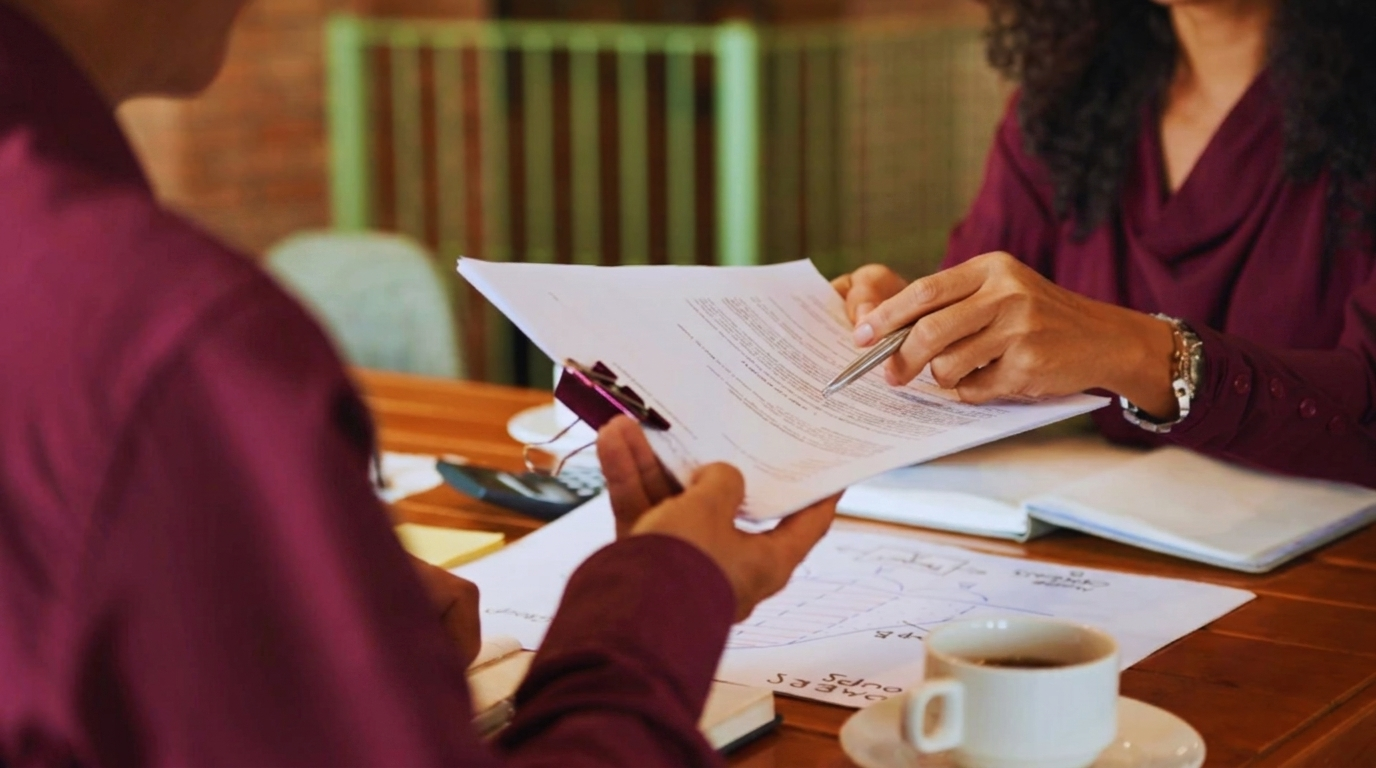
A simple guide covering the key steps to set up a valid Power of Attorney in Florida.
Choose an Agent
Picking the right person to act as your agent is one of the most important decisions in this process.
Your agent makes decisions on your behalf. This could be a family member, a close friend, or a professional like an attorney.
They must be at least 18 years old, responsible, and mentally capable of handling the duties you give them.
Complete the Florida POA Form
Florida has specific form requirements. Using the right format helps make sure the document holds up legally.
Florida does not have one single official form, but any form must meet state legal standards. You can find compliant forms through legal aid websites or trusted online services.
Be specific about what your agent can and cannot do. Vague language can cause problems later.
Sign, Witness, and Notarize the Document
Florida law requires both witnesses and a notary. This step makes the document legally binding.
Sign the POA in front of two adult witnesses and a notary public. All three must be present at the same time.
Witnesses cannot be your agent or anyone who benefits from the document. Without this step, the POA will not be valid in Florida.
Florida Power of Attorney Requirements
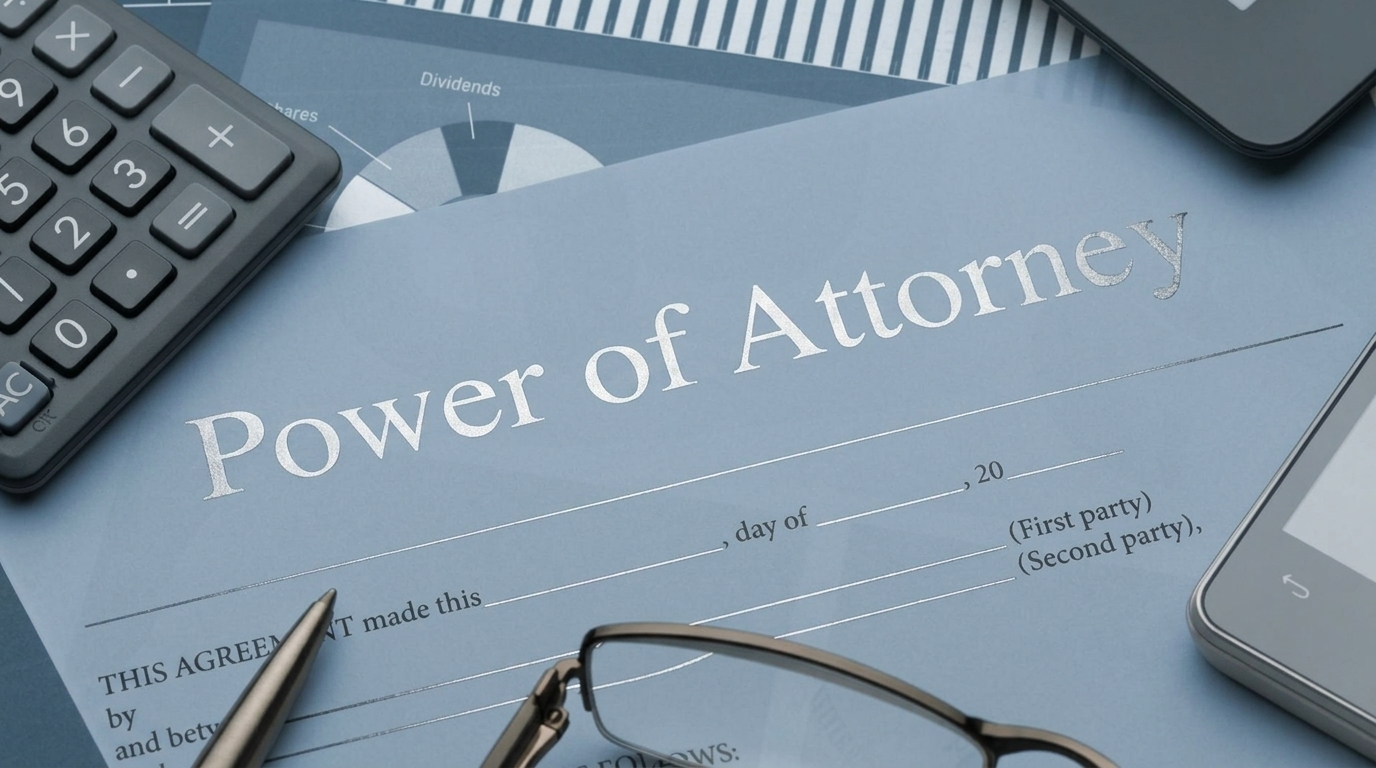
Florida has clear rules about who can create a POA and how it must be signed.
Eligibility Requirements
Not everyone can create a POA. Florida sets basic rules about who qualifies.
To create a POA in Florida, you must be at least 18 years old. You must also be mentally competent at the time of signing. This means you understand what the document does and what powers you are granting. A POA signed when a person lacks mental capacity can be challenged or thrown out in court.
Witness and Notary Rules
Florida has strict signing rules. Following them exactly keeps your document valid. Florida requires two adult witnesses who are not named in the document as beneficiaries. The notary public must also be present during signing.
The notary cannot also serve as one of the two required witnesses. Each person plays a separate role in the signing process.
How to Get Power of Attorney in Florida Without a Lawyer

You do not always need an attorney. Here is when you can handle it yourself and when you may need help.
Using Florida-Compliant Forms
Choosing the right form is key. A non-compliant form may not be accepted by banks or courts.
Make sure any form you use meets Florida's current legal standards. Look for forms that clearly include space for agent powers, principal signature, two witness signatures, and notary acknowledgment.
Some banks and financial institutions have their own preferred POA forms. It is worth checking with them before you finalize anything.
When Legal Help May Be Needed
Some situations are more complex. An attorney can help avoid mistakes that could cause bigger problems later.
You should consider hiring an attorney if your situation involves a large estate, a business, or complex medical decisions.
Legal help is also wise if family members are likely to dispute the document. An attorney can also help if you want a very specific or limited POA rather than a broad one.
Benefits of Having a Power of Attorney
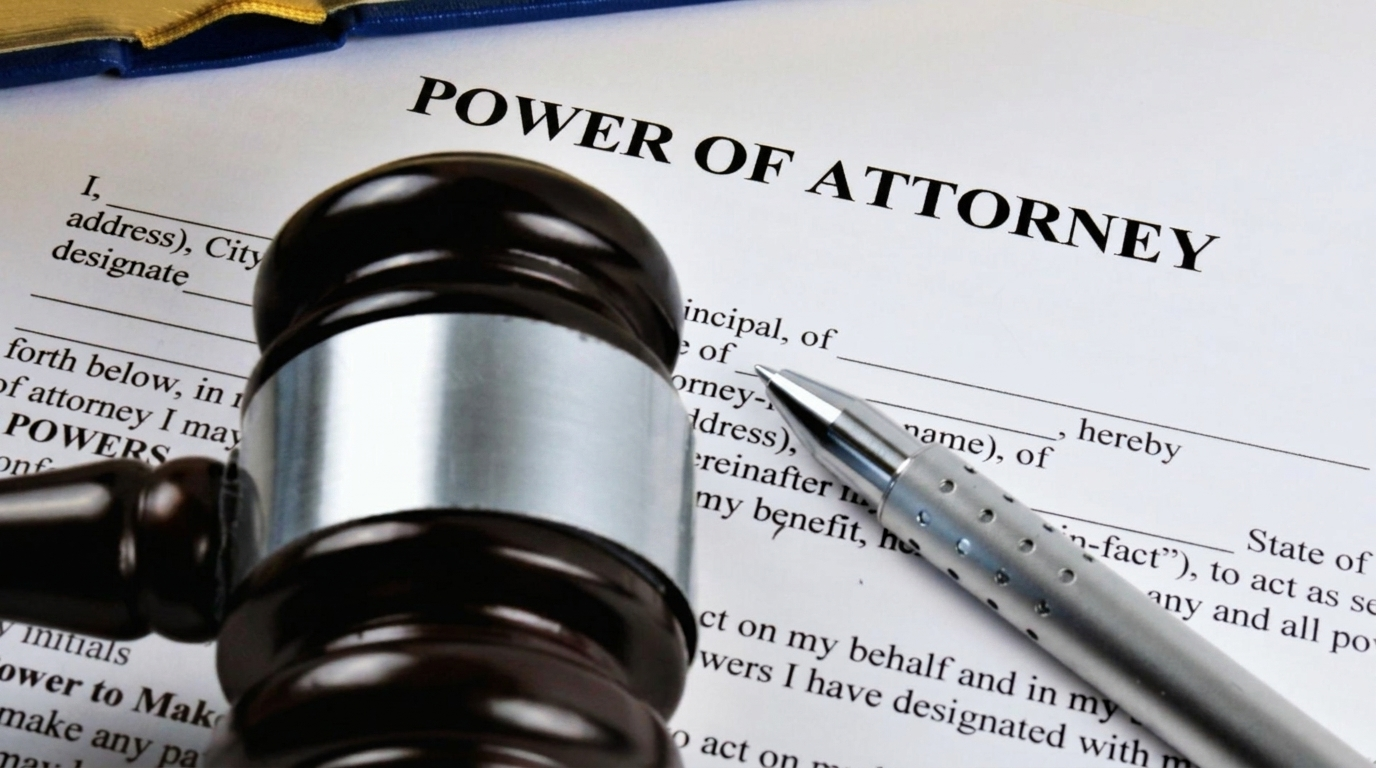
A POA gives you control over what happens if you ever cannot speak or act for yourself.
Financial Protection
A financial POA allows your agent to manage money matters on your behalf if you become unable to do so.
A financial POA gives your agent the ability to manage bank accounts, pay bills, handle investments, and deal with property.
This is especially important if you become ill or incapacitated. Without this document, loved ones may not be able to access funds to pay for your care.
Healthcare Decision-Making
A healthcare POA makes sure your medical wishes are followed even when you cannot communicate them.
A healthcare POA, sometimes called a healthcare surrogate designation in Florida, lets your agent make medical decisions for you.
This includes choices about surgery, treatment, and end-of-life care. Having this in place spares your family from having to guess what you would want.
Avoiding Guardianship
A valid POA can prevent the need for a costly and time-consuming court guardianship process.
If you become incapacitated without a POA, a court may need to appoint a legal guardian to make decisions for you.
This process can be slow, expensive, and stressful for your family. A properly set up POA keeps control within your chosen circle and out of the court system.
Tips for Creating a Florida Power of Attorney
A few smart steps can help make sure your POA works the way you intend it to.
- Pick someone you fully trust as your agent. They will have real authority over your finances or health decisions.
- Make sure your agent is at least 18 years old and mentally capable of handling the duties you assign to them.
- Review your POA every few years or after big life changes like marriage, divorce, or the death of your named agent.
- You can revoke and replace your POA at any time as long as you are still mentally competent.
- Store the original in a safe place and give copies to your agent, attorney, and doctor. Make sure family members know where to find it.
Conclusion
Getting a Power of Attorney in Florida does not have to feel overwhelming. I have seen firsthand how this one document can save families from stressful situations during already difficult times.
Taking care of it now means the people you love will not be left scrambling later. Give yourself that peace of mind.
If you found this helpful, drop a comment below or share it with someone who might need it. And if you want to know more about protecting yourself legally in Florida, check out our related guides.
Frequently Asked Questions
What is a Power of Attorney in Florida?
A Power of Attorney in Florida is a legal document that lets you appoint someone to act on your behalf. It can cover financial, medical, or legal decisions depending on how it is set up.
Who can serve as an agent under a Florida Power of Attorney?
Any person who is at least 18 years old and mentally competent can serve as your agent. This can be a family member, a close friend, or a trusted professional.
Does a Florida Power of Attorney need to be notarized?
Yes, Florida law requires the document to be signed in front of two adult witnesses and a notary public. Without this step, the document will not be legally valid.
Can I cancel a Power of Attorney in Florida?
Yes, you can revoke a Power of Attorney at any time as long as you are mentally competent. It is a good idea to notify your agent and any institutions that had a copy of the old document.
Do I need a lawyer to create a Power of Attorney in Florida?
You do not always need a lawyer to create a POA in Florida. However, if your situation involves complex assets or family disputes, getting legal help is a smart move.