
Losing someone you love is hard enough. Dealing with their mortgage on top of that can feel overwhelming.
I’ve seen families struggle with this firsthand.
The good news: it’s manageable when you know the steps.
This guide covers everything you need. What happens to a mortgage after death. Who is responsible? What your options are. And how to avoid costly mistakes.
I’ve worked through these questions with real families. You’ll leave here with clear, honest answers you can actually use.
What Happens to a Mortgage After Death?

The mortgage doesn’t disappear when someone dies. The lender still expects payments.
What happens next depends on who owns the home, whether there’s a co-borrower, and what the will says.
If a co-borrower survives, they continue payments right away. If the home passes to heirs, the process takes a few more steps.
Federal law in the US protects heirs. Lenders cannot demand full repayment just because the borrower died, as long as heirs plan to keep the home.
Acting quickly matters. The sooner you contact the lender, the smoother the process.
Who Is Responsible for Transferring Mortgage After Death?

Responsibility depends on your relationship to the deceased and the property.
Co-borrowers and Joint Mortgage Holders
If two people signed the mortgage together, the surviving borrower takes over. The loan continues in their name. No transfer is needed. Payments simply carry on.
Heirs and Beneficiaries
If the home is left to someone in a will, that person becomes responsible. They don’t automatically assume the debt, but they do need to decide what to do with the property.
Executor or Administrator Responsibilities
The executor manages the estate. This includes notifying the lender, gathering documents, and making sure payments don’t lapse during the transfer process. If there’s no will, a court-appointed administrator steps in.
Transferring Mortgage After Death: Step-by-Step Process
This process has clear stages. Taking them one at a time makes it far less stressful.
Step 1: Notify the Mortgage Lender

Contact the lender as soon as possible. Let them know the borrower has passed. Ask for the bereavement or estate department. Most lenders have a specific team for this.
Step 2: Gather Legal Documents
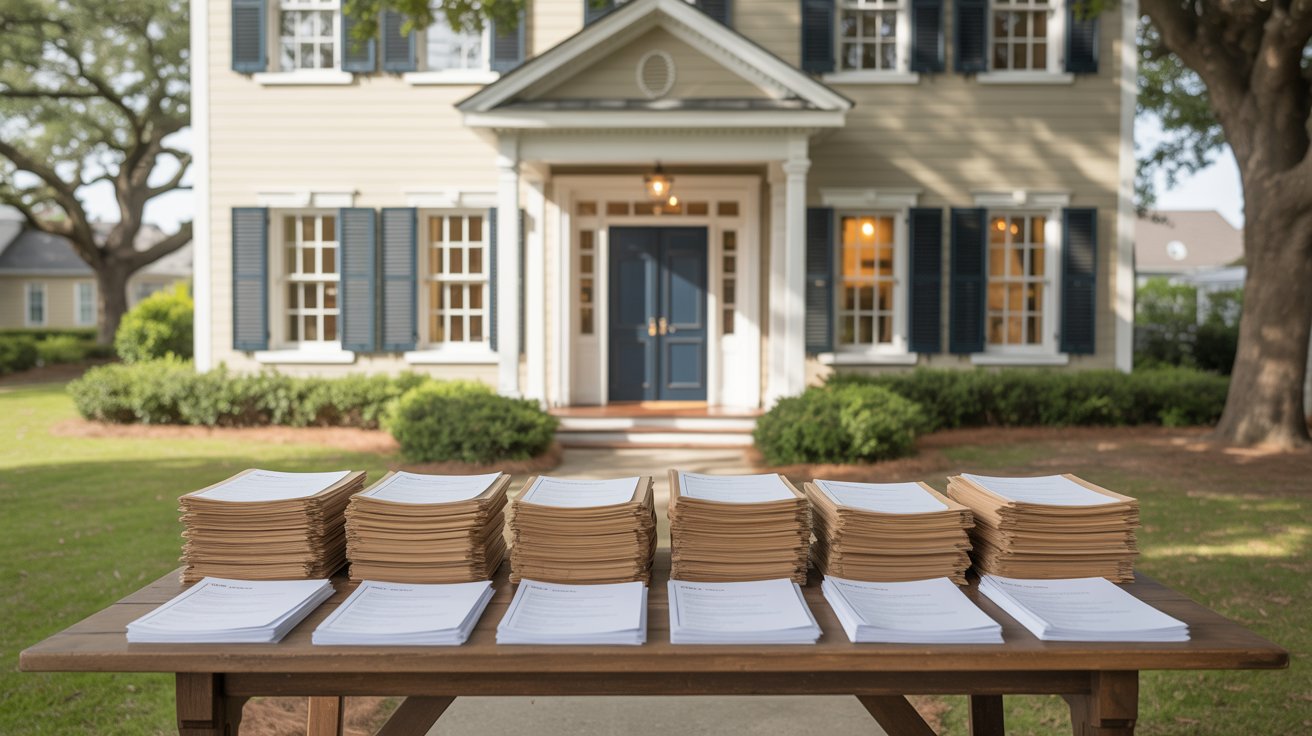
You’ll need the death certificate. You’ll also need the will, if one exists. Have property deeds and loan statements ready. The lender will ask for these.
Step 3: Verify Ownership and Inheritance Rights

Confirm who legally inherits the property. This may require going through probate. An attorney can help clarify ownership if multiple heirs are involved.
Step 4: Continue Mortgage Payments

Do not let payments lapse. Missed payments can lead to late fees or foreclosure. The estate or the heir should keep up with payments during the transfer process.
Step 5: Choose to Assume, Refinance, or Sell

This is a major decision. You can take over the existing loan, apply for a new one, or sell the home entirely. More on this below.
Step 6: Complete Legal and Financial Paperwork

Once a decision is made, the appropriate paperwork follows. This may include a loan assumption agreement, a new mortgage application, or a deed transfer.
Legal Rules You Should Know

Knowing the law keeps you from making expensive mistakes.
Due-On-Sale Clause Explained
Most mortgages have this clause. It says the full loan is due if the property is transferred or sold. However, there are federal exemptions. Heirs who inherit a property are often protected from this clause.
Laws Protecting Heirs from Immediate Repayment
In the US, the Garn-St. Germain Act protects heirs. Lenders cannot demand full loan repayment just because ownership changes through inheritance. This gives heirs time to decide what to do.
When Probate is Required
Probate is the legal process of settling an estate. It’s required in most cases where there’s no joint ownership or living trust. Probate can take weeks or months depending on the complexity of the estate.
Challenges in Transferring Mortgage After Death

The process isn’t always smooth. Knowing the common obstacles helps you plan.
Disputes Between Multiple Heirs
When more than one person inherits, disagreements can arise. One heir may want to sell. Another may want to keep the home. These disputes can slow everything down.
Affordability and Financial Burden
Taking over a mortgage means taking on monthly payments. Not every heir is financially ready for that. It’s important to be honest about what you can afford before assuming the loan.
Delays Due to Probate Process
Probation can take a long time. During that time, the mortgage still needs to be paid. If no one is managing payments, the home could fall into default.
Risk of Foreclosure
If payments stop and no one acts quickly, the lender may begin foreclosure proceedings. This is one of the most serious risks in this process. Acting fast matters.
Common Mistakes to Avoid
Small errors here can lead to big problems. Watch out for these.
- Not informing the lender on time
- Missing mortgage payments during the transfer process
- Ignoring legal paperwork or skipping probate when it’s required
- Not fully understanding the loan terms before assuming the mortgage
- Delaying decisions when multiple heirs are involved
Transferring Mortgage After Death with Multiple Heirs

More heirs means more decisions to coordinate. Here’s how to handle it.
Joint ownership vs tenancy-in-common
Joint ownership means each person has equal rights to the whole property. When one owner dies, the other inherits automatically.
Tenancy-in-common means each person owns a specific share. Those shares can be inherited separately.
How to divide property fairly
A fair division starts with a professional property appraisal. Once the value is known, heirs can decide together. sell and split, or one buys out the others.
What to do if heirs disagree
Mediation is a good first step. A neutral third party helps heirs work toward a shared decision. If mediation fails, the matter may go to court. This is called a partition action.
Expert Tips for Smooth Mortgage Transfer
These steps can save you a lot of time and stress.
- Communicate with all heirs early and keep conversations open
- Keep all financial documents in one organized place
- Consult a real estate attorney who handles estate matters
- Work with a financial advisor before making loan decisions
- Stay in regular contact with the lender throughout the process
Conclusion
Dealing with a mortgage after losing someone you love is not easy. I know how draining it can feel to handle paperwork and big decisions while grieving.
But you can get through this. Take it one step at a time. Talk to the lender early. Get legal help when needed. Keep communication open with family.
Transferring a mortgage after death is a process, not a crisis. You’ve got this.
Found this helpful? Drop a comment below or share it with someone who needs it right now.
Frequently Asked Questions
Can you transfer a mortgage after death without refinancing?
Yes. If the loan is assumable, an heir can take it over without applying for a new one. Confirm this with the lender first.
How long does transferring a mortgage after death take?
Simple cases take a few weeks. Cases involving probate or multiple heirs can stretch to several months.
Do heirs have to pay mortgage debt?
Not from personal funds. But if they want to keep the home, they must take over payments. Otherwise, the home is sold to clear the debt.
What happens if there is no will?
The court decides who inherits based on local law. An administrator is appointed to manage the estate through a longer legal process.
Can a lender foreclose on an inherited property?
Yes, if payments stop. Contact the lender quickly and keep up with payments while the estate is being settled to avoid this.