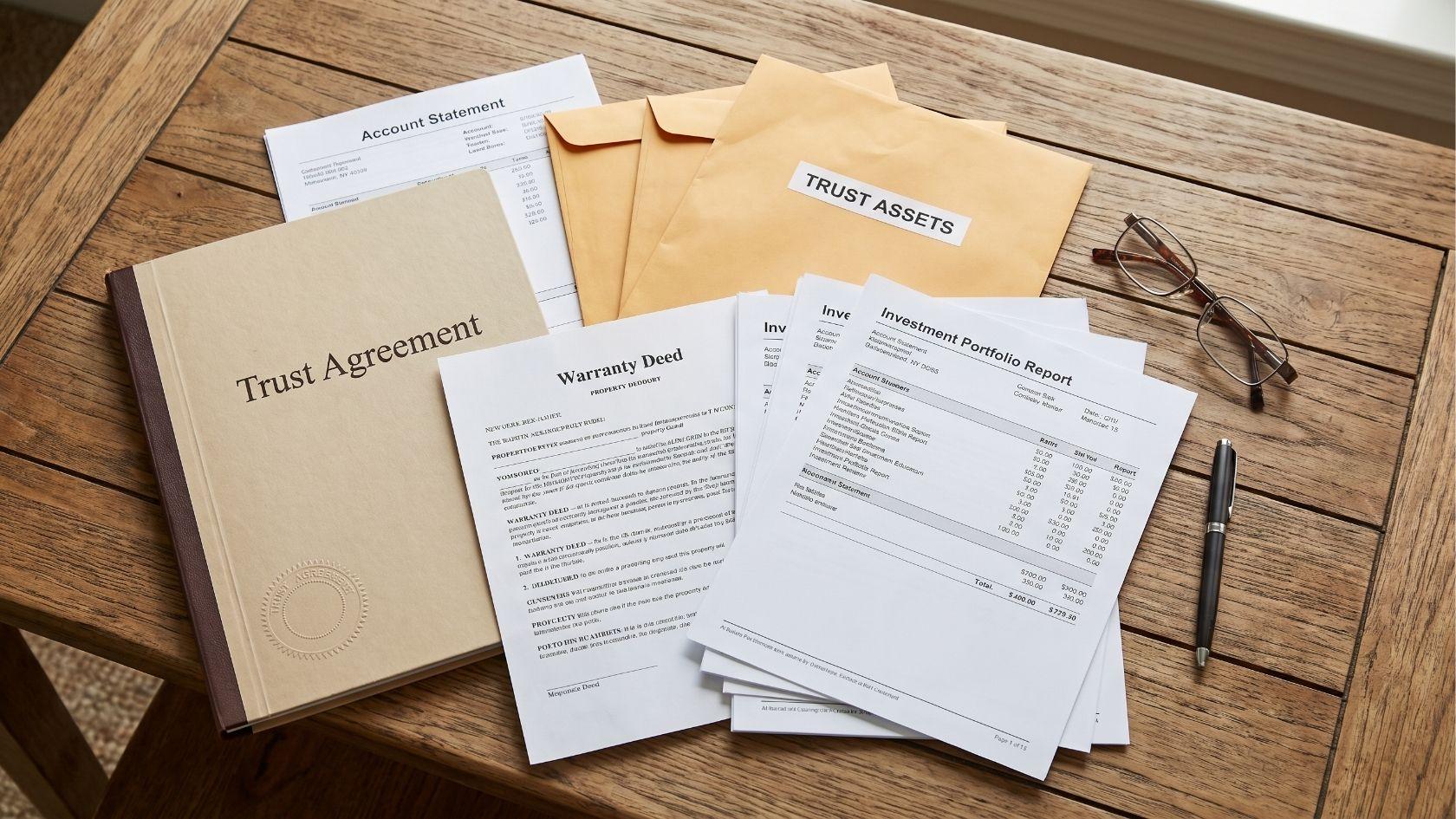
So you’re wondering: can I put my house in a trust without a lawyer? The short answer is yes, in many cases you can. I’ve walked through this process myself, and it comes down to a few clear steps: writing the trust, signing a new deed, and recording it with your county.
But there’s a catch. Skip a step or get one small detail wrong, like a mismatched legal description, and the transfer might not actually work, even after it’s recorded. That’s the part most guides skip.
In this article, I’ll walk you through the exact steps, show you where people go wrong, and help you figure out if doing it yourself makes sense for your situation.
Can You Put Your House in a Trust Without a Lawyer?
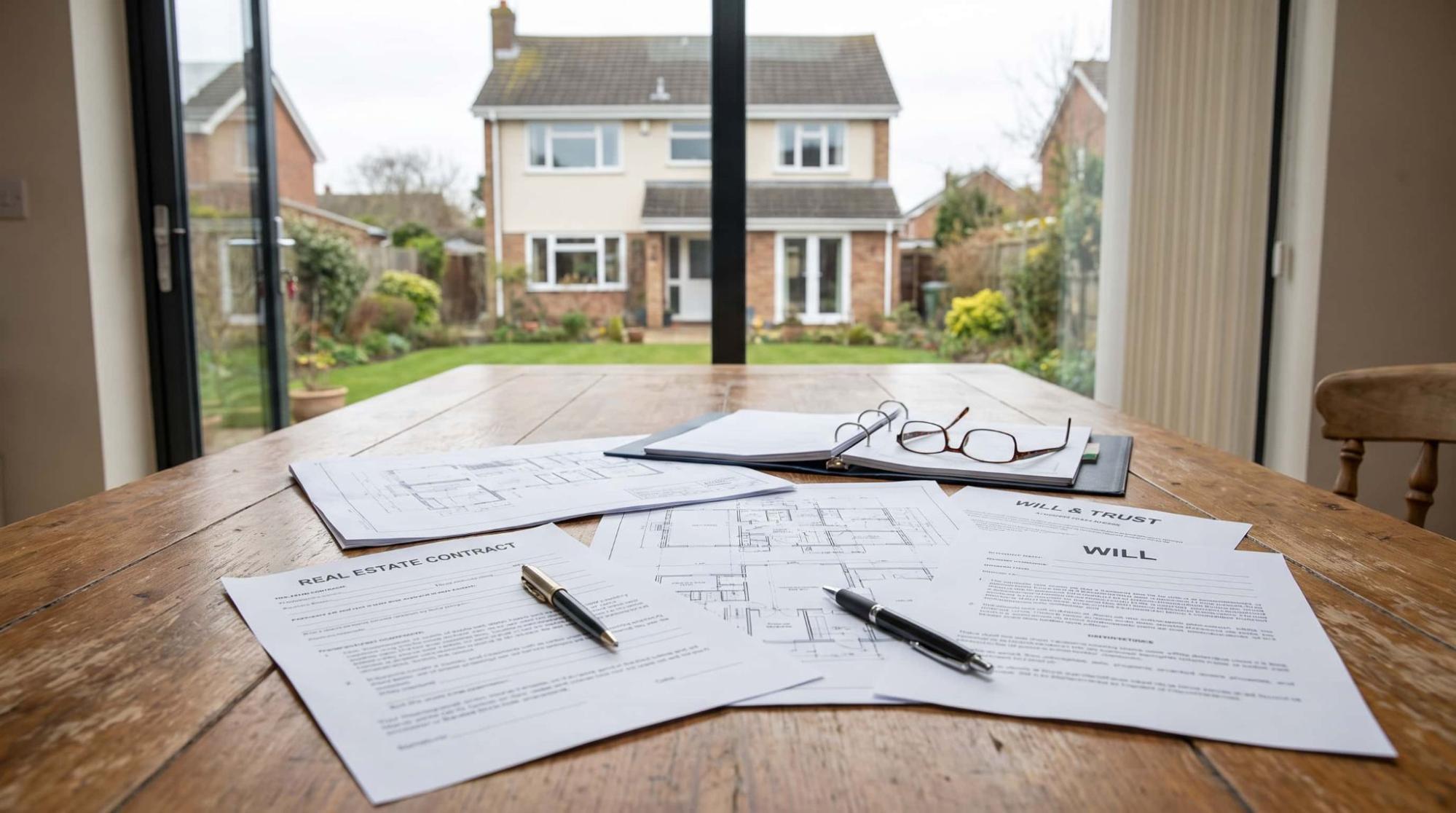
Yes, in many cases you can put your house in a trust without hiring a lawyer. Many homeowners prepare a trust document, sign a new deed, and record it with the county recorder’s office on their own.
This can save money if your estate plan is simple and you understand your state’s rules.
The main reason most people do this is probate avoidance.
When you die without a trust, your house typically has to pass through probate; a court-supervised process that can take months, cost thousands in fees, and become public record. A trust lets your house skip that process entirely and transfer directly to your beneficiaries.
However, doing it yourself also comes with risks. A mistake in the trust document or property deed can create legal issues later. If the deed is not prepared or recorded correctly, the transfer may not have the result you expected.
A DIY transfer is often suitable when:
- You own one home.
- The property has a clear title.
- Your estate plan is straightforward.
- State requirements are easy to follow.
You should consider legal help if:
- You own several properties.
- Your family situation is complicated.
- The property is jointly owned.
- You have tax or business concerns.
Taking time to understand the process before signing any documents can help prevent costly mistakes.
Do You Need an Attorney to Set Up a Trust?
No, you don’t always need one. If your estate is simple: one property, clear beneficiaries, and no business assets, you can handle it yourself with a state-specific template and some patience.
Online platforms like LegalZoom or Nolo offer state-specific trust templates that cover most straightforward situations.
But once things get complicated, a lawyer earns their fee fast. Blended families, multiple properties, business interests, or Medicaid planning all introduce variables that a template won’t catch.
The question isn’t whether you can skip a lawyer. It’s whether your situation is simple enough that skipping one is a reasonable risk.
Revocable or Irrevocable Trust Changes What Happens Next
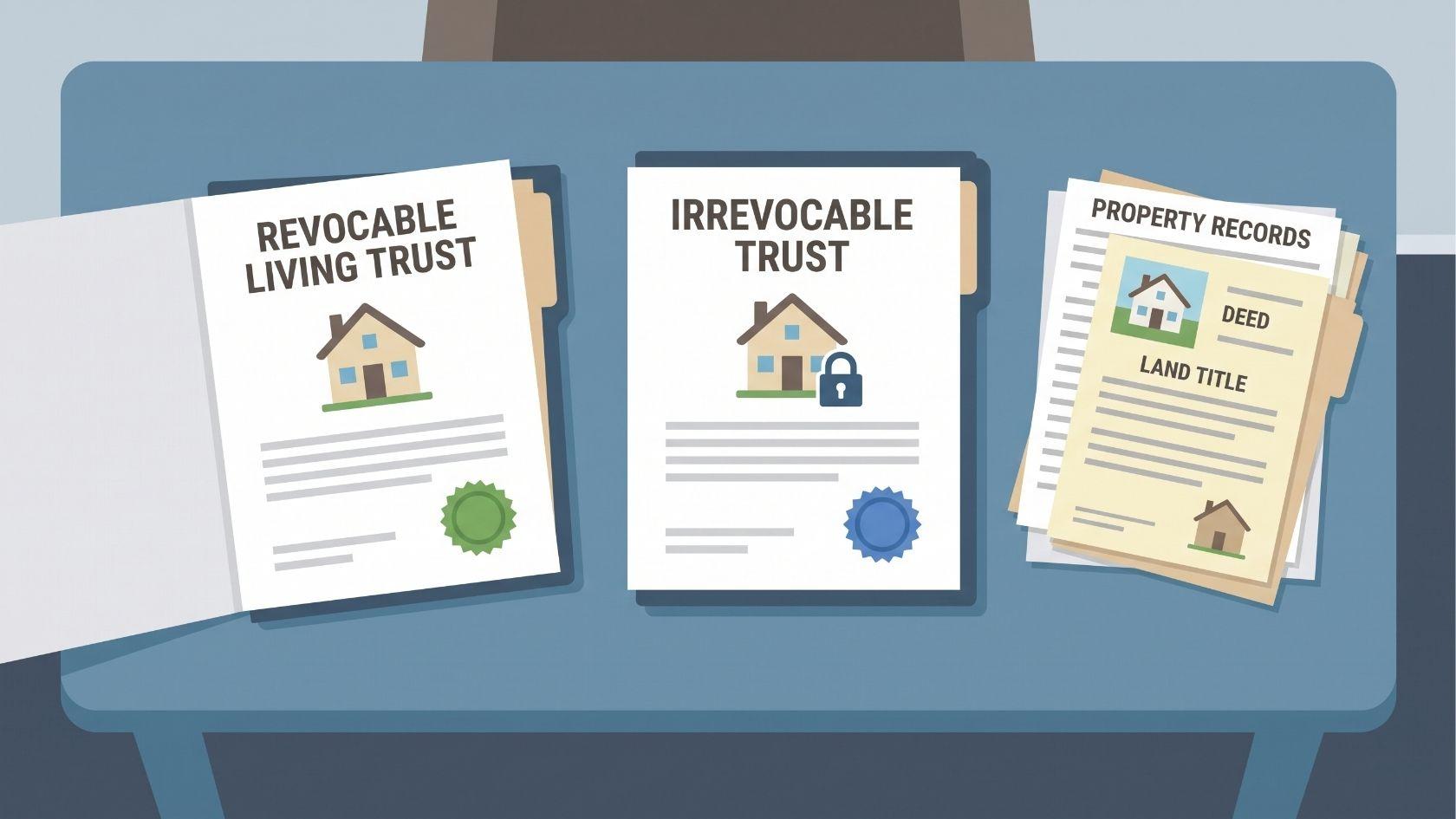
Not all trusts work the same way. Before you draft anything, you need to pick between a revocable trust and an irrevocable trust. This choice changes almost everything that comes after it.
With a revocable trust, you keep control. You can change it, add to it, or undo it whenever you want. Because of that, the Garn-St. Germain Depository Institutions Act of 1982 prevents your mortgage lender from calling the loan due just because you moved the house into a revocable trust where you remain a beneficiary.
An irrevocable trust is different. Once you place the house in it, you give up control. That’s often what makes it useful for asset protection. But it also means the mortgage protection that applies to revocable trusts doesn’t automatically apply here.
Pick the wrong one first, and every step after it may need to be redone.
How to Put Your House in a Trust Yourself
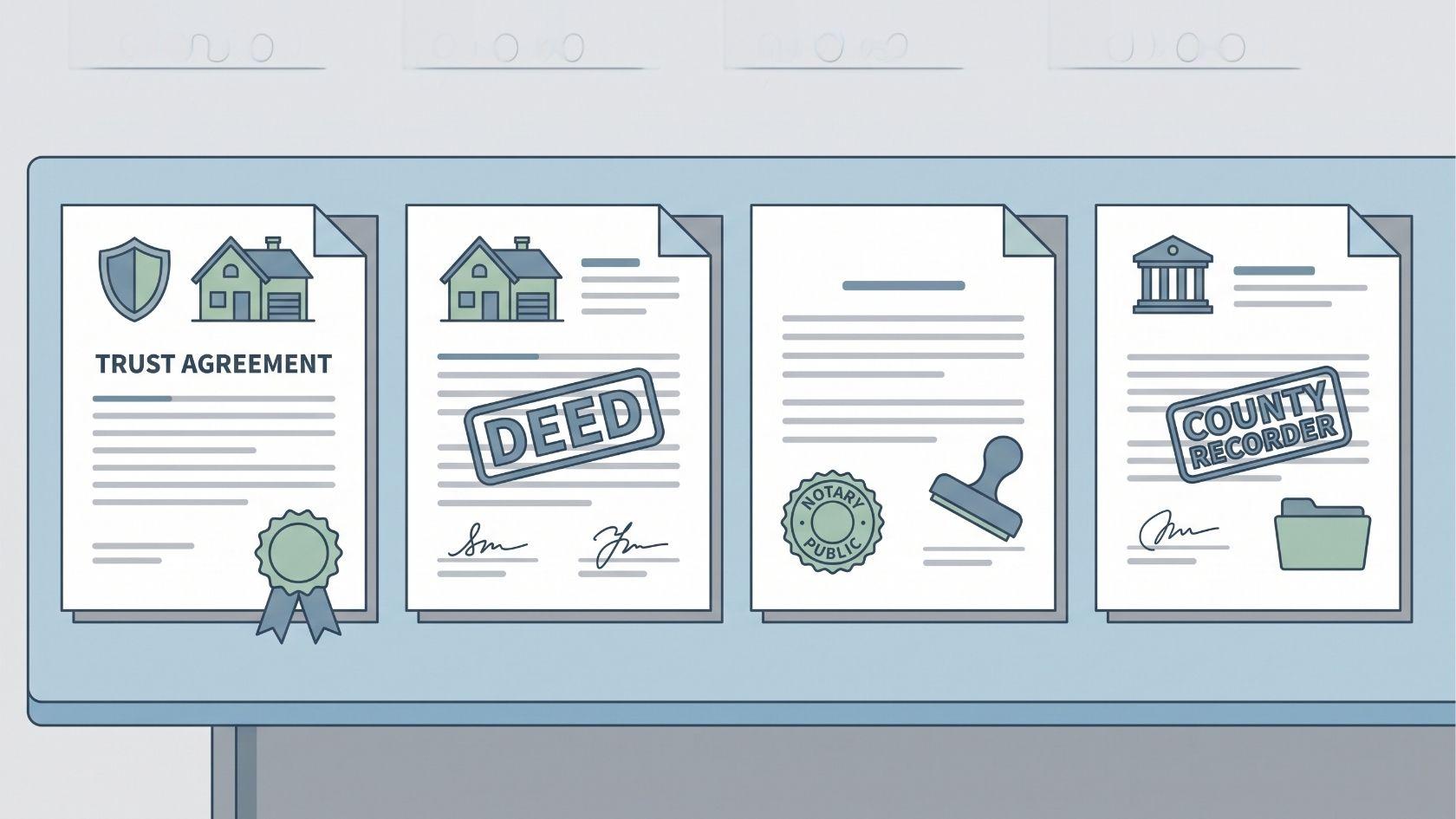
Funding your trust takes two separate documents, not one. You need the trust itself and a new deed that actually moves the house into it. Skip either one, and the transfer isn’t complete. Here’s the order that works.
Draft and Sign the Trust
Use a state-specific trust template or an online estate planning platform to write the trust document. Once it’s drafted, sign it in front of a notary public.
The trust document needs to name a trustee (usually you, while you’re alive), a successor trustee (who takes over if you can’t), and your beneficiaries (who inherit the property). Those are the three pieces every trust needs to function.
Some states also require witnesses, so check your state’s rule before you sign.
Prepare and Notarize the New Deed
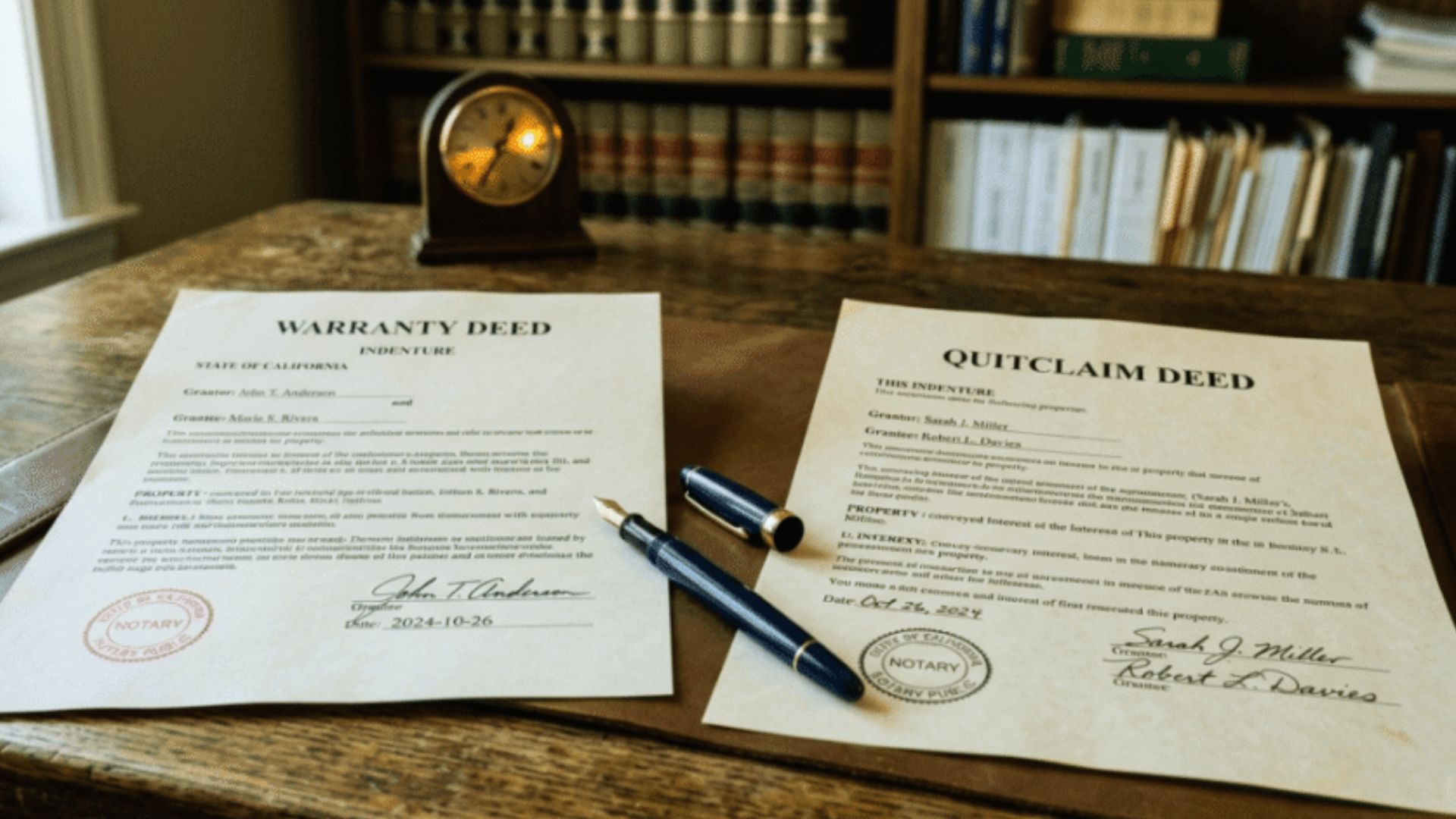
Next, you’ll need a new deed that transfers the house from your name into the name of the trust. Most people use a quitclaim or warranty deed for this.
The deed has to name the trust exactly as it’s written in the trust document, and it needs the same legal description your county has on file. Sign this deed in front of a notary too.
Record the Deed With the County
Take the signed, notarized deed to your county clerk or recorder’s office. File it along with any local transfer forms, and pay the recording fee. This step is what makes the transfer official.
Where DIY Trust Transfers Actually Go Wrong
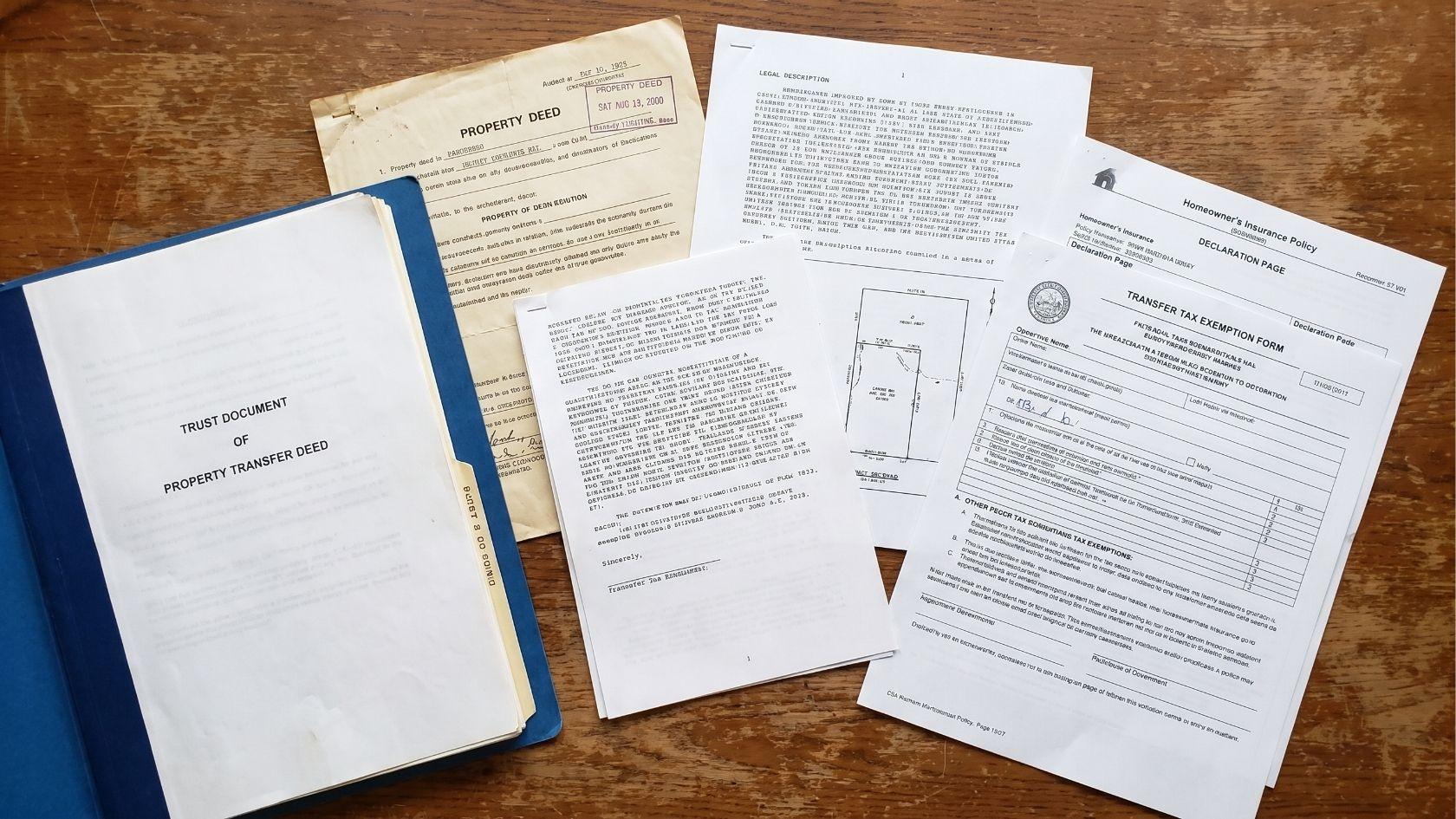
These are the exact points where a DIY transfer fails, often without the homeowner noticing right away.
The most common one is a mismatch.
If the legal description on your new deed doesn’t match what the county already has on file, or if the deed doesn’t name the trust exactly as it’s written in the trust document, the transfer can be legally incomplete even after it’s recorded. The county clerk doesn’t check for this. They just file what you hand them.
Paperwork you didn’t know existed is another common trap.
Many counties require a separate transfer tax exemption form for trust transfers. Skip it, and you may get hit with an unexpected tax bill.
Homeowner’s insurance is easy to overlook here. If the policy still lists you and not the trust as titleholder, a future claim could get denied.
One more thing worth checking is property taxes.
In most states, transferring your home into a revocable trust doesn’t trigger a reassessment. But a handful of states treat it differently, and a reassessment can raise your annual tax bill. Look up your state’s rules on this before you record the deed. It takes five minutes and can save you a surprise later.
How Much Do Lawyers Charge to Set Up a Trust?
Costs vary a lot depending on where you live and how complex your estate is. A basic revocable trust through an attorney usually runs a few hundred to a couple thousand dollars.
Add multiple properties or a business, and that number climbs fast. Doing it yourself cuts most of that cost, leaving you with notary fees and a county recording fee instead.
Just weigh that savings against what a mistake could cost you later.
How to Confirm the Transfer Actually Worked
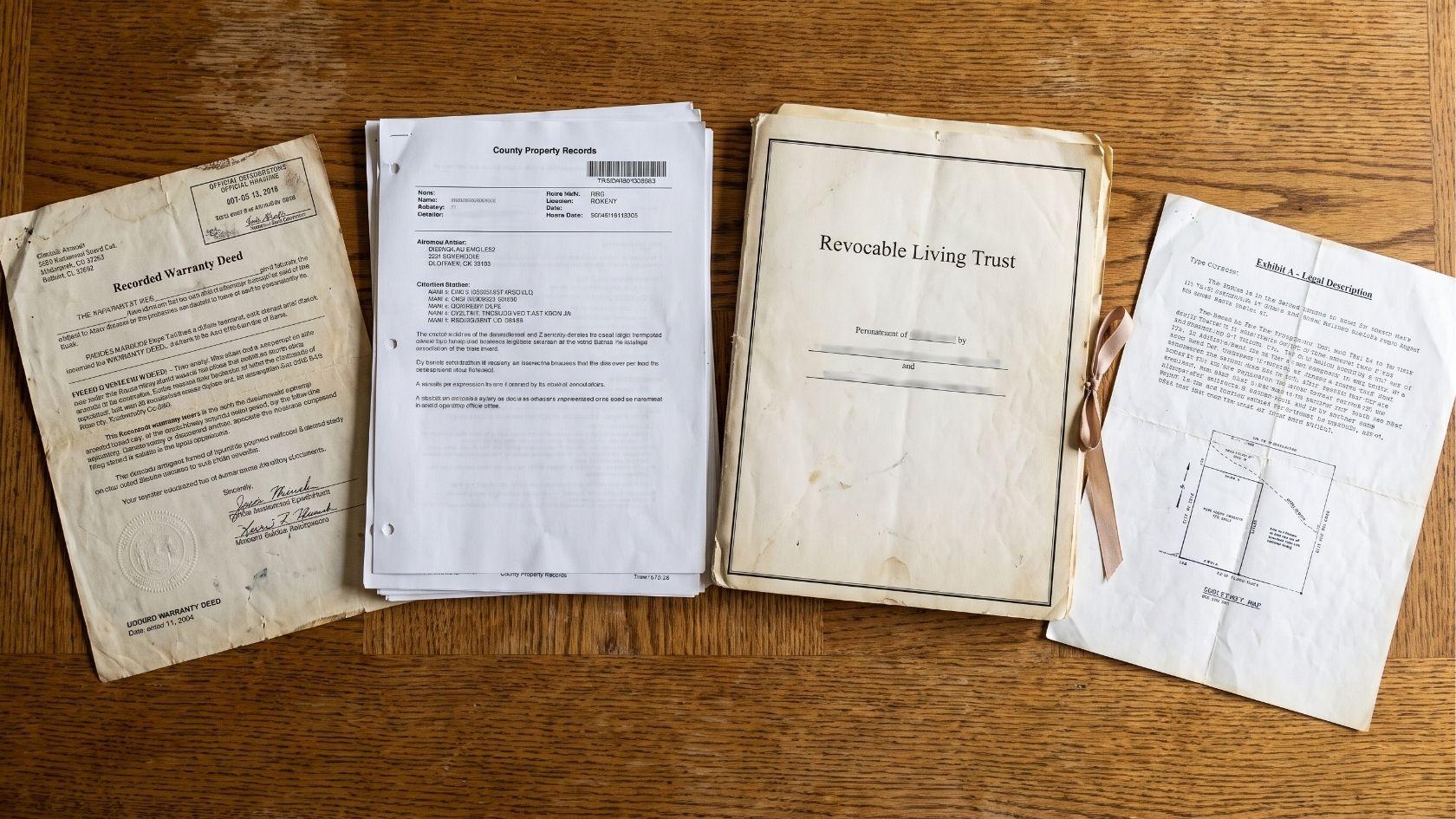
The county records what you hand them. They don’t verify it’s correct. That check is on you.
Start by pulling the recorded deed from your county’s records, either online or in person. Look at who’s listed as the titleholder. It should be your trust, named exactly as it appears in your trust document.
Next, compare the legal description on the deed to the one in your trust. They need to match, word for word. If they don’t, the transfer may not hold up, even though it’s sitting in county records.
This check takes ten minutes and it’s the only way to know your house is actually in the trust.
Key Takeaway
So, can I put my house in a trust without a lawyer? Yes, and now you know exactly how. Write the trust, sign a new deed, record it with your county, and double-check that the names and legal description match. That last check matters more than people think.
If your situation is simple, this is a process you can handle on your own. If it’s not, at least now you know what to watch for before you sign anything.
Give it a shot, then check your county records to confirm it worked.
Frequently Asked Questions
What is the downside of putting your home in a trust?
The biggest downside isn’t cost, it’s a quiet mistake. A mismatched legal description or deed error can leave the transfer legally incomplete, even after it’s recorded. You may not find out until the trust gets tested later, often during a sale or probate.
What is the best way to leave your house to your children?
A living trust is often a solid choice. It lets your house pass to your children without going through probate, which can be slow and costly. The right setup depends on your family situation, so it’s worth thinking through your goals first.
Can a nursing home take your house if it’s in a trust?
It depends on the trust type and timing. An irrevocable trust can offer protection, but only after your state’s look-back period passes. A revocable trust usually offers none, since you still control and can reclaim the property whenever you want.
How much does it cost to put your house in a trust?
Doing it yourself usually costs less than hiring a lawyer. You’ll still pay for notarizing the trust and deed, plus a county recording fee. Some states also require a transfer tax exemption form, so factor that in to avoid a surprise bill.