

You just bought a house, and you’re staring at a grant deed, wondering if that piece of paper is enough. It feels official. It has your name on it. But is a grant deed proof of ownership on its own, or are you missing something?
Here’s the honest answer. A grant deed shows the property changed hands from the seller to you, but it doesn’t automatically clear up every question about the title’s history.
That gap trips up a lot of new owners, and it’s an easy thing to miss when you’re buried in closing paperwork.
I’ll walk you through what this document actually protects, where it falls short, and what steps close that gap for good.
Key Takeaway
- A grant deed proves the transfer took place, not the full ownership history.
- It includes two basic promises: the seller owned the property and didn’t sell it to anyone else first.
- It won’t catch old liens, boundary problems, or fraud from earlier owners.
- Recording the deed with the county protects your claim against future disputes.
- A title search and title insurance fill in the gaps a grant deed leaves open.
- California treats grant deeds the same way most states do, with a few local recording rules.
What Is a Grant Deed?
A grant deed is a legal document used to transfer real estate from a seller (the grantor) to a buyer (the grantee).
It’s the most common type of deed used in residential real estate sales, especially in California and several other western states.
When someone signs a grant deed, they’re making two specific promises. First, they’re saying they actually own the property and have the right to sell it.
Second, they’re saying they haven’t already transferred that same property to someone else before this sale.
Those two promises are called implied warranties under California Civil Code § 1113. They’re built into the deed automatically, so the seller doesn’t need to spell them out in separate language.
Once the deed is signed, notarized, and recorded with the county, it becomes part of the public record and serves as evidence of the transfer.
What a Grant Deed Does and Does Not Cover
A grant deed gives you real protection, but it has clear limits too. Understanding both sides helps you know exactly what you’re getting when you sign.
Protections a Grant Deed Provides
A grant deed gives you real legal protection, even though it’s limited. It confirms the seller legally owned the property before selling it to you.
It also confirms the seller didn’t secretly sell or transfer the property to anyone else during their ownership. If either of those turns out to be false, you have legal grounds to hold the seller accountable, since these promises are built into the deed itself.
This protection is one reason grant deeds are used more often than quitclaim deeds in standard home sales. Buyers get some assurance about the property’s immediate ownership history, not just a bare transfer with no promises attached.
What a Grant Deed Doesn’t Protect Against
A grant deed doesn’t dig into what happened before the seller owned the property. If there’s an old lien, an unresolved boundary dispute, or a mistake in a deed from decades ago, the grant deed won’t reveal any of it.
It also won’t protect you from forged signatures or fraud that happened earlier in the chain of ownership. The deed only speaks to the transaction between you and the seller, not everyone who owned the property before that.
This is exactly why a title search matters so much before you close on a home, since it looks at the full history rather than just the most recent sale.
Here are the remaining body sections, drafted in order and following the outline, word counts, and tone rules:
Why a Grant Deed Alone Isn’t Full Proof of Clear Title
A grant deed only speaks for the person who signed it. It tells you that the seller owned the property and honestly passed it to you. It says nothing about every owner before that.
Think about a house that changed hands five times over sixty years. If one of those earlier transfers had a mistake, a forged signature, or an unpaid lien nobody caught, your grant deed won’t flag it. You could sign a clean-looking deed and still inherit a problem you never created.
This is the real gap between a grant deed and clear title. Clear title means the full ownership history checks out, with no competing claims or unresolved debts attached to the property.
A grant deed proves your specific transaction was handled properly. It doesn’t reach back far enough to confirm the whole chain is solid.
That’s why lenders almost always require a title search before funding a mortgage. They know the deed alone doesn’t answer every question about who else might have a claim.
Is a Grant Deed Proof of Ownership in California?
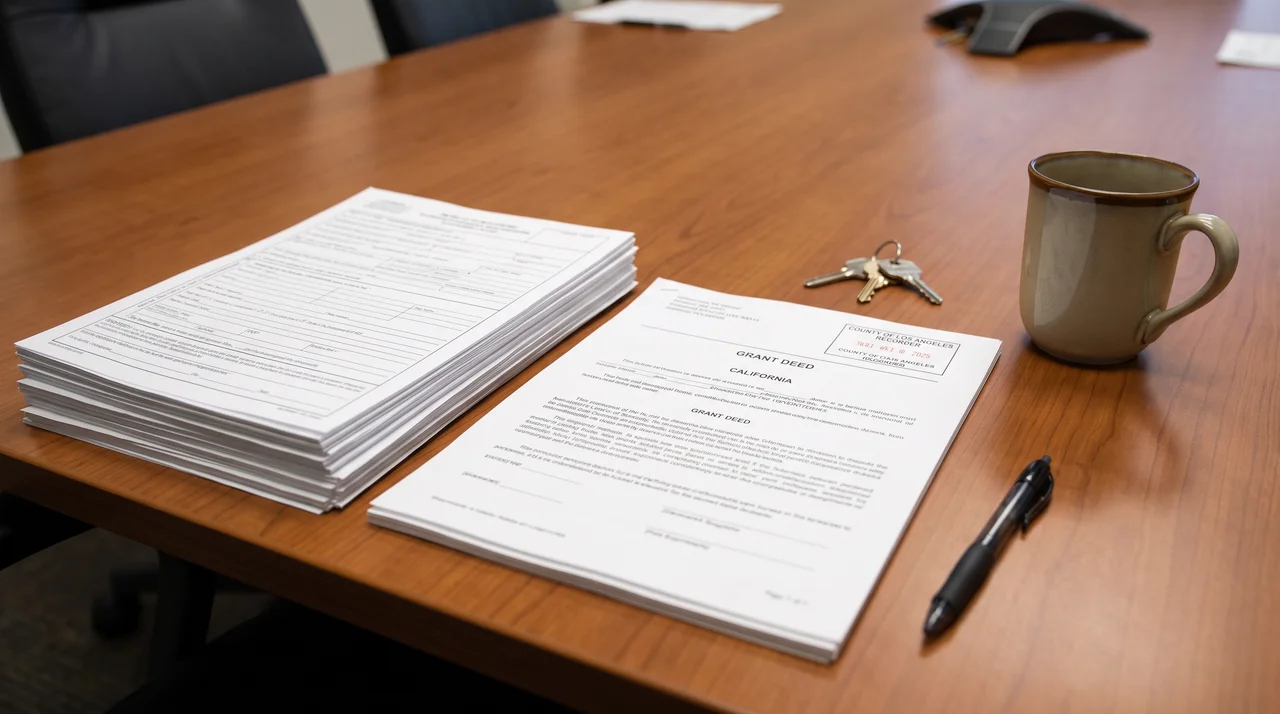
California relies on grant deeds more than most states, so if you bought a home here, this is almost certainly the deed type you have.
The rules work the same way they do everywhere else. Your grant deed proves the seller owned the property and passed it to you without any hidden side deals.
California adds a few extra layers during a typical sale. Escrow companies order a preliminary title report before closing, which flags most title issues long before you sign anything.
Once the sale closes, the deed gets recorded at the county recorder’s office in the county where the property sits, and that recording is what makes your ownership part of the public record.
If you’re married or in a domestic partnership, California’s community property rules can affect who holds title alongside you, so the deed’s wording matters.
Outside of these details, a grant deed proves ownership in California the same way it does anywhere else. It’s solid, but it still isn’t the whole picture.
Grant Deed vs. Quitclaim Deed vs. Warranty Deed
Deeds aren’t all the same, and knowing the difference helps you understand exactly what protection you’re getting.
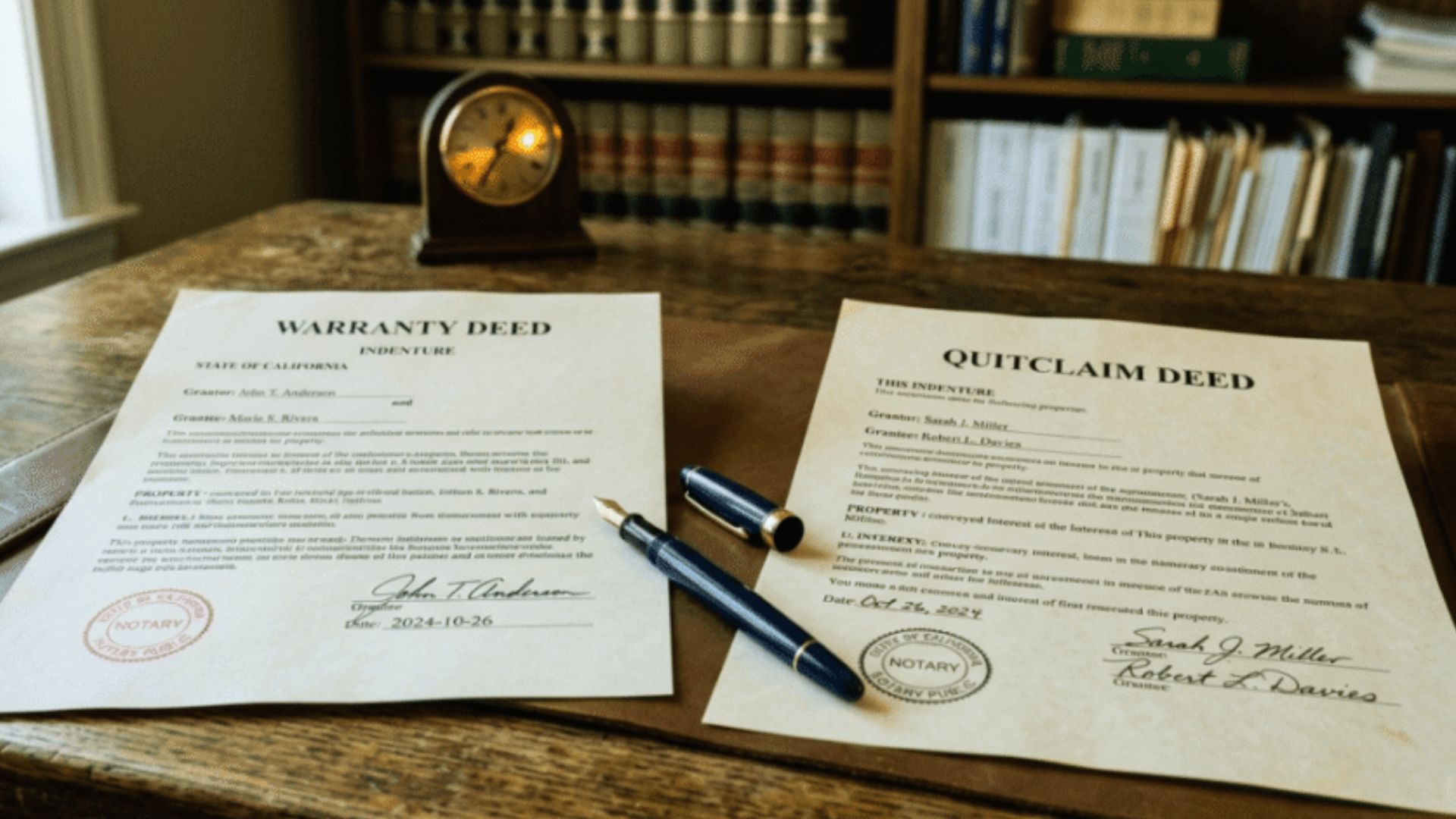
A quitclaim deed transfers whatever interest the seller has, with no promises attached. If the seller doesn’t actually own the property, you get nothing, and you have no legal recourse. These show up most often between family members or to fix a small title error, not in a typical home sale.
A warranty deed goes further than a grant deed, it promises the property is free of liens and disputes going all the way back through its history, not just during the current seller’s ownership, not just during the current seller’s ownership.
That extra promise is why warranty deeds are more common in states outside the west coast.
A grant deed sits in the middle. It’s stronger than a quitclaim deed but doesn’t reach as far back as a warranty deed.
| Deed Type | What It Promises | Common Use |
| Quitclaim Deed | No promises about ownership or clear title | Family transfers, fixing title errors |
| Grant Deed | Seller owned it and didn’t sell it to anyone else first | Standard home sales in CA and other western states |
| Warranty Deed | Property is free of liens and claims through its full history | Home sales in many other states |
How to Verify Property Ownership
If you want more certainty than a grant deed offers on its own, a few extra steps can close the gap.
Check County Recorder’s Office Records
Every county keeps records of recorded deeds, and most let you search them online or in person for free.
Pulling up the recorded history of a property shows you every transfer on file, along with any recorded liens. It won’t catch unrecorded claims, but it’s a solid first step and costs you nothing.
Order a Title Search
A title company or attorney can run a full title search that traces ownership back through public records, often decades further than you’d check on your own.
This turns up liens, unresolved disputes, and errors in past deeds that a quick county search might miss. Most buyers order one automatically during a home purchase.
Consider Title Insurance
Title insurance protects you financially if a title problem surfaces after you’ve already closed.
It won’t undo the property’s history, but it covers legal costs and losses tied to claims that a title search didn’t catch. For most buyers, it’s worth the one-time cost for that peace of mind.
What Documents Provide Proof of Ownership?
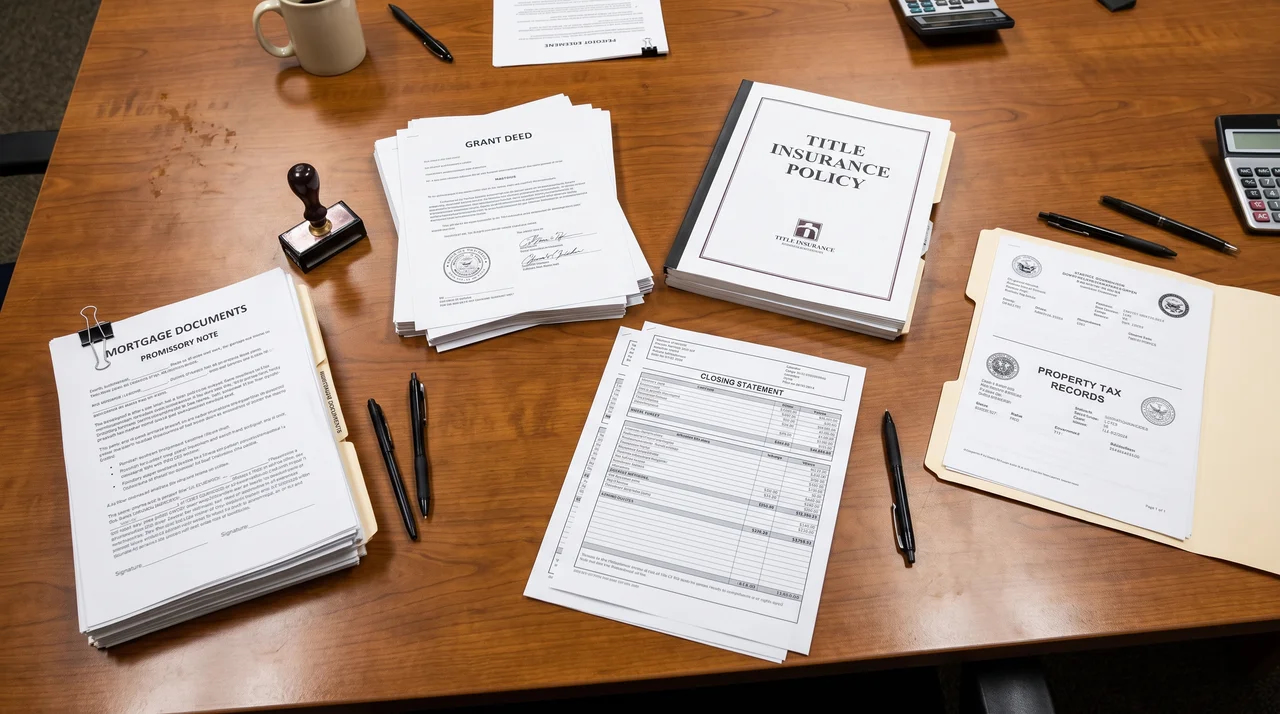
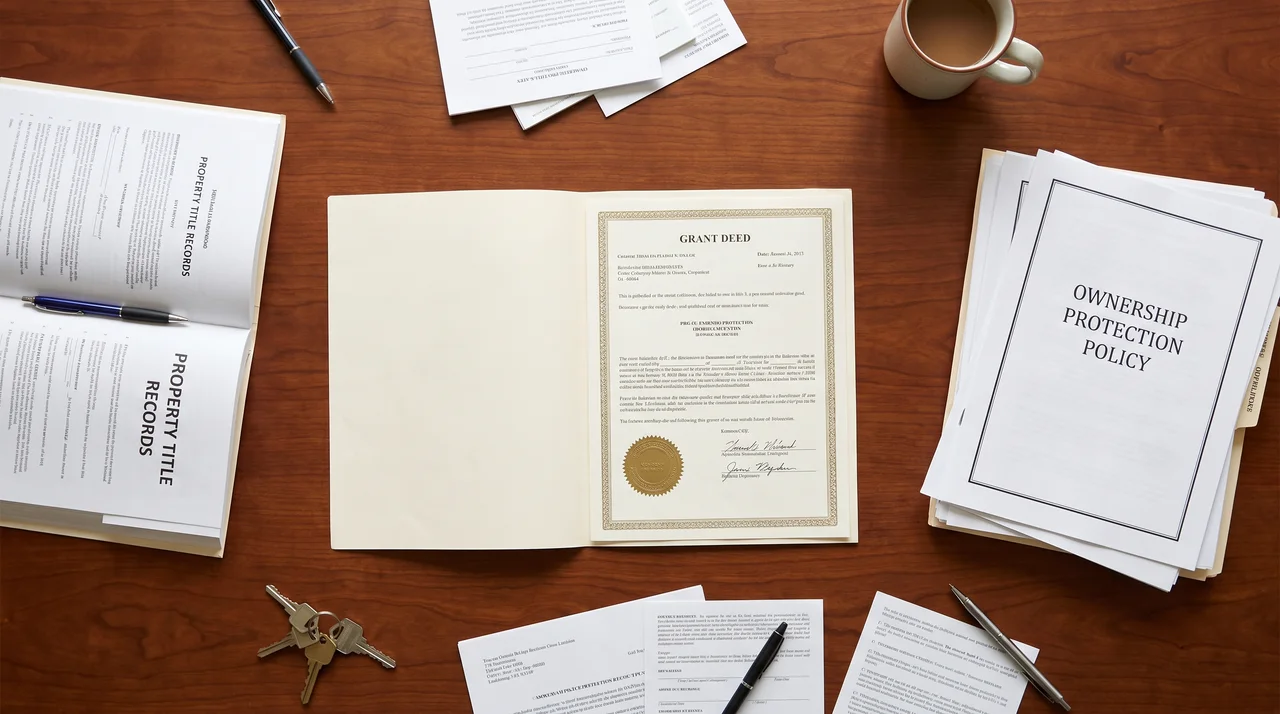
A grant deed is the main document tied to ownership, but it’s not the only paperwork worth keeping. Your title insurance policy backs up your ownership claim and spells out what’s covered if a dispute comes up later.
The closing or settlement statement from your purchase lists the full transaction details and confirms the sale went through as agreed.
Property tax records from your county also show you as the current owner, since tax bills get sent to whoever holds title. If you financed the purchase, your mortgage documents and deed of trust tie the loan to you as the property owner too.
None of these documents work as well alone as they do together. Keep copies of each one, ideally in more than one place, so you’re never scrambling to prove ownership when it actually matters.
Recording a Grant Deed: What Happens If You Don’t
An unrecorded grant deed still transfers ownership between you and the seller, but it leaves you exposed in ways that are easy to overlook. Without recording, there’s no public record showing you’re the new owner.
If the seller turned around and sold the same property to someone else, or if a creditor placed a lien against the seller, your claim could end up buried behind theirs simply because yours was never on file.
Recording your deed at the county recorder’s office puts your ownership on the public record and protects your claim against these kinds of conflicts, just make sure the legal description of your property is accurate before you file, since errors there can create their own title complications.
It usually happens automatically during a standard home purchase, but if you ever receive a deed outside of a typical closing, don’t skip this step. It’s a small task that closes a real gap.
Conclusion
So is a grant deed proof of ownership? It proves the transfer happened, but it won’t catch every hidden issue tied to the property’s past.
That’s why pairing it with a title search and title insurance matters so much. Your ownership deserves more than a single piece of paper backing it up.
Take a few minutes to pull your recorded deed from the county recorder’s office and check that everything lines up.
Got questions about your specific situation? Drop them in the comments, and I’ll help you sort it out.
Frequently Asked Questions
Can someone challenge my ownership after I record a grant deed?
Yes, in rare cases. Recording establishes public notice, but it doesn’t erase disputes tied to fraud, forgery, or errors made before your purchase closed.
Does a grant deed show up on my property tax bill?
No, they’re separate documents. Your tax bill reflects assessed value and owner of record, which typically updates once the county processes your recorded deed.
How long does it take to get a copy of a recorded grant deed?
Most county recorder offices process requests within a few business days, though online copies through their website portal are often available almost instantly.
Can I transfer property using a grant deed without a real estate agent?
Yes, you can prepare and record a grant deed yourself, though many people still hire an attorney or title company to avoid costly paperwork mistakes.
What happens to a grant deed if the owner passes away?
Ownership typically passes according to the deed’s title arrangement, such as joint tenancy, or through probate if no survivorship clause was included.