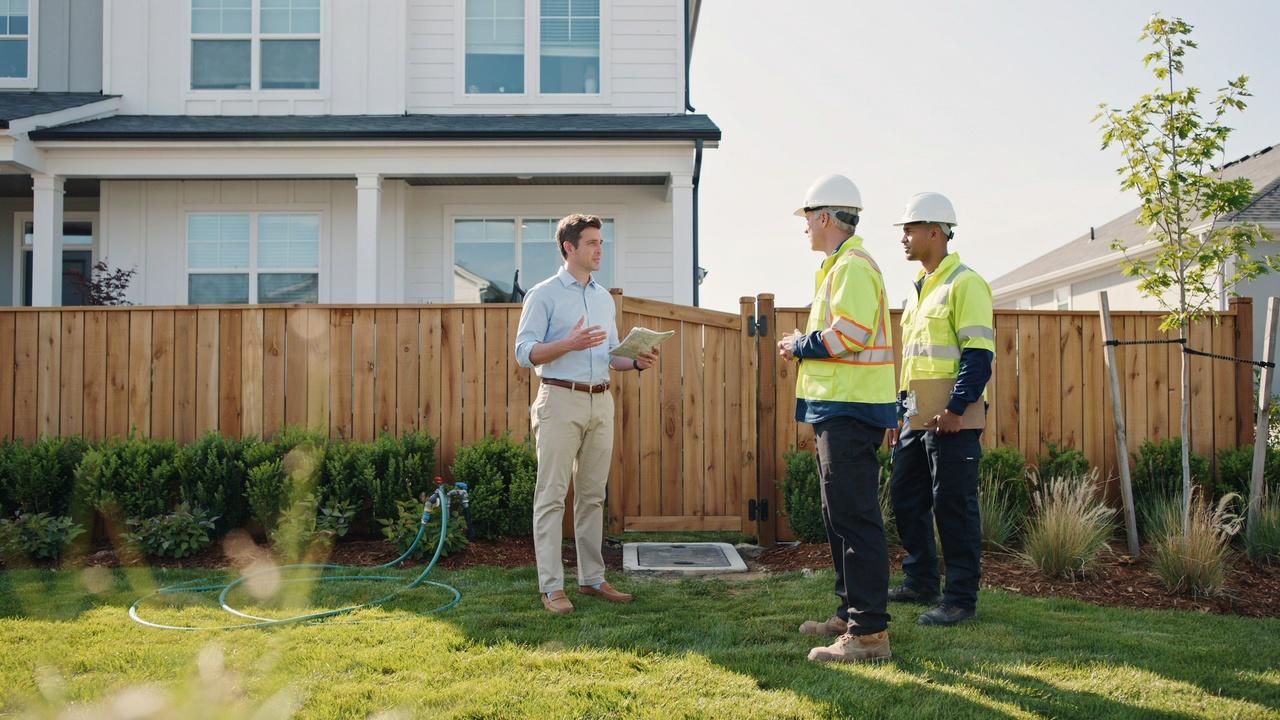

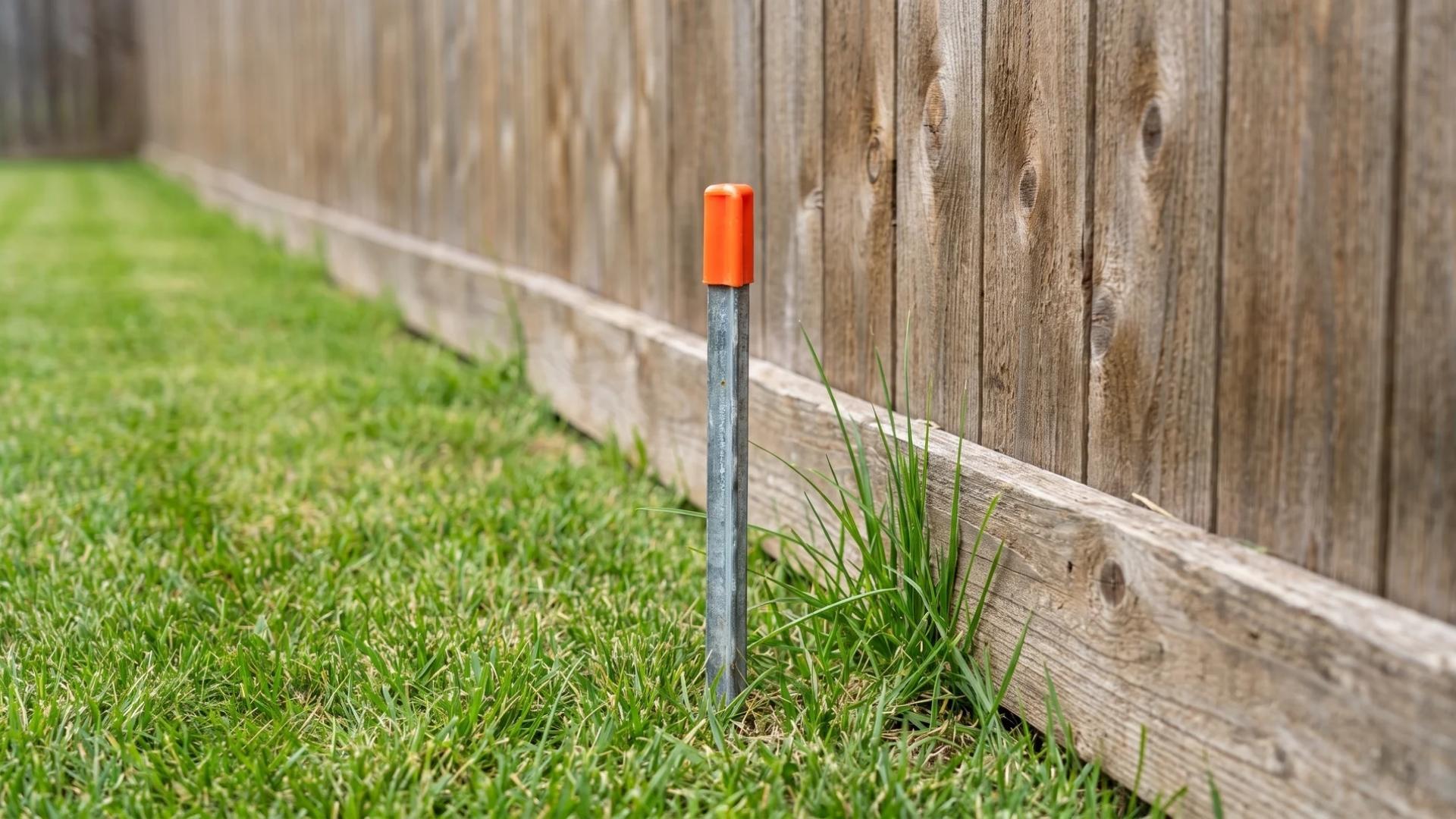
You’re standing in your backyard, staring at a fence that isn’t quite where you thought your property line was. Suddenly “encroachment vs easement” stops being a lawyer’s term and becomes your problem.
People use these two words like they mean the same thing. They don’t. One is a right someone else legally has to use part of your land. The other is someone using your land with no right to do it at all.
Easements and encroachments are both types of property boundary issues, but they sit on opposite sides of the law. But mixing them up matters. You don’t sue your neighbor over a recorded easement. And you don’t just “live with” an encroachment the way you might with an old utility line.
Here’s what separates the two, how an encroachment actually gets fixed, and the one spot where the line between them gets blurry.
What Is an Easement, and What Is an Encroachment?
An easement is a legal right. It lets someone else use a specific part of your land for a specific reason. They don’t own that land. They just get to use it.
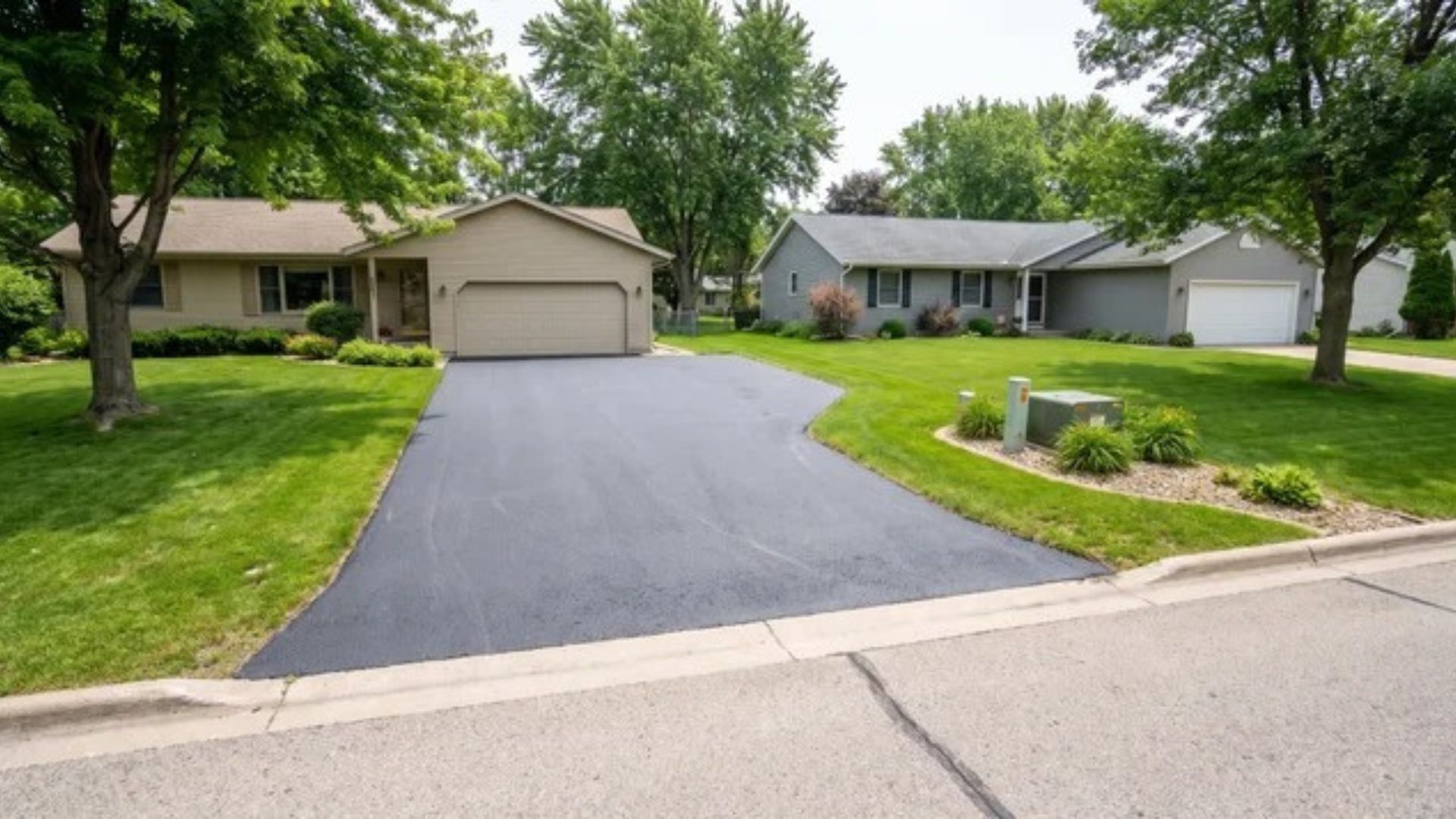
Think of a shared driveway between two houses. Or a power company’s right to run lines across the corner of your yard. That’s an easement in action.
When it’s tied to a company like that rather than a neighboring property, it’s called an easement in gross. When it’s tied to the land itself and passes along with it, like the shared driveway, it’s called an easement appurtenant.
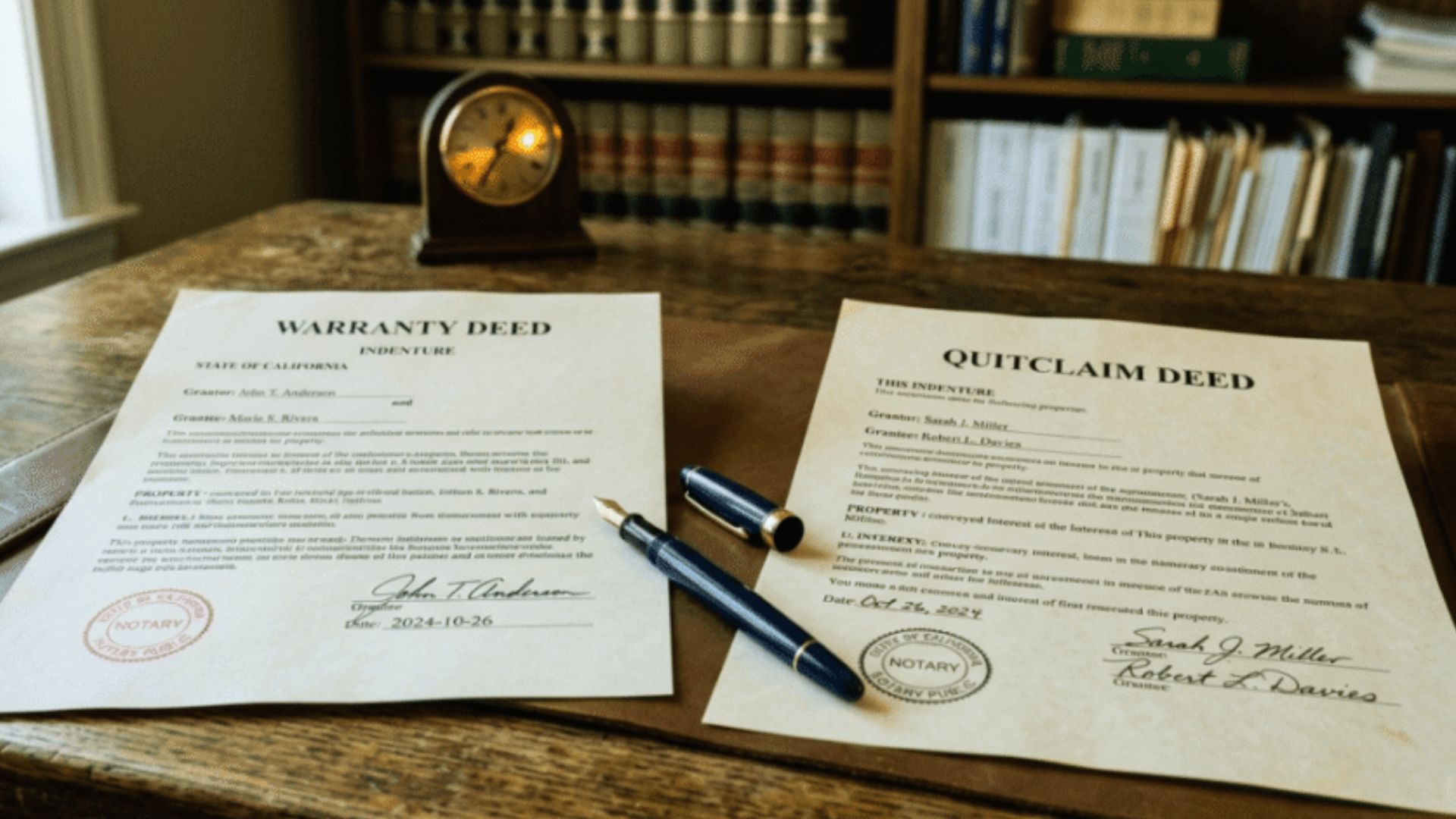
Either way, it’s written down and recorded on the property title, so both sides know it’s there.
An encroachment is the opposite. It’s a physical structure that crosses onto land that isn’t yours. A fence built two feet over the line. A shed that clips the neighbor’s yard. A roofline that hangs over. Tree roots pushing into the lot next door.
I’ve seen plenty of these, and almost none were on purpose. Most encroachments happen because nobody checked the real boundary before building something. You usually don’t find out until a survey turns it up, often during a home sale or refinance.
Here’s the simple way to remember it:
Both situations involve someone using land that isn’t theirs. The difference is permission. An easement exists because someone agreed to it, in writing. An encroachment exists because something got built in the wrong spot, and nobody caught it.
Encroachment vs. Easement at a Glance
| Factor | Encroachment | Easement |
| Authorization | Unauthorized | Legally authorized |
| Recorded on title | No | Usually, yes |
| Runs with the land | No | Yes |
| Typical fix | Agreement, removal, or legal action | Already settled; nothing to fix |
What Structurally Separates an Easement From an Encroachment?
Three things split these two apart: permission, paperwork, and how long they last.
Permission comes first.
Someone has to grant an easement. The landowner agrees to it, usually for something in return like money, access, or a utility hookup. An encroachment has none of that. Nobody signed off on the fence crossing the line. It’s just sitting there. In short: easements are granted, encroachments are not.
Paperwork is next.
An easement is a legal right, so it gets recorded on the property title. Anyone doing a title search for a buyer, a lender, or a title company will see it listed before closing.
An encroachment shows up nowhere. You only find it by measuring the property yourself. That’s why a surveyor catches encroachments, not a records clerk.
This trips people up constantly. A clean title search feels like a green light. It isn’t. A title search tells you about easements. It tells you nothing about a fence sitting six inches over the line. Easements get recorded; encroachments get discovered.
Then there’s how long each one sticks around.
An easement usually runs with the land. It survives a sale. It binds the next owner, not just the person who agreed to it originally.
An encroachment has no such staying power. It isn’t a right, so it doesn’t carry forward on its own. It has to get removed or formally resolved, or it just sits there as an open problem, passed from owner to owner like an unpaid bill nobody wants to deal with.
Easements run with the land permanently; encroachments don’t carry any standing at all until someone fixes them.
How Encroachments Get Resolved, and Why Easements Don’t Need To Be
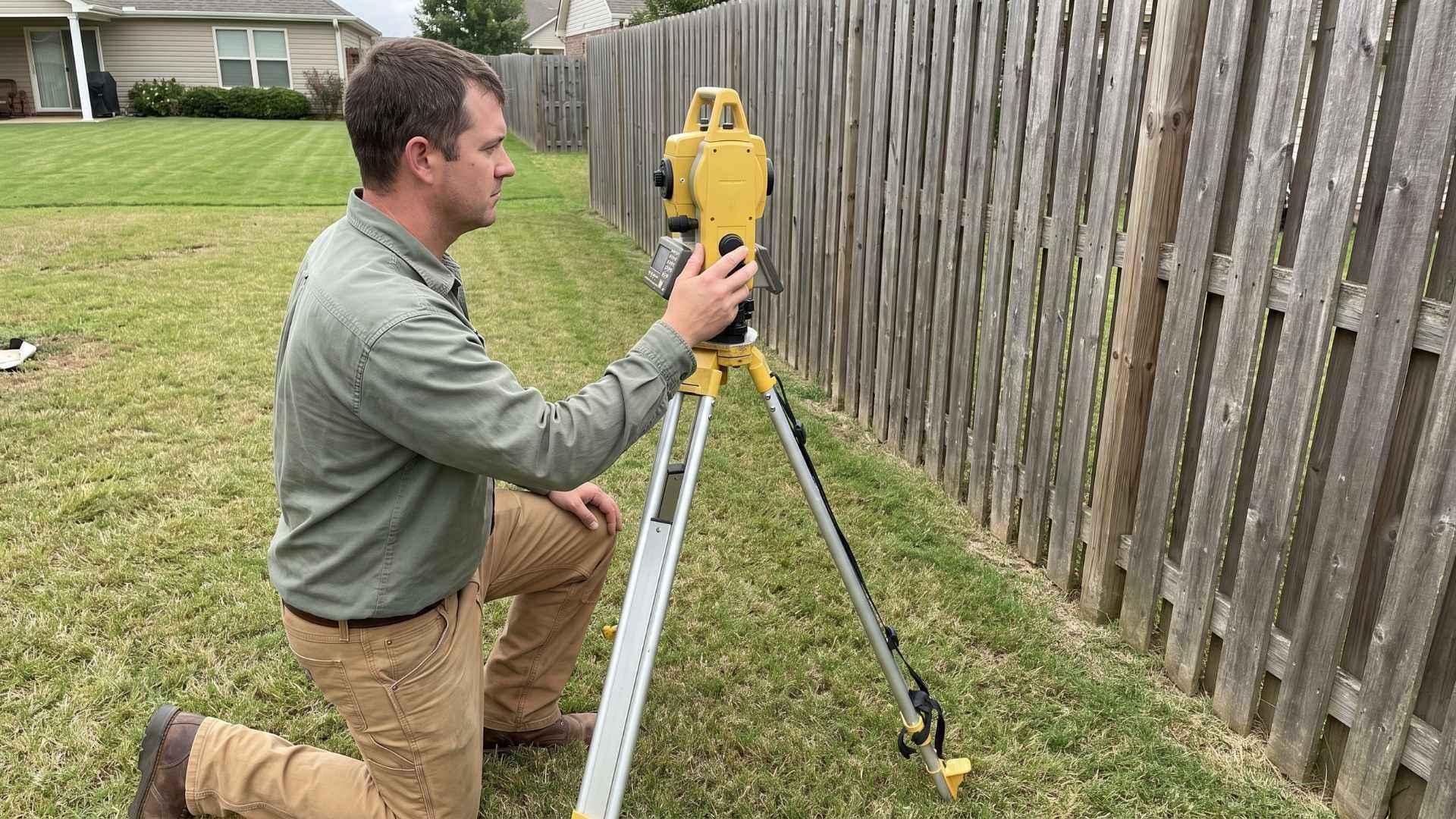
Fixing an encroachment starts with a survey. A licensed surveyor measures the real boundary lines and checks them against what’s actually built on the ground.
This is usually how people find out they have a problem in the first place. Most property owners have no clue their fence or shed crosses the line until a survey gets pulled for a refinance or a sale.
Once that survey confirms it, the owner whose land got crossed has two real options:
- Work out an agreement that lets the structure stay
- Push for it to come down
Here’s something I’ve seen catch people completely off guard: age doesn’t fix the problem.
Surveys sometimes turn up encroachments that have sat there for decades, with neither neighbor having a clue. A garage built three inches over the line forty years ago doesn’t become legal just because it’s old. The age of the mistake doesn’t erase it.
This is usually where the real tension starts. The current owner of that garage probably didn’t build it. They might not even know it’s a problem until a sale forces a survey and the whole thing surfaces.
An unresolved encroachment doesn’t just sit quietly, either. It can mess with your ability to sell:
- Lenders and title companies flag encroachments routinely during a pre-sale survey
- That can delay your closing
- It can shrink your offer
- In bad cases, it can kill the deal until it’s dealt with
Encroachment Agreement
An Encroachment Agreement is a written contract between the two property owners. It formally lets the encroaching structure stay, usually with conditions attached, the right to demand removal later, a cap on expanding it, sometimes a payment.
This is the most common fix when removal isn’t worth the hassle, like a few inches of fence or the edge of a driveway.
But here’s the catch: an Encroachment Agreement doesn’t automatically carry the same weight as an easement. It might not bind future owners unless it’s specifically written and recorded to run with the land. So it’s not always a full substitute for the real thing.
Removal or Legal Action
If the two sides can’t agree, the property owner whose land got crossed can demand voluntary removal. If that fails, it goes to legal action, which can end in a court order forcing removal or payment.
This route is slower and more expensive than just negotiating. It’s the fallback, the path you take when the other side won’t admit the survey is right or won’t accept where the line actually sits.
Selling an Easement
There’s a third option that sits between an agreement and a lawsuit: selling your neighbor an easement, or a small strip of the land itself.
This works well when the encroachment is minor but not worth tearing out.. say, a driveway that’s crept two feet over the line. You get paid for the land they’re actually using, and they get a permanent, recorded right to keep using it.
Unlike an Encroachment Agreement, a sold easement gets recorded on the title, so it carries forward to whoever buys either property next.
Bottom line on this part: property owners should resolve encroachments promptly and can enforce their boundaries, while easement holders simply keep their right to use the land as long as they stay within what was agreed.
Can an Encroachment Become an Easement, and When Does Each Apply?
Yes, under the right conditions. Don’t assume these two stay in separate boxes forever. An encroachment can turn into an easement.
The clearest path is a formal Encroachment Agreement, written and recorded in a way that grants lasting rights, essentially turning an unauthorized intrusion into a real easement. The other path is called prescriptive use.
In some places, if an encroachment sits there openly, without permission, unchallenged for long enough under local law, often somewhere between 5 and 20 years depending on the state, the encroaching party can actually gain a legal right to keep it. That’s what people mean by a prescriptive easement.
This is the part I think people underestimate most. Ignoring an encroachment isn’t a neutral move. In some cases, if it goes unaddressed long enough, the encroaching party can attempt to claim the land outright through a doctrine called adverse possession: a step beyond just gaining use rights.
When a boundary dispute like this ends up in court, it’s often settled through what’s called a quiet title action, a lawsuit that asks a judge to officially decide who owns the disputed strip of land.
Depending on where you live, letting it sit too long can shift the legal ground under both owners’ feet.
So which one applies to your situation? It usually comes down to whether the use was planned. Easements show up when land use is deliberate, such as for a utility company needing access, two homeowners sharing a driveway on purpose.
Encroachments show up when nobody planned it; a fence built slightly off the real line, a shed that drifted onto the wrong lot, an addition nobody checked against the survey first.
If you’re trying to figure out which one you’re looking at, that’s your test. A planned, agreed-upon use points to an easement. An accidental, undocumented one points to an encroachment, and probably means it’s time to get a survey.
Here’s the Thing
Easement or encroachment comes down to one question: was this agreed to, or not?
Easements are planned, documented, and built to last. Encroachments are accidents — undocumented, and temporary unless someone formally fixes them.
If you’re dealing with either one, start where most of these issues get uncovered in the first place: a current survey. It tells you exactly what’s recorded, what’s actually built, and where the two don’t match up.
From there, whether you need a conversation with your neighbor, a written agreement, or an actual property attorney depends on your specifics. That’s not something a general guide can settle for you, but now you know exactly what question to ask next.
Frequently Asked Questions
Can an encroachment be an easement?
Not automatically, but it can become one. If both property owners formalize the arrangement through a written Encroachment Agreement or, sometimes, long-term uncontested use, the intrusion can gain the legal standing of an easement. Until that happens, it’s still an unauthorized use of the land.
Can you sell a house with an encroachment?
Yes, but expect some friction. Title companies and lenders often flag encroachments found during a survey or title search. That can delay closing or lower your offer. Resolving it beforehand, through removal or a formal agreement usually makes the sale go smoother.
What is an example of encroachment?
Common ones include a neighbor’s fence, shed, driveway, or tree branches crossing onto your land. These are usually unintentional, and they go unnoticed until a survey happens. At that point, you can request removal or work out a resolution.
What are the four types of easements?
The main ones are easement appurtenant (benefits a neighboring property and transfers with it), easement in gross (benefits a person or company, like a utility), prescriptive easement (earned through long-term uncontested use), and easement by necessity (granted when a property has no other way in or out).
Can an easement be removed from a property?
Yes. An easement can end through a written agreement between both parties, a court order, or because the original reason for it no longer applies, say, a utility company abandoning a line. It doesn’t expire just because nobody’s used it in years.