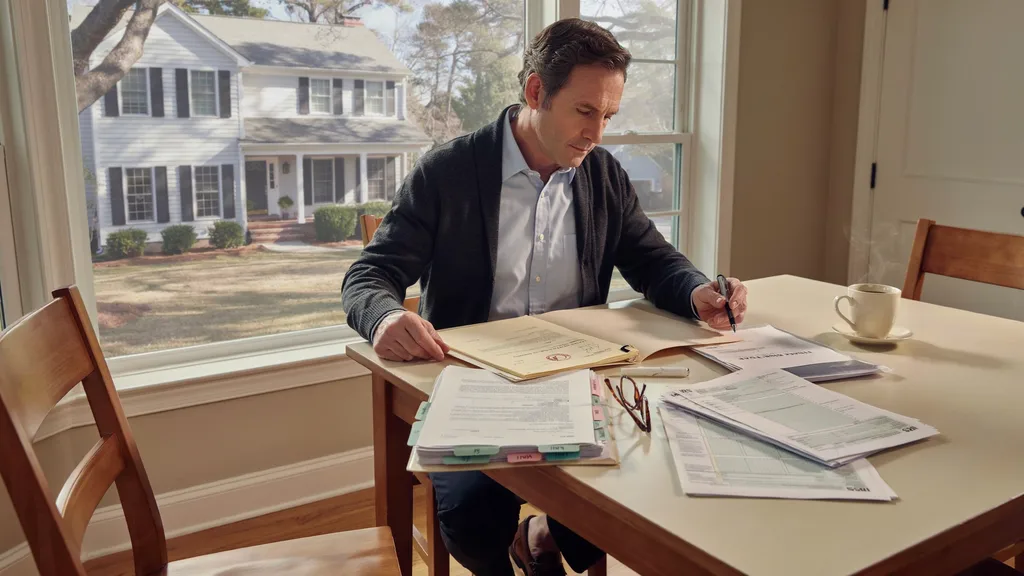
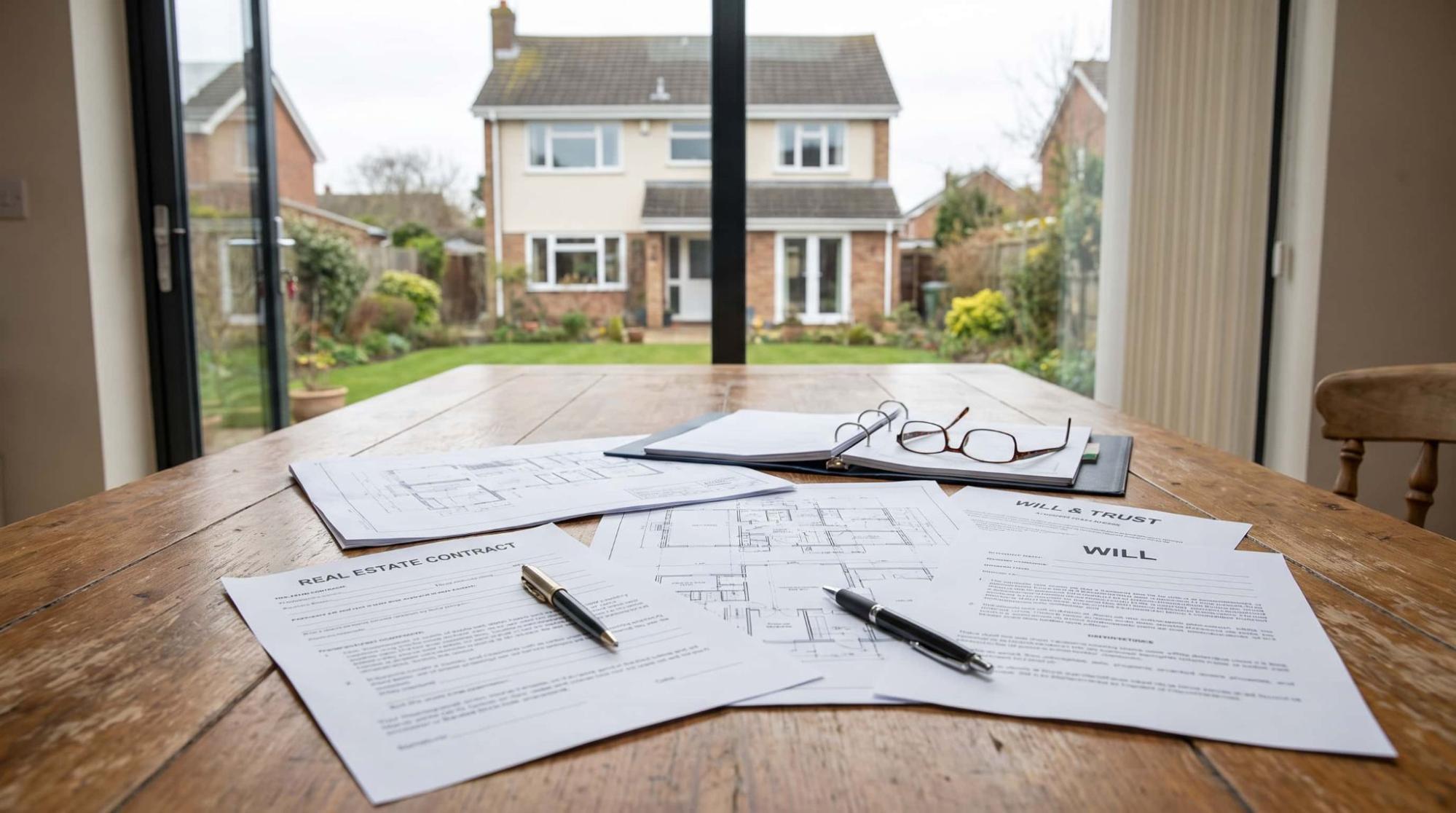
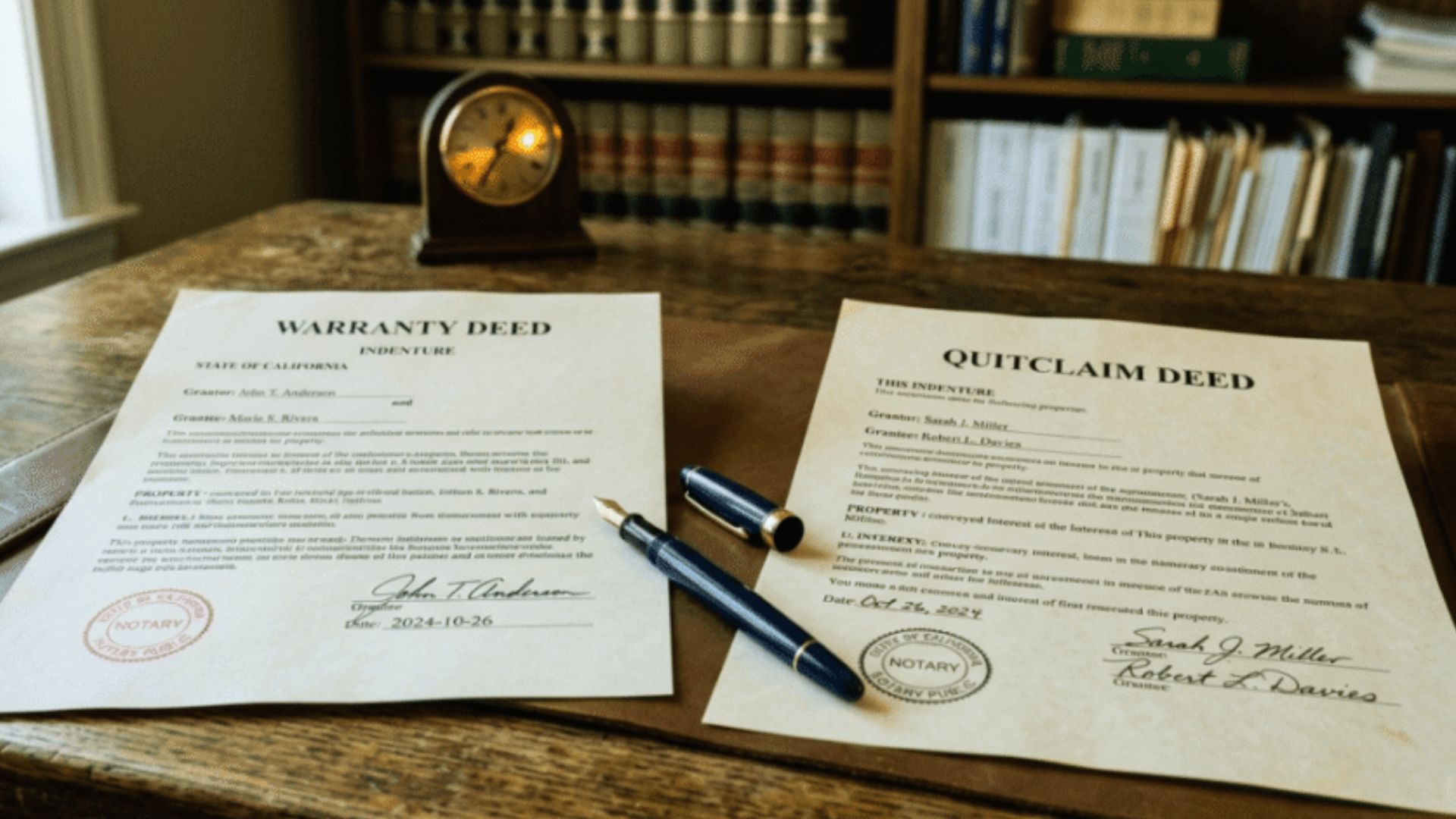
A neighbor has been mowing part of your vacant lot for years, and now you're wondering if that could give them legal ownership rights.
It's a legitimate concern for anyone who owns vacant land, rental property, or land they don't visit regularly.
The good news is that routine maintenance alone does not transfer ownership. However, long-term use of someone else's property under specific legal conditions may support an adverse possession claim.
This guide explains when maintenance matters, what adverse possession legally requires, and how you can protect your property rights.
Does Routine Maintenance Give Ownership Rights?

No. Simply mowing grass, trimming trees, repairing a fence, or performing basic upkeep does not give someone legal ownership of your property.
A person can only obtain ownership through adverse possession after meeting several legal requirements established under state law.
Property maintenance may support an adverse possession claim when combined with long-term occupation, but it is never enough by itself.
Most adverse possession cases involve vacant land, boundary disputes, or property that has remained unused for many years.
Because every state has its own legal requirements, the amount of time and evidence needed varies by jurisdiction.
What Is Adverse Possession?
Adverse possession is a legal rule that allows someone to become the owner of property they do not hold title to after occupying it under specific legal conditions for the required period.
The purpose of adverse possession is to settle long-running ownership disputes and encourage productive use of land that has been left unattended for many years.
A key requirement is that the occupation must occur without the owner's permission.
If the owner allows someone to use the property as a tenant, family member, guest, or under a written or verbal agreement, the possession generally cannot qualify as adverse possession because it is considered authorized.
Legal Requirements
Adverse possession claims succeed only when every required legal element is satisfied for the period required under state law.
Continuous Possession
The occupation must continue without significant interruption for the full statutory period. This period varies considerably by state.
For example, California requires five years of continuous possession, while some northeastern states require twenty years or more.
Checking the specific timeframe in your state is essential because a claim that would succeed in one jurisdiction may fall short in another.
Hostile Possession
In adverse possession law, "hostile" simply means the property is occupied without the owner's permission. It does not require conflict, threats, or intentional wrongdoing.
Some states also distinguish between good faith and bad faith possession. Good faith means the person genuinely believed they had a right to the property, such as through a mistaken survey or unclear deed.
Bad faith means the person knowingly occupied land belonging to someone else. Whether good faith or bad faith affects the outcome depends on the laws of the specific state where the property is located.
Does Property Maintenance Matter?
Property maintenance can support an adverse possession claim, but only as one piece of a much larger legal analysis.
Routine tasks such as mowing grass, landscaping, removing debris, or making small repairs may help demonstrate ongoing use of the property.
However, courts focus on the overall pattern of possession rather than maintenance activities alone.
Larger improvements, including constructing buildings, installing fencing, or replacing a roof, may provide stronger evidence that someone treated the property as their own.
Even then, those actions must still satisfy every other legal requirement.
Some states also consider payment of property taxes as supporting evidence.
Others do not require tax payments at all.
Paying taxes by itself does not transfer ownership because courts review the complete facts before recognizing an adverse possession claim.
Situations That Affect Claims
Several situations can increase or reduce the likelihood of a successful adverse possession claim.
Adverse possession most commonly involves vacant property because owners may not notice unauthorized occupation for long periods.
Boundary disputes also appear frequently when fences, driveways, landscaping, or sheds extend across neighboring property lines for many years.
Permission changes the legal analysis considerably.
When the owner allows someone to occupy or maintain the property, the use generally loses the hostile element required for adverse possession.
Family-owned property can create additional questions because relatives often occupy or maintain land with implied permission instead of treating it as property belonging exclusively to them.
How to Prevent Claims
Property owners can reduce the chance of an adverse possession dispute by monitoring their property and responding to unauthorized use early.
- Inspect vacant or seasonal property regularly.
- Give written permission when allowing someone to use your land.
- Resolve fence and boundary disputes promptly.
- Keep deeds, surveys, and ownership records organized.
- Consult a real estate attorney if someone refuses to leave your property.
What Happens During an Adverse Possession Claim?
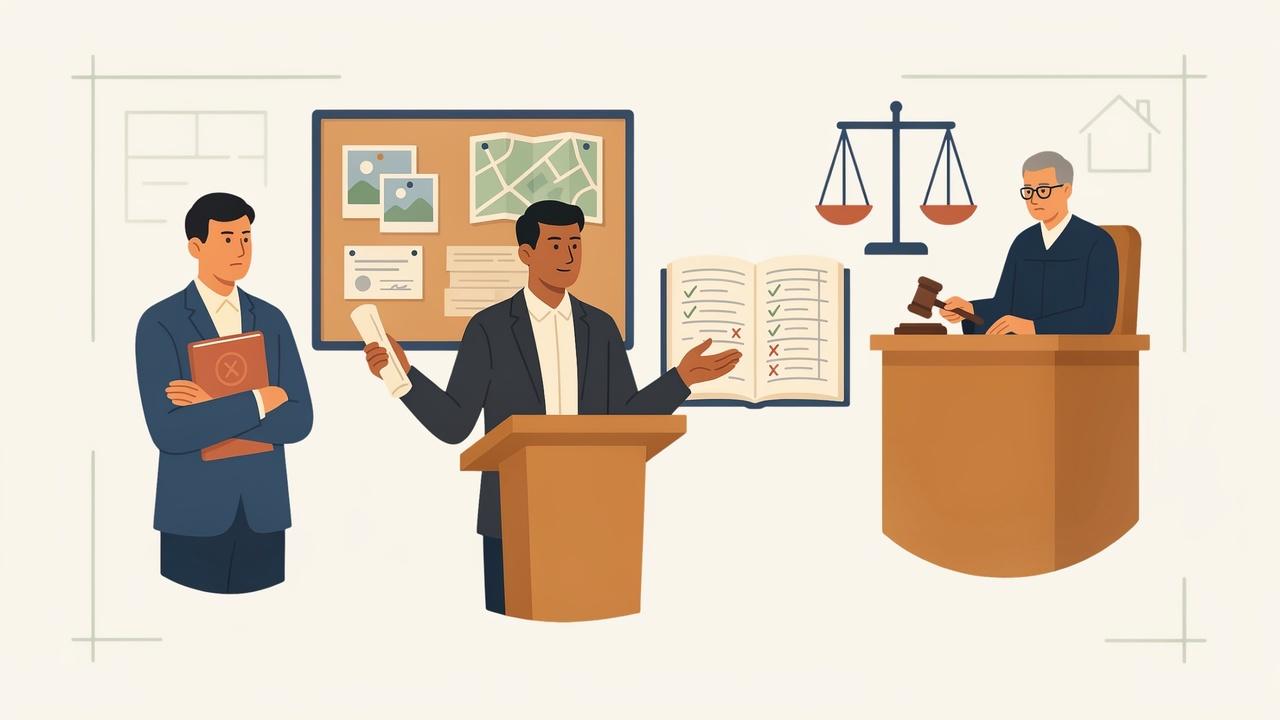
An adverse possession claim requires a formal legal process.Ownership does not transfer automatically because someone maintained or occupied the property for many years.
The person making the claim usually files a quiet title action asking the court to recognize them as the legal owner.
They must present evidence showing that every legal requirement has been satisfied for the required period.
Property owners have the opportunity to challenge the claim by showing the occupation was interrupted, shared with others, or carried out with permission.
Documents, surveys, photographs, correspondence, and witness testimony often play an important role during the case.
The court reviews all available evidence before deciding whether ownership should remain with the original owner or transfer to the claimant.
Common Misconceptions
Several common myths create confusion about adverse possession.
- Maintenance alone transfers ownership: Routine upkeep by itself does not create ownership rights.
- Living on a property guarantees ownership: Occupancy must satisfy every legal requirement before a claim can succeed.
- Paying property taxes is enough: Tax payments may support a claim in some states, but they do not establish ownership on their own.
- The rules are the same everywhere: Every state has different adverse possession laws, including different time requirements and legal standards.
Conclusion
Can someone legally claim your property by maintaining it? In most situations, the answer is no.
Routine maintenance alone does not transfer ownership.
A successful adverse possession claim requires continuous possession that satisfies every legal requirement under the applicable state law.
Checking your property regularly, documenting ownership, responding to unauthorized use, and addressing boundary issues promptly can significantly reduce the chance of a future dispute.
If someone is already claiming rights to your property, speaking with a real estate attorney familiar with your state's laws is often the best next step.
Frequently Asked Questions
Does adverse possession apply the same way to commercial and residential property?
The basic legal requirements are generally similar, although commercial property disputes often involve additional documentation, higher property values, and more complex legal issues.
Can adverse possession apply to mineral rights or underground resources?
In some states, adverse possession may extend to mineral rights. However, the legal standards are often different from those that apply to surface ownership.
Does homeowners insurance cover legal costs from an adverse possession dispute?
Standard homeowners insurance usually does not cover adverse possession disputes. Some title insurance policies may provide coverage for certain ownership claims, depending on the policy terms.
Can adverse possession claims be settled out of court through negotiation?
Yes. Some disputes are resolved through negotiated agreements, such as boundary adjustments, easements, or property line agreements, without proceeding to a full court trial.