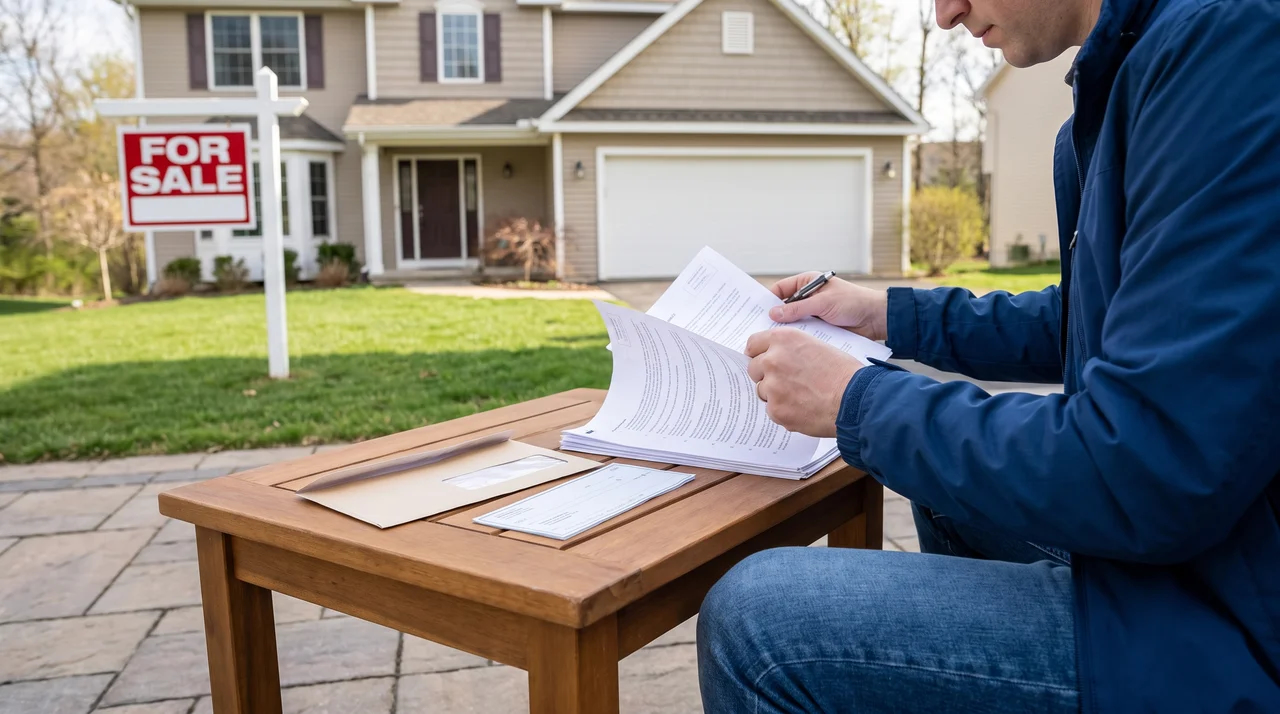


Facing foreclosure can be stressful, but you may still have options.
Yes, you can usually sell a house in foreclosure, as long as the sale closes before the foreclosure auction is complete.
This guide covers when you can sell, how the process works, the documents you'll need, and the alternatives available if selling isn't the right fit.
Can You Sell a House in Foreclosure?
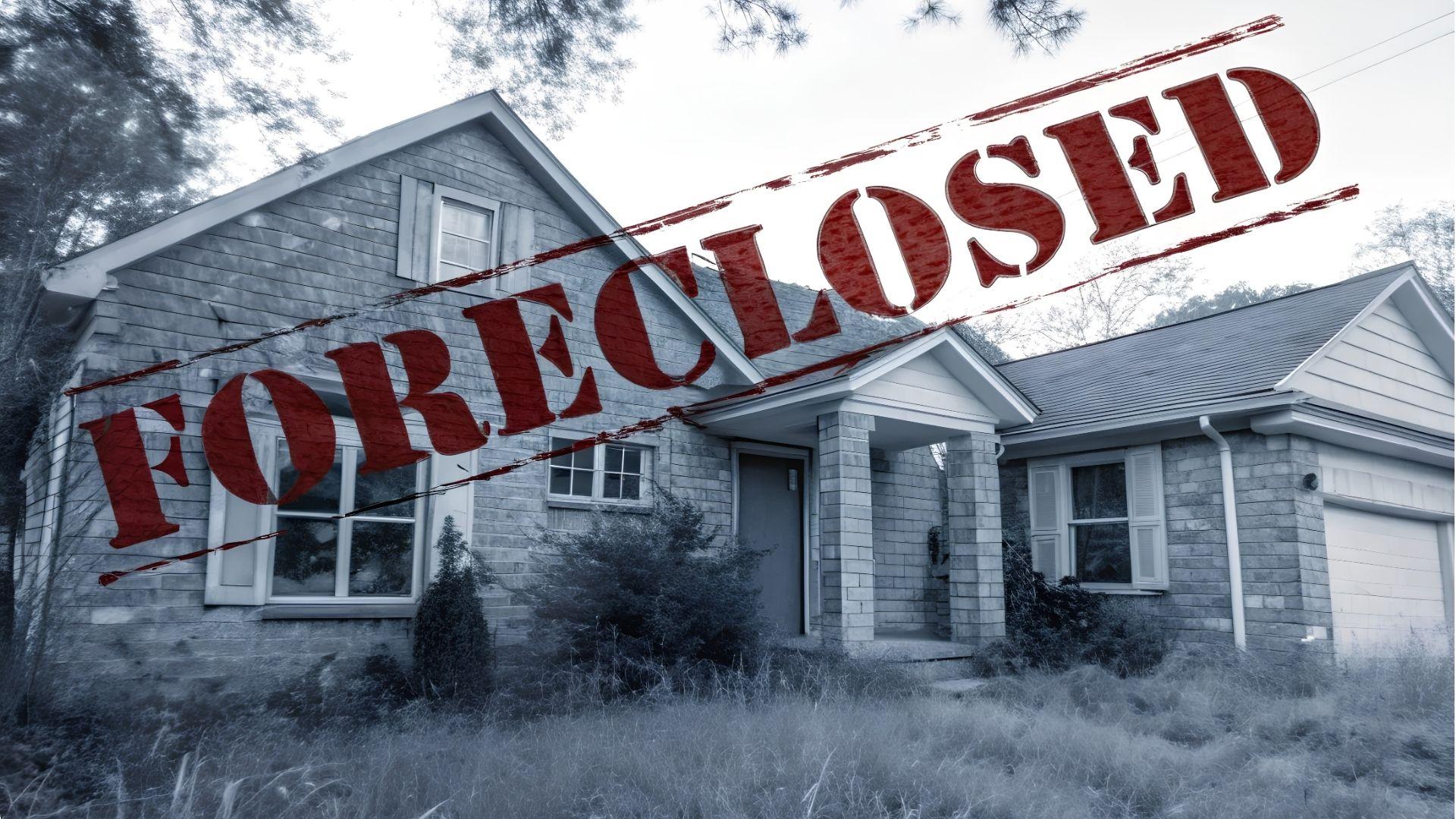
Yes, you can often sell a house in foreclosure, but you must usually complete the sale before the foreclosure auction or sale is finalized.
The earlier you act, the more options you may have. If the sale price is enough to pay off your mortgage and any other liens, you can generally sell the home like a traditional real estate transaction.
If you owe more than the home's value, you may need your lender's approval for a short sale.
Because foreclosure timelines and legal requirements vary by state, it's important to contact your lender and find your options as soon as possible.
What Is Foreclosure?

Foreclosure is the legal process a lender uses to take ownership of a property when a homeowner stops making mortgage payments.
The goal is to recover the unpaid loan balance by selling the home. Depending on state law, the process may go through the court system or follow a non-judicial procedure. Foreclosure usually does not happen immediately after a missed payment.
Homeowners are often given time to catch up on payments, explore loss mitigation options, or sell the property before the foreclosure sale takes place. Understanding how foreclosure works can help you make informed decisions before your options become more limited.
When Can You Sell a House in Foreclosure?
Your ability to sell a house in foreclosure depends on where you are in the foreclosure process.
Before the Foreclosure Is Filed
If you've fallen behind on mortgage payments but the lender has not yet started foreclosure, you can generally sell your home through a standard real estate transaction.
During the Pre-Foreclosure Period
During pre-foreclosure, you typically still own the property and may sell it. If the sale proceeds cover the mortgage balance, the loan can be paid off at closing. If not, a short sale may be necessary with the lender's approval.
Before the Foreclosure Auction
You can often sell your home up until the foreclosure auction takes place. Because deadlines can be tight, it's important to work closely with your lender, real estate agent, and closing professionals to complete the sale on time.
After the Foreclosure Sale (If Allowed)
Once the foreclosure sale is complete, your options become much more limited. In some states, a redemption period or other legal rights may allow limited opportunities after the sale, but these rules vary by state.
How to Sell a House in Foreclosure

Contact your mortgage lender. Confirm your payoff amount, available loss mitigation options, and whether lender approval is required for the sale.
Determine your home's value. Get a comparative market analysis or professional appraisal so the home is priced to sell quickly.
Calculate your mortgage payoff. Request a payoff statement showing your remaining balance, interest, fees, and any penalties.
Hire a real estate agent with foreclosure experience. They can price, market, and negotiate short-sale or time-sensitive transactions effectively.
List the property promptly. A competitive asking price attracts offers faster.
Negotiate terms that leave enough time to close. Buyers need to understand the closing deadline up front.
Close before the deadline. Finalize all paperwork before the auction or sale date to stop the foreclosure from moving forward.
Documents You'll Need to Sell a House in Foreclosure
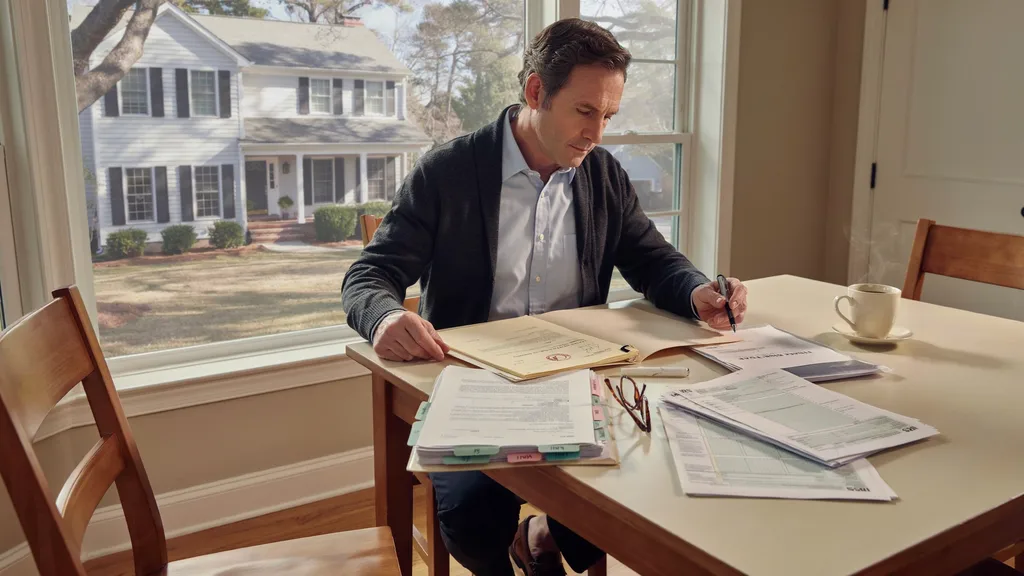
Having the right paperwork ready can help speed up the sale and prevent delays during the foreclosure process.
- Mortgage Statement: Your mortgage statement shows your current loan balance, payment history, and lender information.
- Payoff Letter: A payoff letter provides the exact amount needed to pay off your mortgage, including interest, fees, and any other charges.
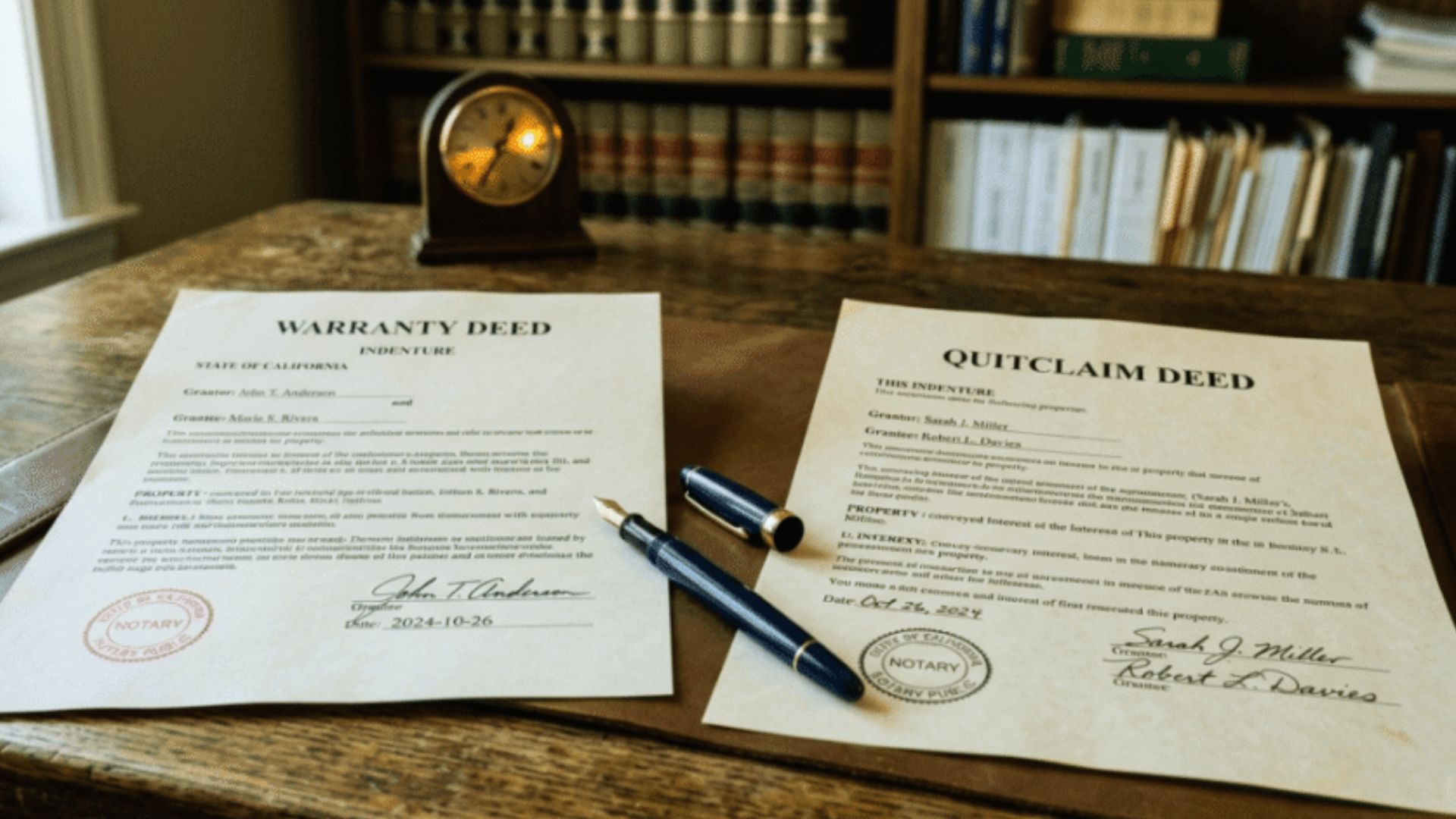
- Property Deed: The property deed confirms legal ownership and is required to transfer the home to the buyer.
- Foreclosure Notice: This document outlines the foreclosure status, important deadlines, and any legal actions taken by the lender.
- Financial Records: Income statements, bank records, hardship letters, and other financial documents may be required, especially if you're pursuing a short sale.
- Purchase Agreement: Once you accept an offer, the signed purchase agreement outlines the terms of the sale and is submitted to the lender if approval is required.
What Happens If You Owe More Than the Home Is Worth?
If your mortgage balance exceeds your home's market value, selling gets harder because the proceeds may not fully cover what you owe.
A short sale, selling for less than the mortgage balance, is one option, but it requires lender approval. The lender reviews your financial situation, the offer, and the property value before agreeing.
In some cases, a deficiency balance (the remaining amount you still owe after the sale) may follow you, depending on state law and your lender's terms. Exploring these options early reduces the risk of running out of time.
Alternatives to Selling a House in Foreclosure
| Option | What It Does | Best For |
| Loan Modification | Changes the loan's terms — lower rate, longer term, or missed payments added to the balance | Homeowners who want to keep the home and can afford adjusted payments |
| Mortgage Forbearance | Temporarily reduces or pauses payments during hardship | Short-term financial setbacks (job loss, medical event) |
| Repayment Plan | Lets you catch up on missed payments over time, on top of regular payments | Homeowners who can now afford their regular payment again |
| Deed in Lieu of Foreclosure | Voluntarily transfers ownership to the lender in exchange for release from the mortgage | Homeowners who can't sell and want to avoid a full foreclosure |
| Refinancing | Replaces the current mortgage with a new loan on better terms | Homeowners who still qualify financially and act before the process advances |
| Bankruptcy | Can temporarily halt foreclosure through an automatic stay | Homeowners needing time to reorganize finances (consult a professional first) |
Benefits of Selling Before Foreclosure
- Protect your credit. Selling before foreclosure typically causes less credit damage than a completed foreclosure.
- Avoid a foreclosure record. Closing the sale first can prevent a foreclosure from being recorded against the property.
- Keep more equity. If the home is worth more than you owe, selling early lets you keep what's left after payoff and costs.
- Control the process. You choose the listing price, review offers, and manage the sale instead of the lender.
- Reduce financial stress. Acting early gives you more options and a clearer set of next steps.
Conclusion
Selling a house in foreclosure is possible in most cases, but the window narrows the closer you get to the auction date.
Contacting your lender early, gathering the required documents, and comparing selling against alternatives like a loan modification or forbearance puts you in the best position to make an informed decision.
Frequently Asked Questions
What is a short sale?
A short sale happens when a home is sold for less than the remaining mortgage balance. It usually requires the lender's approval before the transaction can be completed.
Will selling during foreclosure hurt my credit?
Selling before foreclosure is generally less damaging to your credit than allowing the foreclosure to be completed. The exact impact depends on your financial situation.
Can I keep any money from the sale?
If the sale price is higher than the amount you owe on the mortgage and other closing costs, you may receive the remaining equity. If you owe more than the home's value, lender approval may be needed for the sale.