This blog is general information only, not legal advice. Power of attorney laws vary by state and change over time. Consult a licensed attorney about your situation.
You gave someone power of attorney. Now you want to take it back. Maybe you no longer trust your agent. Maybe your life has changed. Or maybe you just picked the wrong person.
One big question stops many people here. Do you need a lawyer to do this, or can you handle it on your own?
Good news. In most cases, you can revoke a power of attorney yourself. It is simpler than you think. But some cases do call for a lawyer, and knowing the difference saves you time and stress.
This blog lays it all out in plain words. You will learn when you can go solo, when to hire help, and the exact steps to cancel a POA the right way. Let us get into it.
The Short Answer on Hiring a Lawyer to Revoke a POA

In most cases, you do not need a lawyer to revoke a power of attorney. If you are the principal and still of sound mind, you can cancel it yourself.
You write a Revocation of Power of Attorney, sign it before a notary, and tell your agent.
On your own, the cost is small, often just a notary fee. An attorney-drafted revocation usually runs about $100 to $300. A lawyer is worth that cost when things get messy, like fraud, a principal who has lost capacity, or an agent who fights back.
Here is a quick way to see which path fits you:
| Do it yourself when | Hire a lawyer when |
| You are the principal and of sound mind | The principal has lost mental capacity |
| Your reason is simple, like a new agent | You suspect fraud or financial abuse |
| No one disputes your choice | The agent refuses to step down |
| Your POA was never filed with a public office | Your POA was recorded with the Register of Deeds |
When You Can Revoke a Power of Attorney on Your Own

Many people handle a revocation without any legal help. The do-it-yourself path works when you hold the legal right to cancel and no one is fighting you.
If that sounds like your case, the three signs below confirm you can go solo and skip the legal fees.
You Are the Principal and Still of Sound Mind
Only the person who made the POA can revoke it. This person is called the principal. You can cancel your POA at any time and for any reason.
But you must be mentally able to understand what you are doing. Sound mind means you know you are canceling the document and what that choice means.
Your Reason Is Simple, Like a Change of Mind or a New Agent
You do not owe anyone an explanation to revoke a POA.
Maybe you no longer need one. Maybe you want a different agent you trust more. Perhaps your agent moved away or can no longer serve.
These are clean, simple reasons. When the change is this basic, you can handle the paperwork yourself.
No One Is Fighting the Revocation
The easy path works best when nobody disputes your choice.Your agent accepts it. Your family agrees. No bank or court questions you.
In these calm cases, you just follow the steps and send notice. The whole thing can be done in a day once you sign. Trouble only starts when someone pushes back, and that is when legal help earns its cost.
Situations Where a Lawyer Saves You Real Trouble

Some revocations are not simple. When money, capacity, or conflict is involved, a lawyer protects you.
The four cases below each bring risks you should not face alone, so here is what makes them tricky and how a lawyer steps in.
You Suspect Your Agent of Fraud or Financial Abuse
Sometimes an agent misuses their power. Say a daughter finds her brother has drained their mother's account and hidden the records.
This is serious, and it can be hard to prove.
A lawyer can do more than take the agent to court. Their tools include:
- Demanding a full accounting of every transaction the agent made
- Suing to recover the stolen funds
Reporting the abuse to Adult Protective Services, the state agency that looks into financial abuse
The U.S. Department of Justice notes an agent may even face criminal charges like theft or fraud. Do not face this alone.
The Principal Has Lost Mental Capacity
A durable power of attorney can only be revoked by someone of sound mind. So what if the principal can no longer think clearly? They cannot cancel it themselves.
In this case,a family member may ask a court to step in. The court can name a guardian or conservator, who then has the power to revoke the POA.
A lawyer guides you through this court process, which is rarely simple.
Your Power of Attorney Was Filed With the Register of Deeds
Some states let you file a POA with a public office, like the Register of Deeds. This is common when the POA covers real estate.
If yours was filed, a written notice to your agent is not enough.You must also file the revocation at the same office. The rules here are strict.
A lawyer makes sure your revocation is done right and on record.
The Agent Refuses to Step Down
Most agents accept a revocation without a fight. But some refuse to give up their power. When that happens, the matter may go to court.
A lawyer can formally demand that the agent step aside.If the agent still disputes it, your lawyer can argue your case before a judge. The court can also name a temporary fiduciary while the case plays out.
How to Revoke a Power of Attorney Step by Step
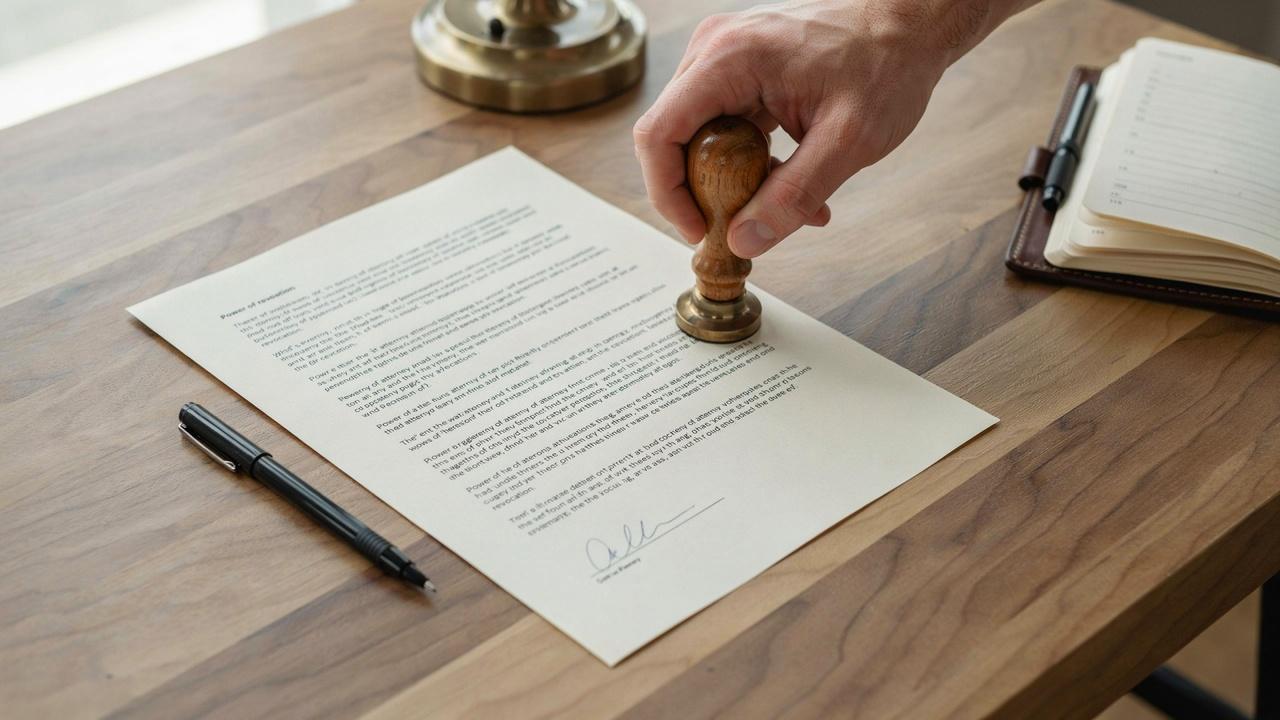
Canceling a POA takes more than a quick decision.
You must follow four clear steps to make it legal, from signing the document to filing it if needed. Miss one and your old agent may still hold power, so here is how to do each step right.
1. Put Your Revocation in Writing and Get It Notarized
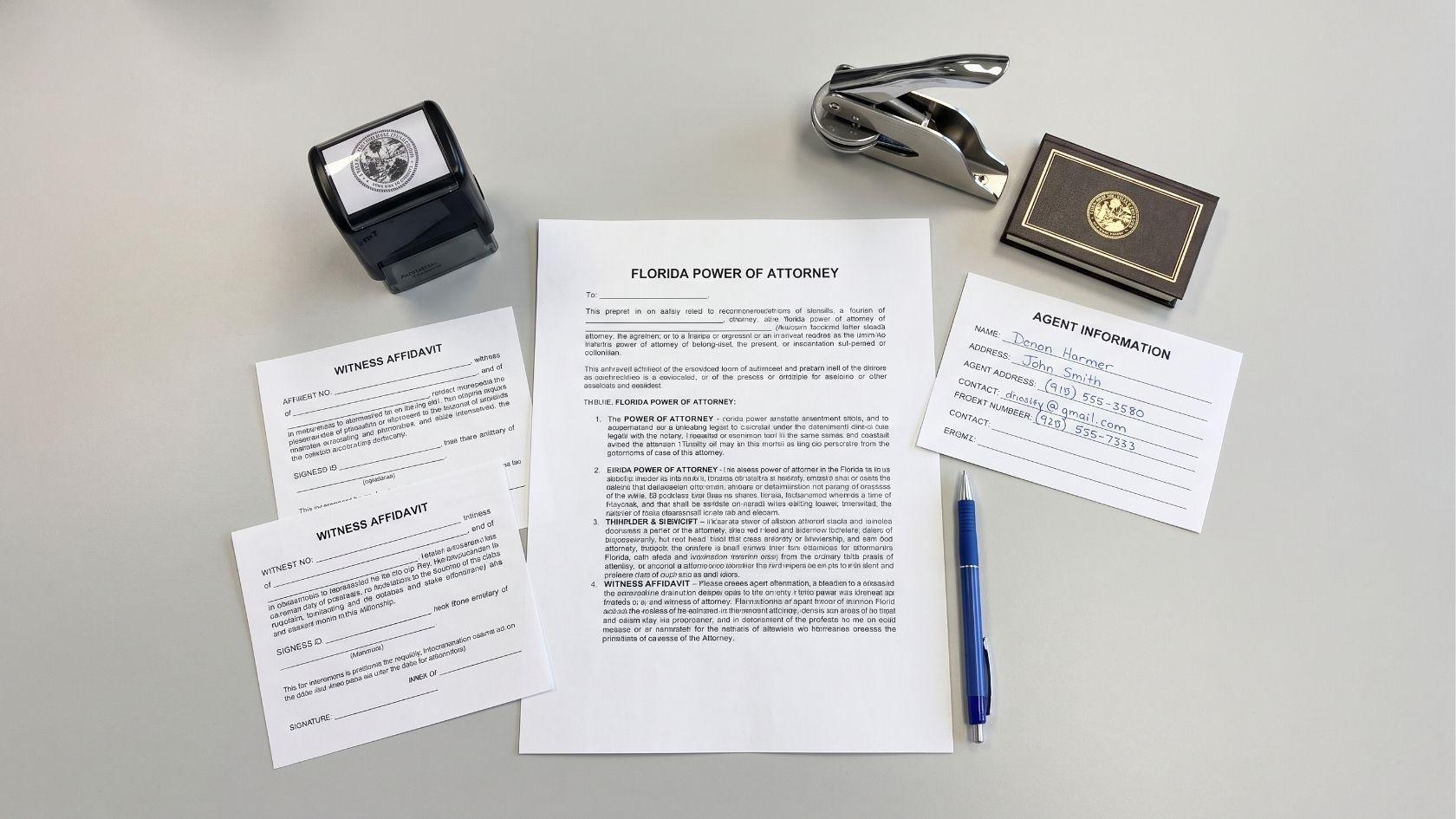
Start with a written revocation. This is a short document that says you are canceling your POA. It should include:
- Your full name as the principal
- Your agent's full name
- The date of the original POA
Then sign it in front of a notary. Many states expect this, though not all require it.
Some states also ask for one or two adult witnesses at your signing. A witness must be a competent adult with no stake in the document, so your named agent cannot serve.
These rules change from state to state, so check yours first.
2. Notify Your Agent in Writing
Your agent must know their power is gone. Your revocation is not effective against them until they receive notice. So send them a written notice of the revocation.
You can hand deliver it or use the mail. The best method is certified mail with a return receipt requested. This gives you proof they got it. Until your agent knows, they may keep acting for you in good faith.
3. Tell Banks, Doctors, and Other Third Parties
Your agent is not the only one who needs to know.
Many others relied on your old POA and must get a copy of your revocation, including:
- Banks and other financial institutions
- Doctors, hospitals, and healthcare providers
- Any business or person the agent dealt with for you
Banks may take a few business days to update their records. If they are not told, they may still honor your former agent. Clear notice protects your money and your care.
4. File the Revocation if the Original Was Registered
Did you file your POA with the Register of Deeds when you made it? If so, a written notice will not fully cancel it. You must file your revocation at the same office where the POA was recorded.
Do this yourself while you are still mentally able. A small recording fee may apply. This keeps the public record correct.
What Happens if You Skip Proper Revocation?
Canceling a POA the wrong way can cause real problems later. Loose ends leave the door open for confusion and harm.
The two risks below show why the steps above matter, and how a rushed job can cost you money or land you in a dispute.
Your Old Agent May Keep Acting for You
An agent who is not told stays in power on paper. They may keep signing papers or moving money for you.
Under the Uniform Power of Attorney Act,an agent who acts in good faith with no knowledge of the revocation may not be at fault.
But the damage may already be done. This is why a written notice to your agent matters so much.
Two Active POAs Can Cause Legal Conflicts
Say you make a new POA but never cancel the old one. Now two documents are live at once. Two agents may give different orders. Banks and doctors will not know whom to trust.
This confusion can lead to disputes. Your new POA should clearly state that it cancels all prior ones.
How a Lawyer Actually Helps in a Revocation
A good lawyer does more than fill out forms.
An estate planning attorney makes sure your revocation meets your state's rules, so it holds up. They draft a clean document that leaves no room for doubt. They also shield you from liability if the old agent causes trouble.
Because POA law changes by state, you can confirm your own rules through your state bar or a state government site before you act.
Conclusion
Here is the one thing to remember. A simple revocation is yours to handle, but fraud, lost capacity, or a filed POA calls for a lawyer.
Know the difference before you act, and your choice will hold up.
Found this helpful? Share it with someone who needs it, and drop your thoughts in the comments below. Your story might help the next reader.
Frequently Asked Questions
1. How much does it cost to revoke a power of attorney?
On your own, it is nearly free, just a small notary fee. If you hire a lawyer, drafting a revocation often runs about $100 to $300.
2. How long does it take to revoke a power of attorney?
The paperwork can be done in a day once you sign and notarize it. But banks and doctors may take a few business days to update their records.
3. Do I need witnesses to revoke a power of attorney?
Some states ask for one or two adult witnesses along with a notary. Check your state's rules, since witness needs are not the same everywhere.
4. Does revoking one power of attorney cancel my medical and financial POA together?
No. Each POA is its own document. You must revoke each one on its own if you want both to end.
5. Can I name a backup agent when I revoke the old one?
Yes. Naming a successor agent in your new POA keeps a trusted person ready. It also helps you avoid a court process later if needed.