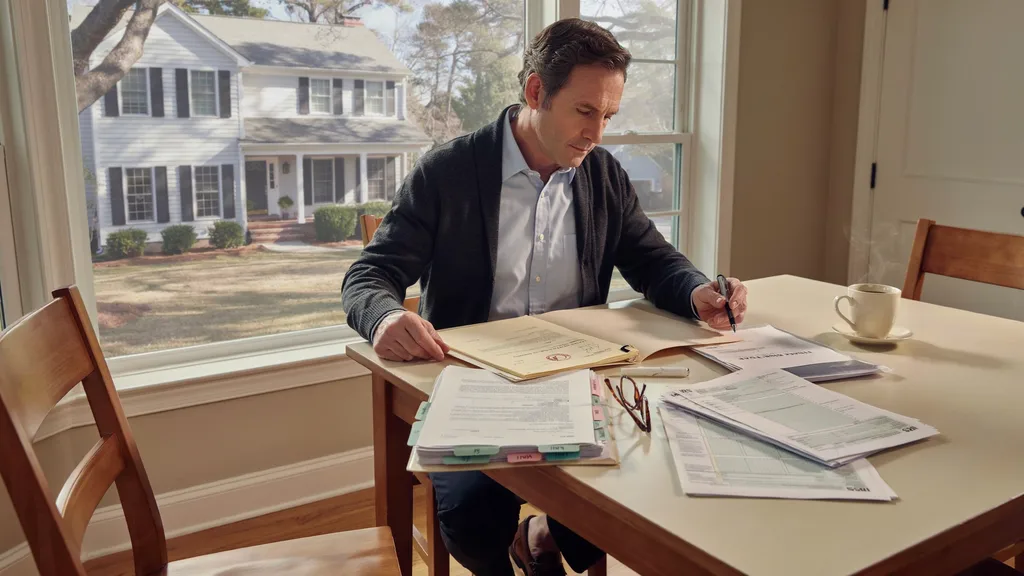
If you and your partner are not married, the law does not automatically protect either of you.
Many couples learn this only after a crisis forces the question.
This guide covers the documents you need, including wills, trusts, power of attorney, and tax planning, along with the mistakes that catch unmarried couples off guard.
By the end of this article, you will know which documents to sign and why each one matters.
Thousands of couples face this same legal gap every year, and it can be fixed with the right paperwork in place.
Why Estate Planning Matters for Unmarried Couples

Marriage grants automatic legal rights that unmarried partners must set up on their own. Marriage brings automatic protections. Without it, you have to build those protections yourself.
When a married person dies, a spouse usually inherits property and can make medical decisions without extra paperwork.
Many states also grant a surviving spouse an elective share, which guarantees a fixed portion of the estate no matter what the will states. Unmarried partners get none of this by default.
Without the right documents, a court follows intestate succession, and a partner of ten years could receive nothing while a distant relative inherits the estate.
State laws differ, and courts rarely make exceptions for long relationships that were never legally recognized. Signing the right paperwork now puts the decision back in your hands.
Key Documents Every Unmarried Couple Needs
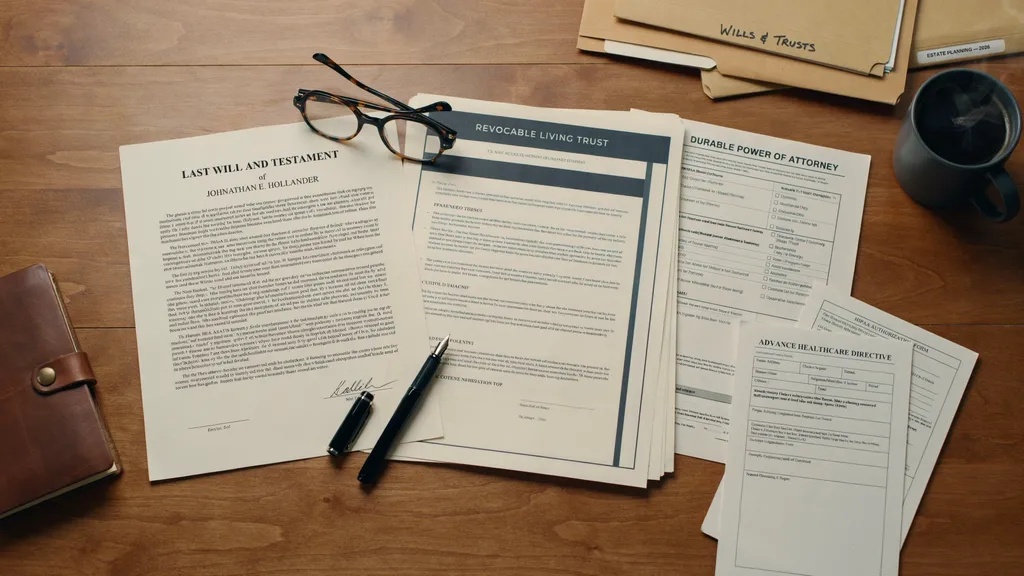
These documents give your partner real legal standing.
Last Will and Testament
A will names your partner as a beneficiary in clear legal language.
Without one, state law decides who receives your property, and partners are usually left off that list entirely.
Signing a will closes this gap quickly. It also lets you name an executor you trust, someone who will carry out your wishes instead of a court-appointed stranger.
Revocable Living Trust
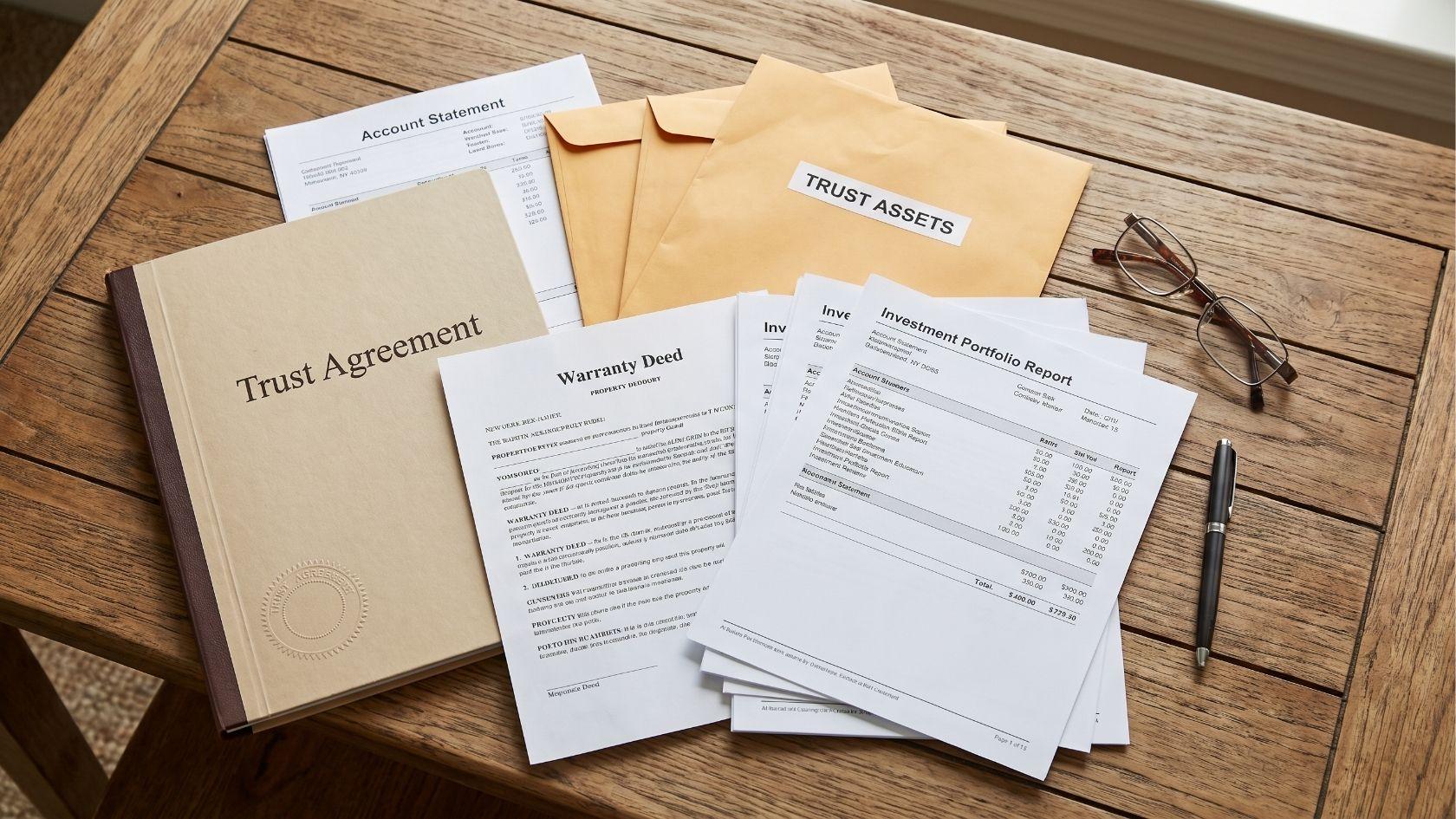
A trust holds property and passes it to your partner without probate court.
This means faster access to funds, more privacy, and an easier path to update the plan as your life changes.
Many couples pair a trust with a will for added protection. For example, a trust can hold a shared home so your partner keeps living there without waiting months for probate to clear.
Durable Financial Power of Attorney
This lets your partner manage your money and pay bills if you become unable to do so. Without it, a court may appoint someone else through guardianship, even a relative you are not close to.
That process can delay rent, mortgage, or medical payments at the worst possible time.
Choosing your partner for this role now means one less fight during an already stressful situation.
Advance Healthcare Directive and Medical Power of Attorney
This gives your partner the legal right to make medical decisions if you cannot speak for yourself.
Hospitals often recognize only spouses or blood relatives without this paperwork. Signing it keeps your partner involved during a stressful moment.
HIPAA Authorization
This lets your partner receive updates about your health and view your medical records.
The HIPAA Privacy Rule allows hospitals to withhold this information without your written consent.
This form is short, but it is one couples often forget to sign. Pair it with your healthcare directive so your partner has both the right to speak for you and the right to know what's happening.
How to Protect Your Partner Financially

Small updates to your accounts can prevent major delays later.
Naming Your Partner as a Beneficiary
Check every account you own and add your partner as a named beneficiary where the option exists.
Beneficiary forms usually override what a will states, so this step carries real weight. Banks, brokerages, and insurance companies all have their own forms
So you may need to update several accounts separately rather than assuming one document covers everything.
Updating Retirement Accounts and Life Insurance
Old beneficiary forms often list an ex-partner or a parent from years earlier. Review these accounts yearly so your partner is properly listed.
Under the SECURE Act, a partner who inherits a retirement account like an IRA must withdraw the full balance within ten years, and taxes will apply.
Planning for this rule ahead of time helps your partner avoid a surprise tax bill and gives you a chance to weigh other options, like life insurance, to soften the impact.
Using Payable-on-Death and Transfer-on-Death Designations
Many bank and investment accounts allow a payable-on-death designation. This lets your partner access funds directly, without probate involved.
Adding this designation is usually free and takes only a few minutes at your bank.
It's one of the fastest ways to make sure your partner isn't locked out of cash while other paperwork works its way through the courts.
Joint Ownership of Property

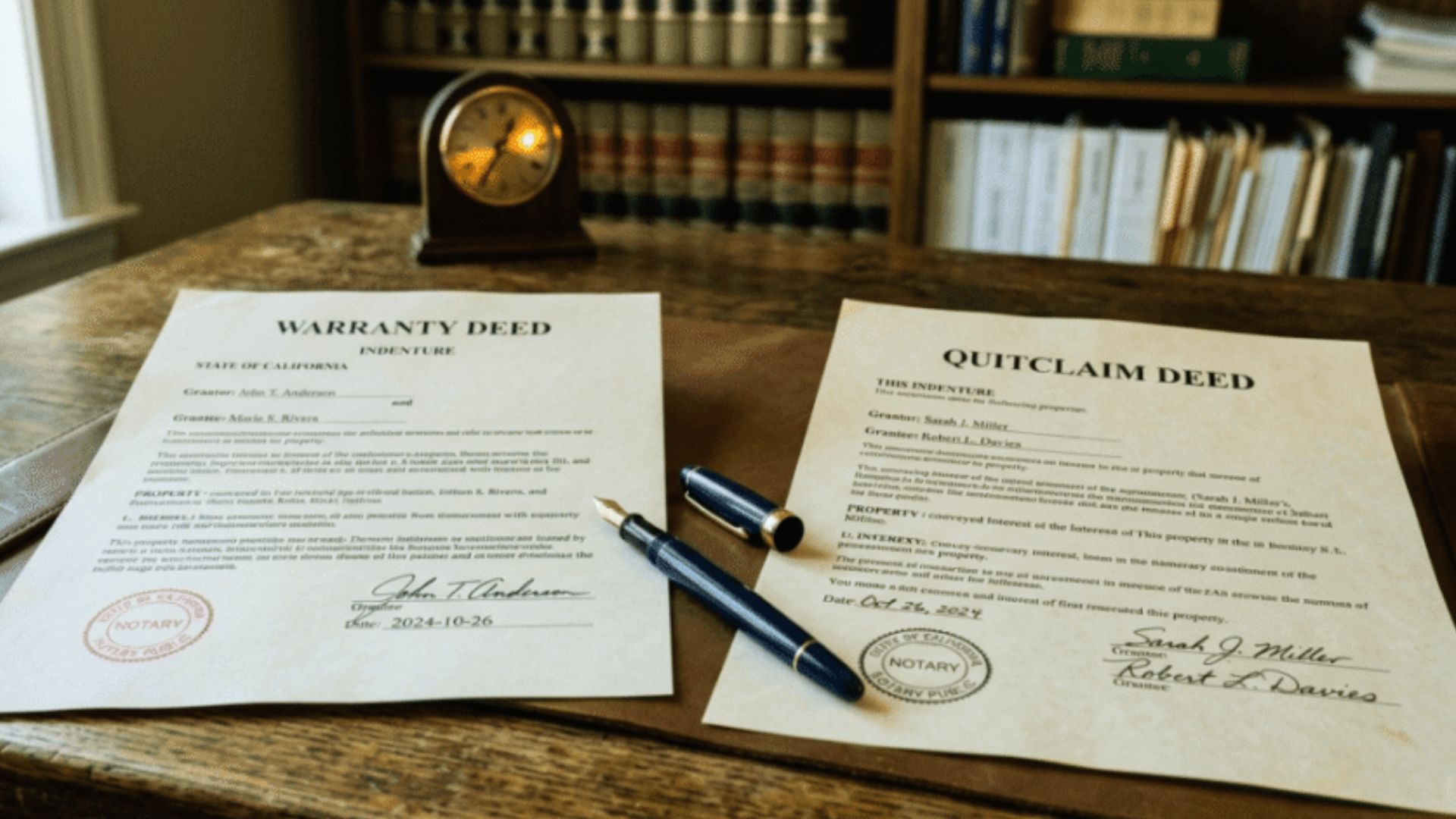
How you hold title decides what happens to shared property.
| Ownership Type | What Happens at Death | Best For |
| Joint Tenancy With Right of Survivorship | Property passes directly to the surviving partner with no court process | Couples who want an automatic, simple transfer |
| Tenancy in Common | Each partner's share passes according to their will, not automatically to the other partner | Couples who want separate shares or have other heirs |
Property that passes to a spouse usually gets a step-up in cost basis, which lowers capital gains tax if it is sold later.
Unmarried partners do not always receive the same benefit, so talk with a lawyer before signing any deed.
Estate Taxes and Financial Considerations

Unmarried couples do not receive the same tax breaks that married couples get.
Federal Estate and Gift Tax Basics
Married couples can pass unlimited assets to each other tax free.
Unmarried partners do not receive this benefit, so larger estates may face tax bills a married couple would avoid entirely.
State Estate and Inheritance Taxes
Some states charge inheritance tax on property left to someone who is not a spouse or close relative.
Rates and rules vary widely, so check your state's specific laws before assuming your partner is covered.
Using Life Insurance to Reduce Financial Burden
A life insurance policy can give your partner cash to cover taxes, debts, or daily expenses without needing to sell shared property quickly.
A policy sized to cover expected costs gives your partner breathing room during a hard time.
Planning for Shared Assets and Debts

Money and property you share need a clear paper trail.
Listing and Titling Shared Assets
List everything you own together, including homes, bank accounts, and investments, and decide how each item should pass if one partner dies.
Put this in writing, not just in conversation, and keep it updated as your finances change. Note which accounts are joint and which belong to only one partner, since that distinction determines whether the asset passes automatically or needs to go through your will.
Keeping Records Current to Avoid Transfer Issues
Deeds, account statements, and titles should reflect reality. If only one partner is listed on paper, the other has no legal claim, no matter how long you have shared the asset.
Mismatched names, outdated titles, and missing paperwork are the top reasons transfers get delayed or denied.
A yearly review of every deed and account catches these problems before they become costly.
Estate Planning for Couples With Children

Children add urgency and extra steps to your plan.
Naming Guardians for Minor Children
If something happens to both parents, a court decides who raises your children unless you have named a guardian in writing.
Without it, a judge who does not know your family makes this decision instead of you. Naming both a primary and a backup guardian in your will gives the court clear direction and reduces the chance of a dispute among relatives.
Creating Trusts to Protect Children's Inheritance
A trust can hold money for your children until they reach an age you choose, instead of handing over a large sum at eighteen.
A trustee you choose manages the funds on their behalf, covering expenses like education or housing along the way.
This structure keeps the inheritance protected from mismanagement and gives your children financial support on a timeline you set.
Planning for Blended Families
If either partner has children from a previous relationship, a clear plan prevents disputes over who inherits what.
Spelling out your wishes in writing reduces conflict for everyone involved. Without a clear plan, a partner and children from an earlier relationship can end up competing for the same assets, which often leads to lasting family strain.
A written plan sets expectations before that conflict has a chance to start.
Domestic Partnerships and Common Law Marriage

Some states offer partial legal protection outside of marriage.
Domestic Partnership Registration
Some states let couples register as domestic partners, which grants some of the rights of marriage, though usually not full federal benefits.
A cohabitation agreement can spell out who owns what and what happens if you separate. Registration requirements and the rights they unlock vary by state, so confirm what your state actually grants before relying on this status alone.
Common Law Marriage States
A small number of states recognize common law marriage if a couple lives together and presents themselves as married for a set period.
Rules vary widely, and proving this status can be difficult without supporting evidence. Even in states that recognize it, courts typically require proof such as shared finances, shared last names, or public statements that you are married, which is not something every couple can easily document.
How These Statuses Affect Your Plan
Even where these options exist, they rarely replace the need for a will, trust, and power of attorney.
Treat them as backup protection, not a full plan. Relying only on domestic partnership status or common law recognition leaves gaps that formal documents close completely, and those statuses can also be challenged in court in ways a signed will and trust cannot.
Tips for Estate Planning Success
- Start planning before an emergency forces the issue, since documents take time to prepare properly
- Review your entire estate plan every year or after any major life change
- Keep beneficiary designations current on every account and policy you own
- Work with an estate planning attorney who understands your state's laws
- Store copies of every document somewhere your partner can access them quickly
Common Estate Planning Mistakes to Avoid
- Assuming your partner automatically inherits your property without any documents in place
- Forgetting to update beneficiary forms after a breakup, marriage, or new account
- Relying only on a will when a trust or beneficiary form would work faster
- Overlooking state-specific estate laws that differ from where you last lived
- Failing to plan for incapacity, which leaves medical and financial decisions to a court
Conclusion
Estate planning protects the person you love most, even without a marriage certificate.
A signed will, a healthcare directive, and a few updated beneficiary forms can save your partner from court delays during an already hard time.
None of these documents take long to set up, but they carry real weight when it matters most. Start with one document this week.
Talk to an estate planning attorney, get your will drafted, and build the rest of your plan from there.
Frequently Asked Questions
Do unmarried couples have automatic inheritance rights?
No, unmarried partners have no automatic inheritance rights in most states. Property usually passes to blood relatives instead.
Can my partner make medical decisions for me without paperwork?
Not usually, since hospitals often recognize only spouses or close relatives. A medical power of attorney gives your partner that legal right.
Is a will enough to protect my partner?
A will helps, but it does not cover medical decisions or account access during your lifetime. Pair it with power of attorney documents.
Does domestic partnership give the same rights as marriage?
Domestic partnership offers some legal protections in certain states. It usually falls short of full marriage rights at the federal level.
How often should we update our estate plan?
Review your plan once a year or after any major change, such as a new home, a new child, or a move to another state.