Estate planning mistakes are errors in wills, trusts, or beneficiary designations that can cause legal disputes, tax problems, or probate delays after death.
They can cost your family more than money. They can lead to court battles, months of delays, and relationships that never recover.
After reviewing hundreds of estate planning cases and legal guides, I noticed the same mistakes appearing again and again. And I want to make sure they do not happen to you.
In this post, I cover 15 of the most common estate planning mistakes people make, why each one matters, and what you can do to fix them.
By the end, you will know exactly what to check in your own plan and what steps to take next.
What Is Estate Planning and Why Mistakes Happen

Estate planning is the process of deciding what happens to your money, property, and belongings after you die.
It also covers what happens if you become seriously ill or unable to make decisions on your own.
A solid plan usually includes a will, a power of attorney, a healthcare directive, and named beneficiaries.
It is not only for wealthy people. If you own anything or care about anyone, you need a plan.
Most estate planning mistakes happen simply because people put it off, use outdated documents, or skip key steps without realizing the consequences.
Why Estate Planning Mistakes Can Cost Families Thousands of Dollars
When there is no clear plan, your estate may go through probate. That is a court process that can take months, sometimes longer.
It is public, expensive, and stressful for everyone involved.
Many probate disputes start with surprisingly small mistakes. Families end up spending thousands in legal fees over a missing signature.
Others lost assets they expected to receive because of outdated documents. One small error can undo years of careful saving.
Getting this right is one of the most important things you can do for your family.
15 Common Estate Planning Mistakes to Avoid
Here are the estate planning mistakes I see most often, and what you can do about each one.
1. Waiting Too Long to Start Estate Planning
Most people assume they have plenty of time. But life does not wait. If you die without any plan in place, the state decides how your assets are divided. That rarely matches what you actually wanted.
Start with a simple will. You can always add to it later.
2. Not Having a Will

A will is the most basic document in any estate plan. Without one, state laws take over. Your assets may go to people you never intended. Your family could also face long delays just to access what is rightfully theirs.
This is one of the most avoidable estate planning mistakes, yet it is also one of the most common.
3. Forgetting to Update Your Estate Plan

A plan made ten years ago may not reflect your life today. Marriage, divorce, new children, and major purchases all change what your plan should say.
I recommend reviewing your plan every two to three years. Always review it after a major life change.
4. Not Naming Backup Beneficiaries
What if your primary beneficiary dies before you? If there is no backup named, that asset could go straight to probate.
Always name a contingent beneficiary for every account and insurance policy.
5. Choosing the Wrong Executor

Your executor manages your entire estate after you die. Picking someone who is disorganized, unavailable, or in conflict with other family members can cause months of delay.
Choose someone trustworthy, practical, and willing to take on the responsibility.
6. Ignoring Estate Taxes

Depending on where you live and the size of your estate, taxes can take a significant portion of what you leave behind. Many people never think about this until it is too late.
Talk to an attorney about legal strategies to reduce your estate tax burden.
7. Failing to Plan for Incapacity

Estate planning mistakes are not only about what happens after death. What happens if you are in a serious accident and cannot make decisions? A durable power of attorney and a healthcare directive protect you while you are still alive.
Without these documents, your family may have to go to court just to make decisions on your behalf.
8. Not Creating a Trust When Needed
A trust can help you avoid probate, protect your privacy, and give you more control over how and when assets are distributed. Not everyone needs one.
But if you have minor children, a large estate, or complex assets, it is worth discussing with an attorney.
9. Keeping Assets Outside the Estate Plan
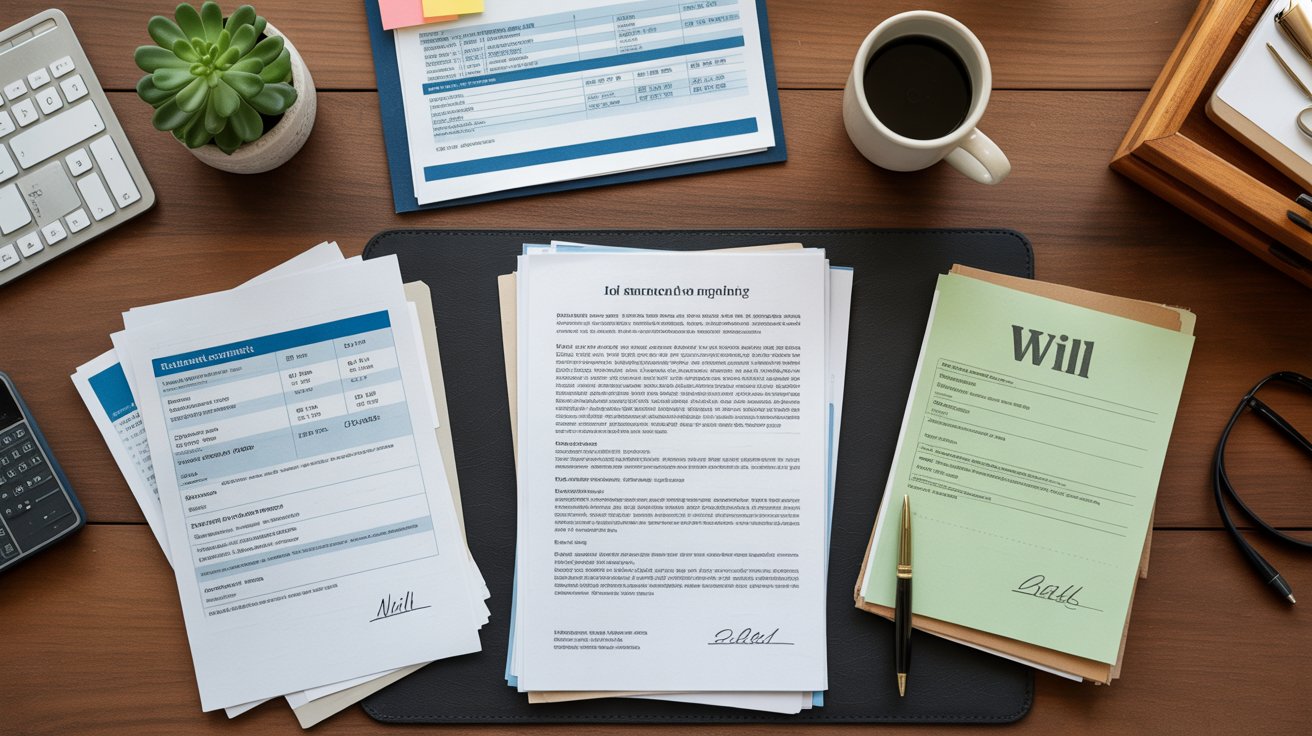
Some people write a will but forget about their retirement accounts and life insurance. Those assets pass by beneficiary designation, not through a will.
Make sure every asset is tied into your plan in some way.
10. Not Communicating Your Plan to Family

Surprises after death often cause conflict. If your family does not know your wishes or where your documents are, they may argue or make the wrong decisions.
You do not have to share every detail. But letting people know the basics goes a long way.
11. Forgetting Digital Assets

Email accounts, online banking, social media, and even crypto are all assets now. Most people forget to include them in their estate plans.
Create a list of digital accounts and access instructions. Store it somewhere a trusted person can find it.
12. DIY Estate Planning Without Legal Advice

Online templates are tempting. But a single error in wording can make a document legally invalid.
I always suggest working with a licensed estate planning attorney at least once, even if you update things yourself later.
13. Not Planning for Minor Children
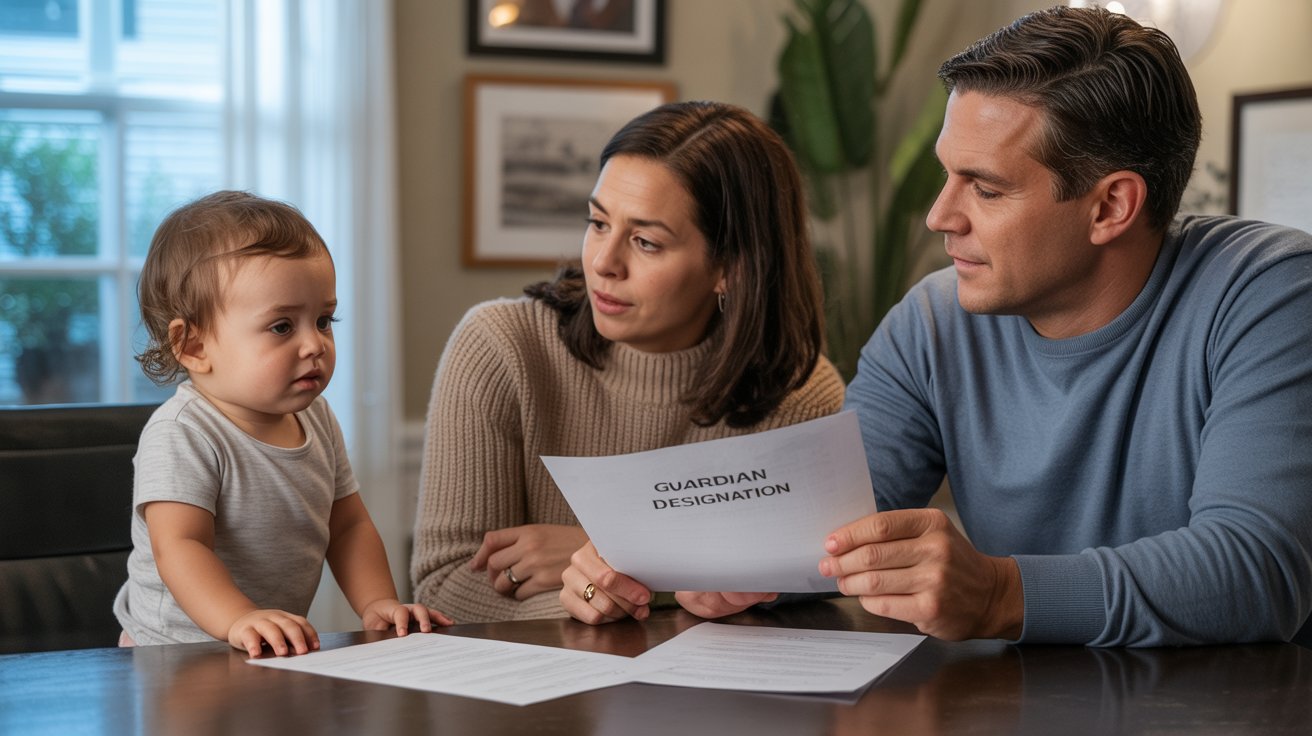
If you have children under 18, your plan must name a guardian. Without that, a court decides who raises them.
You should also consider a trust so money is managed properly until your children are adults.
14. Poor Asset Titling
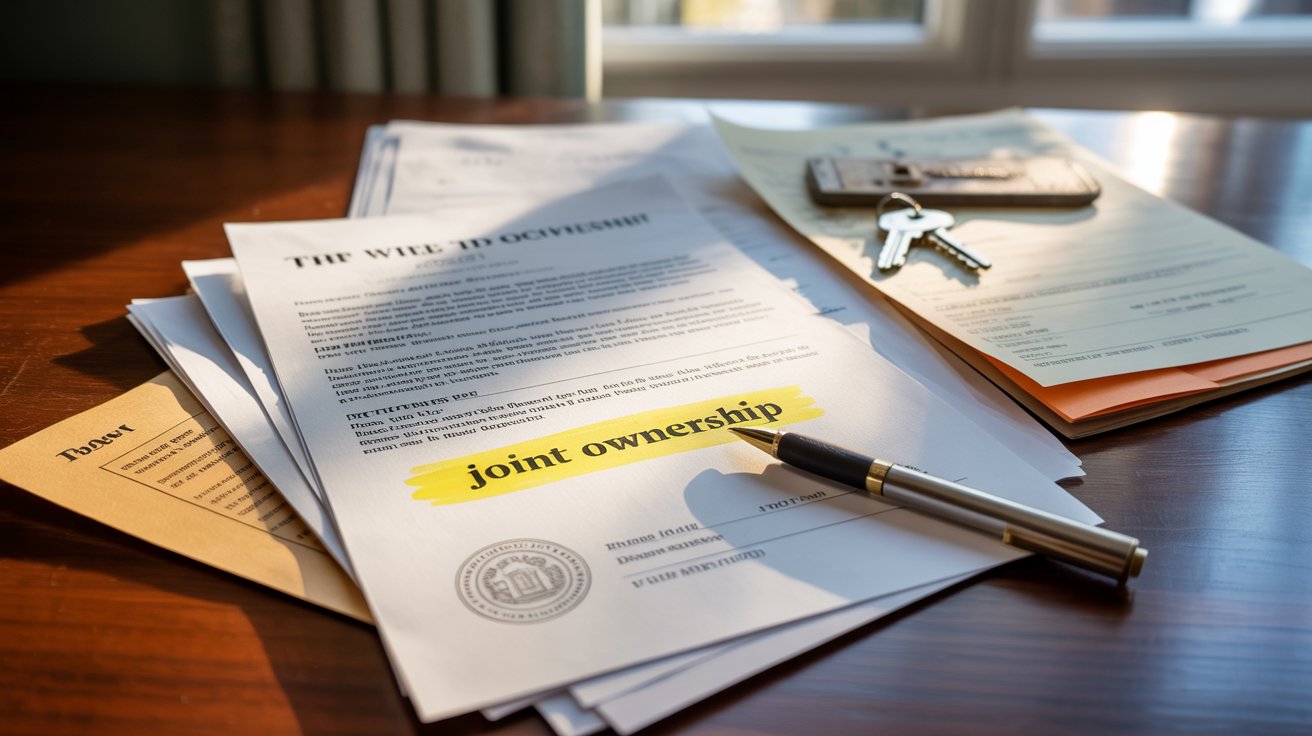
How an asset is titled affects how it transfers at death. A jointly titled account goes to the surviving owner regardless of what your will says.
Review each asset and make sure the titling matches your actual wishes.
15. Not Reviewing Beneficiary Designations

Beneficiary designations override your will. If your ex-spouse is still listed on your life insurance policy, they may receive the payout.
Check all designations at least once a year and after every major life event.
Signs Your Estate Plan May Need an Update
If any of the situations below apply to you, it is time to sit down and review your plan before estate planning mistakes catch up with you.
- You got married or divorced
- You had a child or grandchild
- You moved to a new state
- You received a large inheritance
- You started or sold a business
- A named beneficiary or executor has passed away
Do not wait for something to go wrong before you take a second look at your plan.
How to Avoid Common Estate Planning Mistakes
Start with the basics: a will, a power of attorney, and a healthcare directive. Work with a licensed attorney to make sure everything is done correctly.
Keep all documents in a safe place and make sure at least one trusted person knows where they are.
Review your plan every few years. Update beneficiary designations annually. Talk openly with your family about your wishes.
Avoiding common estate planning mistakes does not need to be complicated. The goal is simply to protect the people you love.
Conclusion
Avoiding estate planning mistakes is one of the most important steps you can take to protect your family and assets.
I hope this post gave you a clear look at what to watch out for and where to begin. You do not need to do everything at once.
Start with a basic will and power of attorney. Then build from there.
The biggest mistake of all is doing nothing. Even a simple plan is far better than no plan.
Your family deserves to be protected, not left guessing or dealing with problems you could have prevented. Take one step this week. You will feel much better once it is done.
What is one estate planning mistake you have been putting off that you can fix this week?
Frequently Asked Questions
What are the most common estate planning mistakes?
The most common ones include not having a will, failing to update beneficiary designations, and ignoring incapacity planning. These small oversights can lead to serious problems for your family down the road.
How often should I update my estate plan to avoid mistakes?
You should review your plan every two to three years or after any major life change. Getting married, divorced, or having a new child are all good triggers for a full review.
Do I need a trust, or is a will enough for estate planning?
A will works well for most people, but a trust can offer added benefits like avoiding probate and protecting your privacy. Talk with an estate planning attorney to figure out which option fits your situation best.
Can estate planning mistakes be fixed after they happen?
Some mistakes can be corrected while you are still alive, such as updating a beneficiary or retitling an asset. Others, like a missing will, can only be prevented before death, which is why early planning matters.
What happens if I die without an estate plan?
Your state’s intestacy laws take over and decide how your assets are divided. This process can be slow, expensive, and may not reflect what you would have wanted for your family.