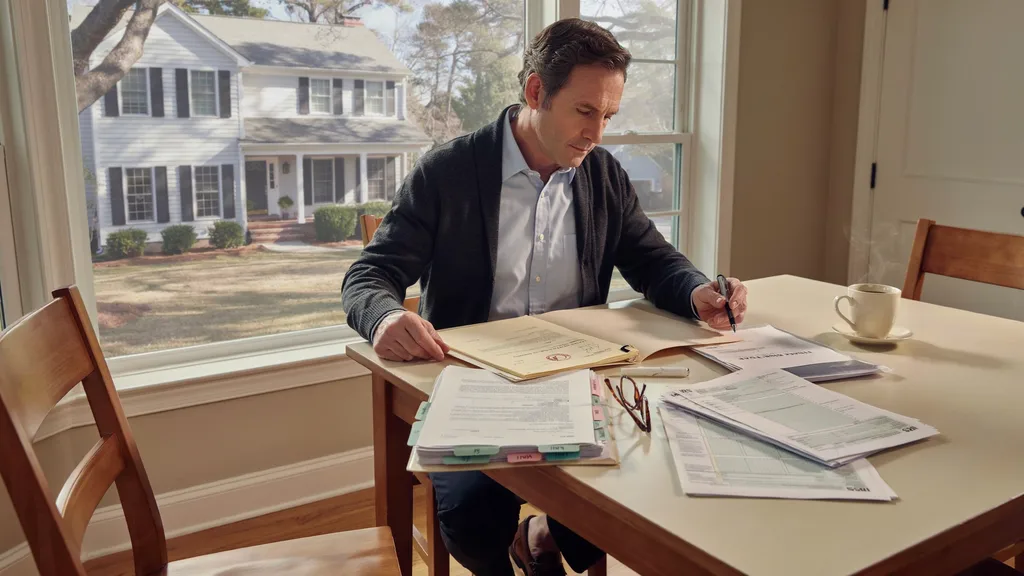
An estate inventory needs enough detail for each asset to be clearly identified, valued, and reviewed during probate.
That means naming the item, noting who owns it, and recording its fair market value, not just grouping everything under a vague label like "furniture" or "accounts."
A complete inventory helps the personal representative manage the estate, reduces disputes among beneficiaries, and keeps the probate process moving without delay.
This guide covers what belongs on the list, how to value and organize each asset, common mistakes that slow probate down, and when a professional appraisal is worth the cost.
By the end, you'll know how to build an inventory that's accurate, organized, and ready to hand to the probate court.
What Is an Estate Inventory?
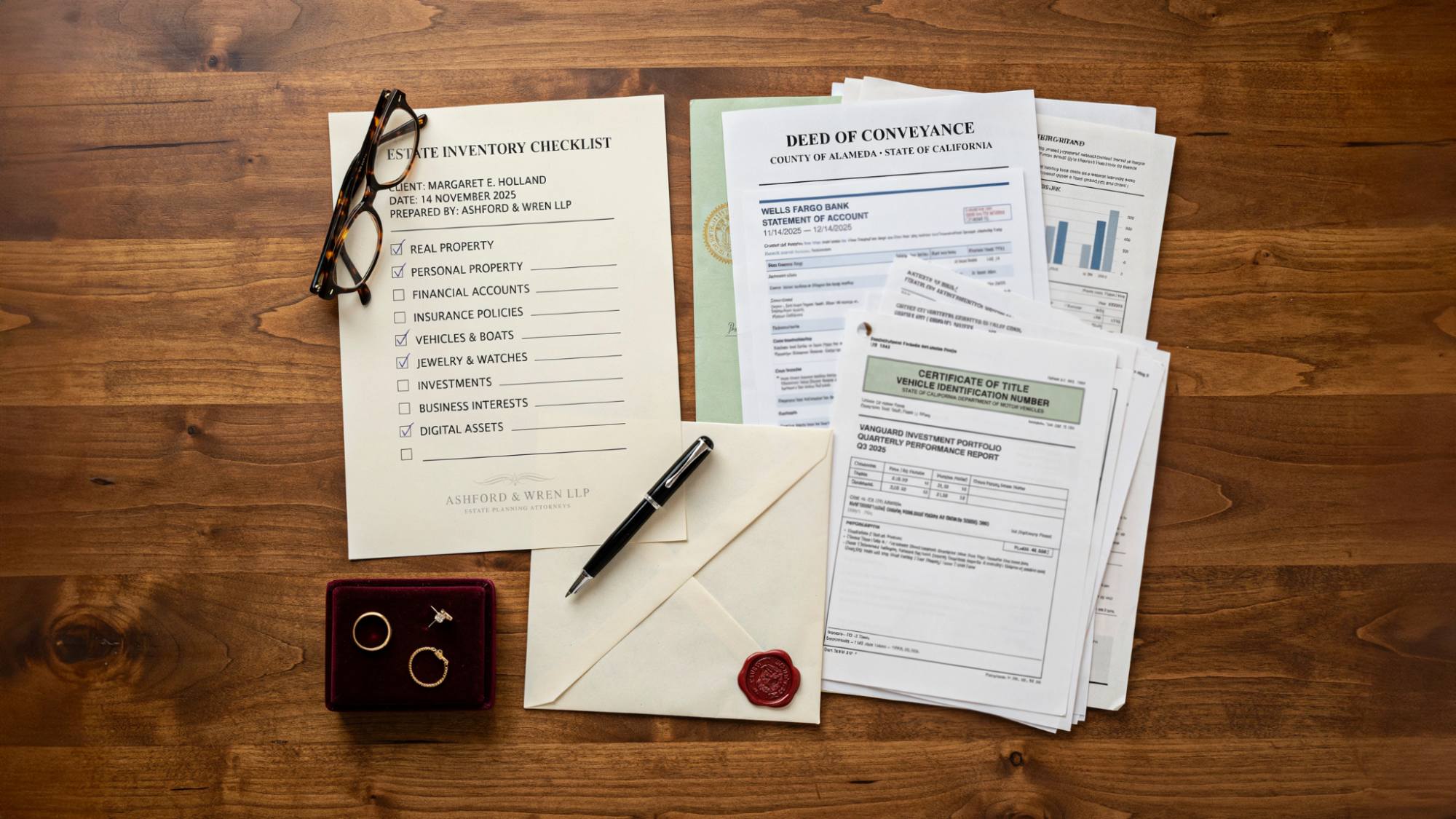
An estate inventory is a written record of a person's assets and debts after they pass away.
It covers real estate, bank accounts, investments, personal belongings, vehicles, business interests, digital assets, and liabilities.
The personal representative, also called the executor, prepares this list and may need to file it with the probate court, depending on state law.
How Detailed Does an Estate Inventory Need to Be?

It needs enough detail that anyone reading it understands what each asset is and what it is worth.
The General Standard
Most states expect a reasonably thorough list, not a summary. Name each asset clearly and include enough detail that a stranger could understand what it is.
Vague entries like "furniture" or "accounts" are not enough on their own.
Some states allow a simplified filing, sometimes called a small estate affidavit, when the estate falls under a certain value threshold.
Check your state's probate court for the current threshold before assuming this shortcut applies.
Information to Include for Each Asset
For each item, note a clear description, its location, who owns it, and its estimated value. Use the fair market value as of the date of death.
Bank accounts need account numbers listed alongside the balance, and property needs a full address.
Ownership type matters too. Note whether an asset is held solely, in joint tenancy with right of survivorship, as tenants in common, as community property, or with a named beneficiary.
This detail determines whether the asset goes through probate at all.
When Professional Appraisals May Be Needed
Some assets are difficult to value accurately without professional help.
Real estate, antiques, artwork, jewelry, and collectibles often require an appraisal based on fair market value as of the date of death.
Professional valuations support accurate probate records, reduce disputes, and provide reliable documentation if questions arise later.
What Should Be Included in an Estate Inventory?

| Asset Type | Information to Include |
| Real Estate | Address, ownership type, fair market value |
| Bank Accounts | Financial institution, account number, balance |
| Investments | Account details and estimated value |
| Vehicles | Make, model, year, VIN, estimated value |
| Personal Property | Description and estimated value |
| Business Interests | Ownership percentage and estimated value |
| Debts | Creditor name and balance owed |
Every asset the person owned, from real estate down to smaller personal items, needs a spot on the list.
Real Estate and Land
List the address, ownership type, and current market value of any homes, land, or rental property.
Note whether the property is owned outright or still has a mortgage. Include any co-owners named on the title.
Bank Accounts and Investment Accounts
Record checking accounts, savings accounts, CDs, and brokerage accounts. Note the balance at the time of death for each one.
Include account numbers where possible to avoid confusion later.
Retirement Accounts and Insurance Policies
401(k)s, IRAs, and pensions all belong on the list. Life insurance policies should be included too, along with their payout amounts.
Note the named beneficiaries, since these often pass outside of probate.
Personal Property and Household Items
Furniture, electronics, jewelry, and collectibles count too. Group similar items together to keep the list manageable.
Still note anything with real value on its own, like a piece of fine jewelry.
Vehicles, Boats, and Recreational Equipment
Cars, motorcycles, boats, and RVs need their make, model, and year. Include the vehicle identification number, or VIN, along with an estimated value for each item.
Note the title status, since this affects how ownership transfers.
Business Interests and Digital Assets
If the person owned part of a business, note the ownership percentage and estimated worth.
Digital assets like domain names and online stores also need to be listed. Cryptocurrency wallets belong here as well.
Income and Benefits Still Owed
Unpaid wages, commissions, and unused vacation payouts from an employer belong on the list too.
Unexercised stock options should be noted with their terms. These amounts are easy to overlook but still count as estate assets.
Debts and Outstanding Liabilities
Mortgages, credit cards, and personal loans all reduce the estate's value. Unpaid taxes should be listed here too. Note the amount owed and who it is owed to for each debt.
Creditors usually have a set window to file a claim against the estate. Keeping this list accurate helps the process move along without delay.
How to Organize an Estate Inventory

A clear system makes the whole process faster and keeps mistakes to a minimum.
Gather Financial and Legal Documents
Start by pulling together bank statements, deeds, and titles. Insurance papers and account statements should be collected too.
Check for a safety deposit box as well, since it can hold documents or valuables nobody else knew about.
Categorize Assets Clearly
Break the list into sections like real estate, accounts, and personal property. Debts should get their own section as well.
This makes the document easier to read and review later.
Record Fair Market Values
Use current market value, not what the person originally paid. This applies to property, vehicles, and valuable personal items alike.
It gives an accurate picture of the estate's actual worth today.
Keep Supporting Documents Together
Attach or reference the paperwork for each asset. This includes deeds, statements, and appraisal reports.
It backs up your numbers if anyone questions the inventory later.
Do Estate Inventory Requirements Vary by State?
Yes. Probate laws, filing deadlines, and required forms vary by state.
Some courts require an inventory shortly after the personal representative is appointed, while others allow additional time or simplified procedures for smaller estates.
Always check your state's probate court requirements before filing.
What Happens If an Estate Inventory Is Incomplete?

Missing assets can slow down probate and create problems for everyone involved.
Probate Delays
Courts may pause the process until the inventory is corrected. This can add weeks or months to an already slow timeline.
Families often end up waiting longer than they expected.
Beneficiary Disputes
When assets go unlisted, beneficiaries may suspect something was hidden on purpose. This happens even when it was a simple oversight.
Trust can break down quickly once questions start.
Personal Representative Liability
The personal representative can be held personally responsible for errors. This is especially true if debts or assets go unreported.
Courts expect the personal representative to act carefully.
Tax and Reporting Issues
An incomplete inventory can lead to incorrect tax filings. This may trigger penalties or an audit later on.
Getting the numbers right the first time avoids this problem.
Common Mistakes to Avoid
Small oversights during the inventory process can create delays and disputes later.
- Leaving out small or hidden assets, including cash, storage units, or safety deposit boxes
- Grouping valuable items instead of listing them individually
- Using outdated values instead of fair market values
- Forgetting digital assets, cryptocurrency, or online financial accounts
- Missing documents that prove ownership or support asset values
Why Accuracy Matters More Than Speed

Rushing an estate inventory often creates more work later.
Missing assets, incorrect values, or incomplete records can delay probate, increase legal costs, and lead to disputes among beneficiaries.
Taking the time to verify information and organize supporting documents helps keep the process accurate and efficient.
Tips for Creating a Complete Estate Inventory
A few simple habits can make the inventory process much easier.
- Start gathering records as early as possible.
- Keep assets and debts organized in one checklist or spreadsheet.
- Obtain professional appraisals for valuable or difficult-to-price assets.
- Keep copies of deeds, account statements, and appraisal reports.
- Update the inventory if additional assets are discovered.
Conclusion
Building an estate inventory takes time, but a complete and accurate record reduces delays, prevents disputes, and keeps the probate process moving smoothly.
Work through one category at a time, keep supporting documents organized as you go, and bring in professional appraisal or legal help if the estate is large or the assets are hard to value.
A careful inventory protects everyone involved and makes the whole process more efficient from start to finish.
Frequently Asked Questions
How long does it take to complete an estate inventory?
It depends on the size of the estate. A simple one might take a few days, while larger estates can take several weeks.
Do I need a lawyer to create an estate inventory?
Not always. An attorney can help with complex estates or when disputes seem likely between beneficiaries.
What happens if I forget an asset on the inventory?
You can usually update the inventory later. Courts expect corrections when new assets are discovered after the fact.
Who is responsible for creating the estate inventory?
The personal representative named in the will typically handles this task during probate.
Does an estate inventory need to be filed with the court?
In many states, yes, often within 60 to 90 days of appointment. Some states only require filing if the court requests it.