If you’re waiting to hear whether you’ve been named in a will, trust, or policy, I get why you’re checking your mail every day. There’s no single countdown that applies to everyone.
The timeline depends on how the assets were set up. A trust, a will in probate, and an account with a named beneficiary all move on different clocks.
I’ll walk you through what actually starts each clock, how long each path usually takes, why being notified isn’t the same as being paid, and what it means if you still haven’t heard anything.
What Actually Starts the Notification Clock?
How long it takes to notify you depends on which legal process is handling things. It’s not a countdown that starts the moment someone dies.
The date of death decides who the beneficiaries are. It almost never decides when the notification clock actually starts.
I’ve seen this confuse people more than anything else. Two people can die on the same day and their beneficiaries can get notified months apart, just because different processes were handling their assets.
Each path has its own starting point.
For a trust, the clock usually starts when the successor trustee formally takes over. That can happen within days if the paperwork is ready, or weeks later if it isn’t.
For a will, nothing starts until the executor files a petition with the probate court. First they have to find the original will, which can take days or weeks depending on where it was kept.
For accounts with a named beneficiary, like an IRA or life insurance policy, there’s often no automatic process at all. The institution usually starts its clock only after you file a claim with a death certificate.
So if you’re wondering why your wait doesn’t match what you read online, this is usually why. The trigger event, not the date of death, is what’s actually running the clock.
How Long Each Type of Beneficiary Notification Takes

There are three main paths that decide how you get notified: trust administration, probate for a will, and direct beneficiary designations through a financial institution.
Knowing which one applies to you is the fastest way to tell if your wait is normal. Keep in mind these ranges come from general practice and common state rules. Your state might run faster or slower, and that alone doesn’t mean anything’s wrong.
One more thing before the breakdown: notice almost always has to be in writing. Most states require it to go out by first-class mail or hand-delivery, not a phone call or a text. If you’re watching your mailbox, you’re watching the right place.
Trust Distributions
If the assets sit in a trust, the trustee usually has to notify you within 60 days of the death. That 60-day window comes straight from state probate law.
California’s, for example, spells this out in Probate Code 16061.7. Other states set similar deadlines, though the exact number can shift depending on where the trust is administered. More precisely, the clock starts once the trustee has formally stepped into the role.
Trusts move faster than probate because there’s no court filing needed to get started. The trustee can act as soon as they have the death certificate and the trust paperwork in hand.
If you’re past 60 days, that doesn’t automatically mean something’s wrong. Gathering documents eats into that window all the time. But a trustee who’s way past deadline is missing a real legal obligation, not just running a little behind.
Will & Probate Estates
With a will, how soon you hear depends on how fast the executor gets the petition filed and a hearing scheduled.
In California, for example, that hearing typically gets set within about 45 days of filing, and your notice has to go out at least 15 days before it. But that filing depends on the executor actually finding the will and petitioning the court first, and that step alone can take days or weeks.
Once the estate is officially open, many states also require notice at least 15 days before the first probate hearing, California’s rule is typical of this.
This is the path with the most moving parts. Unlike a trust, there’s a whole court process sitting between the death and the moment you get something in writing.
In my experience, delays here almost always trace back to how fast the executor could find and file the will, not to any limits on what an executor can do once the estate is open.
Direct Beneficiary Designations (IRAs, Life Insurance)
Accounts with a named beneficiary skip probate and trust administration completely. These usually move the fastest, often within a few weeks.
But here’s the catch: that speed only kicks in after you make the first move. You have to contact the institution and file a claim with a death certificate. Nobody comes looking for you automatically.
Life insurance is a partial exception here. Many states now require insurers to check Social Security’s death records on a regular schedule, so some companies do confirm a death and reach out on their own. It’s not fast though, insurers can have up to a year after finding a match to actually locate you. But don’t count on it. Filing the claim yourself is still the fastest way to get things moving.
Notification vs. Getting Paid: Why They’re Not the Same Clock
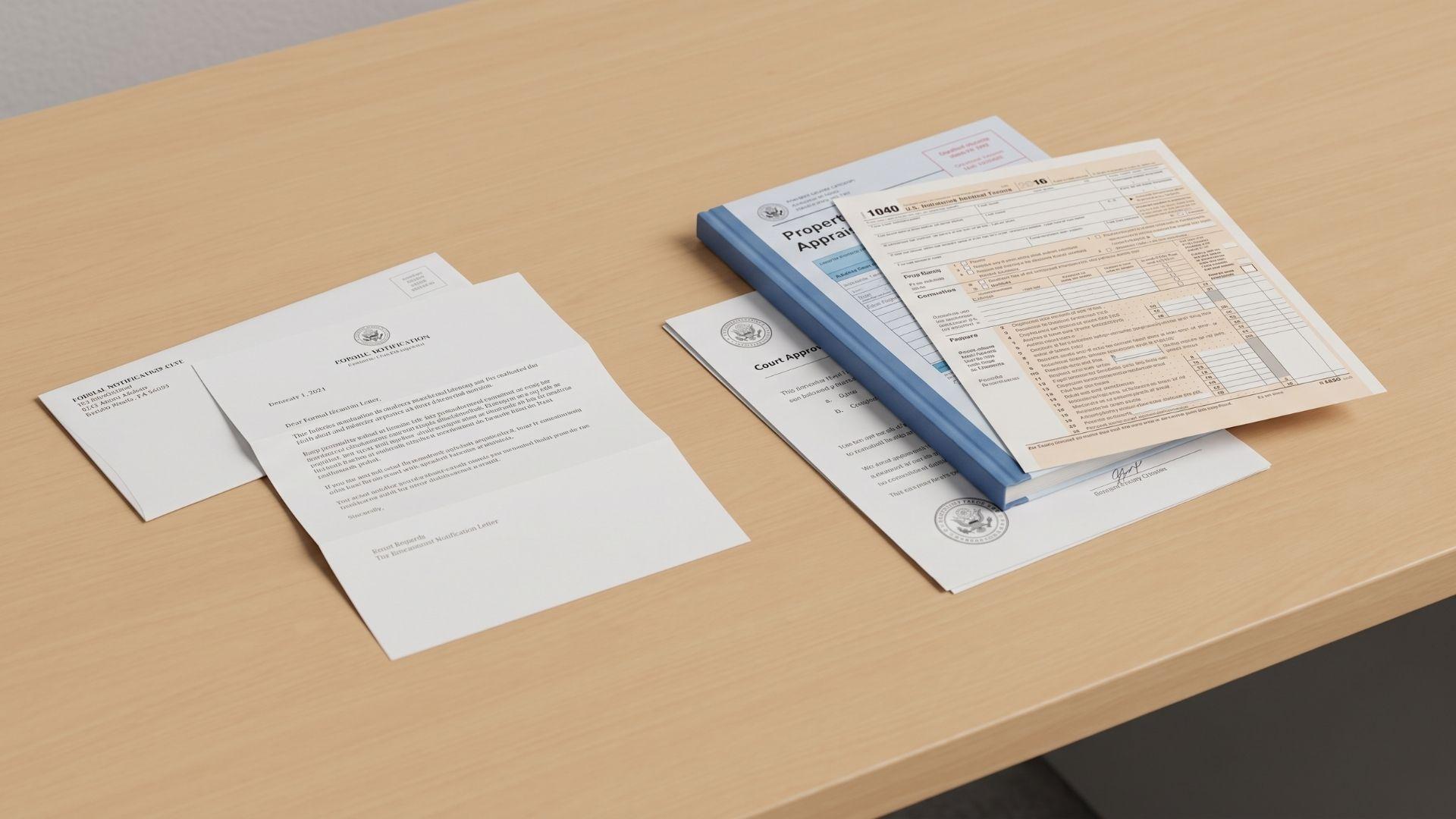
Once you’ve figured out which path applies to you, a new question usually shows up: where’s the money? Notification and payment run on two different clocks entirely, and mixing them up is where most of the confusion comes from.
Notification is just someone confirming your status and telling you what happens next. Getting paid is a whole separate process. The estate or trust has to settle debts and taxes, appraise or sell assets if needed, and in probate, get court approval before anyone sees a dollar.
I think this is the single biggest misunderstanding people have about this whole process.
Someone says online that they “waited a year for their inheritance,” but the notice itself probably showed up in the first two or three months. The rest of that year was the settlement process, which happens after notification, not before it.
Who sends the notice depends on the path.
- A trustee sends it for trust assets.
- An executor, often through a lawyer, sends it for probate assets.
- The institution sends it for direct accounts once you file a claim.
None of these people control how fast the settlement itself moves. That’s why a quick notice can still be followed by a long wait for the actual money.
What Can Delay or Prevent Notification
A missed or late notification doesn’t automatically mean something’s wrong. There are a handful of ordinary reasons this takes longer than the usual ranges.
If you’ve been waiting and wondering whether you’re being overlooked, here’s what’s usually going on behind the scenes:
- Locating every heir or named beneficiary, especially with complicated families or outdated contact info
- Missing or unclear paperwork, like an unsigned will or a trust amendment that needs sorting out
- A death certificate that hasn’t been issued yet, which can stall everything before it even starts
- No will at all, which means the court has to work out the heirs through state intestate succession law before anyone gets notified
That last one changes the whole timeline. Without a will, there’s no list of named beneficiaries to notify from. The court has to establish who the legal heirs even are first, and that usually takes longer than a normal will-based process.
One more thing worth knowing: you generally don’t have a legal right to notice until the estate is formally opened with the court, or the trustee has formally taken over. If neither of those has happened yet, there’s no missed deadline. The process just hasn’t started.
If the estate has formally opened or the trustee has formally taken over, and you’re still well past the usual window, don’t just keep waiting. Reach out to the executor or trustee directly and ask for a status update in writing.
If they don’t respond, a probate litigation attorney can tell you what your state requires and help you enforce it.
Bottom Line
The timeline for getting notified comes down to one thing: which legal process is managing the assets, and when that process actually gets triggered. It’s never just the date of death.
Trust notifications tend to move fastest. Probate notifications take the longest because of the court filing step. Direct designations depend entirely on you making the first move.
If you still haven’t heard anything, figure out which path applies to your situation first. That’s the clearest way to tell whether your wait is normal, or whether it’s time to start asking questions.
Frequently Asked Questions
How long after someone passes away do you receive inheritance?
Receiving inheritance is a separate timeline from being notified. Notification can arrive within weeks to a few months. Actual payout waits for debts, taxes, and legal processes to finish first. Simple estates may settle in months. Estates in full probate can take a year or longer before funds go out.
Who contacts you if you are a beneficiary?
It depends on the asset type. For a trust, the trustee contacts you. For a will in probate, the executor or their attorney contacts you once the estate is opened. For direct designations like IRAs or life insurance, the institution contacts you after you file a claim with a death certificate.
If you are named in a will, how are you notified?
The executor identifies beneficiaries after locating the will and filing it with the probate court. Once the estate is formally open, the executor has to mail written notice to each beneficiary. This usually happens within the first one to three months, often ahead of required hearing notice deadlines.
How long does it take to know if you are a beneficiary?
If a will exists, you’ll typically find out within one to three months of it being filed with probate court. Without a will, state intestate succession law decides the heirs. That process usually takes longer, since the court has to establish heirship before anyone gets notified.