Yes, a house in probate can often be sold, even before the probate process is fully completed, but the sale must follow the legal requirements of the state where the property is located.
In most cases, the executor named in the will or the court-appointed administrator has the authority to sell the home after receiving the necessary legal authorization, and the sale may also require probate court approval before it can close.
If there are multiple heirs, their consent may be required in certain situations, see the full breakdown of who has authority below.
What Is Probate?

Probate is the legal process of settling a person's estate after they pass away.
During probate, the court confirms the validity of the will, appoints an executor or administrator to manage the estate, identifies the deceased person's assets, pays any outstanding debts and taxes, and distributes the remaining property to the rightful heirs or beneficiaries.
If there is no valid will, state intestacy laws determine who inherits the estate. Probate helps ensure property is transferred legally, but it can take time depending on the size of the estate, the types of assets involved, and whether any disputes arise.
When Can a Probate House Be Sold?
A probate house can often be sold before the probate process is fully completed, but the timing depends on when the person handling the estate receives legal authority and if state law requires court approval.
After the Executor Is Appointed
Once the probate court officially appoints the executor or administrator, they generally have the legal authority to begin managing the estate, including preparing the home for sale.
During the Probate Process
Many probate homes are sold while probate is still ongoing. Depending on state law, the executor or administrator may be able to list, negotiate, and sell the property before the estate is fully settled.
Before Probate Closes
A house can often be sold before probate officially ends, provided all required legal approvals have been obtained and the sale complies with state probate laws.
After Probate Is Complete
If the home is not sold during probate, ownership is transferred to the heirs or beneficiaries after the estate is closed. At that point, the new owners can decide whether to keep or sell the property.
Who Has the Legal Authority to Sell a Probate House?

Not everyone can legally sell a house that is in probate. The authority to sell the property depends on the estate planning documents, the probate court, and state law.
Executor Named in the Will
If the deceased left a valid will, the executor named in the will is usually responsible for managing the estate.
Once officially appointed by the probate court, the executor may have the authority to sell the house, subject to any state-specific requirements.
Court-Appointed Administrator
If there is no will or no executor is available, the probate court appoints an administrator to manage the estate.
The administrator performs duties similar to an executor, including selling the property when permitted by law.
Trustee (If the Property Is in a Trust)
If the property is owned by a trust rather than the estate, the trustee manages the property according to the trust agreement.
In many cases, the trustee can sell the home without going through the probate process.
Probate Court Approval (When Required)
Some states require probate court approval before a probate property can be sold.
The court reviews the proposed sale to ensure it complies with applicable laws and protects the interests of the estate and its beneficiaries.
How Much Does Probate Cost Before Selling a House?
The cost of probate varies depending on the state, the size of the estate, and whether the probate process is simple or contested.
Before a probate house can be sold, the estate may need to cover several legal and administrative expenses.
Knowing these costs upfront can help the executor or administrator plan the sale and avoid unexpected delays.
| Probate Expense | What It Covers |
| Probate Filing Fees | Fees paid to the probate court to open the estate. The amount varies by state and county. |
| Attorney Fees | If the estate hires a probate attorney, legal fees may be charged as a flat fee, hourly rate, or a percentage of the estate, depending on state law and the complexity of the case. |
| Court Costs | Additional court-related expenses, such as filing motions, obtaining certified copies of court documents, or required notices to creditors and heirs. |
| Property Appraisal Fees | A professional appraisal may be needed to determine the home's fair market value for probate records, tax purposes, or the sale. |
| Executor Compensation | In many states, the executor is entitled to reasonable compensation for managing the estate. The amount may be set by state law, the will, or approved by the probate court. |
Documents Needed to Sell a Probate House
Having the required documents prepared in advance can help the probate sale move forward more smoothly and avoid unnecessary delays.
- Death Certificate: A certified death certificate is required to verify the property owner's death and begin the probate process.
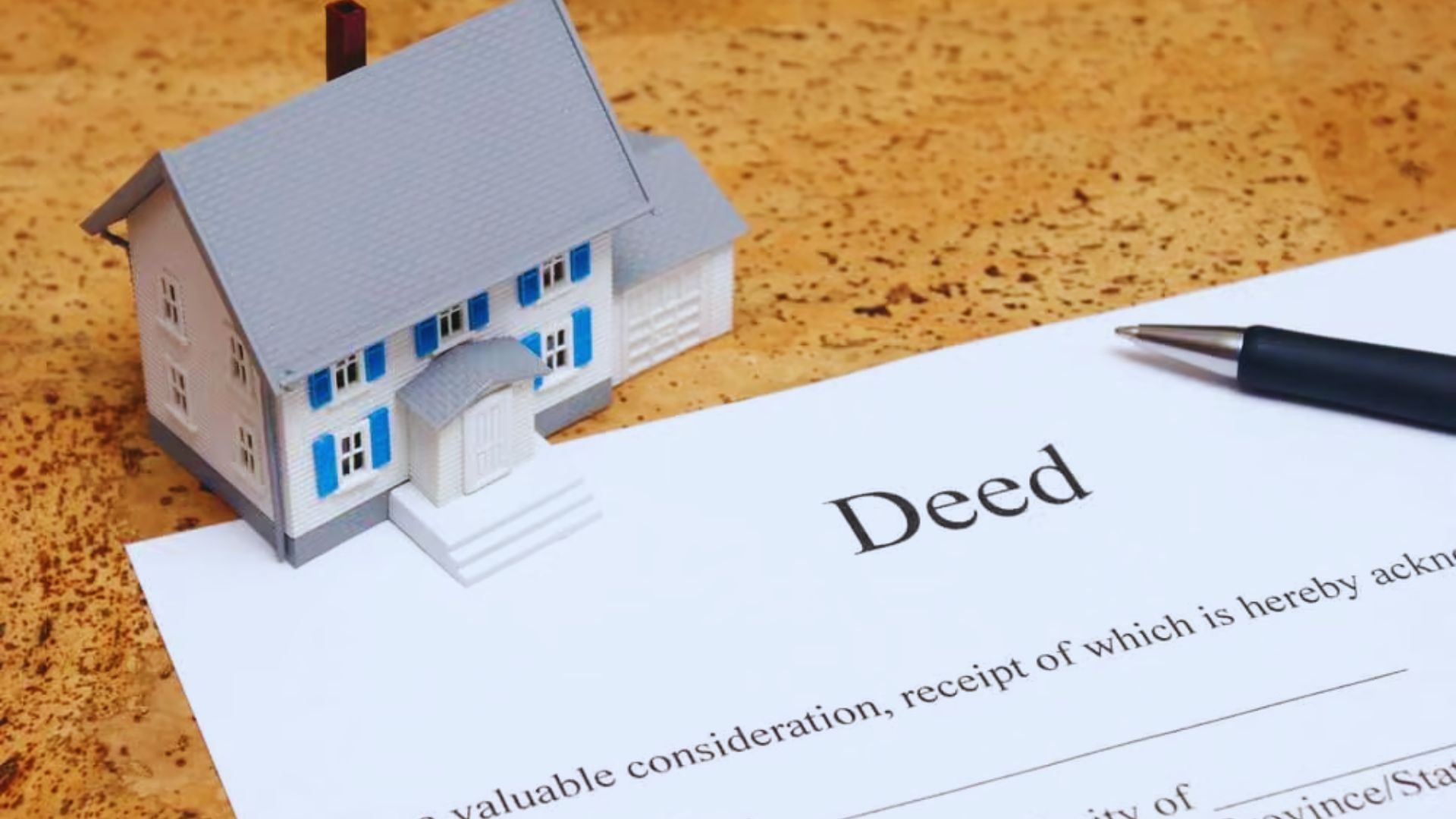
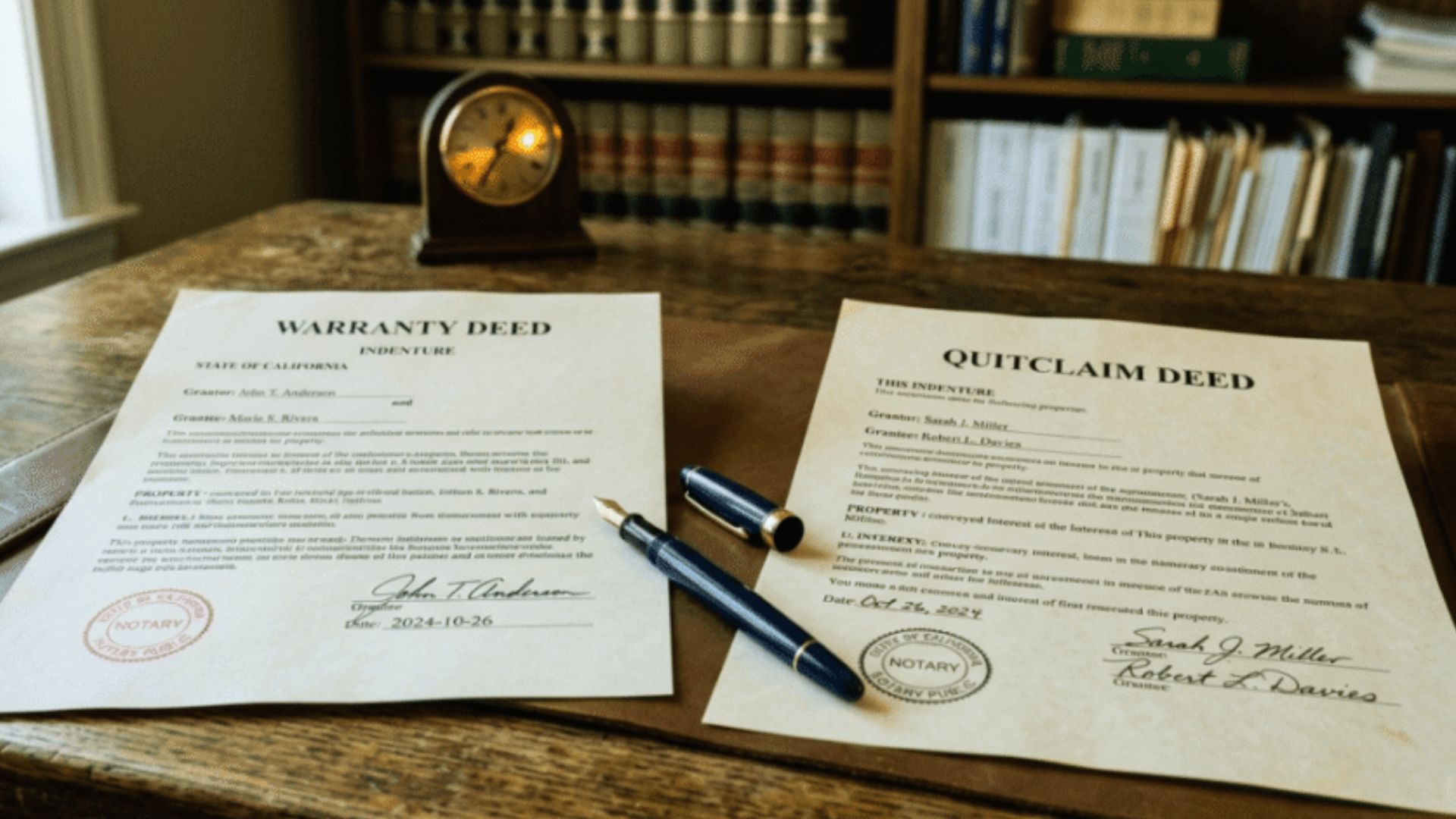
- Property Deed: The deed confirms legal ownership of the home and provides the property's legal description for the sale.
- Will: If the deceased left a valid will, it identifies the executor and explains how the estate should be handled.
- Letters Testamentary or Letters of Administration: These court-issued documents give the executor or administrator the legal authority to sell the probate property.
- Probate Court Orders: Some states require court orders approving the sale before ownership can be transferred to the buyer.
- Purchase Agreement: The signed purchase agreement outlines the terms of the sale and serves as the legal contract between the estate and the buyer.
Conclusion
A house in probate can usually be sold before the process wraps up, but the timing and required approvals depend on who has legal authority and what the state requires.
Confirming that authority and gathering the right documents early prevents delays once a buyer is ready to close.
Frequently Asked Questions
Do all heirs have to agree to sell a probate house?
Not always. Whether heirs must agree depends on state law, the terms of the will, and the executor's legal authority.
How long does it take to sell a probate house?
The timeline varies based on the probate process, court requirements, buyer financing, and the local real estate market.
Can a probate house be sold without court approval?
Sometimes. Some states allow certain probate sales without court approval, while others require the court to approve the transaction before closing.