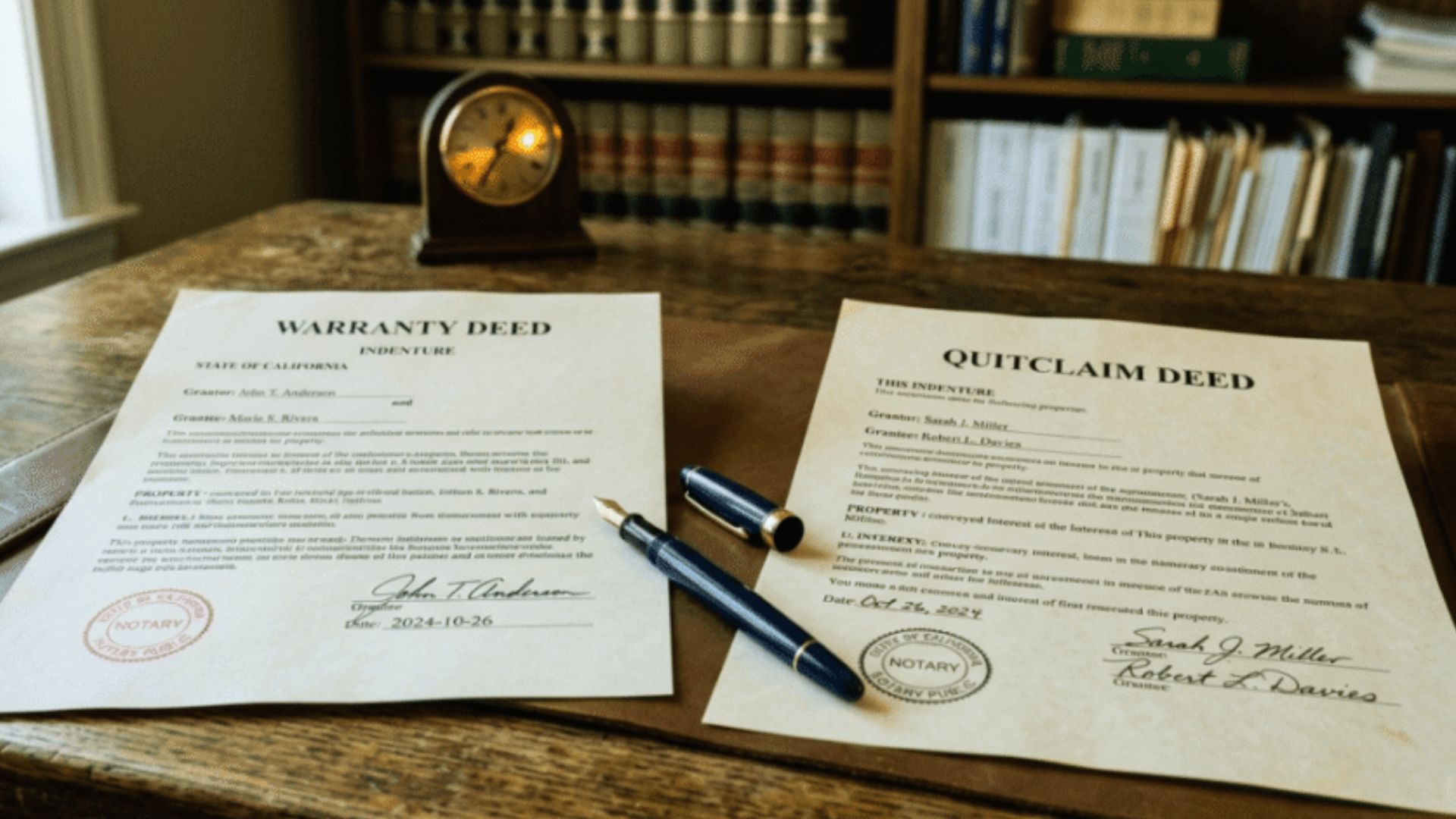


The term infringement of intellectual property rights can seem confusing, especially if you create content, run a business, or use online materials every day. Knowing what counts as infringement can help you avoid legal issues and respect the rights of creators and businesses.
Here, you'll learn what this term means, the different types of intellectual property, common examples of infringement, the legal consequences of violations, and practical steps to avoid costly mistakes.
What Is Infringement of Intellectual Property Rights?

Infringement of intellectual property rights is the unauthorized use of someone else’s protected creative work such as images, music, logos, inventions, or written content without permission from the owner.
It can involve copyright, trademark, or patent violations, depending on the type of work being misused.
This can lead to serious legal consequences, including fines, lawsuits, or removal of the infringing content.
To avoid infringement, it’s important to use licensed materials, seek permission when needed, and respect creators’ rights.
Types of Intellectual Property Rights and Common Infringement
Not all intellectual property is protected in the same way. Different laws cover creative works, brands, inventions, and confidential business information. Understanding these types makes it easier to recognize what counts as infringement and how to avoid legal problems.
1.Copyright Infringement
Copyright infringement happens when someone copies, shares, sells, or uses original creative work without the owner's permission. This can include books, music, movies, software, photographs, artwork, and online content.
Copyright protection gives creators exclusive rights over their original works. However, U.S. Copyright Office Fair Use Information explains that certain limited uses may still qualify as fair use under U.S. law, depending on factors such as the purpose of use, the amount of material used, and its effect on the original work.
For example, uploading a copyrighted movie to a website or using a professional image in your blog without a license may violate copyright law, even if no money is made from it.
2.Trademark Infringement
Trademark infringement occurs when a person or business uses a brand name, logo, slogan, or symbol that is confusingly similar to another company's trademark.
The main concern is whether customers could mistake one product or service for another.
Selling fake branded products or creating a logo that closely resembles a well-known company are common examples of trademark infringement.
3.Patent Infringement
Patent infringement happens when someone makes, uses, sells, or imports a patented invention without the patent owner's permission.
Patents protect new inventions and technical solutions for a limited period.
For example, manufacturing a product that copies a patented design or technology without a license can lead to legal action, financial penalties, and court orders to stop production.
4.Trade Secret Misappropriation
Trade secret misappropriation involves using or sharing confidential business information without permission.
Trade secrets can include formulas, recipes, manufacturing methods, customer lists, pricing strategies, or business plans that give a company a competitive advantage.
A common example is an employee sharing confidential company information with a competitor or using it to start a competing business.
Legal Consequences of Intellectual Property Infringement
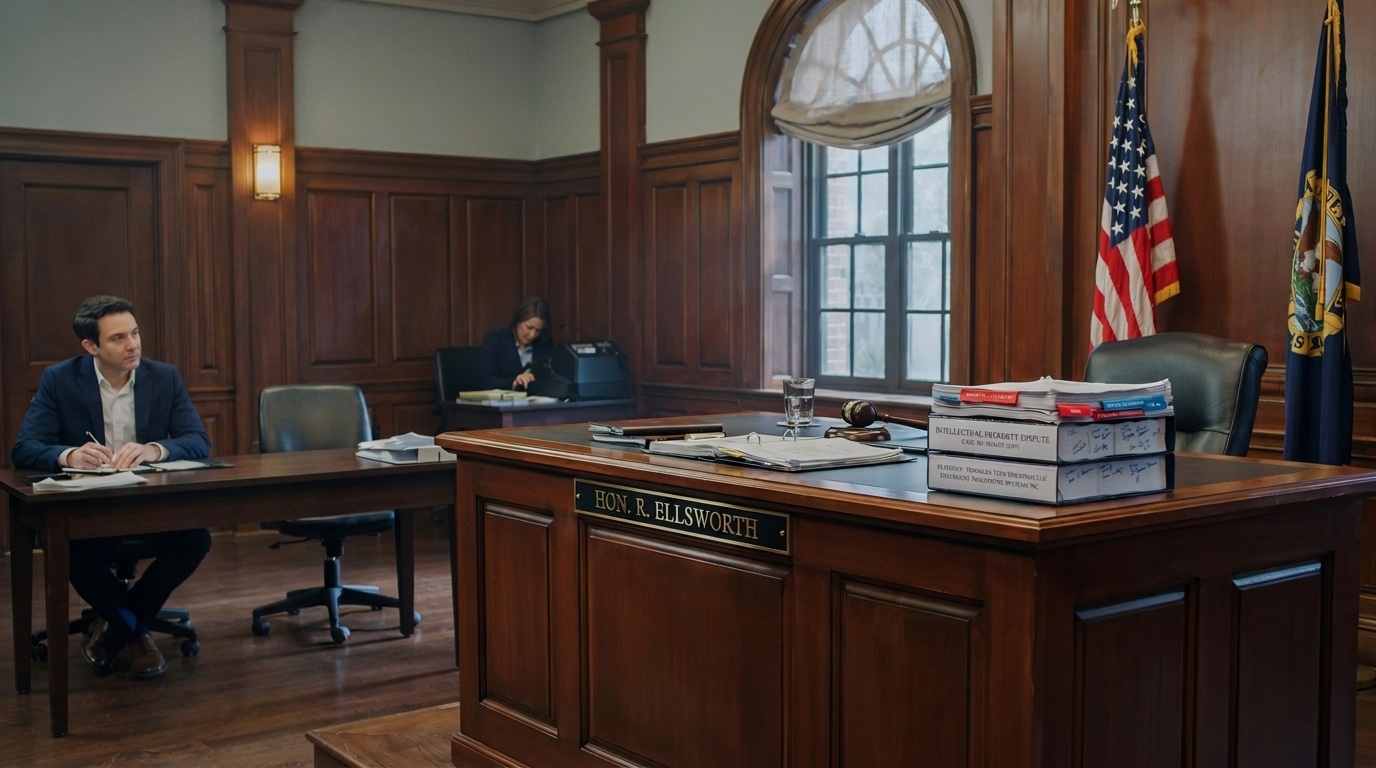
The consequences of intellectual property infringement depend on the type of intellectual property involved and how serious the violation is.
- Civil Penalties: The owner of the intellectual property may file a lawsuit to recover financial damages, lost profits, or legal costs. Courts may also order compensation if the infringement caused harm to the owner's business or reputation.
- Court Orders:A court can issue an injunction requiring the infringer to stop using the protected work immediately. It may also order counterfeit products to be recalled, destroyed, or removed from websites and online marketplaces.
- Criminal Penalties: Serious or intentional infringement, especially involving counterfeit goods or large-scale piracy, may result in criminal charges. Depending on the case, penalties can include substantial fines, seizure of illegal products, and even imprisonment.
Understanding these possible consequences highlights why it is important to respect intellectual property rights and obtain permission before using protected work.
When Is Using Intellectual Property Not Infringement?

Not every use of protected content breaks the law. In some situations, the law allows people to use intellectual property without it being considered infringement. Knowing these exceptions can help you use content responsibly while respecting the rights of creators and businesses.
1.Fair Use and Fair Dealing
Fair use or fair dealing allows limited use of copyrighted material without permission in certain situations. This may include education, research, news reporting, criticism, commentary, or parody, depending on the country's laws.
However, there are limits, and using large portions of someone's work or using it for commercial purposes may still be considered infringement.
2.Licensed or Authorized Use
Using intellectual property with the owner's permission is not infringement. This can happen when you buy a software license, purchase stock images, subscribe to a music service, or receive written permission to use copyrighted material.
Following the terms of the license or agreement helps ensure your use remains legal and avoids potential disputes.
3.Public Domain Works
Works in the public domain are no longer protected by intellectual property laws and can generally be used without permission.
This often includes works whose copyright has expired or certain government publications, depending on local laws. Even so, it's important to confirm that a work is truly in the public domain before using it freely.
How Courts Decide Intellectual Property Infringement Cases

Courts examine several factors before deciding whether intellectual property infringement has occurred. First, they confirm that the person claiming infringement legally owns the copyright, trademark, patent, or other protected intellectual property.
Next, they determine whether the accused party used that protected work without permission. In trademark cases, courts also consider whether the use is likely to confuse consumers about the source of a product or service.
Finally, judges review the available evidence, such as registration certificates, contracts, business records, product samples, digital files, emails, and witness statements.
Looking at all these factors together helps courts decide if infringement occurred and what legal remedies, if any, should apply.
How to Avoid Infringing Someone Else's Intellectual Property
Avoiding intellectual property infringement is often easier than dealing with legal disputes later. A few simple habits can help you respect the rights of others while protecting yourself or your business from unnecessary risks.
- Verify Ownership Before Using Content: Always check who owns an image, video, article, logo, software, or other creative work before using it. Do not assume content found online is free to use simply because it is publicly available.
- Obtain Proper Licenses: If you want to use someone else's protected work, make sure you have the required license or written permission. Following the license terms helps you stay compliant with intellectual property laws.
- Create Original Work: Producing your own content, designs, inventions, or branding is one of the safest ways to avoid infringement. Original work also helps build credibility and reduces the risk of legal claims.
- Register Your Own Intellectual Property: Registering copyrights, trademarks, or patents where applicable strengthens your legal rights and makes it easier to protect your work if someone copies or misuses it.
- Educate Employees and Teams: Train employees, freelancers, and business partners on intellectual property rules and company policies. Regular awareness helps prevent accidental infringement and encourages responsible use of protected materials.
Taking these steps can significantly reduce the risk of infringement and help you use intellectual property with greater confidence and responsibility.
How to Protect Your Own Intellectual Property Rights
Protecting your intellectual property is just as important as avoiding infringement of someone else's rights. Taking proactive steps can help prevent unauthorized use of your work and make it easier to enforce your legal rights if a dispute arises.
- Register Your Intellectual Property: Register copyrights, trademarks, or patents when eligible. Registration provides stronger legal protection and can simplify the process of proving ownership if someone infringes on your rights.
- Keep Records of Your Work: Save drafts, design files, contracts, and dated records that show when your work was created. Good documentation can serve as valuable evidence in ownership disputes.
- Use Contracts and Non-Disclosure Agreements: When working with employees, freelancers, or business partners, use written agreements to clearly define ownership rights and protect confidential information.
- Monitor for Unauthorized Use: Regularly check online marketplaces, websites, and social media platforms for unauthorized copies of your content, products, or branding. Early detection allows you to respond before the issue grows.
- Take Action When Necessary: If you discover infringement, consider contacting the infringing party, submitting a takedown request, or seeking legal advice. Acting promptly can help limit potential losses and protect your intellectual property.
Taking these precautions can help safeguard your creative work, strengthen your legal position, and reduce the risk of unauthorized use in the future.
Intellectual Property Infringement in Today's Digital World

The internet has made it easier than ever to create, share, and access content, but it has also increased the risk of infringement. On social media, people often repost photos, videos, music, or artwork without permission, believing it is acceptable if they give credit. AI-generated content has created ongoing discussions about copyright ownership, originality, and whether training systems can use protected works under existing laws.
E-commerce marketplaces frequently deal with counterfeit products, fake brand listings, and unauthorized copies of patented goods, and websites and online businesses can face legal issues for copying articles, images, software, or product descriptions from competitors. Understanding these digital risks and verifying permission before using protected material can help individuals and businesses avoid costly legal disputes.
Common Mistakes That Lead to IP Infringement
Many cases of intellectual property infringement happen because people are unaware of the rules rather than trying to break them. Avoiding these common mistakes can help you protect yourself, your business, and your creative work.
- Assuming Online Content Is Free to Use: Just because content appears on the internet does not mean it is free to copy or share. Most online materials are still protected by intellectual property laws.
- Ignoring Licensing Agreements: Using software, images, music, or videos without following the license terms can result in infringement, even if you legally purchased access.
- Copying Competitors' Branding: Creating logos, slogans, packaging, or brand names that closely resemble another business can confuse customers and lead to trademark disputes.
- Using Copyrighted Images from Search Engines: Images found through search engines are often protected by copyright. Always check the usage rights or obtain permission before using them.
- Sharing Software Without Permission: Copying or distributing licensed software without authorization violates copyright laws and may lead to legal action or financial penalties.
- Skipping Patent Searches Before Product Development: Launching a product without checking existing patents can result in accidental patent infringement and expensive legal disputes.
- Using AI Tools Without Reviewing Ownership Terms:AI-generated content may involve unclear ownership or usage rights. Reviewing platform terms and checking potential copyright issues can help reduce legal risks.
Being aware of these mistakes can help you use intellectual property responsibly and reduce the risk of legal problems in the future.
Final Thoughts
Understanding this topic is essential for anyone who creates, shares, or uses content, products, or ideas. Knowing how copyrights, trademarks, patents, and trade secrets are protected can help you avoid legal disputes while respecting the work of others.
Taking simple steps like verifying ownership, obtaining proper licenses, and creating original work can reduce the risk of infringement and protect your own interests. If you found this guide helpful, share it with others, leave a comment below, or explore our related legal resources to learn more.
Frequently Asked Questions
Can a business protect an idea without creating a product?
Ideas alone usually cannot receive intellectual property protection, but developed inventions, creative works, or business assets may qualify under specific laws.
Can two companies have similar trademarks legally?
Yes, similar trademarks may exist if they cover different industries or are unlikely to confuse customers about their source.
Do intellectual property rights apply worldwide?
No, intellectual property protection is generally based on individual countries' laws, though international agreements provide some cooperation between nations.
Can employees own work created during employment?
Ownership often depends on employment contracts, company policies, and local laws regarding works created as part of a job.
How can someone report suspected intellectual property infringement?
Reports can usually be submitted to platforms, businesses, or legal authorities with evidence showing ownership and unauthorized use.