Ever signed nothing, yet still lost or gained a piece of property? That's the strange part about the operation of law real estate rules.
No contract, no courtroom, no ink on paper, just an event that flips ownership on its own. A death, a missed mortgage payment, even a divorce filing can quietly rewrite who owns what.
I've seen people get blindsided by this, not because they did anything wrong, but because they never knew the rule existed. Your deed's wording, your lease, even a bankruptcy filing all carry more weight than most owners realize.
Stick around and you'll walk away knowing exactly when the law decides for you, and what you can still control before it does.
Disclaimer: This article is general information only, not legal or financial advice. Laws vary by state and change often. Always consult a licensed attorney in your state before acting.
What Operation of Law Actually Means in Real Estate
Operation of law means you get rights or duties automatically. You take no action, need no one's help, and need no court order.
An event like a death simply triggers the change. This matches the operation of law definition used by Cornell Law School's Legal Information Institute.
In real estate, it lets certain property pass straight to a new owner. The law makes the call for you, often skipping probate completely.
Probate is the court process that sorts out a person's estate, so skipping it saves time and money.
Property Passing After Death

Death is the most common trigger. When an owner dies, the form of ownership on the title decides who gets the property next.
Here is a quick look at the main forms:
| Ownership form | Who it is for | What happens at death | Skips probate? |
| Joint tenancy with survivorship | Any two or more people | Share passes to surviving owners | Yes |
| Tenancy by the entirety | Married couples only | Full title to surviving spouse | Yes |
| Tenancy in common | Any two or more people | Share goes to the estate and will | No |
| Transfer on Death deed | Any owner | Passes to the named beneficiary | Yes |
Joint Tenancy With Right of Survivorship
Two or more people own the property together. When one owner dies, their share passes to the surviving owners at once, skipping probate.
Say John and Rose own a home this way. If John dies, Rose owns all of it. The survivorship right built into the title does the work, not a will.
Tenancy by the Entirety for Married Couples
This form is only for married couples. Both spouses own the whole property together. When one spouse dies, the other gets full ownership right away, with no court process.
It also gives some protection from one spouse's creditors. Some states offer a close cousin called community property with right of survivorship, which works much the same way.
Transfer on Death Deeds and Designations
A Transfer on Death deed names who gets your real estate when you die. You keep full control while alive, known in some states as a ladybird deed and can change the beneficiary anytime. The named person has no rights until your death. Then the property passes to them, no matter what your will says.
More than half of U.S. states allow this deed. Many adopted it through a model law called the Uniform Real Property Transfer on Death Act. Because the heir inherits only at death, they keep a step-up in basis, which can lower their tax bill.
One thing to keep in mind. If the home still has a mortgage, that loan does not vanish. The new owner takes the property with the debt still attached.
What Happens When There Is No Will (Intestate Succession)

Dying without a will is called dying intestate. State law then decides who inherits. Usually the spouse comes first.
But the rules change by state. In some states a spouse gets everything, while in others the spouse shares with the children, parents, or siblings.
The property still passes by operation of law, just on the state's terms. A court may still name a personal representative to handle any assets that do not pass this way.
What Operation of Law Cannot Do

This is where many people get caught off guard.
Operation of law moves property, but it cannot speak for you on personal choices. It cannot name a guardian for your minor children.
It cannot pick a power of attorney to handle your money or health care. It cannot make a charitable gift after you die.
Those choices need a will or other signed documents made while you are alive and able. Sources like Trust & Will stress this point.
Everything on this list needs what lawyers call an act of the parties, meaning a signed document or a deliberate choice someone makes while they can still make it.
That is the opposite of how operation of law works, since operation of law needs no action or signature at all. So survivorship deeds are helpful, but they are not a full plan on their own.
The Deed Wording That Decides Everything

Small words on your deed carry big weight. The exact wording decides if property passes outside probate or lands back in your will.
The Magic Words That Trigger Survivorship
Courts look for clear survivorship language on the deed. Terms like "joint tenants with right of survivorship" or "tenants by the entirety" signal the intent. These are the so-called magic words.
Without the right phrasing, the survivorship right may not exist at all. That means the co-owner could lose the automatic transfer they expected. So the exact letters on the page can matter as much as the owners' wishes.
When Missing Words Send Property Back to the Will
Leave out the survivorship words and your share may become a tenancy in common instead. Then that share does not pass to the co-owner. It goes into your estate.
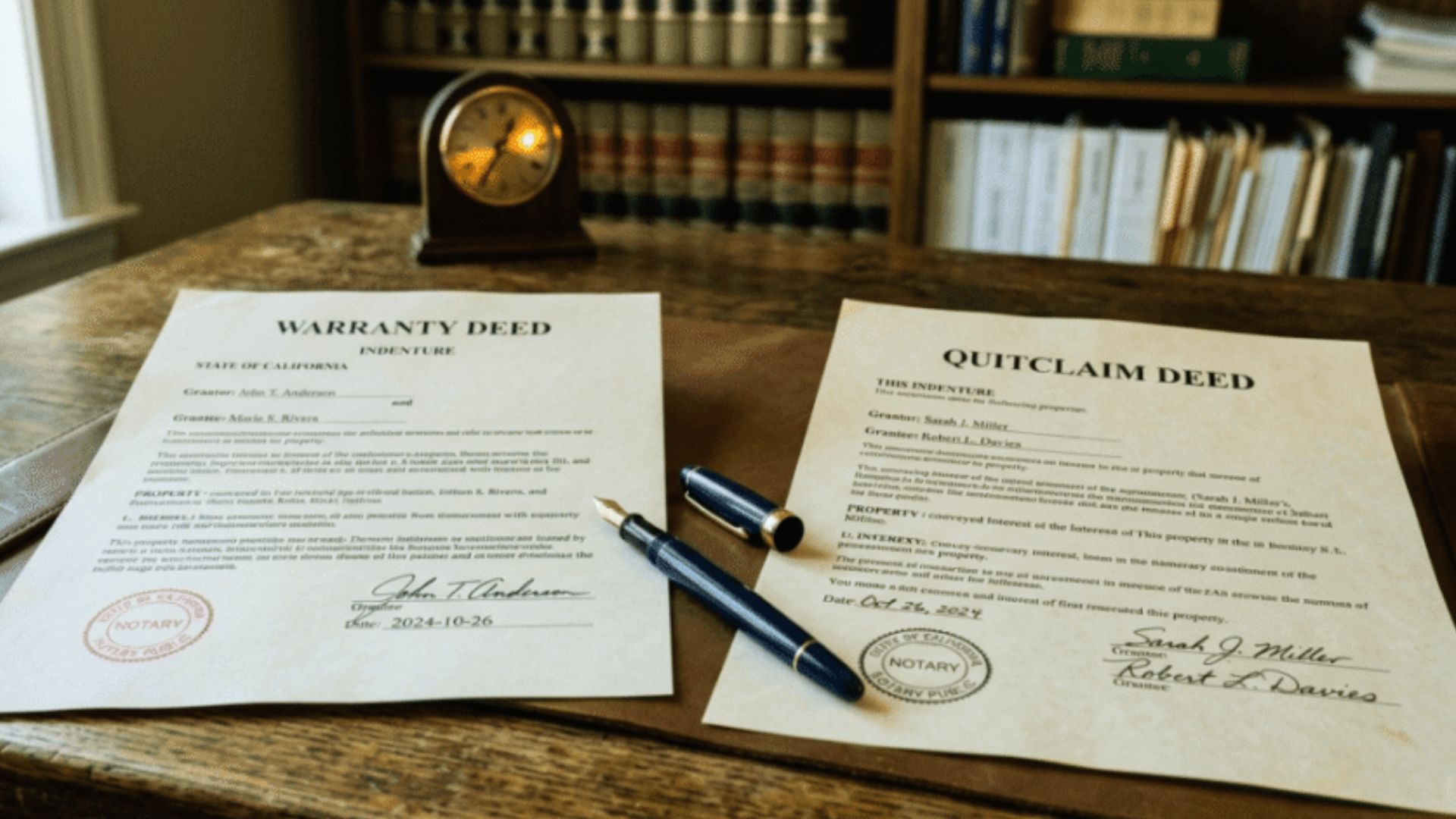
Here is a simple example. A deed that reads "to John and Rose" with no survivorship words often creates a tenancy in common. A deed that reads "to John and Rose as joint tenants with right of survivorship" does the opposite. Your will controls the first one, and it must go through probate.
Why Dates on the Deed Matter
The date on a deed can affect which property rules apply. Some states only recognize certain ownership forms or Transfer on Death deeds if they were created after a specific date.
Older deeds may follow different laws than newer ones. Before making plans, check when the deed was signed and review the rules that applied at that time. A real estate attorney can explain whether the deed still works as expected.
When Divorce Rewrites Property Ownership
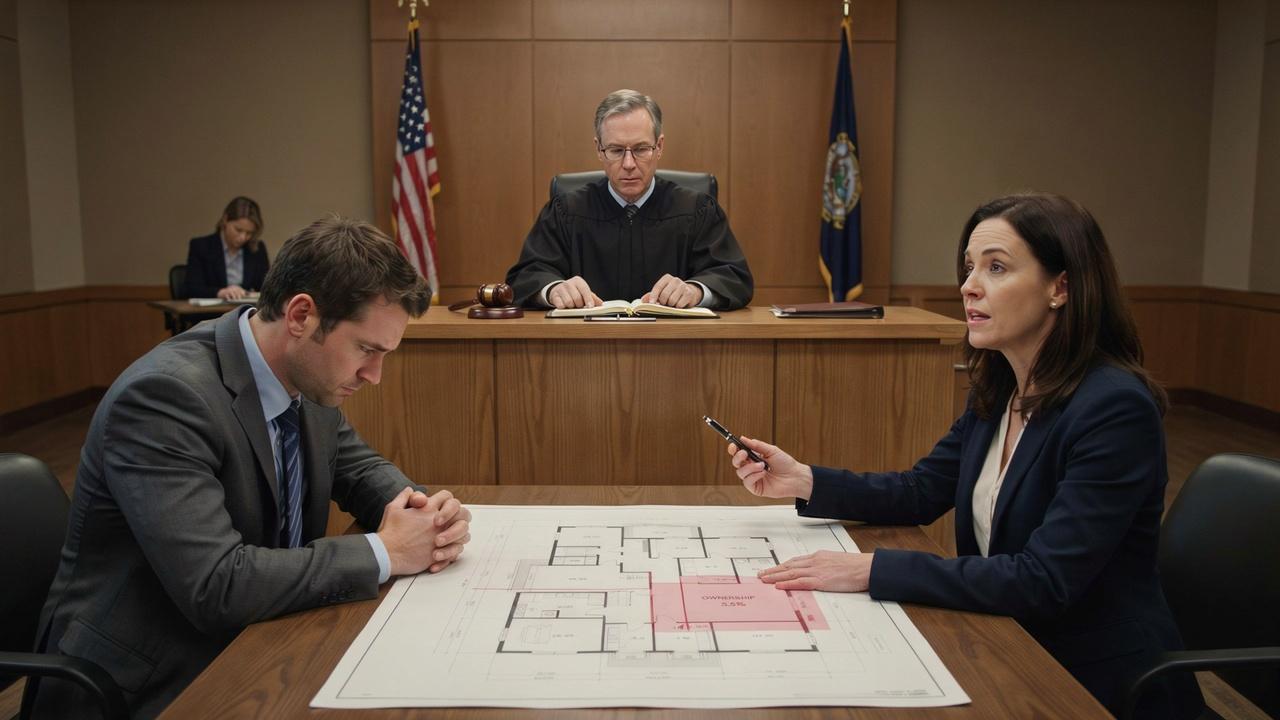
Divorce can shift who owns what, often by law. You may not sign a single new deed. The filing or the court order can change ownership on its own.
How Filing for Divorce Breaks a Joint Tenancy
In many states, filing for divorce can sever a joint tenancy. The ownership then turns into a tenancy in common, which kills the survivorship right.
So if one spouse dies during the case, the other may not inherit. That share goes to the estate instead.
Court-Ordered Transfers Without Both Signatures
A divorce decree can order one spouse to hand over real estate. The court has legal power to make this transfer, even if one spouse refuses to sign.
The order itself moves the ownership by law, so no fresh sale or new contract is needed.
This protects the spouse who is owed the property. It also keeps the split final once the judge signs off.
Community Property vs Equitable Distribution
Your state's system shapes how a court splits a home during divorce. Nine states use community property, where marital assets are generally split 50/50.
The other 41 states plus Washington D.C. use equitable distribution, where courts divide property fairly based on facts like the length of the marriage and each spouse's income.
Either way, once a joint tenancy is severed by the divorce filing, the state's system decides how that share gets split.
Ending a Lease by Operation of Law

Operation of law is not only about death and deeds. It can also end a lease. Here, the actions of the landlord and tenant matter more than any signed paper.
Surrender Through Conduct, Not Signatures
This is called surrender by operation of law, and it means the lease ends based on what both sides actually do rather than what they formally sign.
A tenant drops off the keys and leaves, the landlord takes the unit back and lists it for rent again, and those combined actions can end the lease with no formal termination letter required at all.
What Courts Look For Before Calling a Lease Over
Courts check for a few clear signs. Both sides must show intent to end the deal, since one-sided intent is usually not enough.
The conduct must clash with the lease going on. A landlord who re-rents the unit shows this. A tenant who moves out and stops paying shows it too.
Abandonment vs. Surrender
These two look alike but differ. Abandonment is one-sided. The tenant just leaves with no notice, and if the landlord does nothing, abandonment applies.
Surrender needs both sides to act. The landlord must accept the space back, like by re-renting it. That acceptance is what turns it into surrender.
How Different States Treat Operation of Law
State courts do not all follow the same rule for lease surrender, and the same set of facts can bring very different results depending on where the property sits and which court hears the dispute. Here is how three major states handle it.
California: California courts have accepted surrender by operation of law for years. They study the conduct of both sides closely. If a landlord re-rents the unit after the tenant leaves, the court may find the old lease ended. But the landlord can also choose to hold the tenant to the lease instead.
New York: New York courts look hard at the landlord's actions. Just taking the keys may not be enough. The landlord must do something clearly against the lease continuing, like re-renting or making structural changes. Without such an act, the court may rule the lease is still alive.
Georgia: Georgia courts handle both home and commercial lease disputes. They focus on whether both sides truly meant to end the deal. A written termination agreement is preferred there. But the courts will still weigh conduct when it clearly shows mutual intent.
Operation of Law Beyond Real Estate

The idea stretches past homes and leases. Seeing a couple more examples helps you grasp the full power of the rule.
Adverse Possession and Long-Term Use
Adverse possession is another way property changes hands without a signed deed.
If someone occupies land openly, continuously, and without the owner's permission for a set number of years, the law can hand them ownership.
The exact time period depends on the state, so check your local rules before assuming anything.
The occupier usually also has to pay property taxes or treat the land as their own the whole time. Courts do not hand out this kind of transfer lightly, so the bar is high.
Foreclosure and Bankruptcy
Foreclosure follows the same basic rule. When a homeowner falls behind on a mortgage and the lender follows the legal steps required, the property can pass to the lender by operation of law. No new sale contract gets signed. The default itself, paired with the lender following procedure, is what moves the title.
Bankruptcy works the same way. The moment someone files, their property passes into a bankruptcy estate right away, though owners may still be able to keep their house during bankruptcy depending on how they proceed.
The Cornell Legal Information Institute points to this as a textbook example. Filing alone triggers the shift, with no extra step needed to hand the assets over.
Contracts That End on Their Own
Not every contract needs both sides to agree before it ends. Some end by operation of law instead.
Say one party dies, or loses the legal capacity to follow through. The deal can end right there, with no further action from anyone.
The same holds true if the subject of the contract is destroyed. If a car burns up before the sale closes, the contract is over.
Lawyers call this impossibility of performance. Neither side broke the deal. The world just made it impossible to finish.
Steps to Protect Yourself Before the Law Decides for You
Take a few smart steps now to keep control of your property before an unexpected event, like a death or a divorce, lets the law decide for you instead:
- Check the exact wording on your deed, and make sure the survivorship words are there if you want them.
- Keep clear records of key handovers, emails, and dates related to any lease.
- Read your lease closely and follow its notice rules to the letter.
- Talk to a real estate attorney before you re-rent a unit or stop paying rent.
Good records and early legal advice protect both sides of any transaction, and a short review today of your deed and lease paperwork can save you from a long, costly dispute later on.
Conclusion
Operation of law allows property rights to change without a new agreement whenever the law says a specific event has happened, and it can affect homes, leases, bankruptcy cases, and other legal matters in ways many owners don't expect.
Because these rules work automatically, it helps to review your deed, lease, and other property records before a problem comes up, since taking a little time now can prevent real confusion later.
If you are unsure about your own situation, take that uncertainty as a signal to speak with a qualified real estate attorney before making any important decisions about your property.
Found this helpful? Share it with someone who needs it, and drop your questions in the comments below so we can help.
Frequently Asked Questions
Is a transfer by operation of law taxable?
The transfer itself is usually not income to the person who inherits. But estate taxes or capital gains tax may apply later, based on your state and the asset's value.
Can a transfer by operation of law be challenged in court?
Yes. Heirs or co-owners can contest it, often by claiming fraud, forgery, or a wrongly worded deed. Courts then review the facts and the paperwork.
What is the difference between operation of law and right of survivorship?
Right of survivorship is just one form of operation of law. Survivorship covers co-owned property passing at death, while operation of law is the broader rule behind many automatic transfers.
How long does an operation of law transfer take?
It can be fast, since it skips probate. The new owner still files a death certificate and updates the title, which may take a few weeks.
Can property pass by operation of law if there is a mortgage on it?
Yes. The property still passes to the new owner, but the loan stays with it. The heir or co-owner takes on the remaining mortgage.