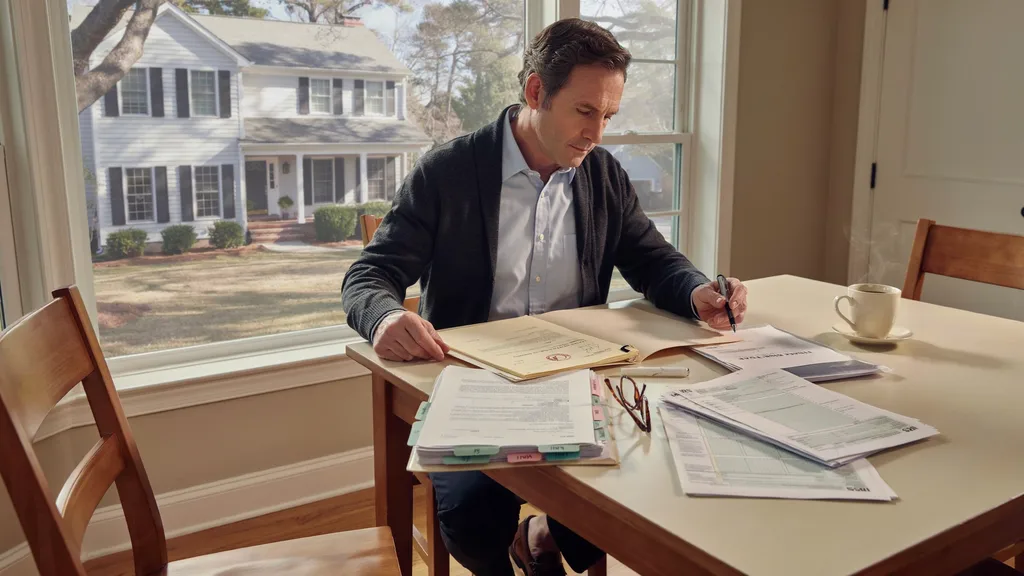
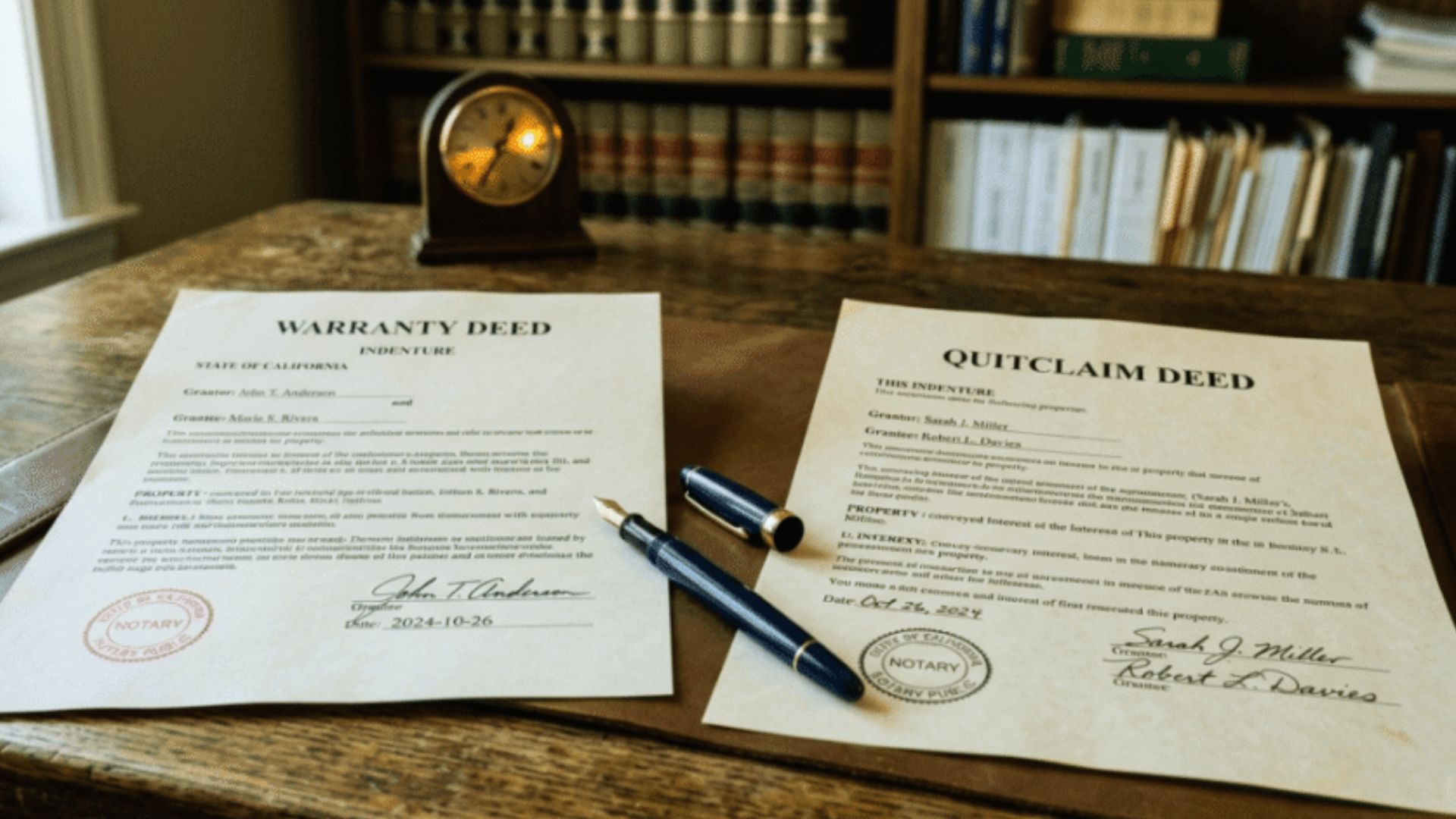
A Transfer on Death deed looks like the perfect shortcut: sign a form, name a beneficiary, skip probate. It's fast, inexpensive, and easy to set up without a lawyer, which is exactly why so many homeowners choose one.
But estate planning attorneys and probate courts see the same pattern repeat: a TOD deed that seemed simple at signing turns into a legal mess after the owner passes away.
Families have lost homes to creditor claims, Medicaid liens, and beneficiary disputes over unequal shares. Heirs expecting a tax-free transfer have been surprised by capital gains bills the deed never protected them from.
This guide covers every major risk, explains when a TOD deed can backfire, and walks through better options for your situation.
What Is a Transfer of Death Deed?

A TOD deed transfers real estate to a named beneficiary at death without probate, but it comes with limitations most homeowners never read about.
As of 2026, 31 states and the District of Columbia allow TOD deeds, according to the Uniform Law Commission at uniformlaws.org. Each state sets its own rules for signing, notarizing, and recording the deed with the county recorder's office before death.
The cost is low, typically ranging from $50 to $200 based on state filing fees and document preparation costs, though attorney fees vary.
The deed can be revoked at any time while the owner is alive. But that simplicity hides legal and financial gaps that a trust or other planning tool would close.
Structural Weaknesses of Transfer on Death Deeds
TOD deeds have built-in legal limitations that affect most property owners regardless of how carefully the deed was prepared.
No Protection From Creditor Claims After the Owner's Death
TOD deeds offer zero protection from your estate's creditors. When you die, creditors can still make claims against the property even after it transfers to a beneficiary.
Under federal law (42 U.S.C. § 1396p), states must recover Medicaid costs from recipients' estates, and many states define "estate" broadly enough to include TOD-transferred property. A revocable living trust offers a more structured approach to managing this exposure.
Errors in Drafting, Signing, or Recording the Deed
A single technical error can void a TOD deed entirely. Missing a notary signature, using the wrong legal description, or failing to record the deed before death can all push the property into probate, which is the exact outcome the owner was trying to avoid.
State requirements vary significantly, and many homeowners file deeds without realizing they missed a required step.
Problems Caused by Outdated Beneficiary Designations
Divorces, deaths, and family estrangements happen. If you named an ex-spouse or a beneficiary who has since died and never updated the deed, your property may end up in the wrong hands or stuck in probate waiting for a court to resolve it.
This is one of the most preventable problems with transfer on death deeds, yet it remains one of the most common.
What Goes Wrong in Practice

Practical problems arise regularly when TOD deeds are used as a standalone planning tool, even when the deed itself was properly prepared. A named TOD beneficiary has no legal interest in the property while the owner is alive.
The owner can sell it, refinance it, or revoke the deed at any time without notifying the beneficiary.
Naming two or more beneficiaries splits ownership, and when co-owners cannot agree on what to do with the property, a court-ordered partition sale can become the only resolution.
If the primary beneficiary predeceases the owner and no contingent beneficiary is named, the deed fails entirely and the property goes through probate. Community property states add another layer of risk.
In California, a TOD deed on community property may require both spouses to sign under California Probate Code § 5030, and similar signing requirements exist across all nine community property states, including Nevada, Idaho, New Mexico, Louisiana, and Wisconsin.
Finally, a TOD deed recorded incorrectly or in conflict with other ownership documents can create a cloud on the title, causing title companies to refuse insurance and forcing the beneficiary into court just to sell or refinance the property.
Financial and Tax Risks of Transfer on Death Deeds
TOD deeds can create financial complications that beneficiaries only discover after taking ownership of the property.
Outstanding Mortgages, Liens, and Unpaid Debts
A TOD deed transfers property along with its problems. If the property carries a mortgage, a tax lien, or a contractor's lien, the beneficiary receives all of it.
Unlike a trust-administered estate, there is no structured process to settle debts before the beneficiary takes ownership. The beneficiary may be forced to sell the home just to cover what was owed.
Property Tax Reassessment Considerations
In some states, transferring property through a TOD deed triggers a property tax reassessment.
California's Proposition 19, which took effect February 16, 2021, significantly limits the parent-to-child property tax exclusion for inherited homes, as detailed by the California State Board of Equalization.
Beneficiaries who plan to keep the property may face a sharp increase in annual taxes. Always verify your state's rules before relying on a TOD deed.
Capital Gains Tax and Estate Recovery Risks
TOD deeds do offer one tax advantage: the stepped-up cost basis. When a beneficiary receives property through a TOD deed, their cost basis becomes the fair market value at the date of death, not the original purchase price.
This can reduce capital gains tax if they sell. However, this benefit also applies to property transferred through a living trust under IRC § 1014.
For Medicaid recipients, many states include TOD-transferred property in the expanded estate subject to recovery after death under 42 U.S.C. § 1396p(b)(4), which can eliminate any financial benefit the deed was expected to provide.
Problems With Transfer on Death Deeds vs. Living Trusts
Comparing both tools shows clearly where a TOD deed falls short and where a trust provides stronger protection.
Transfer on Death Deed vs. Revocable Living Trust
| Feature | TOD Deed | Revocable Living Trust |
| Avoids probate | Yes, real estate only | Yes, all trust assets |
| Covers all asset types | No | Yes |
| Creditor protection | No | Limited but more structured |
| Handles multiple properties | One deed per property | One trust covers all |
| Works if beneficiary predeceases | Depends on state law | Yes, via successor provisions |
| Privacy | Recorded publicly | Not public record |
| Cost to set up | $50 to $200 (approx.) | $1,000 to $3,000 or more (approx.) |
A TOD deed avoids probate for one specific piece of real estate. A revocable living trust covers your home, investment accounts, vehicles, and other assets within a single legal structure.
A trust is also a private document, while a TOD deed is a public record that anyone can look up.
A trust gives you more control, including the ability to stagger distributions, protect a beneficiary with special needs, and name a professional trustee. A TOD deed does none of these things.
Situations Where a Transfer on Death Deed May Not Be the Best Choice

Certain family and financial situations make a TOD deed particularly risky as a primary planning tool.
Blended Families and Minor or Disabled Beneficiaries
When children from previous relationships are involved, a TOD deed can create serious conflict. If you leave your home to your current spouse, children from a prior marriage may be cut out entirely.
A trust with carefully written provisions is almost always the better tool in these situations. A minor child cannot legally own real estate, so naming one as a TOD beneficiary will likely result in a court-appointed guardian of the property.
For beneficiaries with disabilities, a direct property transfer could affect eligibility for SSI or Medicaid. A special needs trust is the right tool in both cases.
High-Value Estates and Families With Inheritance Disputes
Each property requires its own TOD deed, and each must be updated separately when beneficiaries change. For larger estates, this creates an administrative burden and raises the risk of something being missed at the time of death.
If your family has a history of conflict over money or property, a TOD deed may invite a legal battle. Without the structure a trust provides, dissatisfied heirs have more openings to contest the transfer.
A trust with a no-contest clause and a professional trustee can reduce this risk significantly.
Can a Transfer on Death Deed Be Contested?
TOD deeds can be challenged in court, and these disputes are often expensive and time-consuming for everyone involved.
Common grounds include undue influence, lack of mental capacity at the time of signing, fraud, or forgery.
Courts examine who was present at signing, whether the owner had legal counsel, whether there is medical documentation of cognitive decline, and whether the beneficiary had a prior relationship of trust with the owner.
Cases involving dementia, isolation, or last-minute deed changes are particularly vulnerable. These disputes can take years to resolve and result in significant legal fees, erasing any savings from avoiding probate.
Mistakes That Can Make a Transfer on Death Deed Invalid
Most TOD deed failures come down to execution errors rather than problems with the planning decision itself.
- Wrong property description: Using the street address instead of the correct legal property description is a common mistake that can void the deed
- Improper witnessing or notarization: State witnessing and notarization requirements vary, and failing to meet them makes the deed unenforceable
- Failure to record: Failing to record the deed with the county recorder's office before death also renders it void
- Vague beneficiary names: Using a nickname, a maiden name, or a vague description like "my children" instead of full legal names can create disputes about who the deed actually covers
- Outdated deed after life changes: After any major life event such as divorce, remarriage, or the death of a beneficiary, the deed must be reviewed — some states like California automatically revoke a TOD deed to a former spouse after divorce under Probate Code § 5600, but most do not
Alternatives to a Transfer on Death Deed

Several planning tools can achieve the same probate-avoidance goal while handling situations a TOD deed cannot.
A revocable living trust lets you transfer all your assets into a trust during your lifetime. At death, the trustee distributes everything according to your instructions, privately and without probate.
Joint tenancy with right of survivorship passes property automatically to a surviving co-owner at death but gives that co-owner immediate legal rights to the property, which is a significant trade-off.
A life estate deed lets you keep the right to use the property for your lifetime while passing ownership to a named remainderman at death, though it cannot easily be undone. A traditional will gives you full control but requires probate.
| Situation | Best Option |
| Simple estate, one property | TOD Deed or Life Estate |
| Multiple assets, multiple heirs | Revocable Living Trust |
| Married couple, shared home | Joint Tenancy or Living Trust |
| Minor or disabled beneficiary | Special Needs Trust |
| Privacy is a priority | Revocable Living Trust |
How to Decide Whether a Transfer on Death Deed Is Right for You
A few honest questions about your property, family, and finances will show whether a TOD deed fits your situation.
Ask yourself:
- Do I own one property or multiple?
- Are all intended beneficiaries adults with no disabilities?
- Have I recently divorced or remarried?
- Do I have outstanding debts or liens on the property?
- Does my state recognize TOD deeds?
- Am I likely to need Medicaid benefits?
- Is my property in a community property state?
If you answered yes to more than one of the last five questions, a TOD deed alone is probably not your best option. The simpler your situation, the better a TOD deed works: one property, one adult beneficiary, no disputes, no debts.
Anything more complex calls for a more complete planning tool. An estate planning attorney can review your full situation and help you avoid the mistakes that make TOD deeds fail.
Setting up a living trust typically costs between $1,000 and $3,000 based on attorney rates and estate complexity, but it can save your family far more in legal fees if something goes wrong with a DIY deed.
Expert Tips to Avoid Transfer on Death Deed Problems
A few careful habits now can prevent costly disputes and legal headaches for your beneficiaries later.
- Always use full legal names for all beneficiaries. No nicknames or vague terms like "my kids."
- Record the deed immediately after signing. An unrecorded deed has no legal effect.
- Name a contingent beneficiary in case your primary beneficiary dies before you.
- Check your state's specific rules. Not all TOD deed laws are the same.
- Review the deed every three to five years even if nothing has changed.
- Do not use a TOD deed as a substitute for a complete estate plan.
- Consult an estate attorney before filing if you have any debt, co-owners, or family complications.
Conclusion
Problems with transfer on death deeds are easy to overlook until it is too late. From creditor claims and outdated beneficiaries to tax surprises and contested deeds, the risks are real and affect everyday families.
Knowing these risks puts you in a much stronger position to protect what you have built. Review your current estate plan, ask the right questions, and do not rely on a single document to handle everything.
Not sure if a TOD deed is right for your situation? Leave your questions in the comments below we're happy to help you think it through
Frequently Asked Questions
Can a Transfer on Death deed be used in every state?
No. As of 2026, only 31 states and D.C. allow TOD deeds. Verify your state's law at uniformlaws.org before creating one.
Does a Transfer on Death deed protect property from nursing home cost recovery?
Not in most states. Medicaid recovery programs can pursue TOD-transferred property as part of the expanded estate after death under 42 U.S.C. § 1396p.
Can I have both a will and a Transfer on Death deed for the same property?
Yes, but the TOD deed usually controls. A will does not override a valid, recorded TOD deed for that specific property.
What happens to the TOD deed if I sell the property before I die?
The deed becomes void automatically once the property is sold. The new owner takes title free of the TOD beneficiary designation.
Is a Transfer on Death deed the same as adding someone to the title?
No. Adding someone to the title gives them immediate ownership rights. A TOD deed only transfers ownership after death, with no current rights granted to the beneficiary.