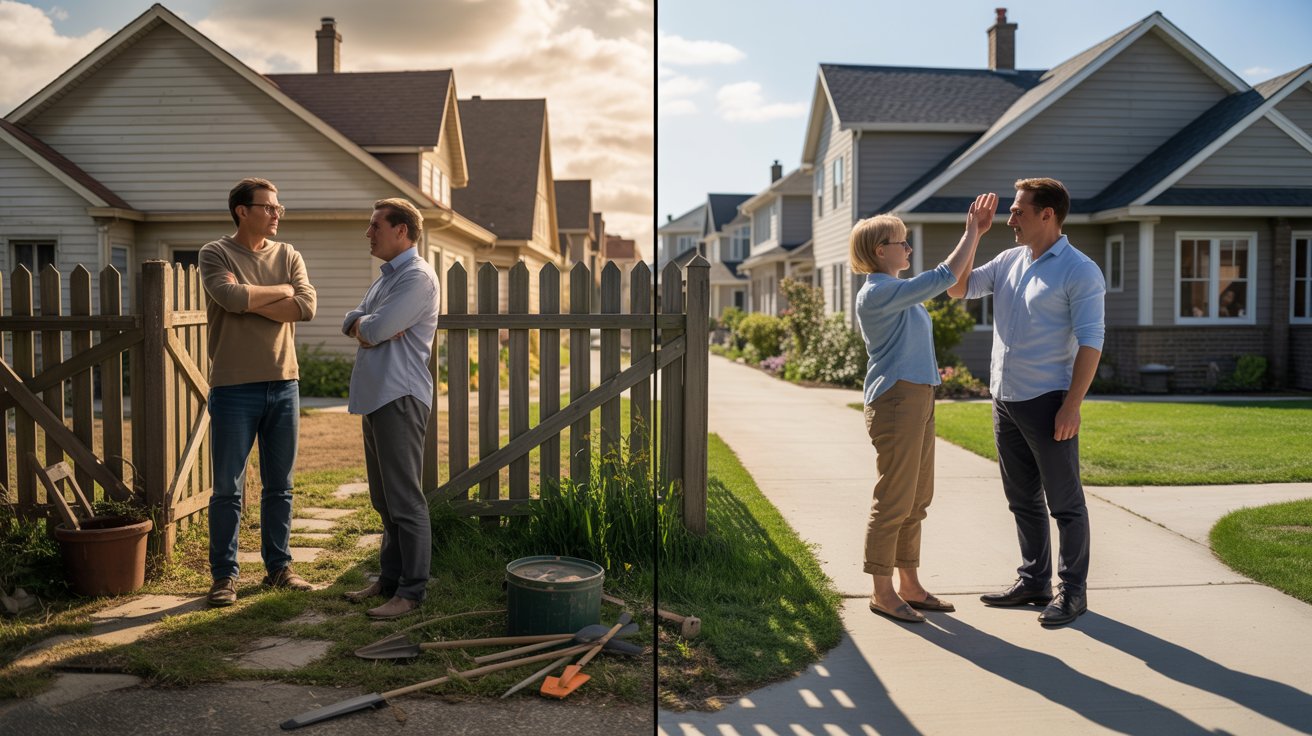
Property line encroachment laws in California can feel confusing, especially when a neighbor’s fence or structure crosses into your yard.
I’ve seen how quickly these situations turn into serious disputes. In this article, I’ll walk you through everything you need to know, from understanding your legal rights to resolving conflicts the right way.
You’ll find clear, practical steps to protect your property. Knowledge is your best tool here, and I want to make sure you have it.
What Are Property Lines Under California Law?
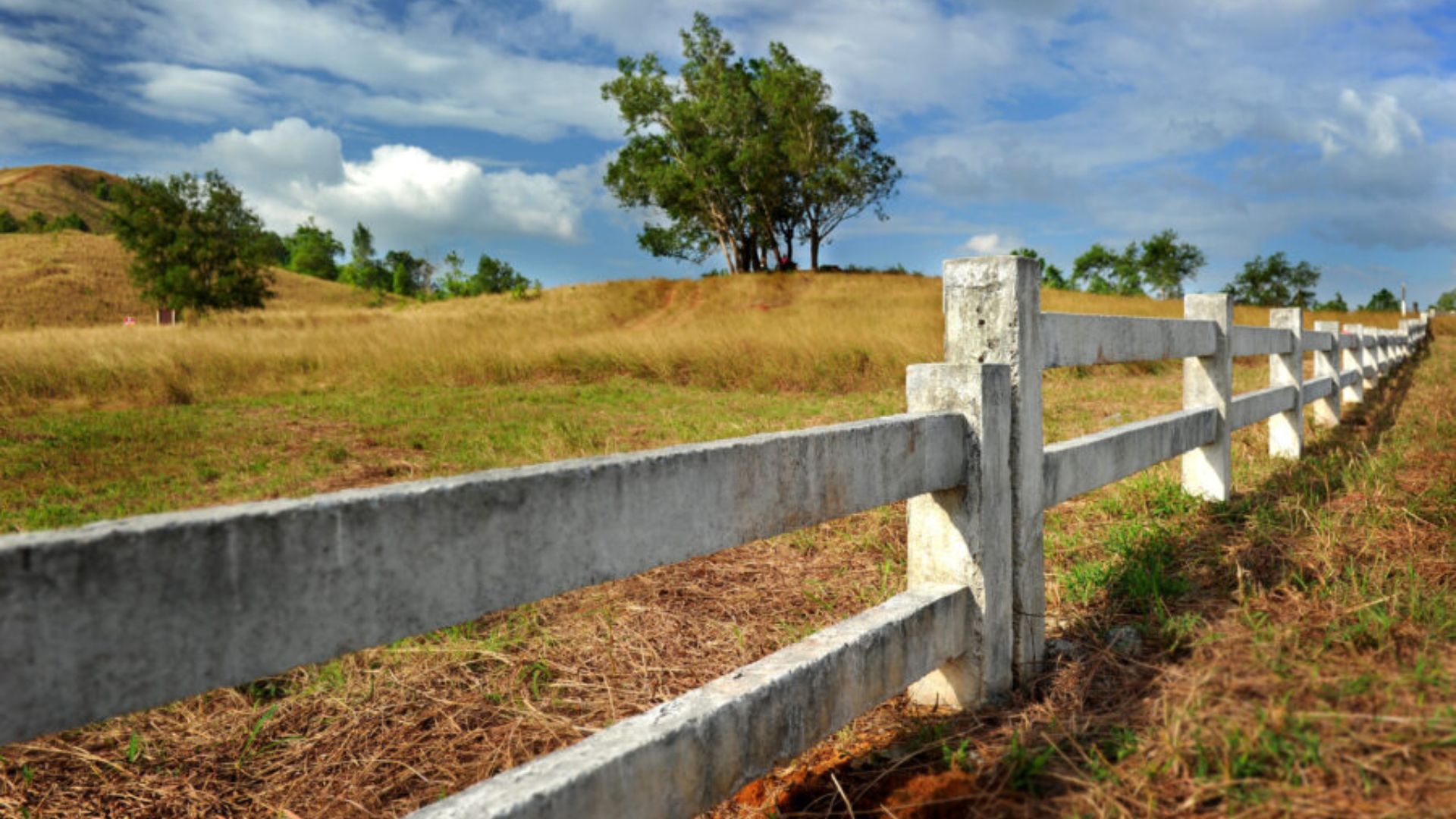
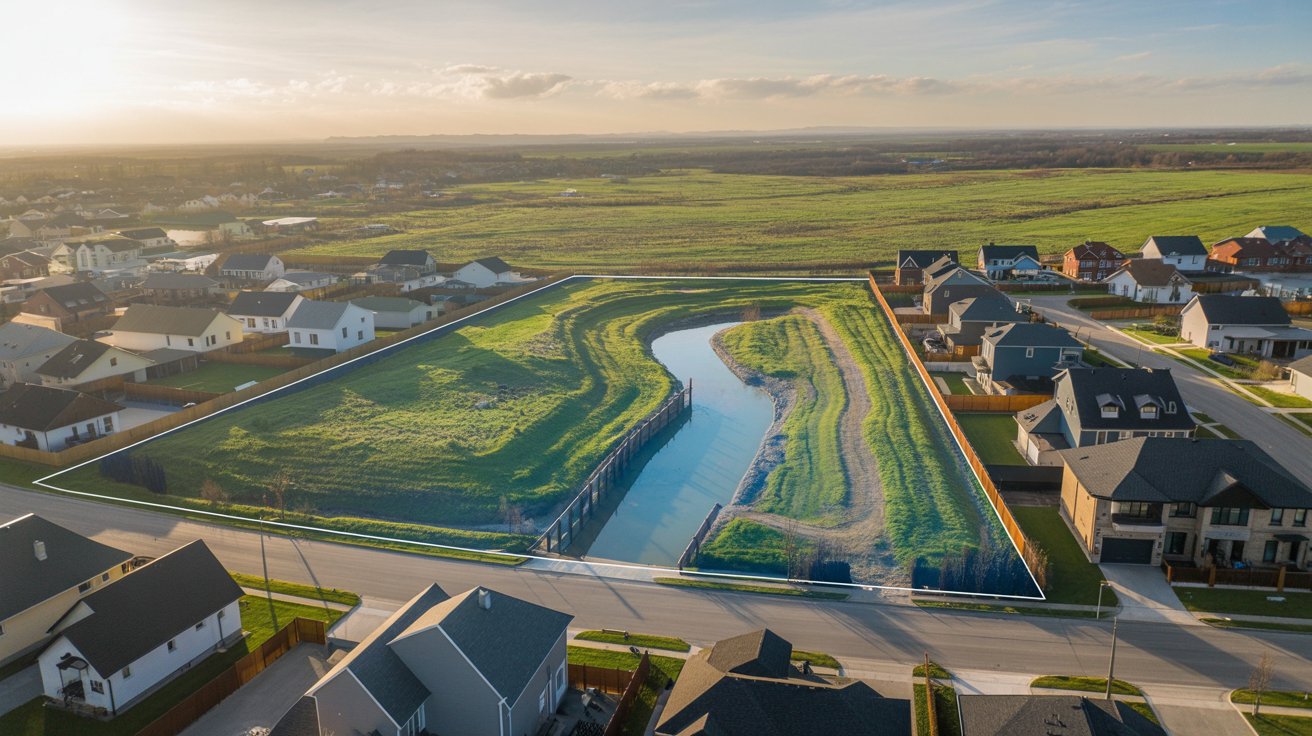
A property line is the legal boundary that separates one person’s land from another’s. In California, these lines are established through recorded deeds, plat maps, professional land surveys, and historic boundary agreements. They define exactly where your land begins and ends.
Courts and local governments rely on these boundaries to settle disputes. Knowing your exact property lines protects you legally and financially. Building a fence or installing a driveway in the wrong place can lead to serious legal trouble. Accurate boundaries prevent costly mistakes before they happen.
What Is an Encroachment?
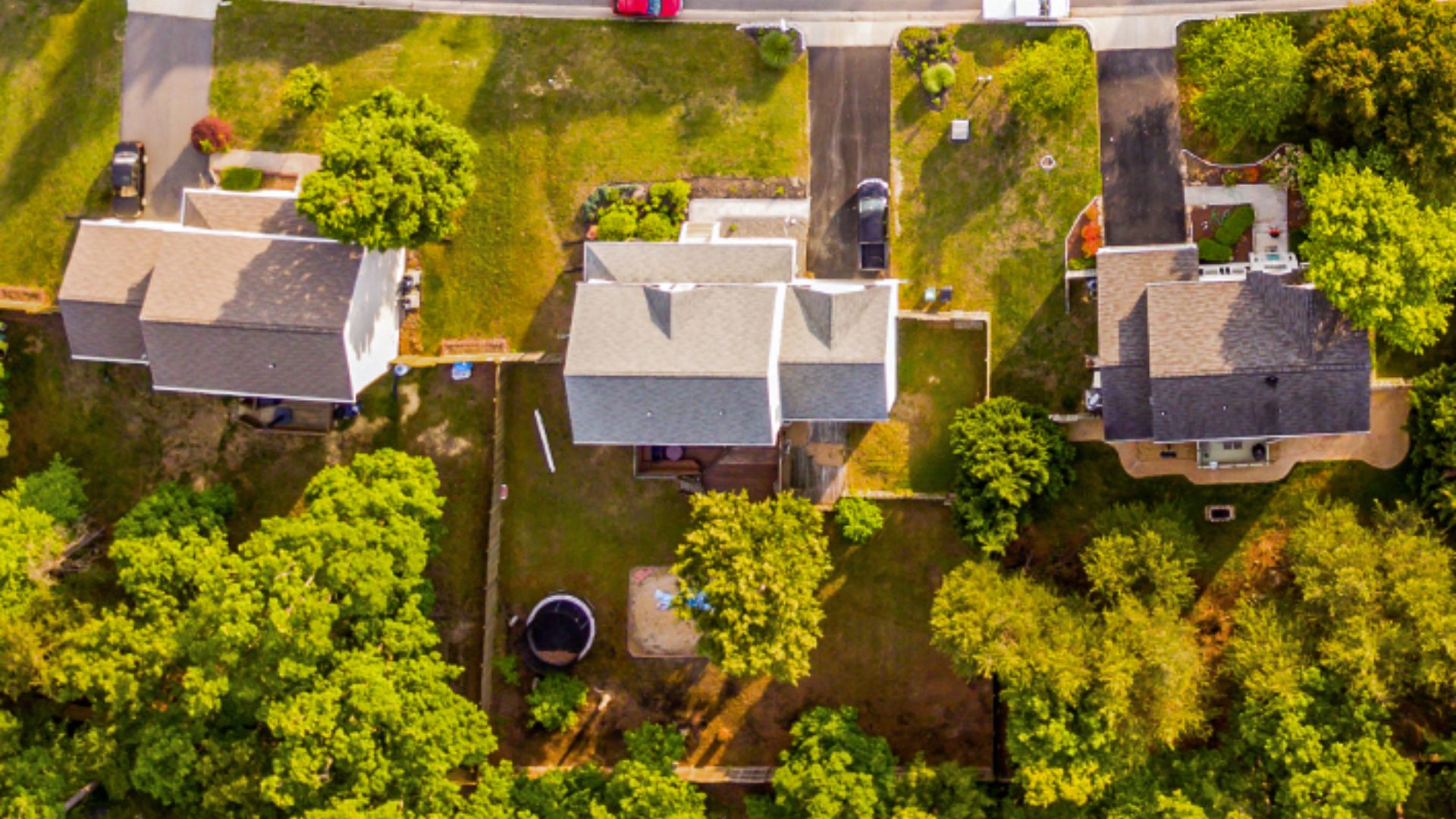
An encroachment is when a structure, object, or improvement crosses over a legal boundary onto another person’s property. Intent does not matter. Even accidental crossings count under California law, and they can create real legal liability.
Common examples include fences built inside a neighbor’s yard, driveways that extend past the property line, tree branches or roots growing onto neighboring land, and sheds or additions built too close to or over the boundary.
Not all encroachments are done on purpose. Many happen because of old surveys or unclear records. California law treats both intentional and unintentional encroachments seriously. Intentional ones may carry stronger penalties, while unintentional ones can often be resolved through negotiation. Either way, acting quickly matters.
Property Line Encroachment Laws in California
California has specific laws that govern how property line disputes are handled.
California Civil Code Provisions Related to Encroachments
California Civil Code Section 841 covers shared fences and boundary responsibilities. Other sections address nuisance, trespass, and property damage. Property owners have the right to demand removal of an encroachment and seek compensation for damages.
Adverse Possession and Prescriptive Easements
Adverse possession allows someone to claim ownership of land they’ve openly used for 5 years while paying property taxes on it. Prescriptive easements are similar but only grant the right to use the land, not own it. Both are strong reasons to act fast when you spot an encroachment.
Easements vs. Encroachments

An easement is a legal, documented right to use part of someone’s property. An encroachment is an unauthorized intrusion. The difference comes down to one word permission.
Trespassing vs. Encroachment
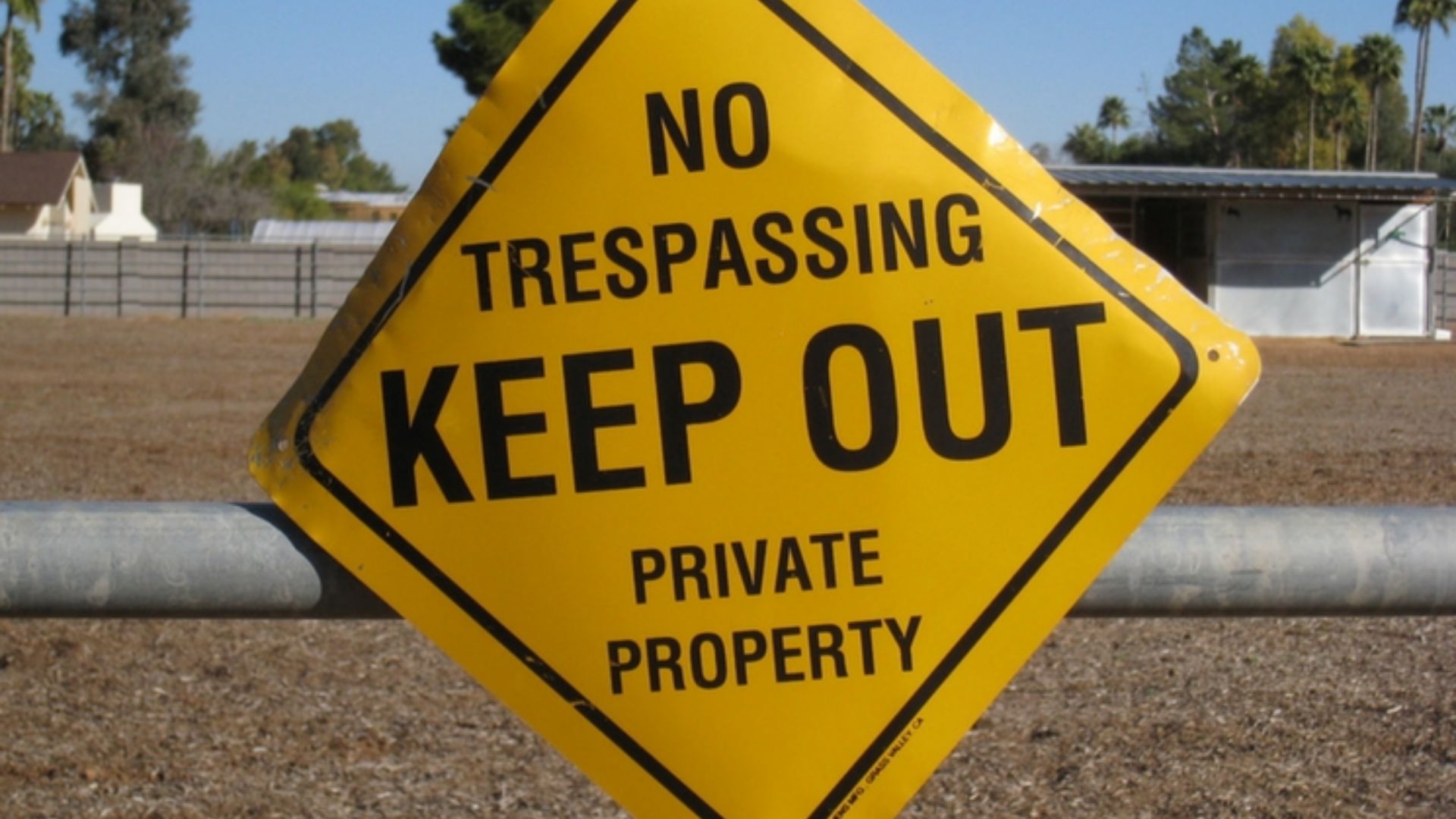
Trespassing involves a person entering another’s property without permission. Encroachment involves a structure or object crossing the boundary line. Both can lead to legal action but are handled differently in California courts.
How to Determine Your Property Lines in California?
Before taking any action, you need to know exactly where your property lines are.
Start with your property deed. It contains a legal description of your land, including measurements and boundary references. If the language is unclear, a real estate attorney can help you interpret it.
You can also check county assessor and recorder offices for plat maps. These are public records that show lot dimensions and how your property relates to surrounding parcels. Many counties offer online access through their websites.
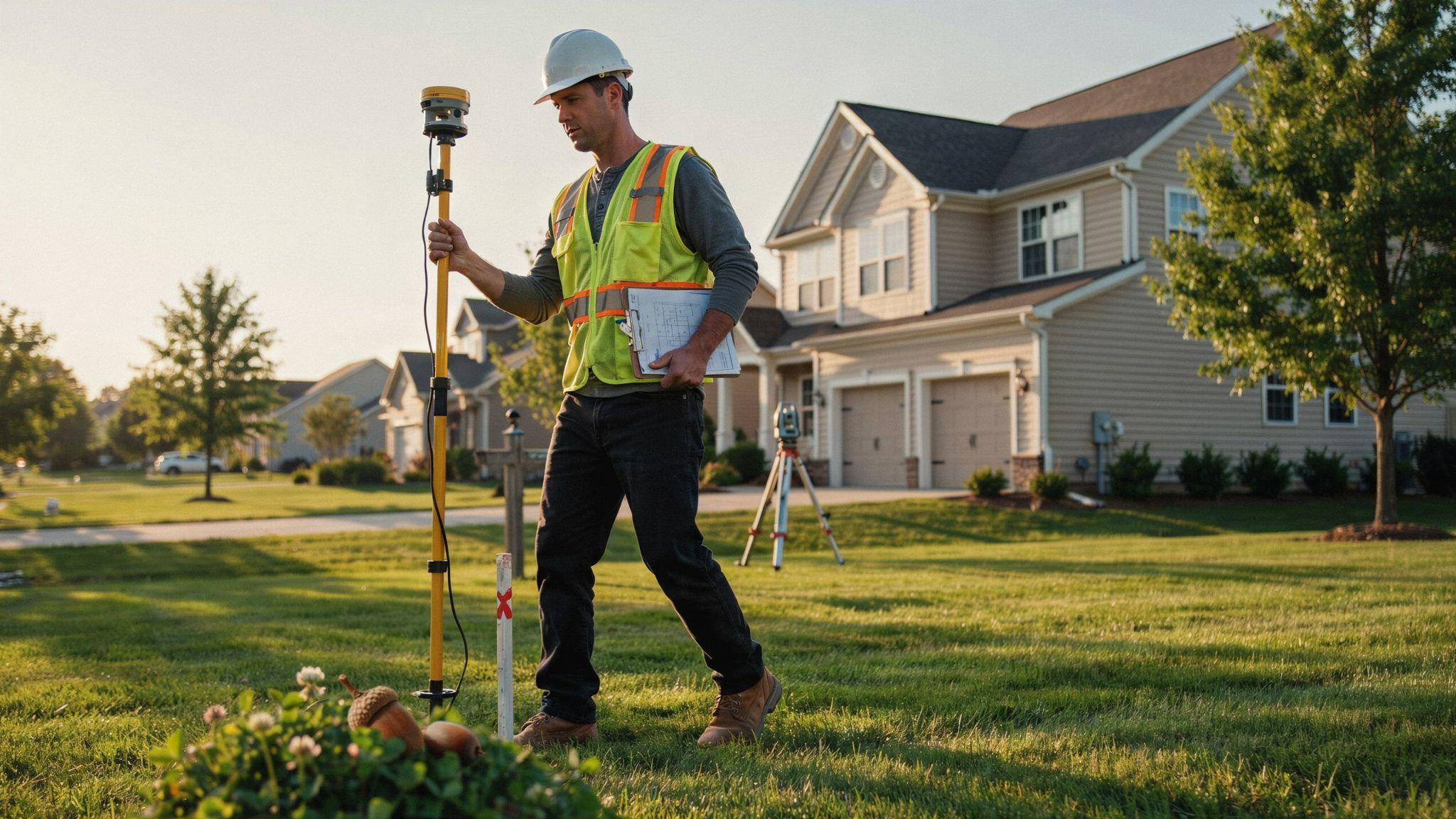
For the most reliable result, hire a licensed California land surveyor. Courts often require a professional survey in serious disputes as it provides legal-grade proof of where boundaries lie. Online tools like county GIS portals or Regrid can give you a quick look, but they are not a substitute for a professional survey when legal action is involved.
Legal Remedies Available to California Property Owners
If negotiation fails, California law gives you several legal tools to protect your property.
Filing a Lawsuit for Removal of Encroachment

You can file a civil lawsuit asking the court to order the removal of the encroaching structure. This is called an ejectment or removal action. The court will review the evidence and may order the neighbor to remove the encroachment at their own cost.
Seeking Injunctive Relief

Injunctive relief is a court order that requires someone to stop doing something or to take a specific action. In encroachment cases, a judge may issue an injunction requiring the neighbor to remove a fence, trim trees, or stop building across the boundary.
Damages and Compensation

If the encroachment caused financial harm, such as reduced property value or the cost of removing damage, you may be entitled to monetary compensation. California courts can award actual damages and, in some cases, additional damages for willful encroachments.
Quiet Title Actions
A quiet title action is a lawsuit that asks a court to officially establish who holds legal title to a disputed piece of land. This is especially useful when there is a genuine dispute over where the boundary lies. Once a court issues a quiet title judgment, it becomes the final legal record.
Tips for California Homeowners Dealing with Encroachments
Here are five practical tips to protect your property rights and avoid making things worse.
- Act promptly. California’s statute of limitations on some property actions is as short as 3 years. Start documenting the moment you notice an encroachment.
- Keep written records. Save every conversation, letter, and text message about the dispute. These records can make a significant difference in court.
- Consult a California real estate attorney. A licensed attorney can review your deed, explain your rights, and help you choose the best course of action.
- Avoid self-help measures. Do not remove your neighbor’s fence yourself or block access to their property. These actions can weaken your legal position.
- Let the legal process work for you. Staying calm and following proper legal steps puts you in a stronger position than rushing or acting on emotions.
Conclusion
Dealing with property line encroachment laws in California is not something anyone plans for, but it happens more often than you’d think.
I’ve seen neighbors who were on great terms end up in costly disputes simply because no one checked the boundaries before building. The good news is, you now have the knowledge to handle it the right way.
Take action early. Document everything. And don’t hesitate to get professional help. If this article helped you, share it with a neighbor or leave a comment below. Your next step starts now.
Frequently Asked Questions
What is the statute of limitations for property encroachment in California?
California generally allows 3 to 5 years to take legal action on property encroachment, depending on the type of claim. Acting quickly is important to preserve your rights.
Can my neighbor legally claim part of my property through adverse possession?
Yes, if they have used a portion of your land openly and continuously for 5 years and paid taxes on it, they may qualify for adverse possession under California law.
Do I need a lawyer to resolve a property encroachment dispute?
You are not required to hire one, but it is strongly recommended for anything beyond a simple neighbor conversation. An attorney protects your rights and helps you avoid costly mistakes.
What happens if my neighbor refuses to remove an encroaching structure?
You can file a civil lawsuit in California court requesting removal of the structure and possible financial compensation for damages caused by the encroachment.
How much does a property survey cost in California?
Survey costs in California typically range from $500 to $2,500 or more, depending on the size of the property and complexity of the boundaries. It is worth the cost to resolve or prevent a dispute.