Many people worry about what happens to their home or land after they pass away. The legal process can be slow, costly, and very public.
Putting property in a trust is one way to avoid those problems and keep things simple for your family. This article explains how a trust works, why people use one, and what to watch out for.
You will also learn how a trust compares to other options, what mistakes to avoid, and whether it fits your situation. Every step of this process matters, and small errors can be costly.
We have helped many families think through these decisions with clear, practical guidance. By the end, you will have the information you need to move forward with confidence.
Understanding Putting Property in a Trust
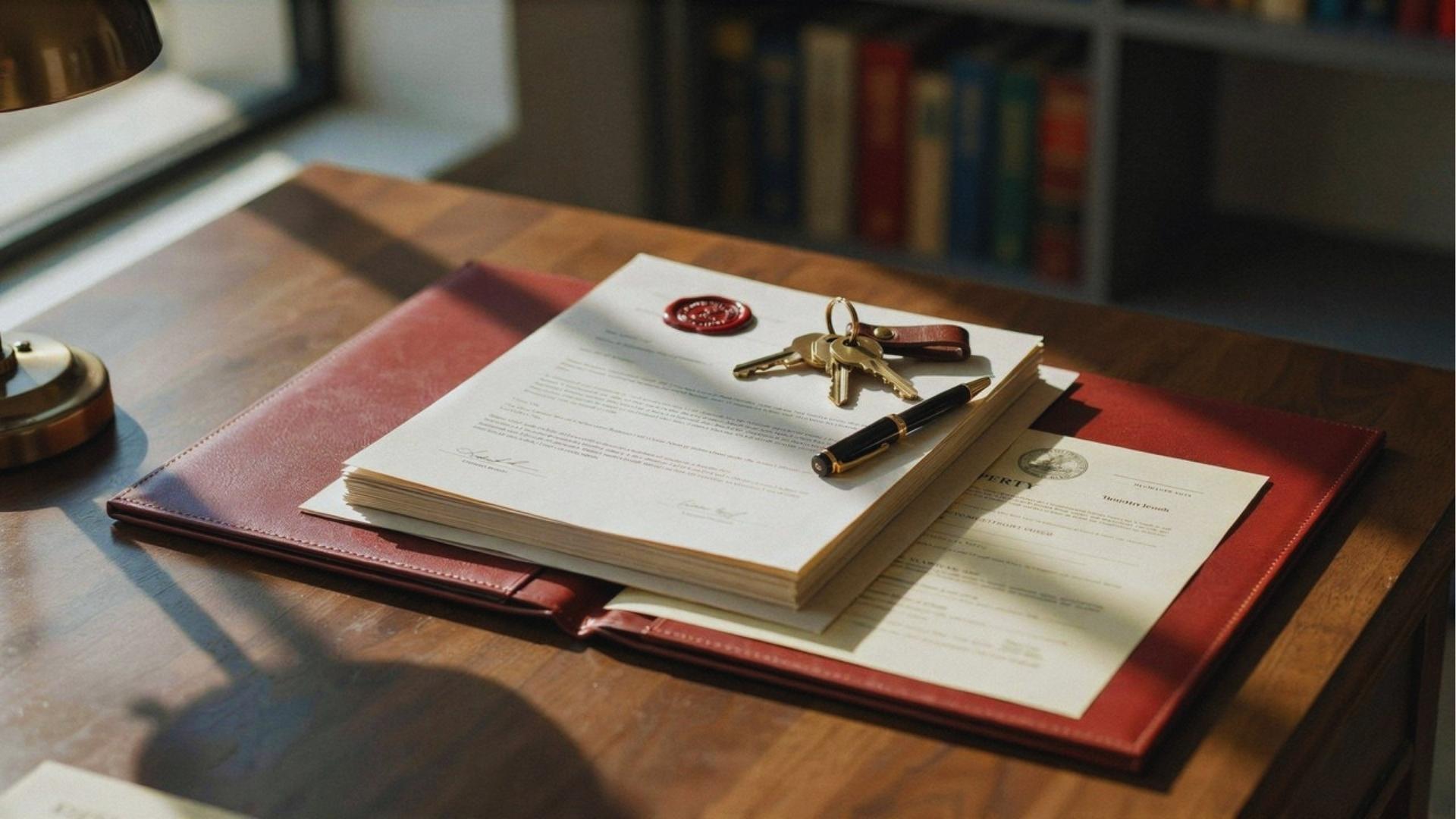
A trust is a legal arrangement where ownership of your property shifts from your name to the trust itself, managed by a trustee for your chosen beneficiaries.
Think of it as a private set of instructions that controls what happens to your home or land, both during your lifetime and after. When you put property in a trust, you move legal ownership into the trust's name while still being able to live in or use the property as before.
The person who creates and funds the trust is called the grantor. The grantor transfers the property title to the trustee, who then manages it according to the trust's rules.
A trustee manages the title according to the rules you set, and if you choose a revocable living trust, you can serve as your own trustee while you are alive.
When you pass away or become incapacitated, a successor trustee steps in and carries out your wishes without involving a court.
This setup works especially well for homeowners, parents of minor children, people with property in multiple states, and anyone who wants more control over how their assets are handled.
Why People Choose Putting Property in a Trust
People choose to put property in a trust because it skips probate, protects privacy, prepares for the unexpected, and gives you real control over who gets what and when.
Most families do not realize how much a trust can simplify things until they see what happens without one. Probate, the court process that settles an estate after death, can drag on for months or years and rack up legal fees.
If you die without a will, your estate passes instead under your state's laws of intestacy, which may not reflect your wishes at all. Property held in a trust passes directly to your beneficiaries without any court involvement.
That transfer also stays completely private, unlike probate, which is a public record that anyone can search and read.
Beyond planning for death, a trust also protects you while you are still alive. If you become seriously ill or unable to make decisions, your successor trustee can step in immediately without waiting for a court to appoint someone.
And when it comes to your beneficiaries, a trust lets you set specific rules, like holding a home for a child until they reach a certain age or providing steady income from a rental property for a surviving spouse, giving you a level of control that a simple will simply cannot match.
Benefits and Drawbacks of Putting Property in a Trust

Like any legal tool, a trust has both strengths and limitations. Understanding both helps you make a smart choice.
Key Benefits to Expect
Trusts skip probate, which saves time and money. They keep transfers private. They allow for flexible distribution rules.
They can cover multiple properties, including those in different states. They also protect your wishes if you become incapacitated.
Potential Disadvantages to Consider
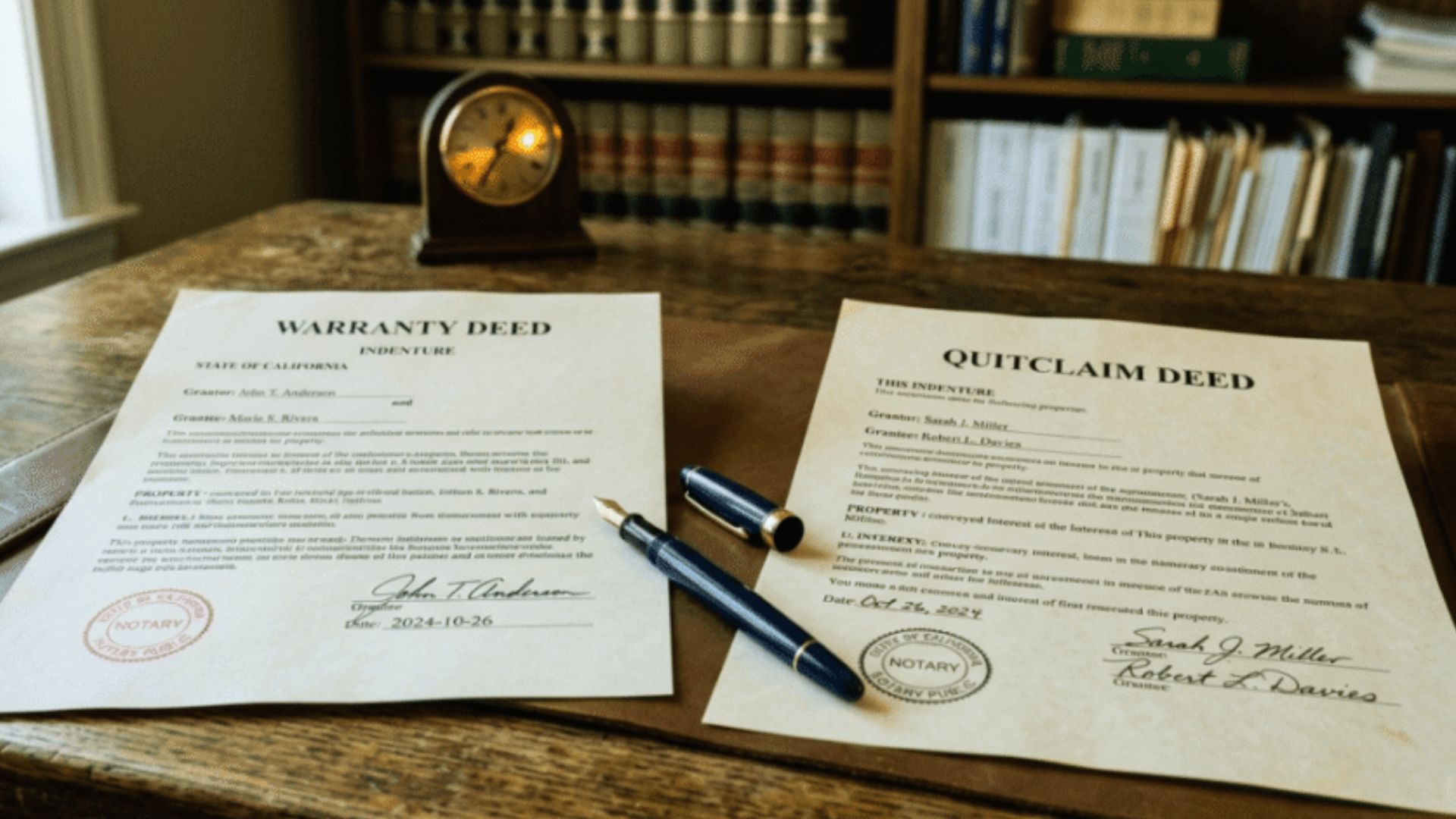
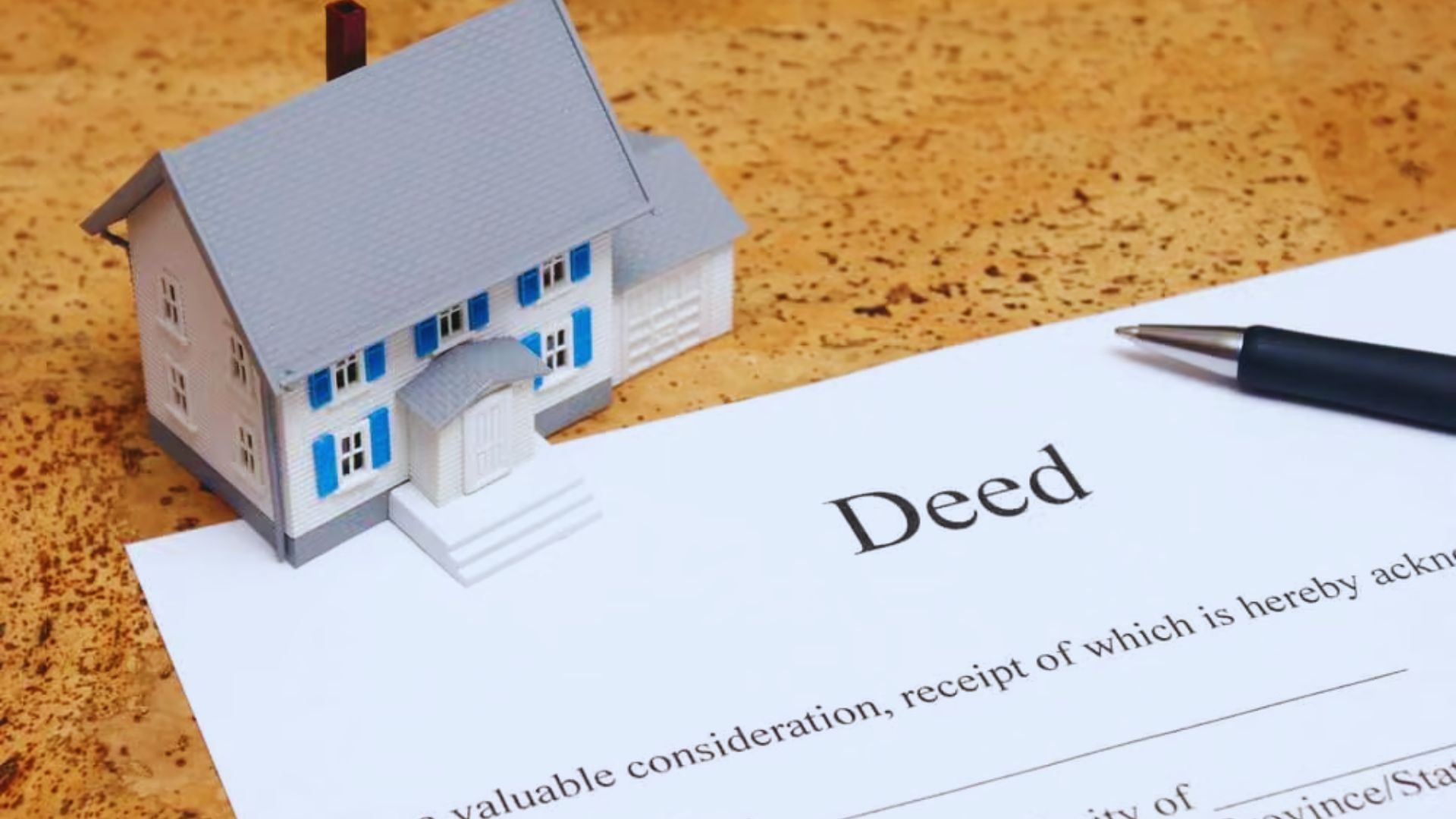
Setting up a trust takes more effort than writing a will. You must actually transfer the property title into the trust, which requires executing a new deed. If you forget to do this, the property may still go through probate.
Trusts are also harder to contest in court, which is usually a benefit, but it means less flexibility to make quick informal changes. If your home has a mortgage, check with your lender first.
Under the federal Garn-St. Germain Act, transferring a home into a revocable living trust generally does not trigger the due-on-sale clause, but you should confirm this before completing any deed transfer.
Costs and Responsibilities Involved
Creating a trust costs more upfront than a basic will. Attorney fees vary by state and complexity, but expect to pay anywhere from a few hundred to a few thousand dollars.
Once you transfer the deed, you will also need to update your homeowners insurance policy to reflect the trust as the new title holder, or you risk a gap in coverage.
You will also need to update the trust if your life changes significantly, such as getting married, divorced, or buying new property. Ongoing maintenance is part of the commitment.
Putting Property in a Trust vs Other Options
A trust is not the only way to handle property after death. Comparing it to other tools helps you choose the right fit for your situation.
| Feature | Trust | Will | Joint Ownership | Transfer-on-Death (TOD) Deed |
| When it takes effect | During your lifetime and after death | Only after death | Immediately when a co-owner is added | After the owner's death |
| Probate | Usually avoids probate | Must go through probate | Usually avoids probate for jointly owned property | Avoids probate for the named property |
| Privacy | Remains private | Becomes a public record | Ownership is public through property records | Property transfer is recorded after death |
| Incapacity planning | Yes, the trustee can manage the property | No | Limited | No |
| Control during your lifetime | You keep control in a revocable trust | Full control until death | Shared with the co-owner | Full control until death |
| Potential risks | Setup costs and ongoing administration | Probate delays and public proceedings | Co-owner's debts, lawsuits, or divorce may affect the property | Limited to eligible states and does not cover incapacity |
| Best for | Multiple properties, privacy, avoiding probate, and long-term estate planning | Simple estates with limited assets | Couples or co-owners with shared ownership goals | Single-property owners seeking a simple probate-avoidance option |
Is Putting Property in a Trust Right for You?

A trust is a good fit if you own real estate, have minor children, or want to avoid probate, but simpler options may work just as well for smaller, straightforward estates.
The honest answer depends entirely on your situation. If you own property in multiple states, a trust saves your family from dealing with separate probate proceedings in each one.
If you have children and want control over when they receive assets, a trust lets you set those terms clearly. Privacy concerns and incapacity planning are also strong reasons to go this route.
For those with long-term care concerns, an irrevocable trust may help. In many states, assets placed in an irrevocable trust are not counted as yours for Medicaid eligibility after a required waiting period.
That means your home could pass to your heirs rather than being used to repay nursing home costs. Wealthier homeowners may also look at a Qualified Personal Residence Trust, or QPRT, which can reduce the taxable gift value of a transferred home.
On the other hand, if your estate is small or your assets already have named beneficiaries, a will or transfer-on-death deed may be all you need.
Before deciding, ask yourself three questions. Do I own property that would go through probate? Do I want to control when my beneficiaries receive assets? Am I concerned about incapacity? If you answered yes to even one, putting property in a trust deserves a serious look.
Common Mistakes When Putting Property in a Trust
Even people who create a trust correctly can run into problems. Most mistakes come from incomplete follow-through or poor planning.
Not Transferring Ownership Into the Trust
This is the most common mistake. You sign the trust documents but never update the property title with a new deed.
If the property is still in your name when you die, it goes through probate anyway. The trust is only useful if the property is actually titled in the trust's name.
It is also a good idea to have the trust notarized when you sign it, which adds a layer of legal protection and makes it easier for financial institutions and lenders to accept.
Leaving Key Assets Outside the Trust
Some people put their home in the trust but forget about a vacation property or rental unit. Assets left outside the trust may go through probate.
Make a full list of everything you own and make sure each item is either in the trust or has a named beneficiary.
Forgetting to Review the Trust Over Time
Life changes. People marry, divorce, have children, or buy new property. If your trust is not updated to reflect these changes, it may not carry out your wishes.
Set a reminder to review your trust every few years or after any major life event.
Overlooking Legal or Tax Implications
Some trust structures can affect taxes, Medicaid eligibility, or property tax exemptions.
For example, moving property into an irrevocable trust may affect your ability to qualify for certain benefits.
Always talk with a tax advisor or estate attorney before making changes that could have financial consequences.
Tips Before Putting Property in a Trust
A little preparation goes a long way. These steps can help you get started on the right foot.
- Define your goals first. Know what you want the trust to do before setting one up. Your goals shape the type of trust you need and how it should be structured.
- Choose the right type. Revocable trusts allow changes. Irrevocable trusts offer stronger protection and can help with long-term care planning. Special needs trusts protect a dependent's benefits. Pick what fits your situation best.
- Transfer property correctly. Execute a new deed listing the trust as the owner and record it with your county. Without this step, the property may still end up going through probate.
- Revise your homeowners insurance policy. After changing the deed, contact your homeowners insurance provider to update the policy to reflect the trust as title holder. Skipping this step can create coverage gaps.
- Review it regularly. Update your trust after major life changes like new property, marriage, divorce, or relocation. An outdated trust can cause serious problems.
- Consult an attorney. A qualified estate planning attorney drafts the trust correctly, handles asset transfers, and catches legal or tax issues early.
Conclusion
Putting property in a trust is one of the most practical steps you can take to protect your assets and make things easier for your family.
It helps you skip probate, stay private, and plan for the unexpected. The key is to set it up correctly and keep it updated.
If you are ready to take the next step, speak with an estate planning attorney who can guide you through the process.
Found this helpful? Share it with someone who might need it or drop a comment below with your questions.
Frequently Asked Questions
Can a trust protect property from creditors?
A revocable trust generally does not protect assets from creditors. An irrevocable trust may offer stronger protection depending on your state's laws.
Does putting property in a trust affect my mortgage?
Under the Garn-St. Germain Act, transferring a home into a revocable living trust generally does not trigger the due-on-sale clause. Confirm with your lender before transferring.
Can I put rental property in a trust?
Yes, rental property can be placed in a trust. Rental income and management responsibilities transfer along with the ownership title.
Do I need a new trust if I move to another state?
Not always, but your trust should be reviewed by a local attorney to ensure it complies with your new state's laws.
Can a trust be contested by family members?
Trusts are generally harder to contest than wills, but family members can still challenge them under certain circumstances, such as fraud or lack of capacity.