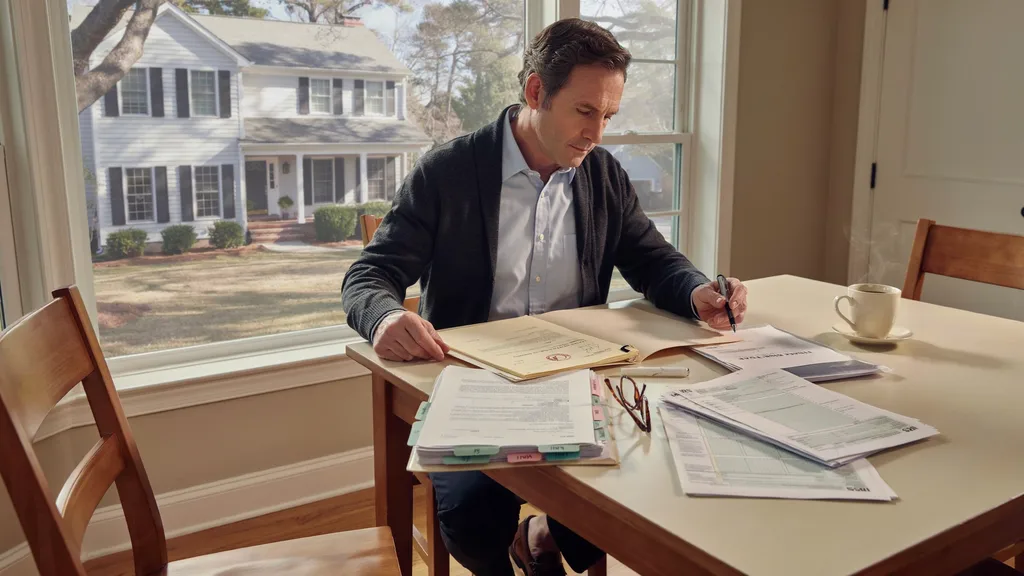
If you're going through a divorce or splitting property with a family member, you've probably heard about quitclaim deeds.
People often think signing one takes care of everything. It doesn't work that way.
A quitclaim deed changes who owns the property. It does not change who owes the mortgage.Those are two different legal documents, and mixing them up can cost you money and stress later.
This guide explains what a quitclaim deed does, why it cannot remove someone from a mortgage, and the available options for ending mortgage liability.
What Is a Quitclaim Deed?

A quitclaim deed is a legal document that transfers your interest in a property to someone else. It doesn't guarantee that the person giving up their share had full ownership to begin with.
People use quitclaim deeds for simple transfers. Think of adding a spouse to a title, giving up rights during a divorce, or handing property to a family member.
It's fast and doesn't need a title search.
But here's the catch. A quitclaim deed only deals with property ownership. It says nothing about the mortgage.
Your name can come off the title while it stays on the loan.
What a Quitclaim Deed Actually Changes?

No, a quitclaim deed only removes your ownership interest in the home. It does nothing to your legal responsibility for the loan.
The mortgage is a separate contract, and it stays exactly as it was until the lender changes it.
Why a Quitclaim Deed Does Not Remove Mortgage Liability
Mortgages are contracts between you and the lender, not between you and a co-owner.
Signing a quitclaim deed does not involve the lender at all, so it can't change who owes the debt.
Only the lender can release you from that responsibility through refinancing or a formal loan modification.
Mortgage vs. Promissory Note vs. Property Title
These three documents get mixed up all the time. Here's how they actually differ.
| Document | What It Covers | Who It Involves |
| Mortgage | Secures the loan against the property | You and the lender |
| Promissory Note | Your written promise to repay the loan | You and the lender |
| Property Title | Shows legal ownership of the property | You and any co-owners |
A quitclaim deed only touches the title. Your name can disappear from ownership records while your signature still sits on the promissory note.
That means the debt is still yours until the lender says otherwise.
Why the Lender Must Approve Any Loan Changes
Lenders agreed to lend money based on specific borrowers and their credit history. They have to approve any change that removes a borrower from that agreement.
Until the lender officially updates the loan agreement, every original borrower remains legally responsible for the mortgage.
When Should You Use a Quitclaim Deed?

Quitclaim deeds work well in situations where trust already exists between the people involved. Common cases include:
- After divorce or legal separation: One spouse often signs a quitclaim deed to give up their share of the home during a divorce settlement. This clears up the title so one person can move forward as the sole owner, though it's usually paired with a separate step to handle the mortgage.
- Transferring property between family members: Parents adding a child to a deed, or siblings splitting inherited land, often use this method. It keeps things simple since there's already trust in the relationship, and legal fees stay low compared to a full property sale.
- Removing a former partner or co-owner: If a relationship ends and one person keeps the home, a quitclaim deed removes the other person's ownership claim. This clarifies ownership and reduces future disputes, but the mortgage remains unchanged unless the lender approves refinancing, an assumption, or another loan modification.
- Estate planning and inherited property: Families use quitclaim deeds to move property into a trust or between heirs without a full sale. This works best when there's no mortgage left on the property, or when everyone agrees on next steps.
How to Remove a Name From a Mortgage

If your real goal is getting off the loan, you need one of these options.
- Refinance the mortgage: The remaining borrower applies for a new loan in their name only, paying off the old one. This is the most common and reliable way to remove someone from a mortgage, though it does require good credit and steady income to qualify on your own.
- Assume the mortgage, if eligible: Some loans, like certain FHA and VA mortgages, allow one borrower to take over the loan without refinancing. The lender still checks credit and income before approving this switch, and not every loan type allows assumption.
- Request a lender release or loan modification: You can ask your lender directly to release one borrower from the mortgage. Lenders don't have to say yes, and many prefer refinancing instead, but it's worth asking if refinancing isn't an option right now.
- Sell the home and pay off the mortgage: Selling the property clears the loan entirely, removing both names at once. This works well when neither person wants to keep the home, and any leftover funds get split based on your agreement.
- Pay off the mortgage in full: If you have the funds, paying the loan off ends the mortgage obligation completely and removes any risk tied to missed payments. It's not realistic for most people, but it's the cleanest option when possible.
- Consider bankruptcy as a last resort: In rare cases, bankruptcy can discharge mortgage debt tied to a shared loan. This option comes with serious downsides, including major credit damage, and should only be considered after talking with a qualified attorney.
How to Complete a Quitclaim Deed and Mortgage Removal
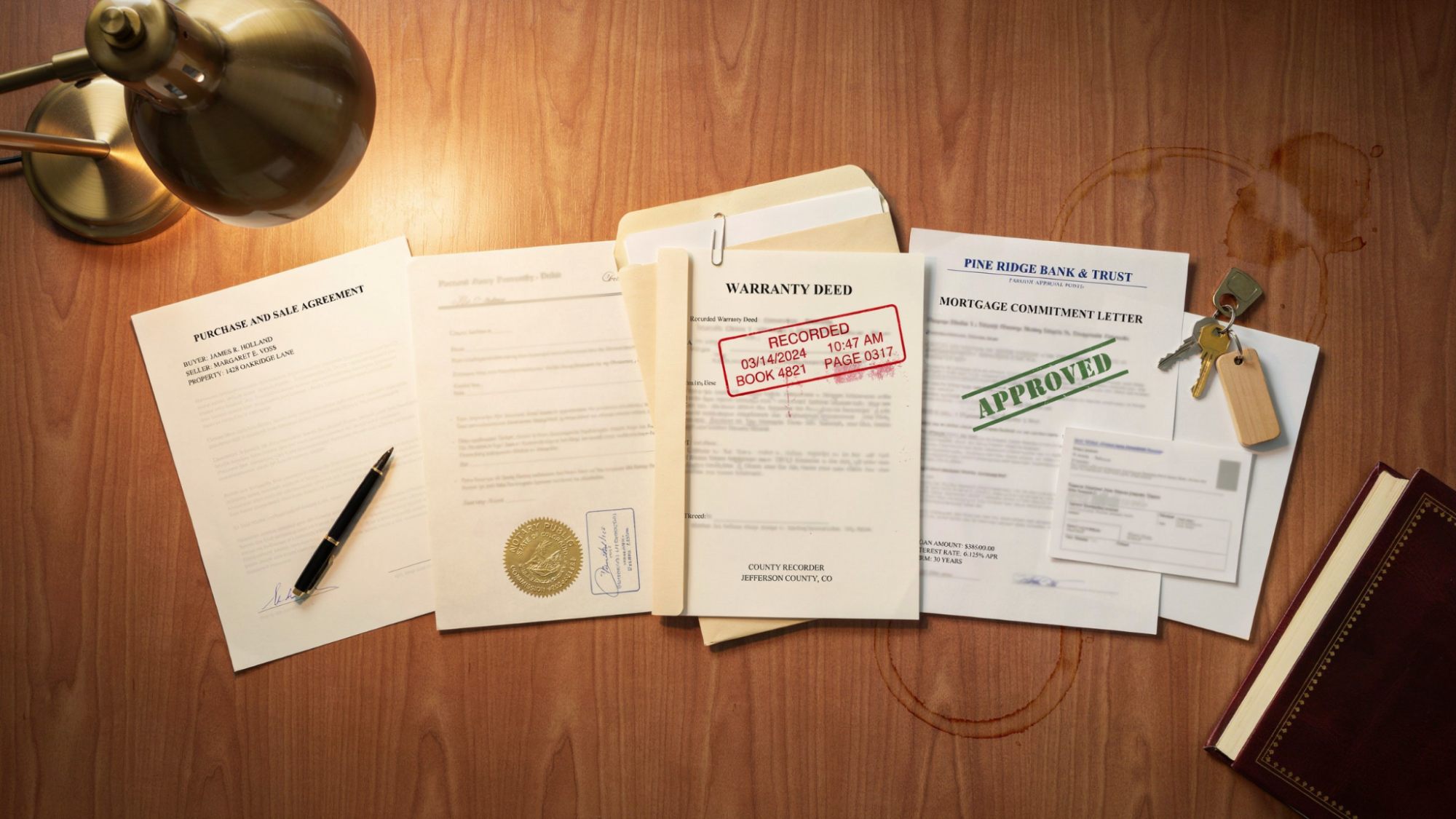
Follow these steps in order to avoid legal or financial trouble.
- Review your mortgage and ownership documents: Read your loan terms and title carefully before making any changes. Look for clauses about assumption, refinancing, or lender approval requirements to understand what options are actually available to you.
- Talk to your mortgage lender: Ask what options they offer for removing a borrower from the loan. Every lender handles this a little differently, so don't assume the process is the same everywhere, and getting this answer early saves you time later.
- Prepare and sign the quitclaim deed: Work with a notary and make sure both parties sign correctly. Double check the property description matches your county records exactly, since small errors here can delay or invalidate the deed.
- Record the deed with the county: File the deed with your local county recorder's office to make it official. Recording fees vary by county and are generally modest, so check with your local recorder's office for the current fee schedule before filing.
- Complete the mortgage removal method you chose: Follow through with refinancing, assumption, or another option to fully separate the loan. This step is just as important as the deed itself, skipping it leaves you financially tied to a home you no longer own.
What Happens If You Sign a Quitclaim Deed but Stay on the Mortgage?

This is where people get into trouble. Signing a quitclaim deed without handling the mortgage creates a messy situation.
- You still owe the mortgage debt: You remain legally responsible for payments even after giving up ownership. The lender doesn't care who lives in the home or holds the title, only that the loan gets paid on time.
- Your credit remains at risk: If the other person misses payments, it still shows up on your credit report, even years after the quitclaim deed was signed. Your credit stays tied to the loan until it's officially removed.
- It can affect future loan approval: Lenders count this mortgage against your debt-to-income ratio, even though you no longer own the home. This can make it harder to qualify for a new mortgage or car loan.
- You lose ownership but keep the financial responsibility: This is the worst outcome of the two documents getting mixed up. You have no legal claim to the property but full financial risk if things go wrong.
Costs to Consider

Before you move forward, plan for these expenses. Costs vary by state and county, so treat these as general ranges rather than fixed numbers.
Quitclaim Deed Filing Fees
Most counties charge a small fee to record the deed, usually under 100 dollars.
Some counties also charge a separate transfer tax based on the property's value, even if no money changes hands in the transfer.
Fees vary depending on where you live. Check with your local County Recorder's Office for exact pricing before you file.
Notary and Preparation Fees
Getting a quitclaim deed notarized typically costs between 10 and 25 dollars per signature.
If you hire a title company or attorney to prepare the deed itself, expect to pay an added preparation fee on top of that.
Skipping proper preparation to save a small fee can lead to a rejected filing, which costs you more time and money in the long run.
Refinancing Closing Costs
Refinancing typically costs 2 to 5 percent of the loan amount in fees. This can include appraisal costs, lender fees, title insurance, and recording charges.
You will also want to compare your current interest rate against today's rates. If rates have gone up since your original loan, refinancing could raise your monthly payment even after removing a name from the loan.
Budget for this before starting the refinance process. Our mortgage refinancing guide covers typical closing cost ranges in more detail.
Mortgage Assumption Fees
Lenders often charge a processing fee to approve an assumption. This fee is usually lower than full refinancing costs, often a flat fee rather than a percentage of the loan.
FHA and VA loans have specific assumption rules and fee caps set by the agency, so ask your lender for the exact number that applies to your loan type.
Attorney and Legal Consultation Fees
Legal help costs extra but can prevent expensive mistakes.
Many real estate attorneys offer a flat fee for reviewing or preparing a quitclaim deed, while divorce-related property matters may be billed hourly.
Getting a short consultation before you sign anything is often worth the cost, especially if the mortgage balance is large.
Property Tax and Insurance Considerations
Transferring ownership can trigger a property tax reassessment in some states, which may raise your annual tax bill.
It can also require updating your homeowners insurance policy to reflect the new sole owner.Check both of these before you record the deed, not after.
Hidden Costs of Delaying Mortgage Removal
If you quitclaim the property but wait too long to handle the mortgage, you risk late payment fees, credit score drops, and a higher debt to income ratio that can block you from getting a new loan of your own.
These indirect costs often add up to more than the deed and refinancing fees combined. Together, all these costs are small compared to the risk of skipping legal guidance.
Pros and Cons of Using a Quitclaim Deed

Advantages
- Fast and inexpensive compared to other legal transfers, and works well between people who already trust each other, like family members.
- Requires very little paperwork compared to a full property sale, and most deeds can be recorded within days once signed and notarized.
- Useful for correcting small errors in a title, such as a misspelled name or a missing signature, without redoing the entire property transfer.
- Works well for moving property into a living trust, since the goal is usually just updating who holds legal title, not securing a mortgage.
Disadvantages
- Offers no protection against mortgage debt or future liability, and there's no guarantee of clear title, since the person signing may not have had full ownership.
- Risky between people who don't fully trust each other, since the deed includes no warranty that the title is free of liens or claims from other parties.
- Can trigger a due-on-sale clause in some mortgages, meaning the lender could technically demand full repayment of the loan once ownership changes. Lenders rarely enforce this between family members, but it's worth checking your loan terms first.
- Generally not recommended for transfers between strangers or in a traditional home sale, since it offers no title guarantee, a warranty deed is the better choice in those cases.
Tips for Removing a Name From a Mortgage Successfully
- Review your loan type before making changes
- Resolve the mortgage before transferring ownership
- Keep records of all legal documents
- Check your credit during the process
- Work with a real estate attorney if needed
Why Timing Matters When Removing a Name From a Mortgage

The order you handle things in matters more than most people realize.
If you transfer ownership before dealing with the mortgage, you can end up stuck paying for a home you no longer control.
Handle the loan first, then the deed. This keeps your finances and your legal rights lined up instead of working against each other.
Common Mistakes to Avoid
- Assuming a quitclaim deed removes mortgage liability
- Ignoring your lender's requirements
- Giving up ownership before leaving the loan
- Missing refinance or assumption deadlines
- Overlooking divorce agreement terms
Conclusion
A quitclaim deed and a mortgage are two separate legal matters, and mixing them up can leave you financially exposed.
Talk to your lender before you sign anything, and confirm your mortgage removal plan is in place before you record the deed.
If you're unsure which option fits your situation, a real estate attorney or your loan servicer can walk you through the next steps.
Frequently Asked Questions
Does a quitclaim deed affect my credit score?
Not directly. But if you stay on the mortgage and payments get missed, your credit takes the hit.
Can I refinance right after a quitclaim deed?
Yes, many people refinance shortly after transferring ownership to fully separate from the loan.
What if my lender won't approve a mortgage assumption?
You'll need another option, like refinancing or paying off the loan, since assumption isn't guaranteed.
Is a quitclaim deed the same as a warranty deed?
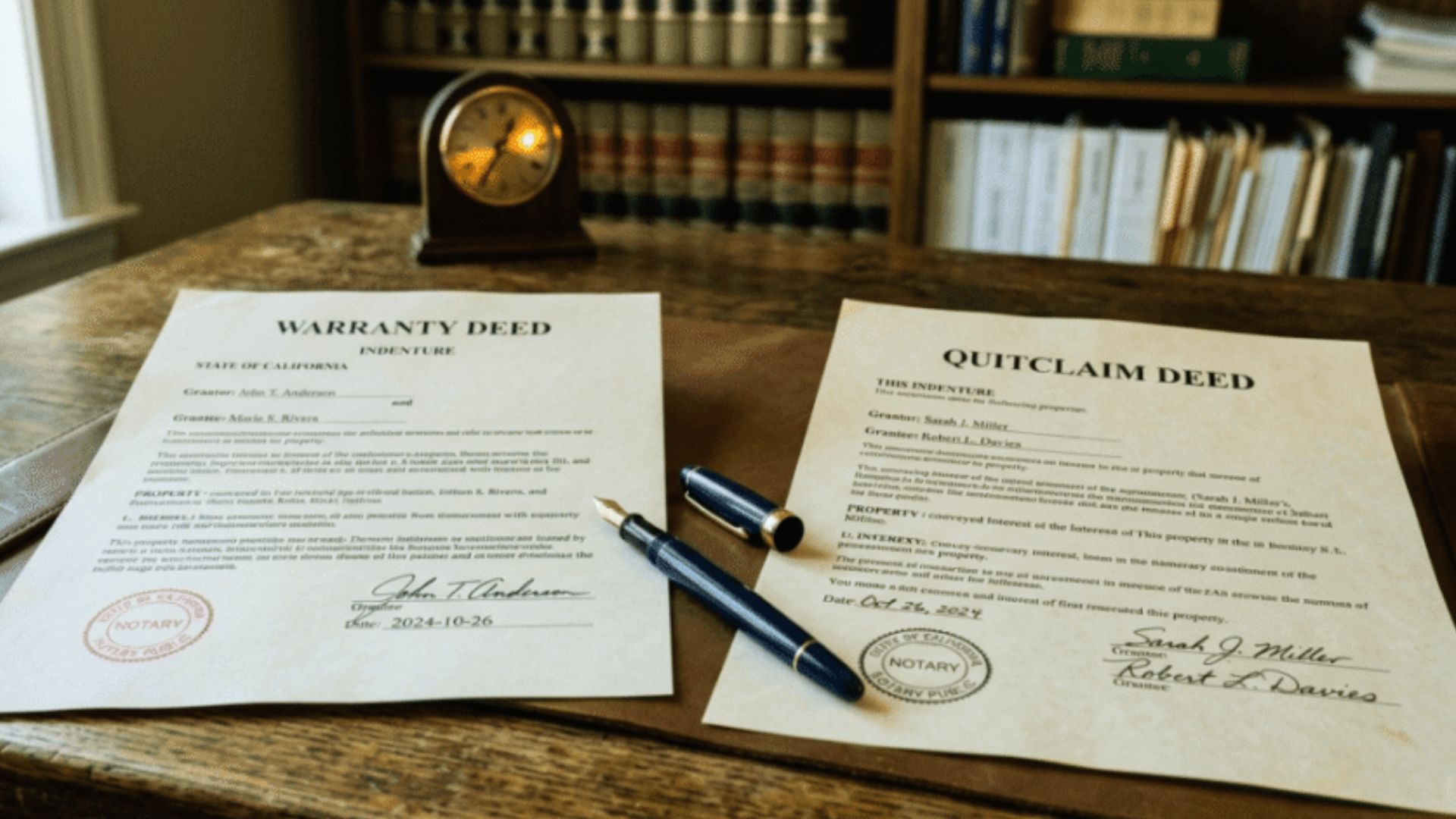
No. A warranty deed guarantees clear title, while a quitclaim deed offers no such promise.
Do I need a lawyer to file a quitclaim deed?
It's not required, but a real estate attorney can help you avoid costly mistakes.
Can a quitclaim deed be reversed?
Yes, but only if the person who received the property agrees to sign a new deed transferring it back. There's no automatic way to undo it.
Does the lender need to approve a quitclaim deed?
No, the lender isn't part of a quitclaim deed. But the mortgage itself still requires lender approval for any changes to who owes the debt.
What happens to the mortgage if the co-owner on the quitclaim deed dies?
The mortgage debt does not disappear.
The surviving borrower or the estate remains responsible for the loan until it's paid off, refinanced, or otherwise resolved.
Can I add someone to my mortgage using a quitclaim deed?
No. A quitclaim deed only affects the title.
Adding someone to the mortgage itself requires the lender's approval through refinancing or a formal loan modification.