Buying or selling a home is exciting, but the closing process can feel confusing. I know many people aren't sure who handles the legal paperwork or how to avoid costly mistakes.
That's where a real estate closing attorney can help. They make sure the property transfer follows the law, the documents are correct, and the closing moves forward without unnecessary delays.
In this guide, I'll walk you through what a real estate closing attorney does, when you may need one, how much they typically charge, and how they protect your interests during closing. Everything here is based on common real estate practices, so you can understand the process with more confidence.
What Does a Real Estate Closing Attorney Do?

A real estate closing attorney helps make sure your property purchase or sale is completed legally and without avoidable problems.
They review important documents, check that the property's title is clear, handle escrow funds when required, and oversee the signing of closing papers. They also work with buyers, sellers, lenders, real estate agents, and title companies to keep the transaction moving smoothly.
If any legal issue comes up before closing, they can help resolve it before ownership is transferred. Keep in mind that a real estate closing attorney's responsibilities can vary by state. Some states require an attorney for closings, while others allow title companies to handle the process instead.
Why You May Need a Real Estate Closing Attorney
Not every real estate transaction requires a real estate closing attorney, but having one can provide valuable legal protection and peace of mind. Some states, known as attorney states, require a licensed attorney to oversee or participate in the closing process. In other states, called title company states, a title company often manages the closing instead.
Even when an attorney isn't legally required, hiring one is a smart choice for more complicated transactions. They can help with commercial property purchases, estate sales, foreclosures, short sales, title defects, boundary disputes, and For Sale By Owner (FSBO) transactions.
An attorney can also review contracts, explain legal terms, resolve unexpected issues, and help prevent costly mistakes before the property officially changes ownership. This makes the closing process smoother and more secure for everyone involved.
Key Responsibilities of a Real Estate Closing Attorney

A real estate closing attorney manages several legal and financial tasks to help complete a property transaction safely and correctly. Their work starts before closing day and continues until the ownership transfer is officially recorded.
Conducts a Title Search
Before closing, the attorney reviews the property's title history to confirm the seller has the legal right to sell it.
They also check for unpaid liens, judgments, easements, or ownership disputes that could create problems later.
If any issues turn up, they work to resolve them before the transaction is completed.
Reviews and Prepares Legal Documents
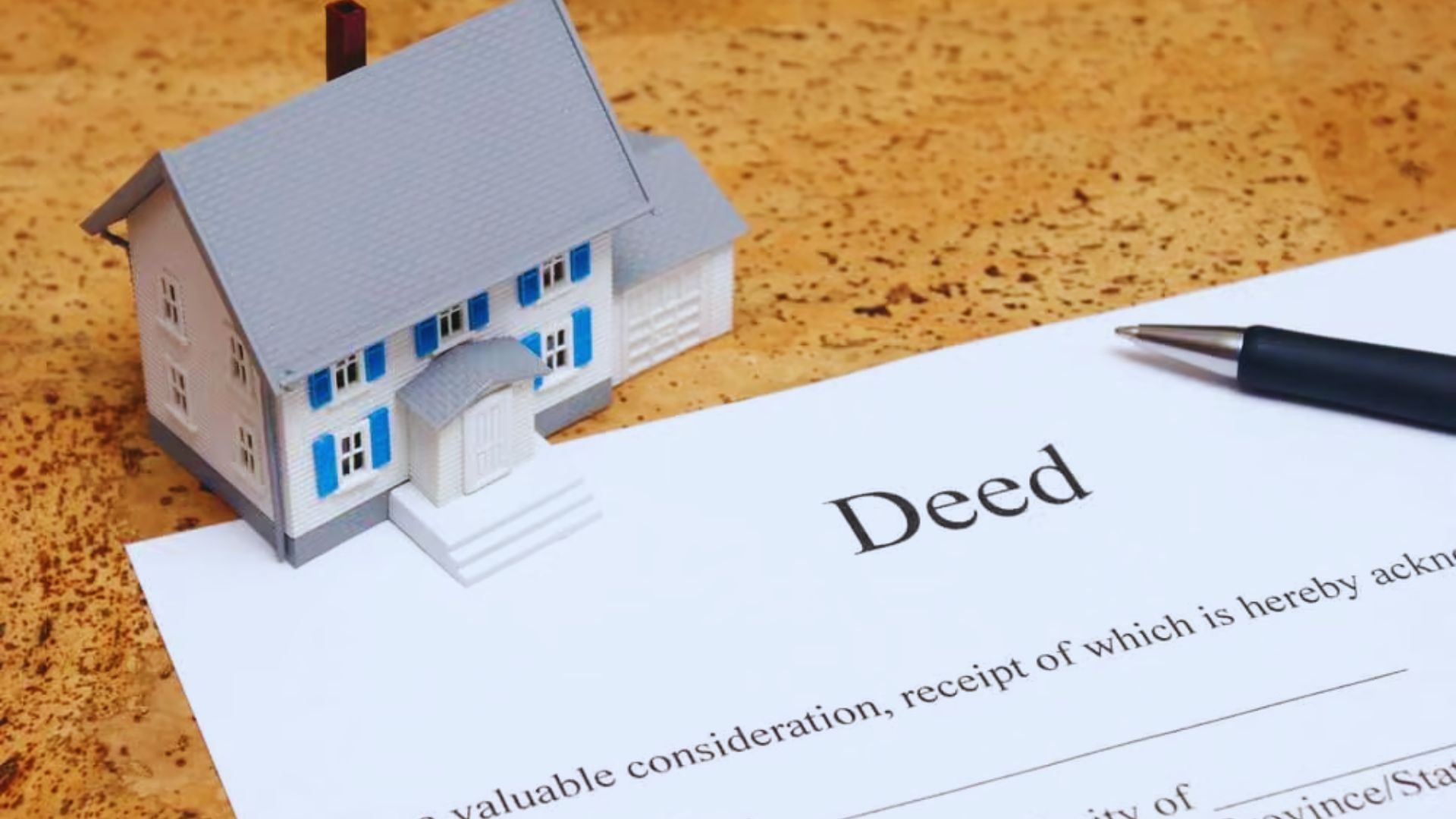
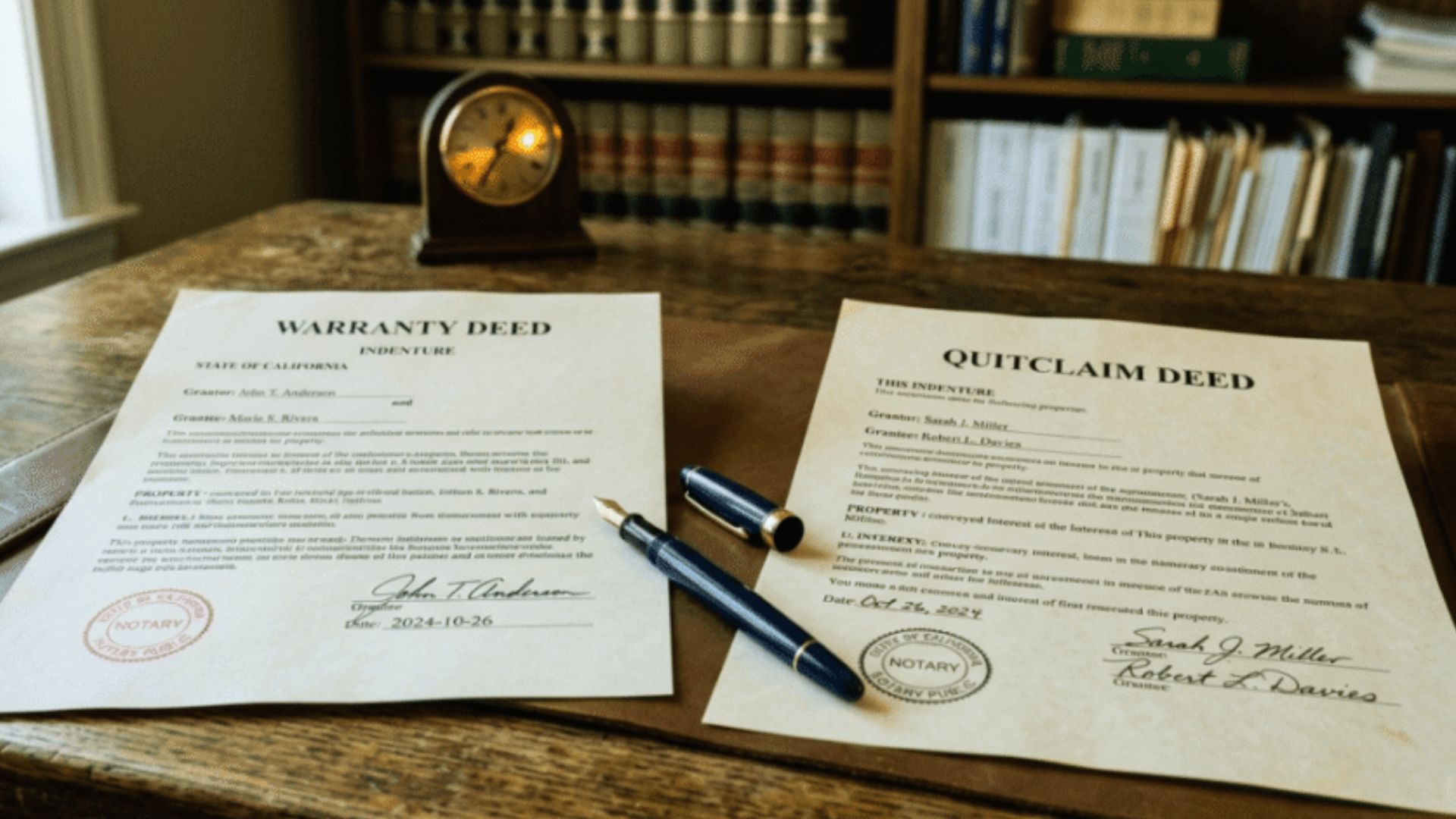
A closing attorney prepares and reviews important legal paperwork, including the purchase agreement, deed, mortgage documents, closing disclosure, and settlement statement.
They make sure every document is accurate, follows state laws, and reflects the agreed terms so buyers and sellers can sign with confidence.
Oversees the Closing Process
The attorney coordinates with buyers, sellers, lenders, real estate agents, and title companies to keep the closing on schedule.
During the appointment, they explain legal documents, answer questions, witness signatures when required, and make sure all paperwork is completed correctly before the transaction is finalized.
Handles Escrow Funds
In states where it's allowed, the attorney manages escrow funds to make sure money moves to the right place at the right time.
They receive deposits, pay off existing mortgages, liens, taxes, or other outstanding balances, and release the remaining funds to the appropriate parties only after all closing requirements have been met.
Records the Property Transfer
Once the closing is complete, the attorney files the signed deed with the appropriate county office.
This step officially records the change of ownership in public records and confirms that the buyer is now the property's legal owner, completing the transaction according to state requirements.
What Happens During the Closing Appointment?

The closing appointment is the final step where ownership of the property officially changes hands. Most closings follow a similar process, though the exact steps can differ depending on your state and the type of transaction.
The Consumer Financial Protection Bureau (CFPB) provides detailed guidance on the closing process and the Closing Disclosure, which helps borrowers review their loan terms and closing costs before completing the purchase.
- Before closing day: the attorney completes the final title review, prepares the required legal documents, confirms the lender's loan approval, and resolves any remaining issues.
- During closing: everyone signs the required documents, identities are verified, payments and closing costs are processed, and the attorney explains important paperwork if questions come up.
- After closing: once all documents are signed, the attorney records the deed with the county, files any required mortgage documents, distributes the funds to the appropriate parties, and provides copies of the completed paperwork.
The appointment itself is often over quickly, but careful preparation beforehand and proper follow-up after help make sure the transaction closes out smoothly and legally.
Real Estate Closing Attorney vs. Title Company
Both a real estate closing attorney and a title company play important roles in a property transaction, but their responsibilities differ.
| Feature | Real Estate Closing Attorney | Title Company |
| Primary Role | Provides legal guidance and oversees the closing | Manages the closing and title services |
| Legal Advice | Can provide legal advice | Cannot provide legal advice |
| Reviews Contracts | Yes | Limited |
| Prepares Legal Documents | Yes | Limited |
| Conducts Title Search | Yes | Yes |
| Resolves Title Issues | Yes | Limited |
| Handles Escrow Funds | Yes | Yes |
| Issues Title Insurance | Sometimes | Yes |
| Represents Your Interests | Yes | Neutral third party |
| Best For | Complex transactions or attorney states | Standard closings in title company states |
If your closing is straightforward and you're in a title company state, a title company alone may be all you need to get to the finish line.
Real Estate Closing Attorneys and Law Firms in the USA
If you're searching for a law firm to handle your property closing, several established firms across the United States provide real estate closing services for residential and commercial transactions.
- O'Kelley & Sorohan, Attorneys at Law (Georgia & Florida): Offers residential and commercial real estate closings, title services, builder representation, escrow, and real estate litigation.
- Thompson Law Group (Virginia & North Carolina): Handles residential and commercial closings, title examinations, escrow management, refinance transactions, and lender representation.
- Parkway Law Group (Georgia): Focuses on residential and commercial real estate closings, title insurance, escrow services, and lender transactions.
- Baillie & Hershman P.C. (Connecticut, Massachusetts, New York, and Maine, with nationwide reach through a partner title company): Serves clients across several states with residential and commercial closings, refinancing, title services, and settlement coordination.
- Boiko & Osimani, P.C. (Illinois): Provides real estate closing services, title clearance, contract review, and legal representation for residential and commercial properties.
These firms are well-known examples of attorneys that regularly handle real estate closings. Before choosing one, confirm that they serve your state, compare their fees and experience, and read recent client reviews to make sure they fit your needs.
How Much Does a Real Estate Closing Attorney Cost?
The cost of hiring a real estate closing attorney depends on several factors, including where the property is located, the type of transaction, and the services you need.
Many attorneys charge a flat fee for standard residential closings, while others bill by the hour for more complex cases. In some transactions, the attorney's fee is folded into the overall closing costs.
Commercial property deals, title disputes, or transactions with legal complications usually cost more because they need extra work. Since fees vary by attorney and location, ask for a detailed estimate before hiring one so you know exactly what's included and can avoid surprise expenses at closing.
Common Mistakes Buyers and Sellers Make
The closing process involves many legal and financial steps, and even small mistakes can lead to delays or extra costs. Avoiding these common errors can help your transaction move more smoothly.
- Waiting until the last minute: Leaving paperwork, document reviews, or financial tasks until the final days can delay closing and create unnecessary stress.
- Assuming every state has the same rules: Real estate closing laws differ from state to state. Always check your local requirements before moving forward.
- Not reviewing documents carefully: Read every document before signing. Even small mistakes in names, property details, or loan terms can cause problems later.
- Hiring based only on price: Choosing the least expensive attorney isn't always the best decision. Experience, communication, and knowledge of local real estate laws often matter more.
Taking a little extra time to prepare and review everything carefully can help you avoid delays and make your real estate closing a smoother experience.
Conclusion
Working with a real estate closing attorney can make the final stage of a property transaction much easier to understand. From reviewing legal documents to helping resolve issues before closing, their role is to support a smooth and legally sound transfer of ownership.
In my experience, knowing when legal help is needed saves time and cuts down on stress, especially since requirements can differ so much by state. Use what you've learned here to make informed decisions and ask the right questions before closing.
If this article helped, leave a comment, share it with others, or check out our related real estate guides for more practical tips.
Frequently Asked Questions
Can I change my closing attorney before the closing date?
Yes, you can usually change attorneys before closing, but doing so late in the process may cause delays and additional fees depending on your transaction.
Can a real estate closing attorney help with investment properties?
Yes. Many closing attorneys handle residential and investment property transactions, including rental homes, vacation properties, and multi-family real estate purchases.
Do closing attorneys help with refinancing a mortgage?
Yes. They often review refinance documents, oversee the signing process, and make sure the new mortgage is properly recorded after closing.
What documents should I bring to a real estate closing?
Bring a government-issued photo ID, proof of homeowners insurance if required, certified funds or payment confirmation, and any documents requested by your lender or attorney.
How early should I contact a real estate closing attorney?
It's best to contact an attorney soon after signing the purchase agreement so there's enough time to review documents and address any legal concerns before closing.