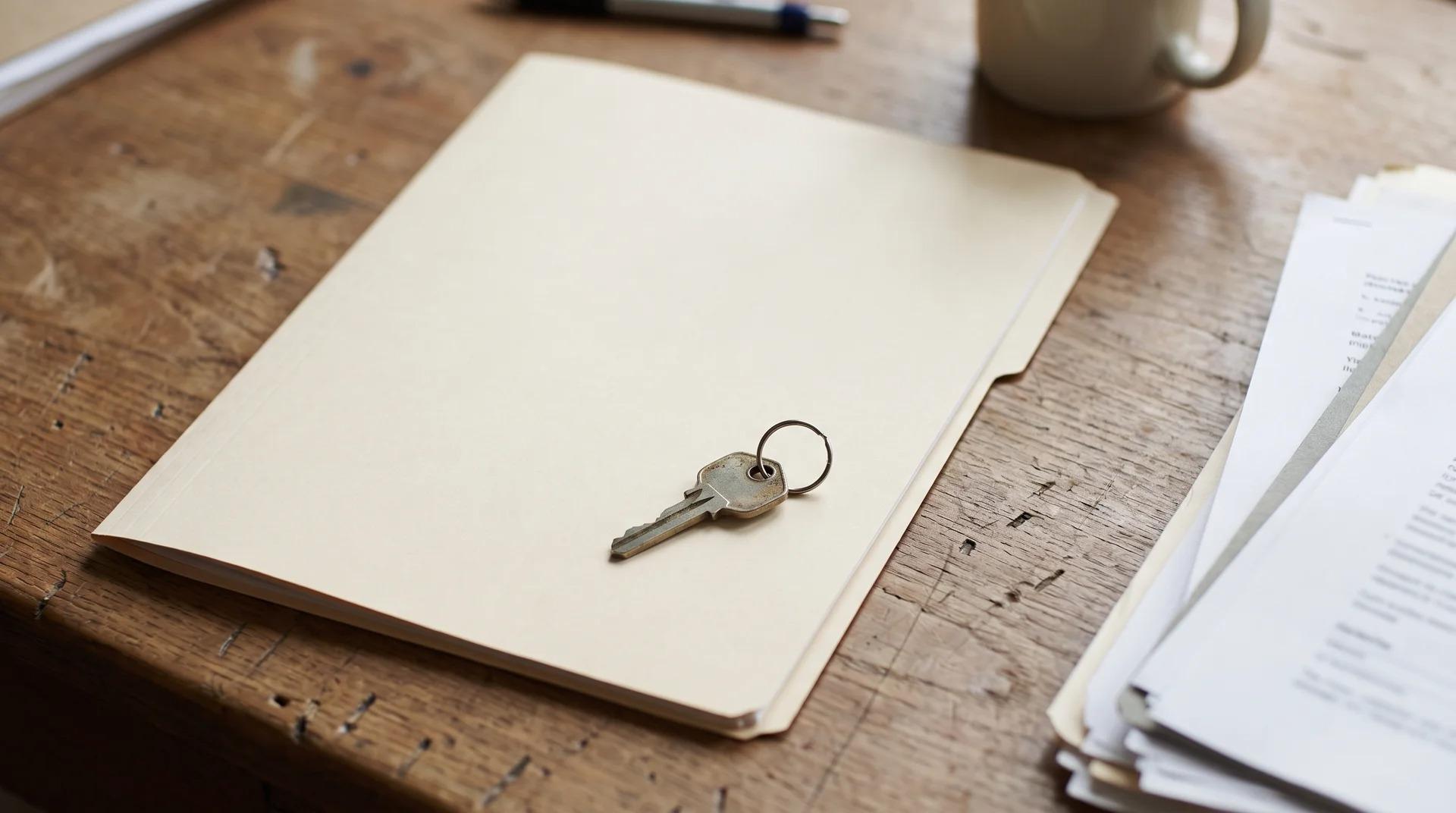
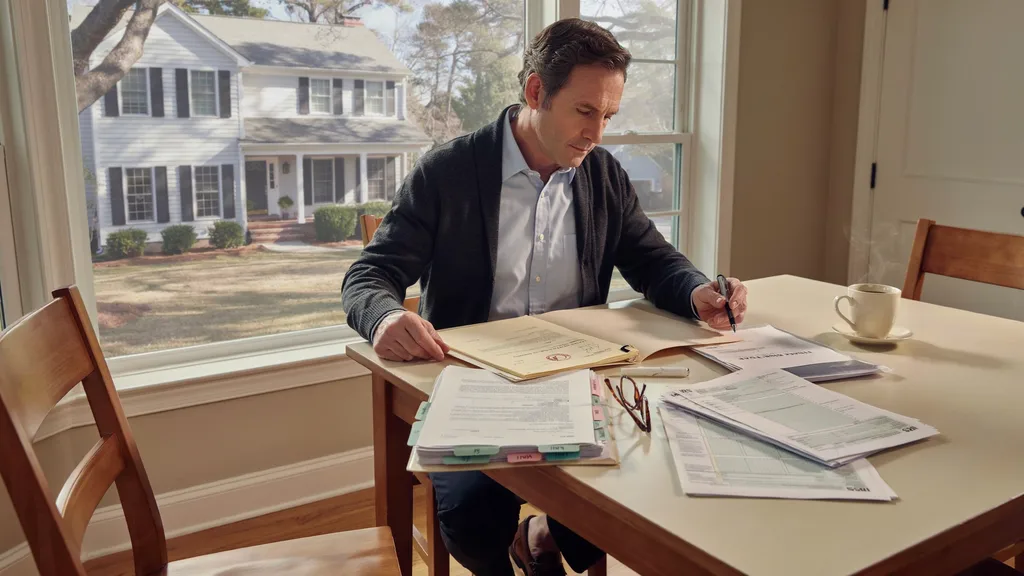
When someone passes away without leaving a will, it may seem natural for family members to begin clearing the home.
Removing personal belongings too soon, however, can create legal problems, delay estate administration, and lead to disagreements among heirs.
In most cases, household belongings become part of the estate, and state intestate succession laws determine who inherits them.
The probate court also decides who has legal authority to manage the estate. This guide covers who can legally handle estate property, what happens when someone dies without a will, and the correct steps to follow before anything is removed.
Can You Remove Items From a House After Death Without a Will?
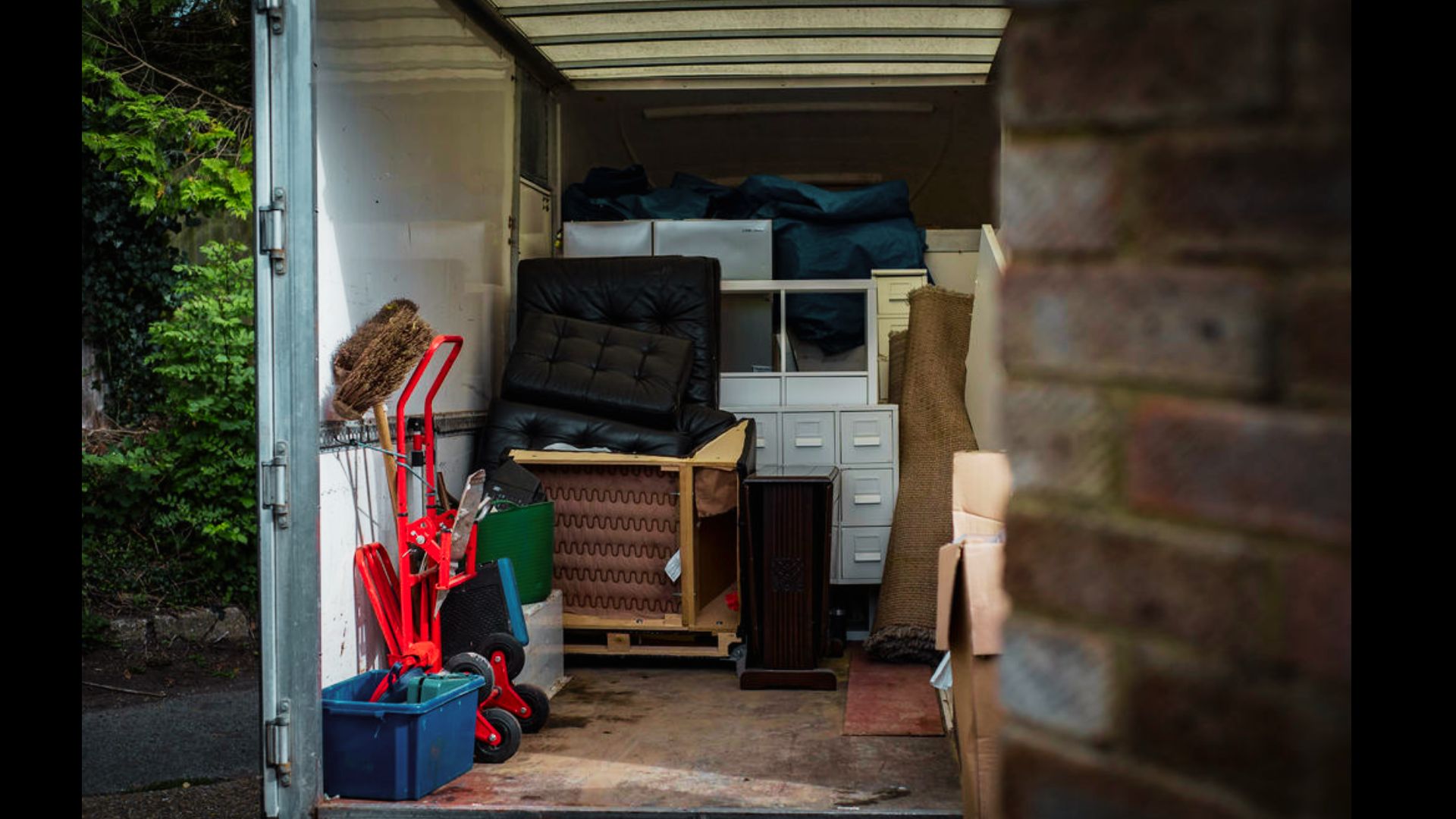
In most situations, the answer is no. Household belongings remain part of the deceased person's estate until someone receives legal authority to manage them.
Even close family members usually cannot remove, sell, donate, or give away property simply because they're related to the deceased.
The probate court typically appoints an estate administrator, sometimes called a personal representative in certain states, to collect, protect, and distribute estate assets.
Until that happens, personal belongings should stay in the home unless immediate action is needed to protect the property, such as securing valuables, preventing water damage, or removing items that create a safety risk.
Household furniture, jewelry, clothing, family heirlooms, collectibles, electronics, and personal documents are generally treated as estate assets. These items usually can't be divided among family members until the probate process allows distribution.
Removing property without legal authority can delay probate, create disagreements among heirs, and may violate state law.
Following the legal process helps ensure the estate is managed fairly and according to the applicable inheritance rules.
What Happens When Someone Dies Without a Will?
When a person dies without a valid will, the state's intestate succession laws determine who inherits the property and who has legal authority to manage the estate. Although the exact rules vary by state, the probate process generally follows the same steps.
Intestate Succession
In many states, property passes first to a surviving spouse, children, or other close relatives according to the legal order set by state law.
Some assets pass outside of probate entirely, regardless of whether a will exist, jointly owned property, life insurance policies with named beneficiaries, retirement accounts, and payable-on-death accounts typically transfer directly to the named person without going through probate.
Probate and Estate Administration
Most estates must go through probate before assets can be distributed.
During probate, the court reviews the estate, identifies legal heirs, confirms valid debts and creditor claims, and supervises the transfer of property according to state law. The court also officially appoints the estate administrator before assets can be distributed.
The estate administrator then secures estate property, prepares an inventory of assets, pays approved debts and taxes, communicates with creditors when necessary, and distributes the remaining belongings to the legal heirs once probate requirements are complete.
Probate timelines vary by state, but straightforward estates commonly take six months to a year; estates involving disputes or complex assets can take significantly longer.
Keeping this timeline in mind helps heirs understand why patience matters before belongings are removed or distributed.
Steps to Clear a House Legally
Following a clear process helps protect estate assets, satisfy probate requirements, and reduce the chance of disagreements among heirs. It also creates a clear record of estate property before anything is distributed or sold.
- Secure the property. Lock the home and collect all spare keys. Protect valuables from theft, damage, or unauthorized access. If the home will be vacant, inspect it regularly and keep insurance coverage active.
- Gather important documents. Collect property deeds, bank statements, insurance policies, tax records, loan documents, investment records, and account information, and store them in one secure location for the estate administrator.
- Create a home inventory. Prepare a complete inventory before moving or removing any belongings. Include furniture, electronics, jewelry, collectibles, heirlooms, and other valuable personal property, and photograph and record each item's condition for estate records.
- Identify valuable property. Separate high-value items such as jewelry, artwork, antiques, firearms, collectibles, and family heirlooms, and arrange a professional appraisal when an item's value is uncertain or significant.
- Pay debts before distribution. Pay approved estate debts, taxes, and valid creditor claims before distributing property. Sell estate assets only if additional funds are needed to satisfy legal obligations.
- Distribute or sell remaining items. Distribute belongings to legal heirs, or sell them, only after probate requirements have been completed. Keep detailed records of every distribution, sale, and receipt to help prevent future disagreements.
Small Estate Procedures and Timing

Before probate, the focus is on protecting the property. During probate, the administrator prepares an inventory, manages estate assets, and pays approved debts before distributing or selling property.
Once probate is complete and all estate obligations have been met, the remaining belongings can be distributed to legal heirs or sold according to state law.
Some states offer simplified small estate procedures for qualifying estates, which can shorten the process considerably.
These procedures are generally available when the total estate value falls below a certain dollar threshold, and that threshold varies widely by state, from as low as $25,000 in some states to $150,000 or more in others.
Checking your state's probate court website or consulting a local estate attorney can confirm whether your estate qualifies.
Common Mistakes to Avoid
Avoiding these mistakes can help protect the estate and reduce the risk of legal or family issues:
- Removing valuables before receiving legal authority
- Selling, donating, or giving away estate property too early
- Ignoring creditor claims or unpaid estate debts
- Failing to create an inventory of household belongings
- Throwing away important documents before reviewing them
- Assuming verbal promises override state intestate succession laws
- Distributing property without keeping written records
- Overlooking jointly owned assets that may pass outside probate
- Letting family disagreements delay the probate process
If belongings have already been removed from the home before the administrator was appointed, disclose the situation to the estate administrator as soon as possible.
Depending on the circumstances and state law, those items may need to be returned to the estate, or documented and accounted for as part of the distribution record.
Acting transparently and promptly is the best way to avoid more serious legal complications later.
Conclusion
Handling a loved one's belongings after death without a will requires patience and a clear understanding of the legal process involved.
Waiting for the estate administrator to receive legal authority, following probate requirements, and keeping accurate records can help protect estate assets and reduce disagreements among heirs.
Since probate and inheritance laws differ by state, reviewing the applicable rules before removing or distributing belongings is always a good idea.
If you found this guide helpful, share it with someone who may need it, leave a comment with your questions, or read our other estate planning articles for more practical guidance.
Frequently Asked Questions
Can someone clean the house before the estate administrator is appointed?
Basic cleaning to protect the property is generally acceptable. However, avoid removing, donating, selling, or discarding belongings until legal authority has been granted.
What should happen to important documents found in the house?
Store deeds, insurance policies, tax records, financial statements, and account information in a secure place and provide them to the estate administrator after appointment.
Are sentimental belongings treated differently from valuable property?
No. Family heirlooms and sentimental belongings are still considered estate assets and are generally distributed through the same legal process as other property.
Can utility services remain active during probate?
Yes. Keeping utilities active can help protect the property, prevent damage, and allow the estate administrator to maintain the home throughout probate.
What if no family member wants to serve as the estate administrator?
The probate court may appoint another qualified person, such as a trusted individual or a professional fiduciary, to manage the estate according to state law.