Selling a house in probate feels overwhelming when you are also dealing with grief and legal paperwork at the same time.
I know that because I’ve seen families go through it, and the ones who struggled most were the ones who didn’t know where to start.
This guide covers everything. Who owns the home, what happens if there’s a mortgage, whether heirs need to agree, how state laws differ, the biggest mistakes to avoid, and how a probate sale compares to a regular one.
I also share a real example so you can see how this plays out from start to finish.
By the end, you will know exactly what to do next.
What Does It Mean to Sell a House in Probate?
When someone dies, their estate goes through a court process called probate. The court confirms the will, settles debts, and transfers assets to the right people.
If the deceased owned a home, it stays part of the estate during this process. Selling it means the transaction happens under legal oversight, not just between a buyer and a seller.
The executor or court-appointed administrator manages the sale on behalf of the estate.
Who Owns the House During Probate?
The estate owns it. Not any individual heir.
Until probate closes, no single person has legal ownership. The executor acts as a manager, not an owner. They can maintain, list, and sell the home, but they cannot personally benefit at the expense of other beneficiaries.
If the home was jointly owned with right of survivorship, it passes directly to the surviving owner and skips probate entirely.
Can You Sell a House Before Probate Is Completed?
Yes, in most states you can. You do not need to wait for probate to fully close.
Once the court issues letters testamentary or letters of administration, the executor has legal authority to list and sell the property right away. The sale can close before probate ends.
However, the proceeds go into the estate account and stay there until the court approves the final distribution.
What you cannot do is sell before that legal authority is granted. Without it, no title company will process the transaction and no buyer’s lender will approve the loan.
Can an Executor Live in the House During Probate?
Technically yes, but it gets complicated quickly.
An executor can stay temporarily to maintain the property. But if they live there rent-free for an extended period, other heirs can challenge that as a breach of fiduciary duty. The executor’s job is to act in the best interest of all beneficiaries.
If you are the executor and want to live there, talk to your probate attorney first. Some estates allow it under specific conditions, but everything needs to be documented.
What Happens If the House Has a Mortgage?
The mortgage does not disappear when someone dies. It becomes the estate’s responsibility.
The executor must keep up with payments during probate to avoid foreclosure. If the estate lacks the funds to cover it, selling quickly becomes a priority.
When the sale closes, the mortgage gets paid from the proceeds before anything goes to the heirs.
If the home is underwater, meaning the mortgage is more than the home is worth, the estate may need to negotiate a short sale with the lender.
Do All Heirs Have to Agree to Sell?
Not always. This depends heavily on your state and whether a valid will exists.
If there is a will granting the executor authority to sell, that executor can typically proceed without every heir’s approval. Heirs can object through court, but they need legal grounds to do so.
If there is no will, some states require all heirs to consent before the sale moves forward. Others allow the court to override objections if the sale clearly serves the estate’s best interest.
The safest move is to involve all heirs early. Disputes slow everything down and add legal costs that eat directly into what everyone receives.
Step-by-Step Guide to Selling a House in Probate
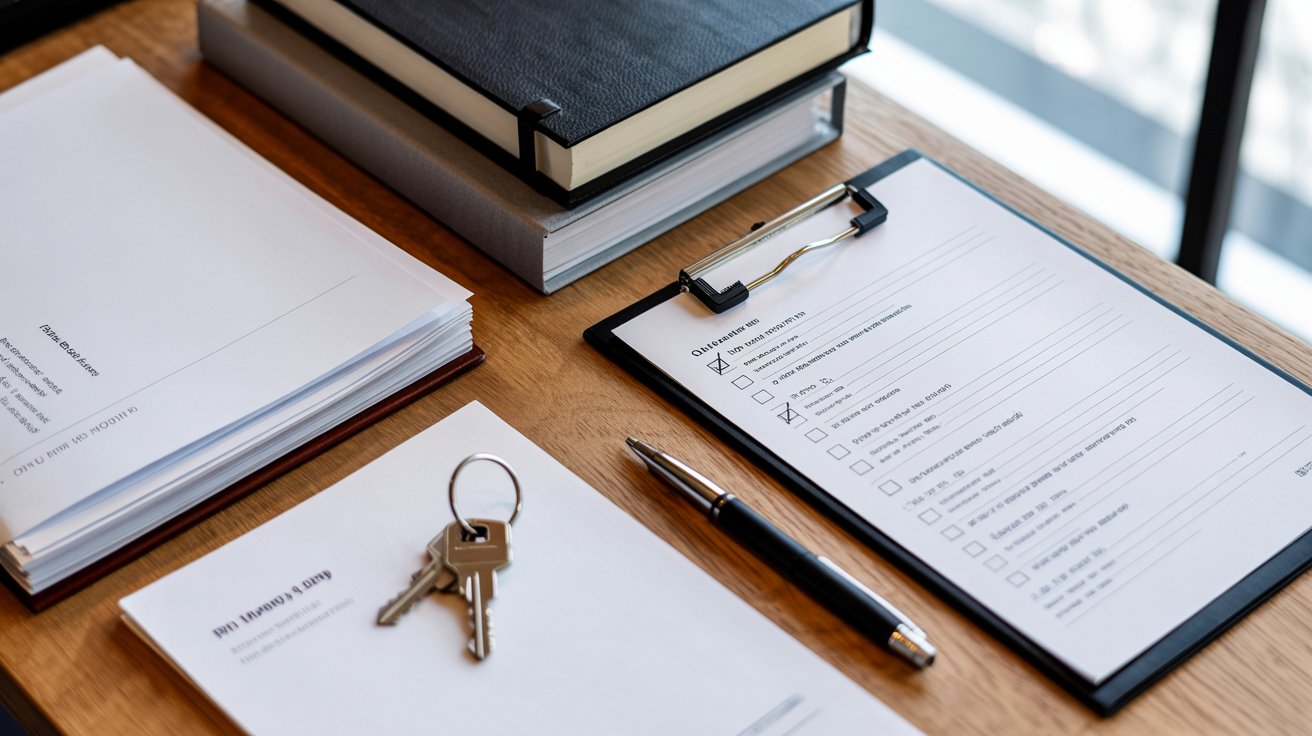
Follow these eight steps in order and you will avoid the most common delays that hold probate sales back.
Step 1: Confirm Executor Authority
Get your letters testamentary or letters of administration from the court. Nothing moves without this document.
Step 2: Get the Property Appraised
A licensed appraisal sets fair market value. Most states require it. It also protects the estate from claims that the home sold below value.
Step 3: Secure and Prepare the Home
Change the locks, pay the utilities, and handle basic repairs. A neglected home draws lowball offers.
Step 4: Hire a Probate Real Estate Agent
Find someone who has handled probate listings before. They understand court timelines and local rules that a general agent might not.
Step 5: List the Property
Price it based on the appraisal. Realistic pricing attracts serious buyers and holds up under court review.
Step 6: Accept an Offer
Review each offer carefully. In some states, the accepted offer gets published publicly and other buyers can outbid it at a court hearing.
Step 7: Court Confirmation (If Required)
A judge reviews the sale to confirm the price is fair. Be ready for competing bids.
Step 8: Close the Sale
Once approved, the sale closes. Proceeds go into the estate account, debts get paid first, then the remainder is distributed to heirs.
Quick Checklist for Selling a House in Probate
Use this to track where you are in the process.
- Receive letters testamentary or letters of administration
- Hire a probate attorney
- Order a professional appraisal
- Secure the property and handle basic maintenance
- Hire a probate-experienced real estate agent
- List the property at a fair price
- Review and accept an offer
- Attend court confirmation hearing if required by your state
- Close the sale and distribute proceeds
A Real Example: How One Family Sold a Probate Home in 7 Months
A family in Ohio lost their father in early 2022. He owned a three-bedroom home with no mortgage. His daughter was named executor.
Month one: She filed for probate and received her letters within three weeks. She hired a probate attorney and a local agent with probate experience right away.
Month two: The home appraised at $240,000. She made minor repairs and listed it at $235,000.
Month three: Two offers came in. She accepted one at $229,000 and filed for a court confirmation hearing.
Month five: The hearing was held. No competing bids appeared. The judge approved the sale.
Month seven: The sale closed. After attorney fees, court costs, and utility arrears, the remaining amount was split among three heirs.
The biggest challenge wasn’t the court. It was keeping all three heirs aligned on price. Two wanted to list higher. One wanted to sell fast.
Getting everyone on the same page early was what made the difference.
Probate Sale vs. Traditional Sale
Knowing the differences upfront helps you set the right expectations for buyers, heirs, and yourself.
| Factor | Probate Sale | Traditional Sale |
| Timeline | 4 to 12+ months | 30 to 90 days |
| Court involvement | Often required | None |
| Buyer pool | Smaller, often investors | Broad |
| Pricing flexibility | Limited by appraisal | Fully flexible |
| As-is selling | Very common | Optional |
| Costs | Higher due to legal fees | Standard commissions |
| Risk of delays | High, heir disputes or court | Low to moderate |
| Buyer competition level | Lower, fewer conventional buyers | Much higher |
Probate sales take longer and carry more legal steps. But the stepped-up tax basis often offsets those added costs for heirs in higher tax brackets.
Probate Laws by State: What Changes Where You Live
State laws vary significantly and this is where many executors get tripped up.
Court confirmation: Some states may require a formal court hearing before a probate sale closes. Whether this applies often depends on how the executor’s authority was granted and what type of administration was opened.
Independent administration: Several states allow executors to sell without a court hearing if they were granted independent authority. This can cut months off the timeline. California’s Independent Administration of Estates Act is one well-known example, though even within California, the rules depend on how the estate was opened.
Simplified probate: Many states offer a streamlined process when the estate falls below a certain dollar threshold. These smaller estates often move through the system far faster than a full probate proceeding.
Timeline differences: Some states average four to six months for a probate sale. Others routinely take twelve to eighteen months depending on court backlogs and estate complexity.
Because the rules shift significantly by state and even by county, always confirm the specific process with a local probate attorney before you take any action.
How Long Does It Take to Sell a House in Probate?
On average, four to twelve months.
Simple estates in states that allow independent administration can close faster.
Court confirmation adds time. Heir disputes, title problems, or unresolved liens can push a timeline past a year.
Set realistic expectations early. Communicate them clearly to all heirs.
Costs Involved in Selling a Probate Property
Plan for probate attorney fees, court filing fees, the home appraisal, real estate agent commissions, repair or cleaning costs, and ongoing carrying costs like property taxes and utilities during the listing period.
Some states cap attorney fees. Others charge a percentage of the estate’s gross value. Get a full cost estimate upfront so there are no surprises at the closing table.
Taxes When Selling a House in Probate
Federal estate taxes apply only to estates above roughly $13 million. Most families won’t reach that level.
For heirs, the stepped-up basis rule matters most. It resets the home’s cost basis to its value at the date of death.
If the home was worth $300,000 when the owner died and you sell it for $310,000, you only owe capital gains on $10,000, not the full appreciation from the original purchase price.
State inheritance taxes vary. Talk to a tax professional before the sale closes.
Can You Sell a Probate House As-Is?
Yes. Selling a probate home as-is is completely legal and very common.
Most probate properties sell without repairs or updates because the executor is managing someone else’s estate, not their own home.
There is often no budget, no time, and no clear agreement among heirs about what improvements to make.
Cash buyers and real estate investors actively look for probate listings. They are comfortable with as-is condition, familiar with the legal process, and far less likely to back out than a conventional buyer financing the purchase.
If speed matters more than top dollar, an as-is cash sale is often the most practical path.
Selling a House in Probate Without Court Approval
Some states allow executors to sell without a court hearing under independent administration laws.
Ask your attorney early on if this option exists in your state.
When it does, it can remove one to three months from the process entirely.
Biggest Mistakes When Selling a Probate House
These are the ones that cause the most damage.
Selling before legal authority is confirmed. No title company will process the deal and no lender will approve a buyer without verified executor authority.
Overpricing the home. Emotional attachment often pushes heirs to list above market. Overpriced probate homes sit longer and attract fewer serious buyers.
Ignoring heir communication. Surprises create disputes. Keep every heir informed at every stage, even when there is nothing major to report.
Skipping probate-experienced professionals. A general agent or non-specialist attorney can miss court-specific requirements that delay or kill the deal.
Letting the home sit vacant too long. Empty homes attract damage, theft, and liability. Keep the property maintained and insured throughout the entire listing period.
Common Challenges When Selling Probate Property
Heir disagreements top the list. When multiple people inherit a home and can’t agree on price or timing, the sale stalls hard.
Unpaid liens, back taxes, or title issues can block closing entirely. These must be resolved before any sale can proceed.
Some conventional buyers walk away when they learn the home is in probate. Cash buyers and investors are far less likely to back out.
Tips to Sell a Probate House Faster
Small decisions made early can save months later.
Here is what actually moves the needle:
- Get your probate attorney involved from day one, not after a problem surfaces
- Price the home based on the appraisal, not on what heirs hope to receive
- Keep the home clean, maintained, and insured throughout the listing period
- Align all heirs on price and timeline before the home goes live
- Consider a cash buyer or investor if closing speed is the top priority
- Respond to offers quickly and avoid letting deals sit without communication
- Ask your attorney whether independent administration applies in your state
Should You Sell or Keep a Probate Property?
Selling makes sense when the home carries debt, when heirs need cash, or when no one wants the long-term responsibility of managing it.
Keeping it makes sense when one heir plans to live there, when the rental income is strong, or when the family is not ready to let go.
Talk to a financial advisor and your probate attorney before deciding. Make sure every heir is genuinely aligned before anything gets signed.
Conclusion
Selling a house in probate is a process, not a crisis.
I hope this guide gave you a clear look at what’s involved from start to finish, including the legal steps, state differences, tax rules, and the mistakes that slow most families down.
The families who get through this smoothly have one thing in common. They start early, hire the right professionals, and keep communication open with everyone involved.
Every estate is different. But the core steps stay the same. Confirm your authority, get the appraisal, hire the right people, and price the home fairly.
If you want to avoid delays or costly mistakes, consider speaking with a probate specialist before listing the home.
And if you are ready to move forward, start by confirming your executor authority and speaking with a probate attorney today.
The sooner you begin, the faster this gets resolved for everyone involved.
What part of the probate sale process feels most unclear to you right now?
Frequently Asked Questions
Can you sell a house in probate without a real estate agent?
You can, but it carries real risk. A probate-experienced agent understands court requirements, pricing rules, and how to attract the right buyers without delays.
What if the deceased had no will and owned a house?
The court appoints an administrator to manage the estate. That person follows intestate succession laws to determine who inherits the sale proceeds.
Can the estate be forced to sell the house?
Yes. If the estate has more debt than liquid assets, the court can order the home sold to satisfy creditors before heirs receive anything.
What is the difference between a probate sale and a short sale?
A probate sale involves a deceased person’s estate. A short sale involves a living owner selling for less than the mortgage balance. Both require third-party approval, but the legal processes are completely different.
Does a probate sale affect the buyer’s ability to get a mortgage?
Most lenders will finance a probate purchase. The main issue is timing. Buyers need lenders comfortable with extended closing windows and flexible rate lock terms.