Selling a home is stressful enough. Add an encroachment issue, and things can feel even more confusing.
This guide walks you through what encroachment means, how it affects a sale, and what you can do about it.
You will learn how to spot problems early, fix them the right way, and sell with confidence even if the issue stays unresolved.
Encroachment issues come up more than most sellers expect, especially in older neighborhoods where surveys were never updated.
Once you understand your options, the path forward gets a lot clearer. My goal is simple. Help you sell your property without stress or surprises.
What Is Property Encroachment?
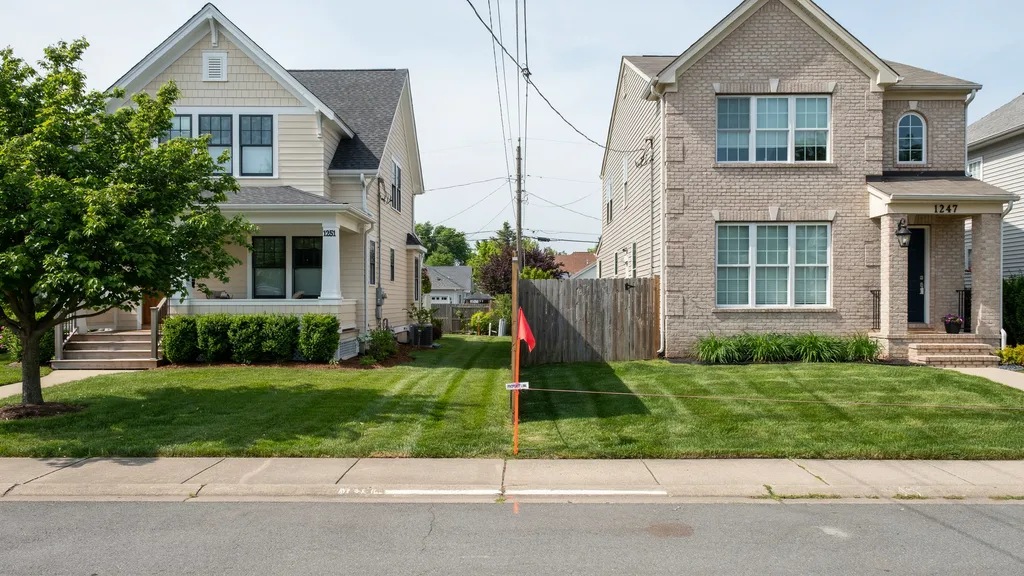
An encroachment happens when a structure or object crosses onto a neighbor's land without permission.
Property encroachment happens when something like a fence, driveway, shed, or even tree branches crosses over from one property onto another.
It usually happens by accident, not on purpose. Someone builds a fence a few feet off, or a garage sits closer to the property line than the survey allows.
Encroachment is not the same as an easement or trespass. An easement is a legal right to use part of someone else's land.
Trespass is entering land with no legal claim at all. Encroachment sits in between, since it usually happens by mistake.
Encroachments can be minor or major too. A garden bed that crosses the line by a few inches is minor.
A garage, deck, or addition sitting on the neighbor's land is major and much harder to ignore.
This matters a lot when you sell your home. Buyers want a clear title and clean boundaries. An encroachment can raise red flags during inspection or title review.
It does not always mean the sale falls apart. But it does mean you need to handle it the right way.
How Property Encroachments Happen

Most encroachments start with small mistakes made years before the home ever goes up for sale.
Survey or Boundary Errors
Old surveys can be wrong or outdated in ways that are not obvious until someone looks closely.
Property lines shift on paper even when nothing moves on the ground, and surveys conducted decades ago may have used less precise equipment or incomplete records.
As neighborhoods develop and parcels get subdivided over time, the original boundary descriptions can become harder to interpret or even contradictory.
This is one of the most common causes of encroachment, and it often goes undetected for years because no one orders a new survey until a sale forces the issue.
When the discrepancy finally surfaces, it can affect not just your property but neighboring lots that relied on the same flawed baseline.
Fence, Driveway, or Building Placement Mistakes
A contractor builds a fence or driveway using rough measurements or visual estimates instead of commissioning an actual survey, and sometimes without checking local setback rules either.
At the time, the error may seem trivial or simply go unnoticed by everyone involved.
Over the years, that small miscalculation quietly becomes a legal issue as the structure becomes permanent and the assumption of correct placement hardens.
Nobody raises a concern until a sale or a new survey brings the true boundary line to light.
By that point, the structure may have stood for decades, making removal or relocation costly and sometimes contentious with a neighbor who has grown accustomed to the arrangement.
Landscaping and Tree Encroachments
Trees, hedges, and garden beds can gradually grow past the property line over many years without anyone noticing or intending for it to happen.
Roots spreading underground and branches extending overhead count as encroachments too, even when no one deliberately planted anything near the boundary.
The slow and natural pace of growth makes this kind of encroachment particularly easy to miss until it has become well established and more difficult to address.
In some cases, removing or trimming the vegetation requires neighbor cooperation or even a court order if the other party disputes responsibility.
What started as a sapling planted in good faith can become a source of genuine legal friction by the time the property changes hands.
Informal Agreements Between Neighbors
Some neighbors work out an informal arrangement to share space, ignore a small overlap, or look the other way on a boundary issue that both parties find easier to leave alone.
These handshake agreements often hold up fine for years while the same people live next door to each other and maintain a friendly relationship.
Without any written documentation, however, the agreement carries no legal weight once the home changes hands.
The new owner or an incoming buyer may not honor the same understanding, and in many cases they are under no obligation to do so. What felt like a settled situation for years can quickly become a dispute the moment a new party enters the picture with no knowledge of or attachment to the prior arrangement.
Public and Government Encroachments
Sometimes the encroachment has nothing to do with a neighbor at all.
Public sidewalks, utility corridors, drainage easements, or government infrastructure can overlap with your yard in ways that were never clearly communicated to you when you bought the property.
Cities and municipalities do not always proactively notify homeowners when these overlaps exist.
And many sellers are genuinely unaware of them until a title company flags the issue during a transaction.
While local governments rarely pursue enforcement against individual homeowners over these overlaps, the encroachment still appears on title review and can complicate the sale.
Understanding whether any public or government interest affects your boundary lines is an important part of preparing your property for a clean and straightforward closing.
Can You Sell a Property With Encroachment?

Yes, you can sell a property with an encroachment, but you must follow certain legal steps first.
Is It Legal to Sell?
In most cases, yes, you can legally sell a home with an encroachment. There is no law that stops the sale itself.
The encroachment only becomes a problem if you fail to tell the buyer about it.
Disclosure needs to happen before the buyer signs, not after. Most states require this on a standard seller disclosure form filled out early in the listing process.
Waiting until later in escrow to bring it up can void the contract.
Situations That Can Delay or Stop a Sale
Some buyers walk away if the issue looks too risky or unresolved. Lenders may also refuse to approve a mortgage until the encroachment gets resolved.
This can stall a closing for weeks or longer.
How Encroachment Affects Property Sales
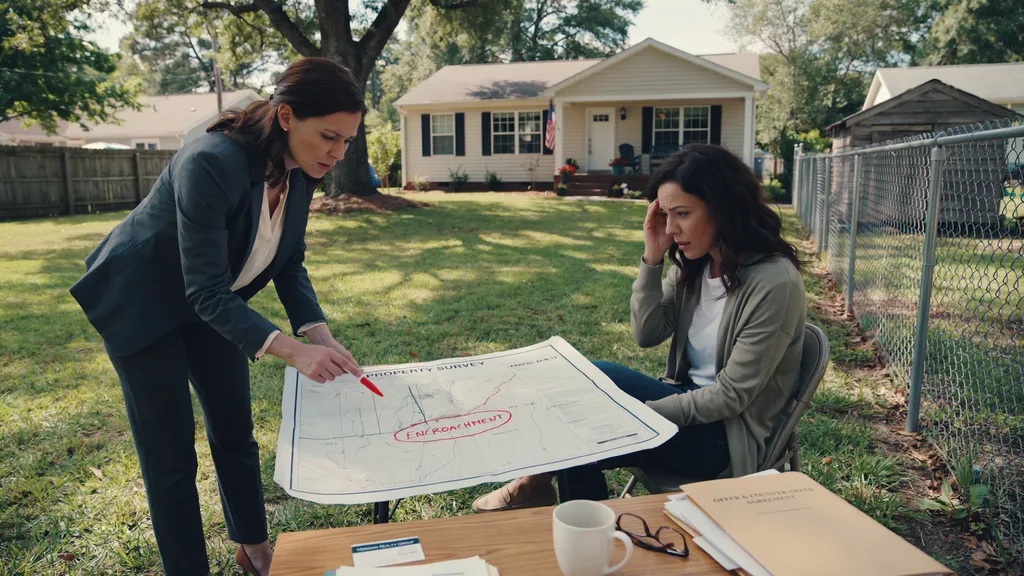
An encroachment can lower your home's value and slow down the closing process.
Impact on Property Value
Buyers often see encroachment as added risk the moment they review a listing, and that perception directly influences how much they are willing to offer.
Even a minor boundary issue can trigger doubt about what else might be wrong with the property, which causes some buyers to lowball or walk away entirely.
The size of the impact on value depends on the severity of the encroachment, whether it involves a structure, and how easily it can be resolved.
A clear, straightforward explanation of the issue paired with a fair and well-justified price can go a long way toward easing buyer concerns.
Buyers are far more likely to move forward confidently when they feel they have been given the full picture rather than discovering problems on their own during due diligence.
Buyer Concerns and Negotiations
Once a buyer learns about an encroachment, expect them to ask detailed questions about its history, current status, and what resolving it would realistically involve.
Many buyers will use the encroachment as a basis to request a price reduction, sometimes significantly below what they might otherwise have offered.
Others may make their offer contingent on you resolving the issue before closing, which can add time and cost to the process.
Having documentation ready, such as a recent survey, correspondence with the neighbor, or a legal opinion.
Shows buyers that you have taken the issue seriously and understand it thoroughly.
Open, honest communication throughout the negotiation typically keeps the deal moving and prevents the kind of last-minute friction that causes transactions to fall apart.
Mortgage and Title Insurance Issues
Lenders and title companies examine boundary problems very carefully before approving financing.
As encroachment can affect the collateral value of the property they are lending against.
An unresolved issue can slow down underwriting, trigger additional review requirements.
Or block the loan from being approved altogether if the lender considers the encroachment a material risk.
Title insurance adds another layer of complexity, because the title company may choose to list the encroachment as a specific exception in the policy.
That exception means the insurer will not cover any future costs tied to that particular boundary problem, leaving the buyer exposed to potential legal or financial consequences down the road.
Buyers and their agents often push back hard when they see encroachment exceptions in a title commitment.
So addressing the issue before listing can prevent this from becoming a sticking point late in the transaction.
Survey and Closing Delays
Encroachment issues frequently require a new or updated survey before the sale can move forward.
Especially if the existing survey is outdated or does not clearly show the boundary in question.
Ordering, completing, and reviewing a survey takes time, and depending on how busy local surveyors are, it can add several weeks to your closing timeline.
If the survey reveals a more complicated problem than expected, additional steps such as legal review, neighbor negotiations, or municipal involvement can extend that timeline further.
Title companies and lenders may also require resolution documentation before they will issue a clear commitment or approve final financing.
Planning ahead by ordering a survey early, identifying potential issues before going under contract.
And consulting an attorney if needed gives you the best chance of keeping the closing on schedule.
How to Identify an Encroachment Before Listing
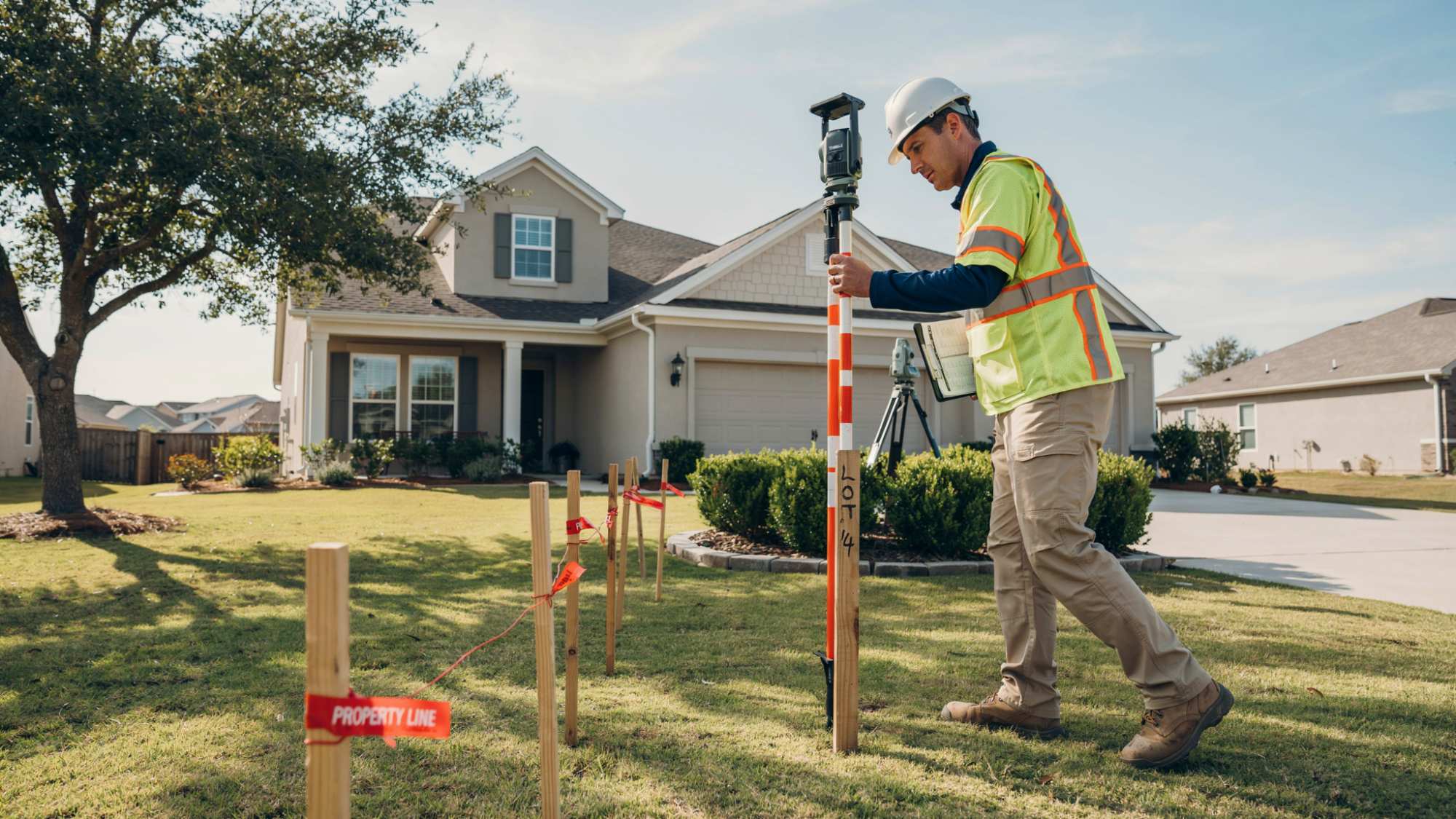
Catching an encroachment early gives you more time and more options to fix it.
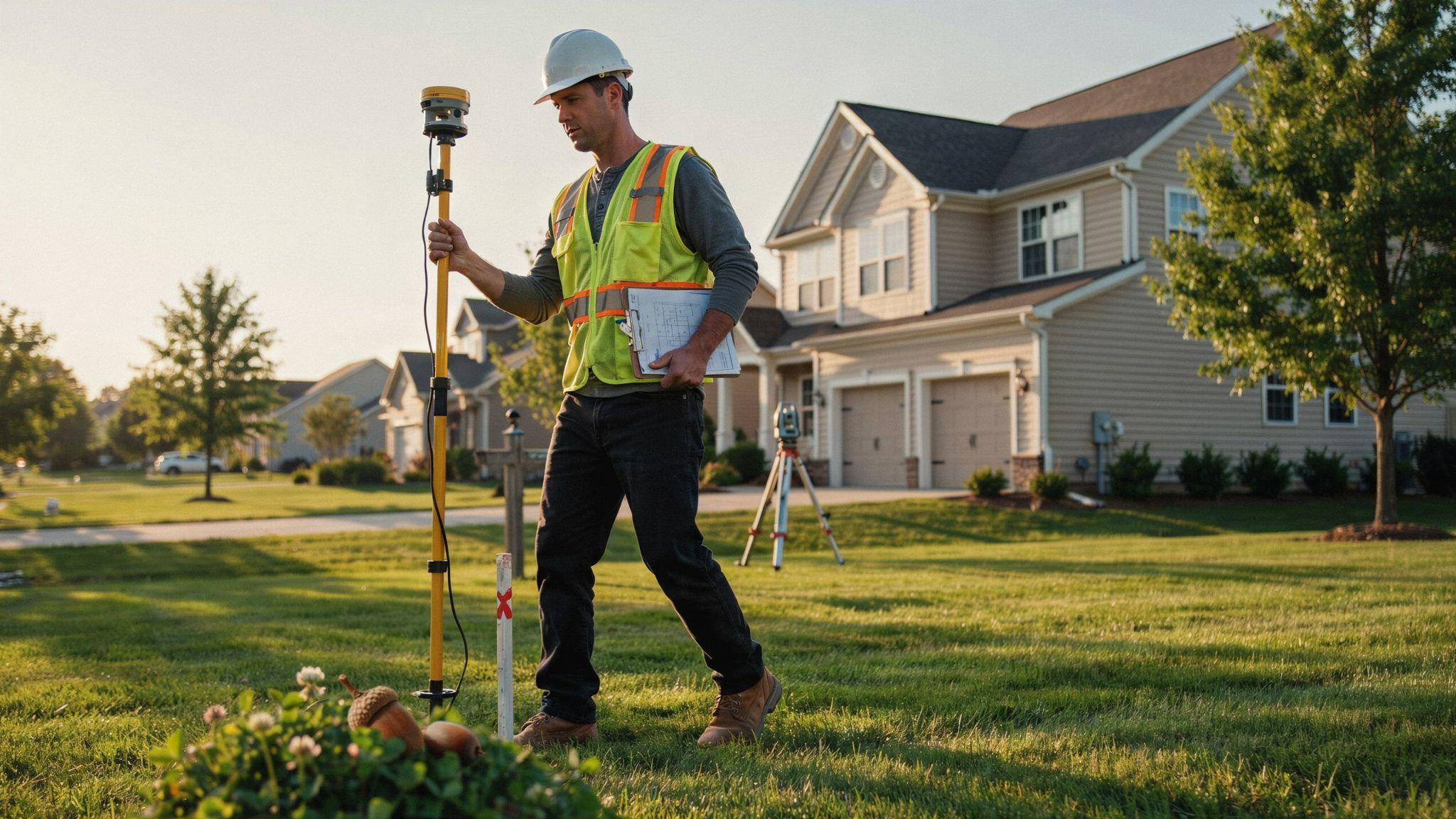
Order a Professional Land Survey
- A fresh survey from a licensed surveyor shows exactly where your property lines sit today
- This is the clearest way to spot a problem before a buyer does
- It also gives you documentation to share with buyers, agents, and title companies during the sale
- Having a recent survey on hand can speed up the closing process and reduce buyer hesitation
Review Property Records and Plats
- Public records often show old boundary lines and past disputes tied to your property
- These records help you understand the full history behind any issue before it surfaces during a sale
- This step can save you from surprises that come up during title review or buyer due diligence
- Your county recorder or assessor's office is usually where these documents are stored
Inspect Fences, Structures, and Driveways
- Walk your property and compare what you see on the ground to the survey line by line
- Look for anything that crosses the boundary, even slightly, including fences, sheds, paving, and overhanging structures
- Small overlaps are easy to miss without a careful and deliberate check
- If something looks close to the line, have a surveyor confirm rather than guessing
Consult a Real Estate Attorney if Needed
- An attorney can explain your rights and options based on your specific state's laws
- This step matters most when the issue looks complicated or a neighbor disagrees about the boundary
- Getting legal advice early can prevent much bigger and more expensive problems down the road
- An attorney can also help you draft disclosure language that is accurate and legally sound
Ways to Resolve Property Encroachment
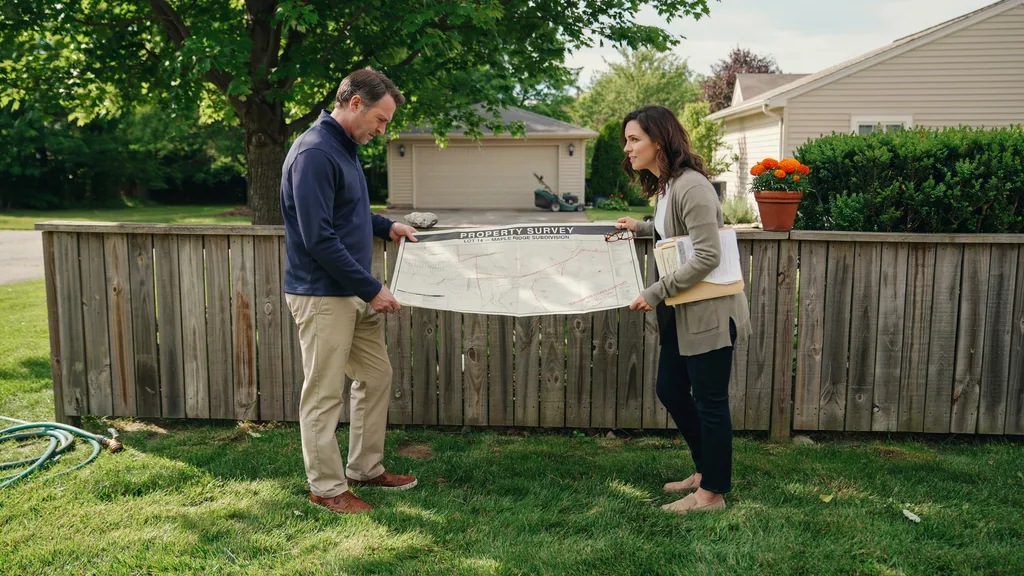
Most encroachment issues can be fixed through a few common legal or practical solutions.
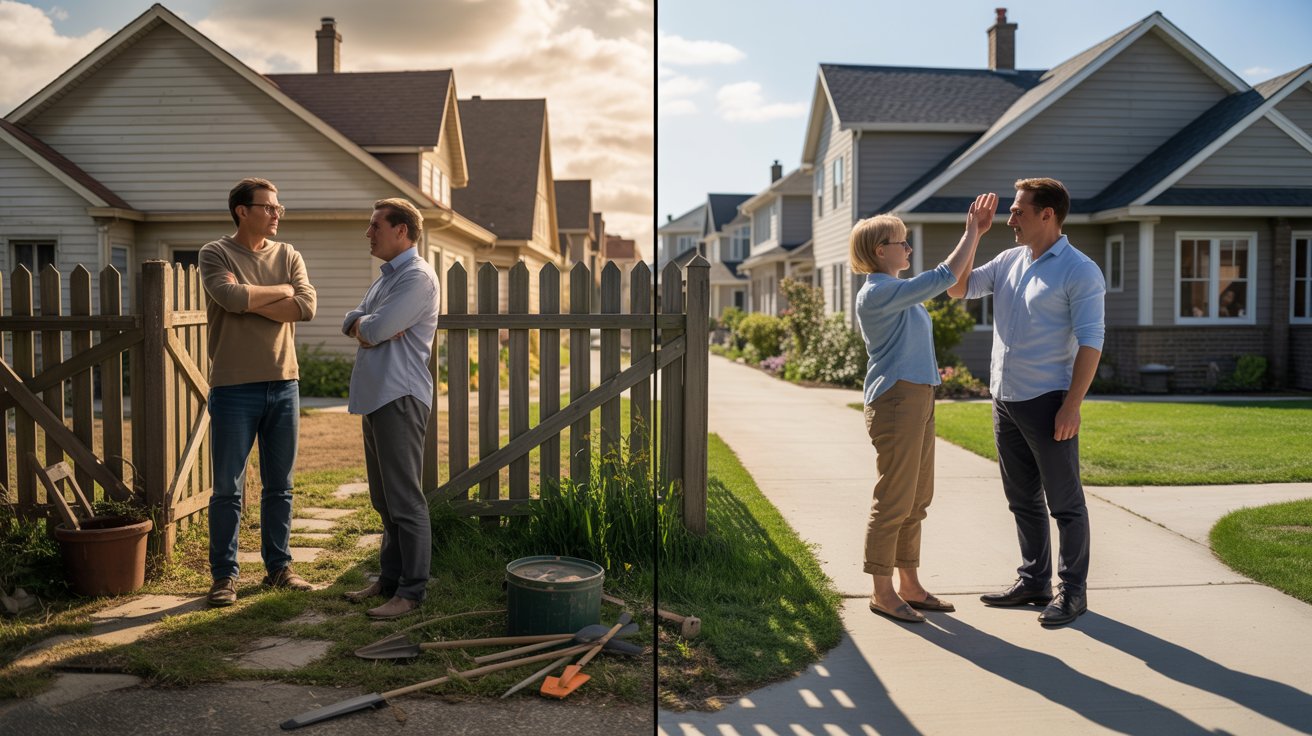
Negotiate With the Neighboring Property Owner
A simple conversation can solve many encroachment issues without added stress. If talks stall, a real estate mediator can help both sides reach a fair agreement without going to court.
Neighbors often prefer a fair solution over legal trouble. This is usually the fastest and cheapest option available.
Remove or Relocate the Encroaching Structure
This fixes the issue directly and removes any doubt for future buyers. It can cost money, but it clears the path for a smooth sale.
Many sellers find this worth the investment.
Create a Boundary Line Agreement
Both property owners sign a formal agreement that sets new, accepted boundary lines. This gives legal clarity to both sides going forward.
It also protects future buyers from the same confusion.
Grant an Easement
An easement allows the encroaching structure to stay in place legally. This works well for driveways, fences, or utility lines.
It avoids the cost of removal while still solving the legal issue.
Sell or Purchase the Affected Land
Sometimes the easiest fix is buying or selling the small strip of land in question. This settles the matter permanently for both property owners.
It also removes any ongoing uncertainty from the title.
Resolve the Issue Through Legal Action
This is a last resort when other options fail. Courts can decide who owns the disputed space through a quiet title action, but this takes time and money.
Most sellers try to avoid this route if possible.
Selling a Property Without Resolving the Encroachment

You can still sell your home as-is, but it takes the right pricing and the right buyer.
Selling the property as-is
- You can sell without fixing the issue, as long as you disclose it clearly to the buyer
- Disclosing upfront keeps you protected legally throughout the entire sale process
- It also sets honest expectations from the very start, which reduces the chance of disputes later
- Buyers who proceed with full knowledge of the encroachment have little grounds to come back after closing
Pricing the property correctly
- Price your home to reflect the added risk tied to the encroachment so buyers understand what they are taking on
- A well-reasoned price keeps buyer expectations realistic from the start
- It also helps avoid drawn-out negotiations later when buyers try to use the encroachment as leverage
- Working with an agent or appraiser familiar with encroachment situations can help you land on the right number
Marketing to the right buyers
- Investors and cash buyers often accept encroachment issues more easily than traditional buyers
- They tend to move faster, require less contingency time, and ask fewer deal-blocking questions
- Targeting the right audience from the beginning can significantly speed up your sale
- Listing language that is transparent about the issue will naturally filter toward buyers who are comfortable with it
Pros and cons of selling without fixing the issue
- You save time and money upfront by skipping repairs, surveys, or legal resolutions
- The tradeoff is that you may receive lower offers or attract a smaller pool of qualified buyers
- Some financed buyers may be unable to proceed if their lender flags the encroachment during underwriting
- Weigh both sides carefully before deciding what approach works best for your timeline and financial goals
Legal Considerations Sellers Should Know

Understanding your legal responsibilities protects you from problems after the sale closes.
State Disclosure Requirements
Disclosure rules are not the same everywhere. Some states use a detailed form with specific encroachment questions that walk sellers through every type of boundary issue.
Including fences, driveways, structures, and utility lines that may cross property lines.
These forms leave little room for ambiguity, which actually protects sellers as much as buyers by creating a clear paper trail.
Other states only require general "known defects" language, which is far more open to interpretation.
In those cases, a boundary issue could easily get missed if you are not deliberate and specific in how you describe it.
When in doubt, disclose more than you think you need to. Vague language that seems safe in the moment can become a liability later if a buyer claims they were misled.
Title Defects and Ownership Concerns
An encroachment can create a title defect that directly affects ownership rights and the ability to transfer clean title to a buyer.
Lenders and buyers expect clear title, and anything that clouds it can derail a transaction at the last minute.
In rare but serious cases, a neighbor who has openly used a portion of your land for many years without objection may be able to claim adverse possession.
A legal doctrine that allows long-term, uncontested use to ripen into ownership.
The rules around adverse possession vary significantly by state, including how many years of use are required and whether that use must be fenced or improved.
Any potential adverse possession claim needs to be evaluated and resolved before the sale finalizes.
Title companies will flag encroachment issues during their review, so trying to move forward without addressing them typically causes delays anyway.
Potential Liability After the Sale
A buyer who discovers an undisclosed encroachment after closing has legal options, and they are not trivial.
They can sue for monetary damages to cover the cost of resolving the encroachment, such as moving a structure or hiring a surveyor and attorney.
In more serious cases, they can ask a court to rescind the sale entirely, effectively forcing you to take the property back and return the purchase price.
What many sellers do not realize is that some states allow buyers to bring these claims years after closing, not just within the first few months.
Statutes of limitations on fraud or misrepresentation can be long, and the clock may not start until the buyer actually discovers the problem.
That extended exposure alone makes upfront disclosure worth the temporary discomfort of an awkward conversation during negotiations.
Tips to Make Selling Easier
A little preparation goes a long way when selling a home with encroachment.
- Be transparent with buyers about the issue from the start
- Keep surveys and legal documents ready to share
- Work with experienced real estate professionals who know encroachment cases
- Prepare the home to offset any buyer concerns
- Set a fair price that reflects the situation honestly
What Happens When You Skip These Steps

Selling without preparation often leads to bigger problems down the road. Buyers may back out late in the process once they discover the issue on their own.
This can cost you time, money, and trust. Lenders may also delay approval, which pushes back your closing date.
Taking these steps early protects you from last-minute surprises and keeps the sale moving forward smoothly.
Common Mistakes to Avoid
These mistakes can turn a manageable issue into a major problem during your sale.
- Ignoring the encroachment and hoping no one notices
- Hiding known boundary issues from potential buyers
- Skipping a property survey before listing your home
- Assuming the buyer will resolve everything after closing
- Waiting too long to consult a real estate attorney
Conclusion
Selling a home with encroachment is not easy, but it is doable. Sellers close on these homes every day once the issue is disclosed and priced in correctly.
Be honest, get your documents ready, and lean on the right professionals. You know your property better than anyone.
Trust that knowledge and move forward one step at a time. Got questions about your own situation? Drop a comment below or share this post with someone who needs it.
Frequently Asked Questions
Can I sell my house if there is an encroachment?
Yes, you can sell your home even with an encroachment. Just make sure you disclose it properly to the buyer.
Do I have to fix the encroachment before selling?
No, fixing it is not always required. You can sell as-is, but pricing and disclosure become more important.
Will an encroachment lower my home's value?
It can, especially if buyers see it as a risk. A clear survey and honest pricing can help reduce this impact.
How do I find out if my property has an encroachment?
Order a professional survey and review your property records. This gives you a clear picture of your boundary lines.
Can a neighbor force me to remove an encroaching structure?
Yes, in some cases. This depends on local laws and how long the structure has been in place.