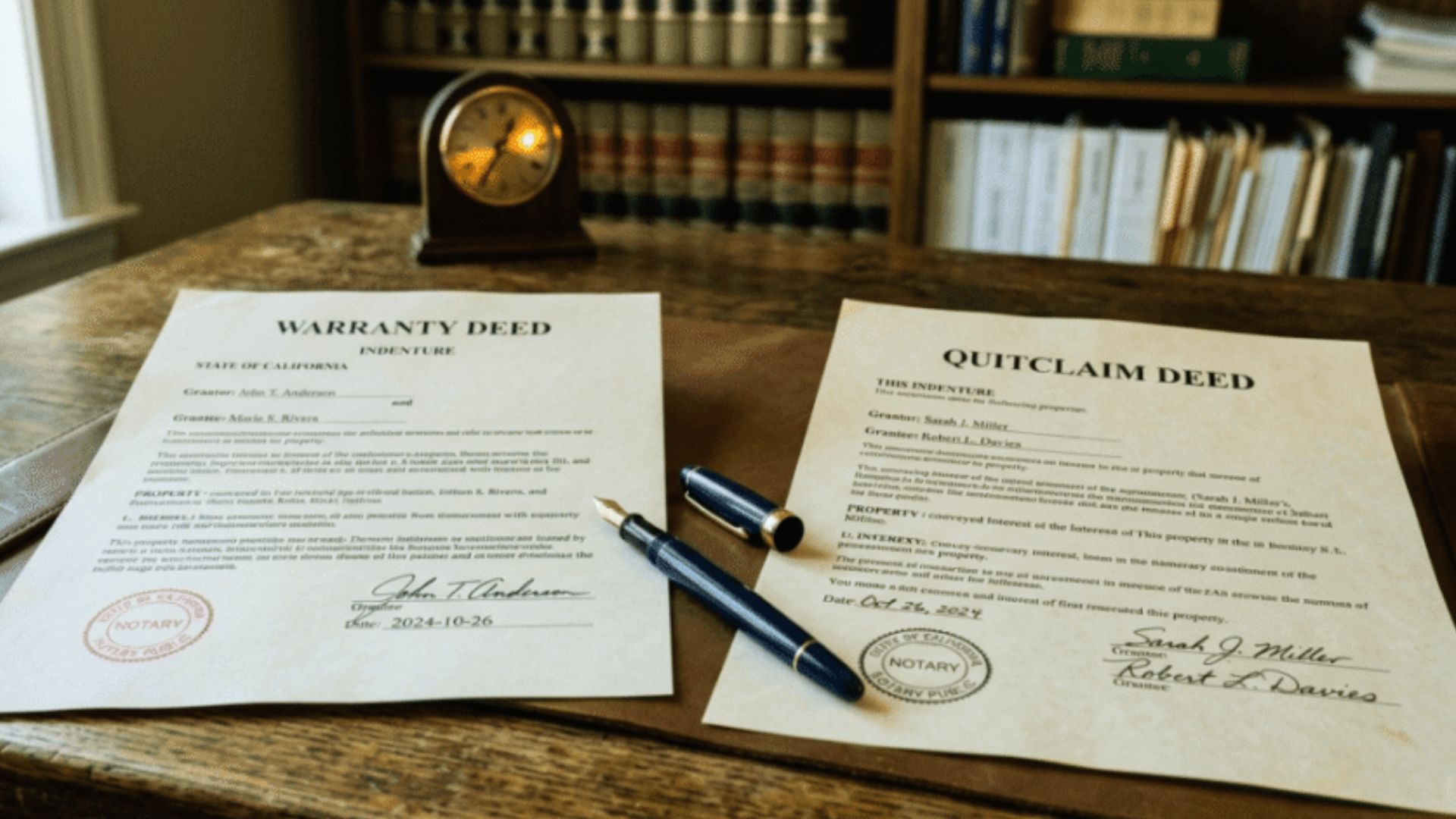
If someone is living on your property without permission, first determine whether they are a trespasser, squatter, or former tenant.
That distinction can affect how you legally remove the occupant and whether they could potentially claim adverse possession.
Squatters’ rights generally refer to laws that may allow a person occupying property without the owner’s permission to claim ownership after meeting specific legal requirements.
Simply living in an empty property does not automatically create ownership rights. Requirements and timelines vary by state, and some states impose additional conditions involving property taxes, recorded documents, or other factors.
This article explains squatters’ rights, adverse possession timelines, legal risks, and the general process for challenging unauthorized occupancy.
What Are Squatters Rights?

Squatters’ rights generally refer to laws that can allow a person who occupies property without the owner’s permission to claim ownership through adverse possession. The occupant must satisfy specific legal requirements for the period established by the applicable state law.
Adverse possession does not arise simply because someone moves into an empty property. Depending on the state, the occupant may need to show that possession was open, continuous, exclusive, and without the owner’s permission, along with any additional statutory requirements.
In adverse possession law, “hostile” generally means possession without the owner’s permission, rather than aggressive or threatening behavior. The precise legal definition can vary by state.
Because adverse possession rules differ across the country, property owners should check the law governing the specific property before assuming that an occupant has acquired or cannot acquire ownership rights.
Who Qualifies for Squatters Rights?

Not every person living on property without a current lease qualifies for adverse possession. Courts generally examine whether the occupant satisfied every legal requirement for the applicable statutory period.
Depending on state law, possession may need to be open, continuous, exclusive, and hostile to the owner’s interest. In this context, hostile generally means that the occupant possesses the property without the owner’s permission.
Simply entering or staying in a vacant property does not automatically establish ownership rights. The occupant must satisfy the requirements imposed by the state, and the required period may vary depending on the circumstances.
Because adverse possession laws differ by state, property owners should evaluate the occupant’s status and the applicable requirements before taking legal action.
How Long Does It Take to Gain Squatters Rights
There is no single national timeline for adverse possession. The required period varies by state and may also depend on factors such as the type of property, recorded documents, payment of property taxes, or other statutory conditions.
The examples below show how significantly these requirements can differ. They should be treated as general examples rather than a complete statement of the law in each state.
| State | Statutory Period | Notes |
| California | 5 years | Squatter must also pay property taxes during that period |
| Nevada | 5 years | Standard continuous possession |
| Montana | 5 years | Tax payment often required |
| Florida | 7 years | One of the shorter windows in the country |
| Arizona | 10 years | Drops to 3 years with a recorded deed and paid taxes |
| Texas | 3, 5, 10, or 25 years | Length depends on whether the squatter holds a deed or has paid taxes |
| New York | 10 years | Continuous and exclusive use required |
| Alabama | 10 years | Rises to 20 years outside the formal statutory process |
| Connecticut | 15 years | No tax shortcut available |
| Colorado | 18 years | Drops to 7 years with color of title plus paid taxes |
| Georgia | 20 years | One of the longer standard periods |
| Massachusetts | 20 years | Continuous possession required, no tax shortcut |
| Ohio | 21 years | Among the longest in the country |
| New Jersey | 30 years | Extends to 60 years for undeveloped woodland |
These are selected state examples rather than a complete 50-state analysis. State statutes may contain exceptions, alternative limitation periods, or additional requirements, so verify the applicable law before relying on a specific timeline.
Squatter vs. Trespasser vs. Holdover Tenant
People often use these terms interchangeably, but they can describe different legal situations. The occupant’s history with the property can affect which legal process applies and whether an adverse possession claim is possible.
| Factor | Legal Status | Permission to Occupy | Removal Process | Eligible for Adverse Possession |
| Squatter | Occupies without any owner consent | Never had permission | Usually requires formal eviction or court order | Yes, if all legal elements are met |
| Trespasser | Enters and stays briefly, no ownership behavior | Never had permission | Police can often remove immediately | No |
| Holdover tenant | Former tenant who stayed past lease end | Had permission originally | Standard unlawful detainer eviction | No |
For example, a tenant whose lease has ended but who remains in the property may be treated differently from someone who entered a vacant property without permission.
The former may fall under landlord-tenant or unlawful-detainer rules, while the latter may involve trespass or adverse-possession issues.
The correct classification depends on how the person entered the property, whether permission was given, whether a tenancy existed, and the law applicable to the property.
Legal Risks Associated With Squatters Rights
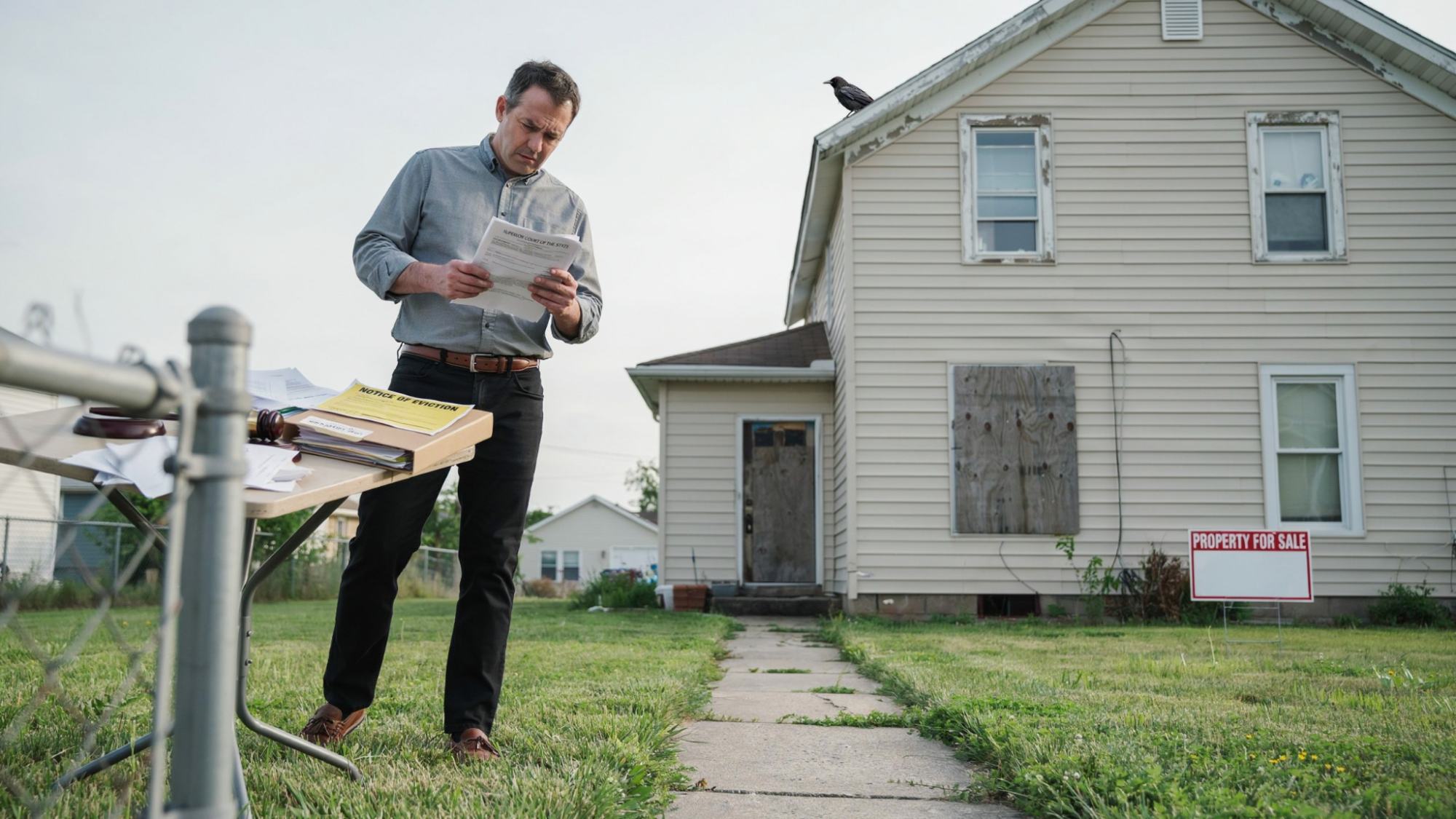
Unauthorized occupancy can create legal, financial, and property-management problems for owners. The risks depend on the occupant’s legal status and the laws governing the property.
One concern is the possibility of an adverse possession claim if an occupant satisfies all applicable legal requirements for the required period. However, simply occupying a property does not automatically transfer ownership.
Owners may also face costs associated with legal advice, court filings, property repairs, inspections, and delays in regaining possession. Resolving the dispute can become more complicated when the occupant claims a legal right to remain.
Another significant risk is using an unlawful self-help eviction method. Depending on state law, changing locks, removing belongings, shutting off utilities, or using force may expose an owner to penalties or civil liability.
Property owners should document the situation and follow the legally required removal process rather than attempting to remove the occupant themselves.
Common Challenges Associated With Squatters Rights

Even when an owner believes someone is occupying property without permission, proving the circumstances can become complicated. The most common challenges involve establishing the occupant’s legal status, preserving evidence, and applying the correct state law.
Proving or Disputing an Adverse Possession Claim
Courts generally require evidence supporting each element of an adverse possession claim. Depending on the dispute, relevant evidence may include photographs, property records, tax records, utility records, correspondence, inspection reports, and witness statements.
Property owners should preserve records showing when they discovered the occupancy, whether they gave permission to the occupant, and what steps they took afterward.
The evidence needed to challenge an adverse possession claim depends on the state law and the specific facts of the case.
Determining the Occupant’s Legal Status
Determining whether an occupant is a squatter, trespasser, tenant, or former tenant can be difficult when the history of possession is unclear.
A former roommate, family member, guest, or tenant may have had permission to occupy the property even if there is no current written lease.
The occupant’s legal status can affect the notice, court action, and removal process. Before taking action, owners should establish how the person entered the property and whether any permission or tenancy existed.
Handling State-Specific Laws
Adverse possession and removal procedures vary by state. The applicable rules may determine the required possession period, elements of an adverse possession claim, notice requirements, court procedure, and available remedies.
Property owners should use the law applicable to the property’s location rather than relying on a procedure from another state.
When the facts are disputed or the occupant claims a legal right to remain, professional legal advice may be appropriate.
What Evidence Should Property Owners Keep?
Property owners dealing with unauthorized occupancy should create a clear record of the situation from the beginning. Useful documentation may include:
- Photos and videos showing the property’s condition
- Deeds and other ownership records
- Property-tax records
- Utility records
- Inspection reports
- Written notices and correspondence
- Police reports, when applicable
- Statements from witnesses
Keep copies of documents showing when you discovered the occupancy and what steps you took afterward. The evidence needed to challenge an adverse possession claim varies by state and by the facts of the case.
Can Police Remove Squatters
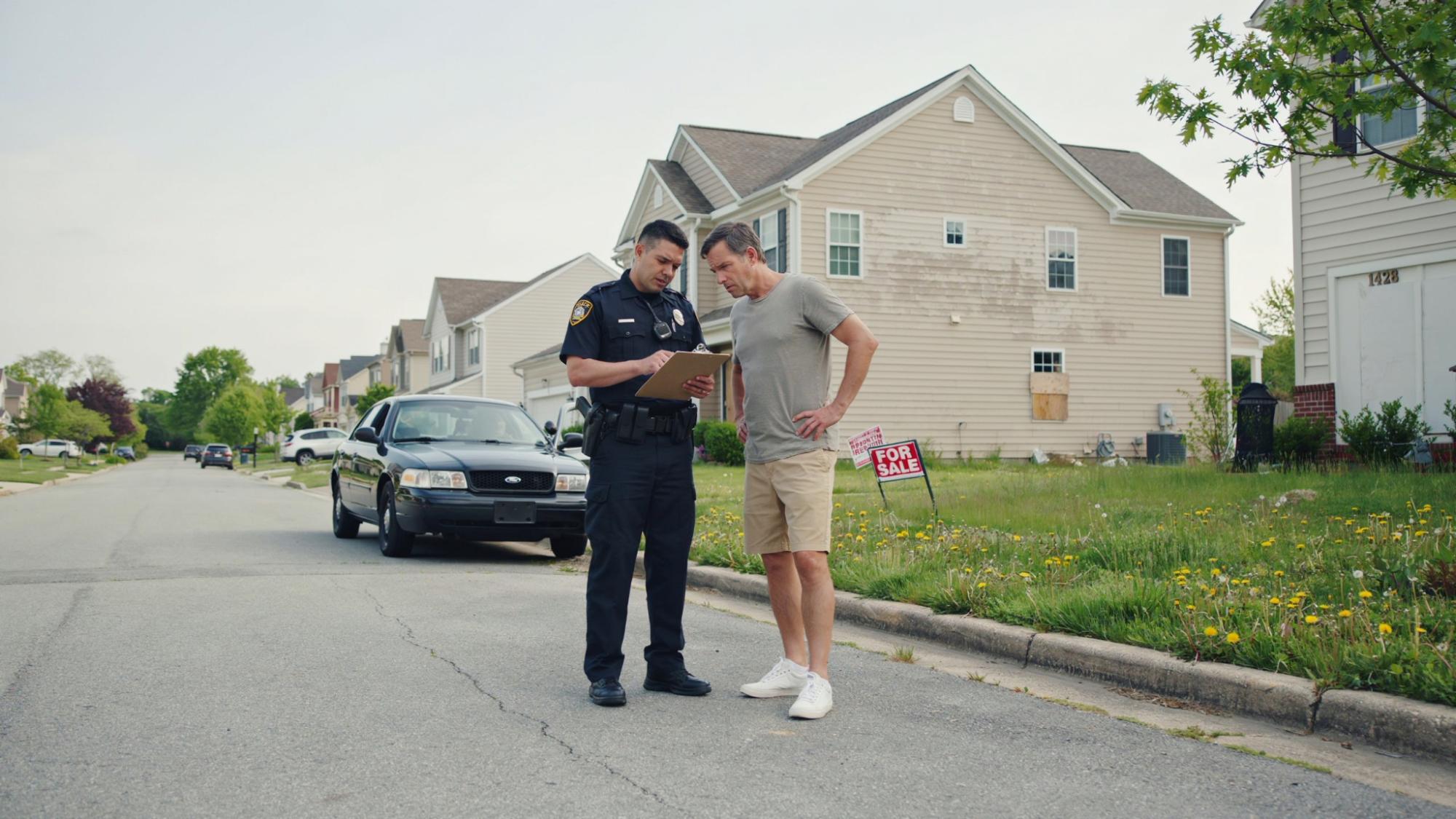
Police involvement depends on the facts, the occupant’s legal status, and the law in the property’s state.
If the evidence indicates criminal trespassing or another offense, law enforcement may be able to intervene.
If the occupant claims a right to live at the property or has established apparent residency, officers may treat the matter as a civil dispute rather than immediately removing the person. In that situation, the owner may need to use the applicable court process.
Report suspected criminal activity promptly and keep records of the report. A police report does not necessarily authorize removal or end an adverse possession claim.
How to Remove a Squatter Legally

The removal process depends on state law and the occupant’s legal status. Property owners should document the situation and follow the required legal procedure rather than using self-help measures.
1. Document the Occupancy
Record when you discovered the unauthorized occupancy and preserve photographs, property records, correspondence, and other relevant evidence.
2. Contact Law Enforcement When Appropriate
If you believe a crime has occurred, contact local law enforcement and provide evidence showing your ownership and the lack of permission. Police involvement does not necessarily resolve a civil possession dispute.
3. Serve the Required Notice
If state law requires notice before court proceedings, serve the appropriate notice using the legally required method and keep proof of service.
4. File the Appropriate Court Action
If the occupant does not leave and the law requires a court proceeding, file the appropriate eviction, unlawful-detainer, or other possession action with the proper court.
5. Obtain and Enforce the Court Order
If the court rules in your favor, follow the applicable procedure for enforcing the order. Do not personally remove the occupant or their belongings unless the law expressly permits that action.
Because removal procedures differ by state and occupant status, verify the applicable court rules before taking action.
How to Prevent Squatters?
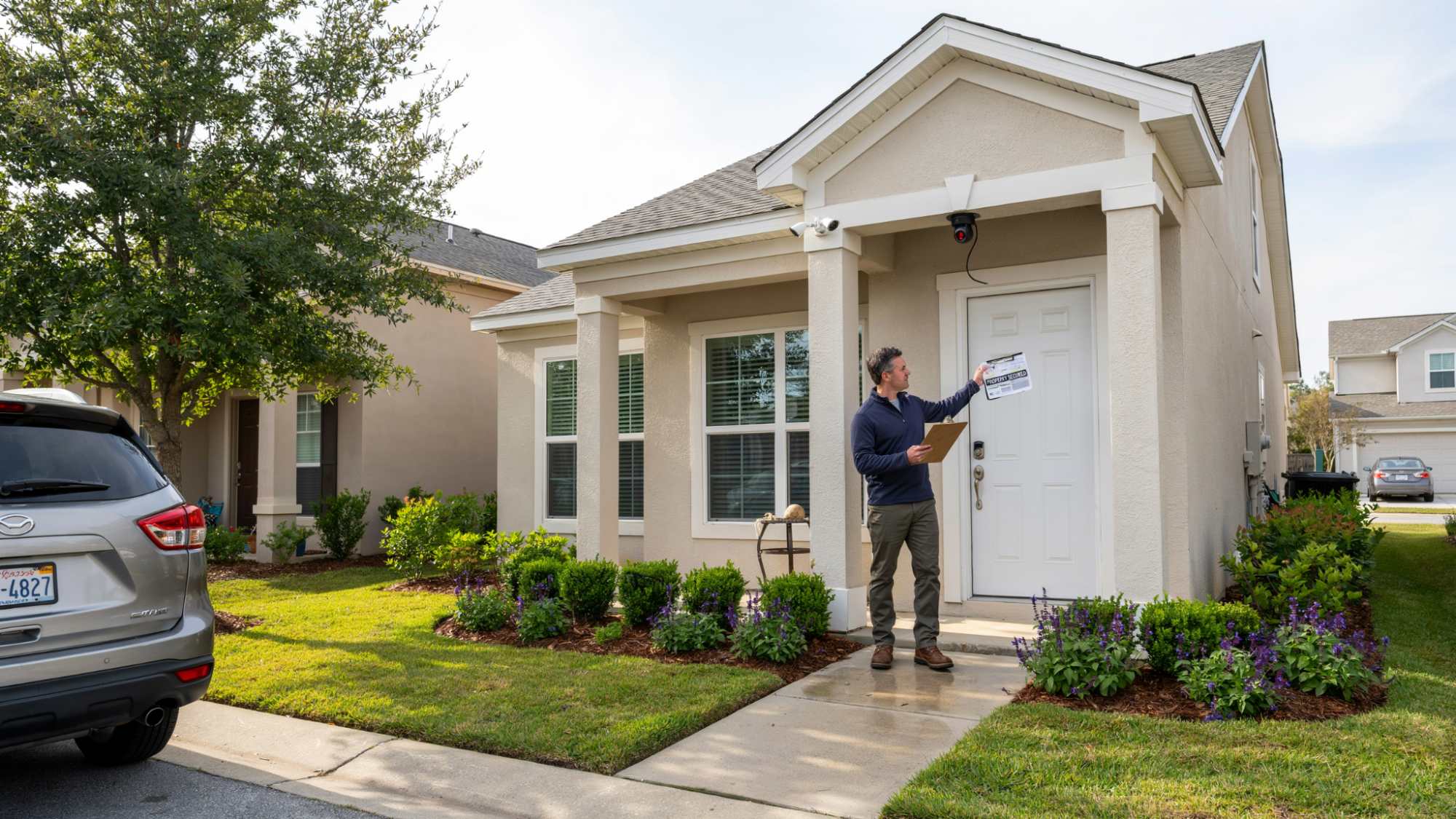
Prevention can reduce the risk of unauthorized occupancy and help property owners detect problems early. Start by securing doors, windows, garages, sheds, and other access points on vacant properties.
Change locks when appropriate after a tenancy ends or ownership changes. Inspect vacant properties regularly, or hire a property manager to monitor them. Look for warning signs such as broken locks, accumulated mail, damaged windows, unfamiliar vehicles, or unexpected utility use.
Keep the property looking occupied by maintaining the exterior and addressing visible damage promptly. Good lighting and functioning security systems can also make unauthorized entry easier to detect.
If you discover unauthorized occupancy, document the property’s condition immediately. Record relevant details, preserve evidence, and follow the appropriate legal process for your state rather than attempting to remove the occupant yourself.
Legal Disclaimer: This article provides general educational information about squatters rights and adverse possession laws in the United States. Because state laws vary and individual circumstances differ, it should not be considered legal advice. If you are dealing with an active squatter dispute, consult a qualified real estate attorney or your local court for guidance.
Conclusion
Squatters’ rights depend on state-specific adverse possession laws, and simply occupying property does not automatically create ownership rights.
The outcome depends on the possession period, occupant’s legal status, and other requirements.
If you discover unauthorized occupancy, document the situation, preserve records, verify your state’s laws, and follow the required legal process.
Avoid changing locks, shutting off utilities, or removing belongings without confirming that doing so is lawful. Know your squatters’ rights and act early to protect your property.
Frequently Asked Questions
Can a squatter inherit property rights from another squatter?
Generally, a squatter may continue an adverse possession claim started by a previous occupant if state law allows "tacking" and legal requirements remain satisfied.
Can a homeowner sell a property while a squatter is living there?
Yes, but a squatter's presence can complicate the sale, reduce buyer interest, and affect the property's market value until the issue is resolved.
Do squatters rights apply to commercial properties?
Yes. Adverse possession laws may apply to commercial, residential, and vacant land, although legal requirements vary by state.
Can a squatter claim rights to only part of a property?
Yes. In some cases, adverse possession may apply only to the specific portion of land continuously occupied and used.
Does filing a police report stop an adverse possession claim?
No. A police report alone does not stop an adverse possession claim, but it may help document the owner's efforts to challenge unauthorized occupancy.