A warranty deed provides contractual guarantees about the grantor's right to transfer property and their defense against certain title claims.
It does not itself prove the title is free of all defects that require a title search and, typically, title insurance. A quitclaim deed transfers whatever ownership the grantor holds, with no guarantee attached.
Choosing the wrong one can cost thousands of dollars. It can also create legal problems that take years to resolve.
This guide covers how each deed works, when to use each one, what mistakes to avoid, and what costs to expect across different states.
What Is a Warranty Deed?
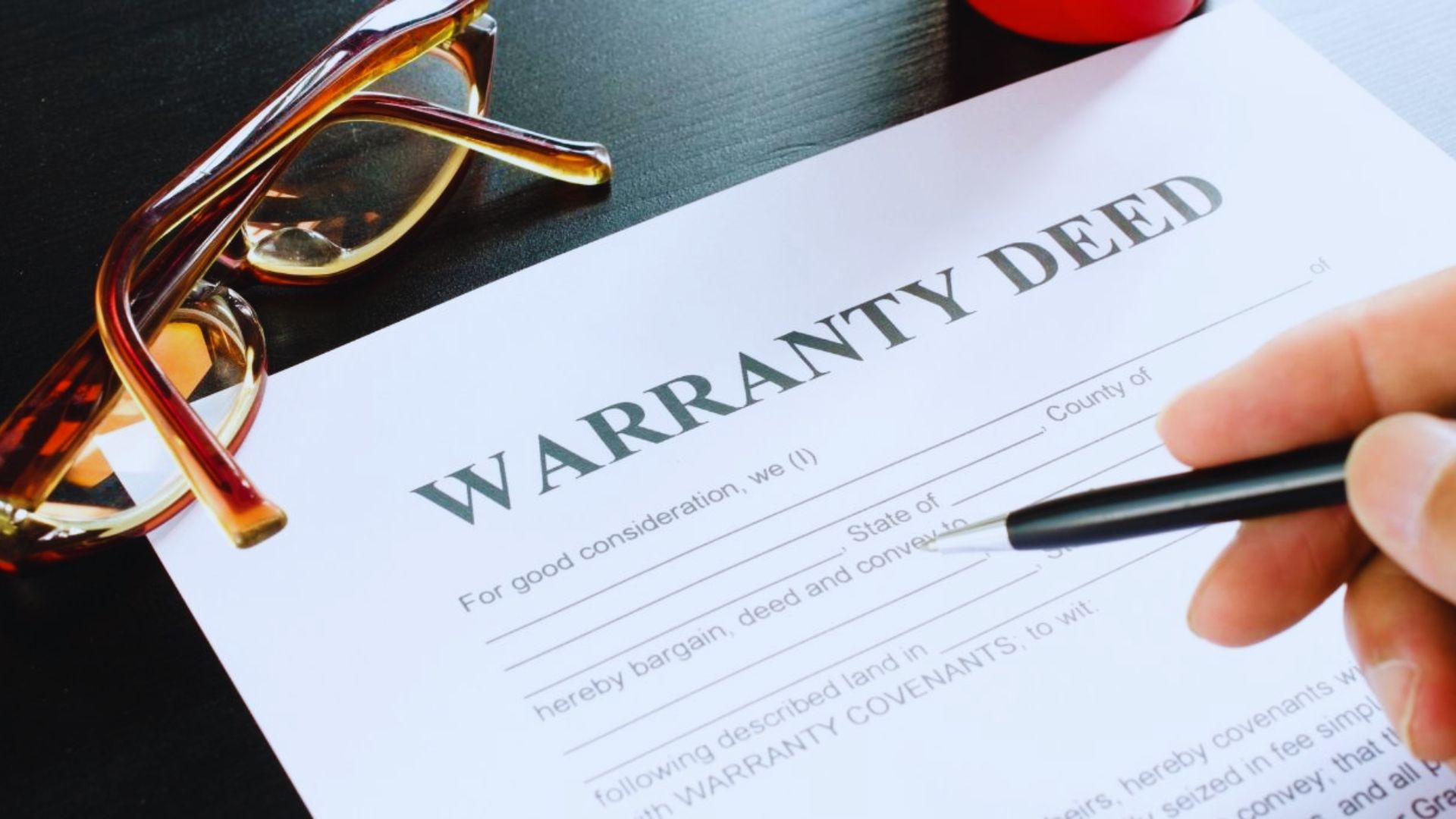
A warranty deed is a legal document that transfers property from a grantor (the seller) to a grantee (the buyer). It also comes with a binding legal promise that the title is clean and transferable.
What the Warranty Covers
That promise includes three guarantees:
- The grantor owns the property outright
- The grantor holds the legal right to transfer it
- The grantor will defend the grantee against claims arising from the title history covered by the warranty
If a covered title claim surfaces after the transfer, the grantor is contractually obligated to defend the grantee and may owe compensation, but this depends on the scope of the warranty and applicable state law.
That legal liability is what sets a warranty deed apart from every other deed type.
General vs. Special Warranty Deed
Two versions exist. A general warranty deed covers the full title history going back to the property's original owner. A special warranty deed covers only the period the seller held title.
Most buyers in a standard home sale should request a general warranty deed. It provides the broadest protection against any title defect, regardless of when it originated.
What Is a Quit Claim Deed?
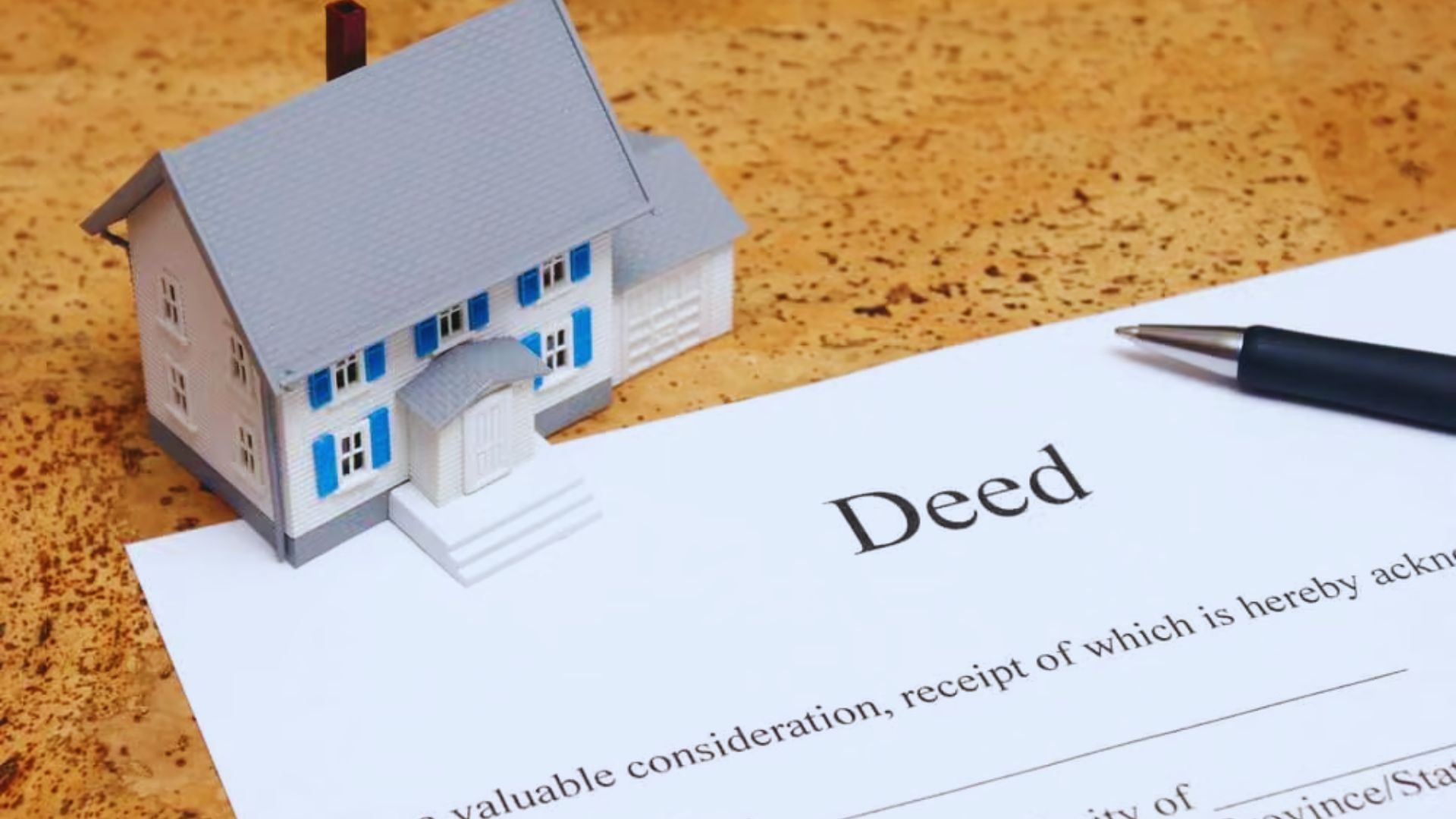
A quitclaim deed transfers property from one person to another. But it works very differently from a warranty deed.
In a standard quitclaim deed, the grantor makes no title warranties, meaning there is no contractual basis for the grantee to pursue a claim if a title defect emerges. However, this does not eliminate all recourse.
Fraud, misrepresentation, breach of a separate agreement, or other legal theories may still create liability depending on the circumstances and applicable state law.
Consulting an attorney before relying on a quitclaim deed in a higher-risk transaction is advisable.
How Do These Two Deeds Compare?

These two deeds may look similar on paper. But they serve fundamentally different purposes and carry very different levels of risk for the person receiving the property.
The right choice depends on the relationship between the parties, whether a lender is involved, and what protection the buyer requires.
| Feature | Warranty Deed | Quit Claim Deed |
| Ownership Guarantee | Yes | No |
| Title Protection | Contractual warranties only | No |
| Grantor Liability | High | None |
| Risk for Buyer | Low | High |
| Common Use | Arm's length sales | Family transfers, corrections |
| Title Insurance Required | Often required | Usually not required |
An arm's length sale is a transaction between two unrelated parties, each acting in their own interest. It is the most common type of home sale and the situation where a warranty deed matters most.
The core difference is simple: a warranty deed promises the title is clean. A quit claim deed makes no promises at all.
When Should You Use a Warranty Deed?

A warranty deed belongs in any transaction where legal protection matters. That includes situations where the buyer is spending significant money, a lender is involved, or the two parties have no existing relationship or shared trust.
It is the standard instrument in the vast majority of residential real estate sales across the United States.
Buying or Selling a Home
Warranty deeds are commonly used in standard home sales across many states, though deed forms and requirements vary by jurisdiction.
Buyers should confirm what their state and lender require. The buyer is spending a large sum and needs legal protection against hidden claims.
The deed provides contractual warranties from the seller about their ownership and the title history they covered, but it does not independently confirm the absence of all liens or defects. A title search serves that function.
A general warranty deed provides the broadest protection. It covers the entire chain of title, going back to the property's origin, not just the seller's time of ownership.
Mortgage Transactions and Lender Requirements
Many lenders prefer or require a warranty deed when a mortgage is involved, though specific requirements vary by lender, loan type, and state.
Confirm the requirement with your lender early in the transaction. They need assurance the title is clean before funding the loan.
A quit claim deed does not satisfy most lender requirements. Using one would block the transaction from closing. In a typical closing, a title company reviews the full recorded title history. Any defects are resolved before the deed is signed.
Transfers Between Unrelated Parties
When two unrelated parties complete a real estate transaction, a warranty deed is strongly advisable and commonly expected, though the legal requirement depends on state law and lender requirements.
No existing trust exists between them. If a title defect surfaces after closing, the buyer can file a claim against the grantor, pursue damages in court, or trigger a title insurance policy.
The warranty deed is what creates that legal path. Without it, the buyer has no standing to pursue the seller for title problems that existed before the sale.
Why Buyers Prefer Warranty Deeds
A warranty deed does more than protect against title problems. It makes the property easier to finance because most lenders are more likely to accept it, though lender requirements vary by loan type and institution.
It also supports a clean resale because future buyers can see an unbroken chain of guaranteed ownership.
It gives buyers a clear legal path to follow if something was missed before closing. Without it, the buyer absorbs the loss on their own.
When Should You Use a Quit Claim Deed?

A quit claim deed works best in low-risk situations where both parties already trust each other and no money changes hands. It is the right tool when speed and simplicity matter and both parties understand that no title guarantee is being made.
It is not appropriate for any transaction involving a stranger, a lender, or a significant purchase price.
Transfers Between Family Members
Parents transferring property to adult children commonly use quitclaim deeds. Trust already exists between the parties, and the risk of a disputed title is low. Spouses adding each other to a title use them for the same reason.
One important consideration: if no money changes hands, the IRS may treat the transfer as a gift.
Family transfers with $0 stated consideration can trigger gift tax reporting requirements. Consult a tax professional before completing any no-cost property transfer.
Divorce and Marriage Property Transfers
In a divorce settlement, one spouse often needs to transfer their ownership interest in a shared property to the other.
A quit claim deed handles this by removing one person's name from the title. No formal sale or market appraisal is required.
One complication to plan for: if the spouse who receives the property later tries to sell or refinance, lenders and title companies will review the full title history.
A quit claim deed from a divorce settlement does not erase prior liens or ownership disputes. A title search at the time of the divorce transfer is strongly recommended.
Adding or Removing a Co-Owner From a Deed
To add a co-owner to a property, or remove one, a quit claim deed accomplishes the change without a formal sale. A title search is still a smart step even when not legally required.
Old liens and recording errors do not disappear when a name changes on the deed.
If the property carries a mortgage, check with the lender before making any changes. Many mortgage documents include a due-on-sale clause.
That clause lets the lender demand full repayment if ownership interest transfers without prior approval, even when no money changes hands.
Transferring Property to a Trust or LLC
Many property owners move real estate into a living trust or a business entity such as an LLC for estate planning or liability purposes. A quit claim deed makes this transfer fast and inexpensive.
Because the owner moves the property to an entity they control, the absence of a title guarantee from a third party is not a practical concern.
Correcting Errors on a Recorded Deed
When a recorded deed contains a misspelling or an incorrect legal description, a quitclaim deed can fix it.
The corrected version is called a corrective deed. It references the original deed by recording date, book, and page number, identifies the specific error, and replaces it with accurate information. No ownership change occurs in this process.
The legal description must be copied exactly from the prior recorded deed. Some states prefer a corrective affidavit over a new deed for minor clerical errors.
Confirm the accepted method with your county before filing anything.
How to Prepare and File a Deed

Getting the deed right matters as much as choosing the right type. Small errors can void the transfer entirely.
Gather the Required Property Information
Start by pulling the last recorded deed for the property. This document contains the exact legal description to copy onto the new deed. It also includes the book, volume, and page number of the prior recording, which some states require on the new deed.
Copy the legal description exactly from the recorded deed.
A typical description reads: "Lot 14, Block 3, Maplewood Subdivision, Plat Book 22, Page 17, County Records." Never copy it from a tax bill or prior contract. Even a minor variation from the recorded version can cause the county to reject the filing.
The new deed also needs the full legal names of both the grantor and grantee, the property address, the stated consideration (the sale price or $0 for a family transfer), and the tax parcel ID number if your state requires it.
Once the deed is recorded, the grantee becomes responsible for paying property taxes going forward.
Sign and Notarize the Deed
Every grantor listed on the deed must sign in front of a notary public. The notary verifies the signature and stamps the document. Without notarization, the deed cannot be filed.
Some states add requirements. Florida requires two witnesses in addition to the notary. Other states mandate specific deed language or tax disclosure forms before the clerk accepts the deed.
Check your state's current requirements before signing to avoid rejection at the recorder's office.
Record the Deed With the County
After notarization, file the deed at the county recorder's office or land records office in the county where the property sits.
The clerk collects a recording fee and enters the deed into the public record, assigning it a permanent place by book, volume, and page number.
Until the deed is recorded, the transfer exists only between the grantor and grantee.
Recording gives the new owner legal priority under most state recording statutes, though the exact protections and priority rules vary by state. An attorney familiar with local property law can clarify how your state's recording statute applies.
What Does a Warranty Deed vs Quit Claim Deed Cost?

Common Costs for Both Deed Types
Recording fees apply to both deed types. Most counties charge between $10 and $30 per page, though some charge a flat fee regardless of page count.
Attorney or document preparation fees typically run between $100 and $500. Quitclaim deeds cost less because they involve less legal review.
Transfer taxes also apply in many states. Florida charges a documentary stamp tax of 70 cents per $100 of the stated sale price.
Other states impose the same type of tax under different names at varying rates. Check your state's rules before closing to avoid surprises.
Additional Costs Specific to Warranty Deeds
A title search is standard for warranty deed transactions and typically costs between $75 and $250. It confirms the title is clean before the deed is signed.
This step is usually skipped in quit claim transfers because no title guarantee is being made and no lender is involved.
Title insurance adds another layer of coverage. Costs range from a few hundred dollars to over a thousand, depending on the purchase price.
It protects the buyer if a title problem surfaces after closing that the title search missed. Many lenders require title insurance for mortgage transactions, particularly conventional, FHA, and VA loans, though requirements can vary by lender and loan program.
Quit claim deed transfers between family members often do not involve title insurance, though it may still be advisable depending on the property's title history.
The figures below are illustrative examples based on general ranges and may not reflect current rates in your area. Recording fees, attorney costs, transfer taxes, and title insurance premiums vary significantly by state, county, and transaction.
Confirm current costs with your county recorder's office, title company, or attorney before closing.
| Cost Item | Quit Claim Deed | Warranty Deed |
| Document prep | $0 to $200 | $150 to $500 |
| Title search | Usually skipped | $75 to $250 |
| Title insurance | Rarely required | $300 to $1,500+ |
| Recording fee | $10 to $100 | $10 to $100 |
| Transfer tax | Varies by state | Varies by state |
| Typical total | Under $100 to $300 | $500 to $2,500+ |
A family quit claim deed often costs well under $300 in total. A warranty deed used in a standard home sale costs significantly more once a title search, title insurance, and transfer taxes are added.
Knowing these numbers before closing prevents surprises when the settlement statement arrives.
State-Specific Rules You Should Know

The requirements summarized below reflect general practices as commonly understood, but property law changes frequently. Verify current requirements with a licensed real estate attorney or your county recorder's office before drafting or filing any deed.
Deed laws differ by state. What satisfies legal requirements in one jurisdiction may be rejected in another.
Florida
Florida accepts both deed types. Warranty deeds are standard for arm's length sales. Quit claim deeds require proper notarization plus two witness signatures.
Florida also charges a documentary stamp tax on all deed transfers based on the stated sale price.
Texas
Texas allows both types, but quit claim deeds carry a significant limitation. Texas courts have ruled that a quit claim deed does not convey title in the traditional legal sense.
This creates problems for future title insurance and resale.
Special warranty deeds are the common middle ground in Texas. They cover the seller's ownership period without warranting the full history.
Full warranty deeds remain the right choice for any standard sale or mortgage transaction in the state.
Michigan
Michigan uses warranty deeds for any sale involving a lender. Quit claim deeds are common for family transfers and divorce settlements.
Michigan requires a Property Transfer Affidavit to be filed with the local assessor within 45 days of recording. Missing that deadline carries penalties.
Mississippi
Mississippi requires proper notarization on all deeds and filing with the chancery clerk in the county where the property sits.
Warranty deeds are required for sales and mortgage transactions. Quit claim deeds are accepted for family transfers, adding a spouse to a title, or moving property into a trust or LLC.
Check Before You File
Each state writes its own property transfer laws covering witness rules, notarization standards, required deed language, transfer taxes, and filing offices. A deed that is fully valid in one state may not meet requirements in another.
Before drafting or signing any deed, check your state's current rules. Do not rely on information from prior years or another state's process.
If you are unsure, contact your county recorder's office or speak with a local real estate attorney before proceeding.
Tips for Choosing the Right Deed
Matching the deed type to the transaction is the single most important decision in any property transfer.
- Use the right deed for the situation.
- Know which warranty deed you are receiving.
- Run a title search before any transfer.
- Record the deed promptly.
- Copy the legal description exactly.
- Get title insurance on any home purchase.
- Hire an attorney when needed.
Conclusion
A warranty deed protects the buyer with a legally enforceable title guarantee. It is the right choice for any standard home sale or lender-involved transaction. A quit claim deed transfers ownership with no guarantees attached.
It belongs in trusted, low-risk situations such as family transfers, divorce settlements, or moves into a trust or LLC.
Match the deed to the situation, complete the title check, and verify your state's current requirements before signing.
If anything is unclear, consult a local real estate attorney before the paperwork goes to the recorder's office.
Frequently Asked Questions
Can a quitclaim deed be challenged in court?
Yes. If the grantor held no legal ownership at the time of transfer, or signed the deed under duress or fraud, a court may invalidate the deed and reverse the transfer. Beyond fraud and duress, separate legal claims such as misrepresentation or breach of contract may also provide remedies depending on the facts and state law. This is one reason unrelated parties should exercise caution when considering a quitclaim deed in place of a warranty deed.
Does a warranty deed expire?
No. Once a warranty deed is recorded with the county, it becomes a permanent part of the public property record and does not expire or require renewal. The grantor's liability for title defects may be subject to a statute of limitations depending on state law. Consult a real estate attorney if a defect surfaces years after closing.
Can I use a quitclaim deed to transfer a mortgaged property?
You can transfer the title using a quitclaim deed, but the mortgage stays in the original borrower's name. The lender must separately approve any formal loan assumption by the new owner. Review your mortgage documents for a due-on-sale clause. Many mortgage documents include a due-on-sale clause that may allow the lender to demand full repayment if ownership interest transfers without prior approval. The enforceability and application of such clauses depends on the specific loan documents, federal law, including the Garn-St. Germain Act, which provides exceptions for certain family transfers and transaction circumstances. Review your loan documents and consult a real estate attorney before transferring title on a mortgaged property.
What does a clouded title mean?
A clouded title is an unresolved legal question about who holds valid ownership of the property. Common causes include an old unpaid lien, a recording error in a prior deed, an unresolved estate claim, or a prior transfer never properly filed with the county. A clouded title makes a property difficult to sell or insure until the issue is resolved, often through a quiet title action in court.
Is a notarized quitclaim deed legally binding without recording?
A notarized quitclaim deed is legally valid and binding between the grantor and grantee even without being recorded. However, recording it with the county is strongly recommended. Without recording, the grantee's rights may not be protected against future third-party claims or competing interests, and the scope of that risk depends on your state's recording statute and priority rules