This article offers general educational information about real estate valuation, not legal, financial, or appraisal advice. Consult a licensed attorney, appraiser, or advisor about your specific situation.
Have you ever held the deed to your home and wondered if it even looks right?
You are not alone. Many people own a house for years and never really study this one important paper, even though it proves the place is theirs.
So what does a house deed look like? That is exactly what this guide answers. You will see what a deed contains, how it looks on paper and on a screen, and what each part means in plain words.
We will also cover the main types of deeds, how to spot a fake, and how to get your own copy. By the end, you will read your deed with ease and know what to check. Let us start with the basics.
What a House Deed Is (and Why It Is Not Your Title)
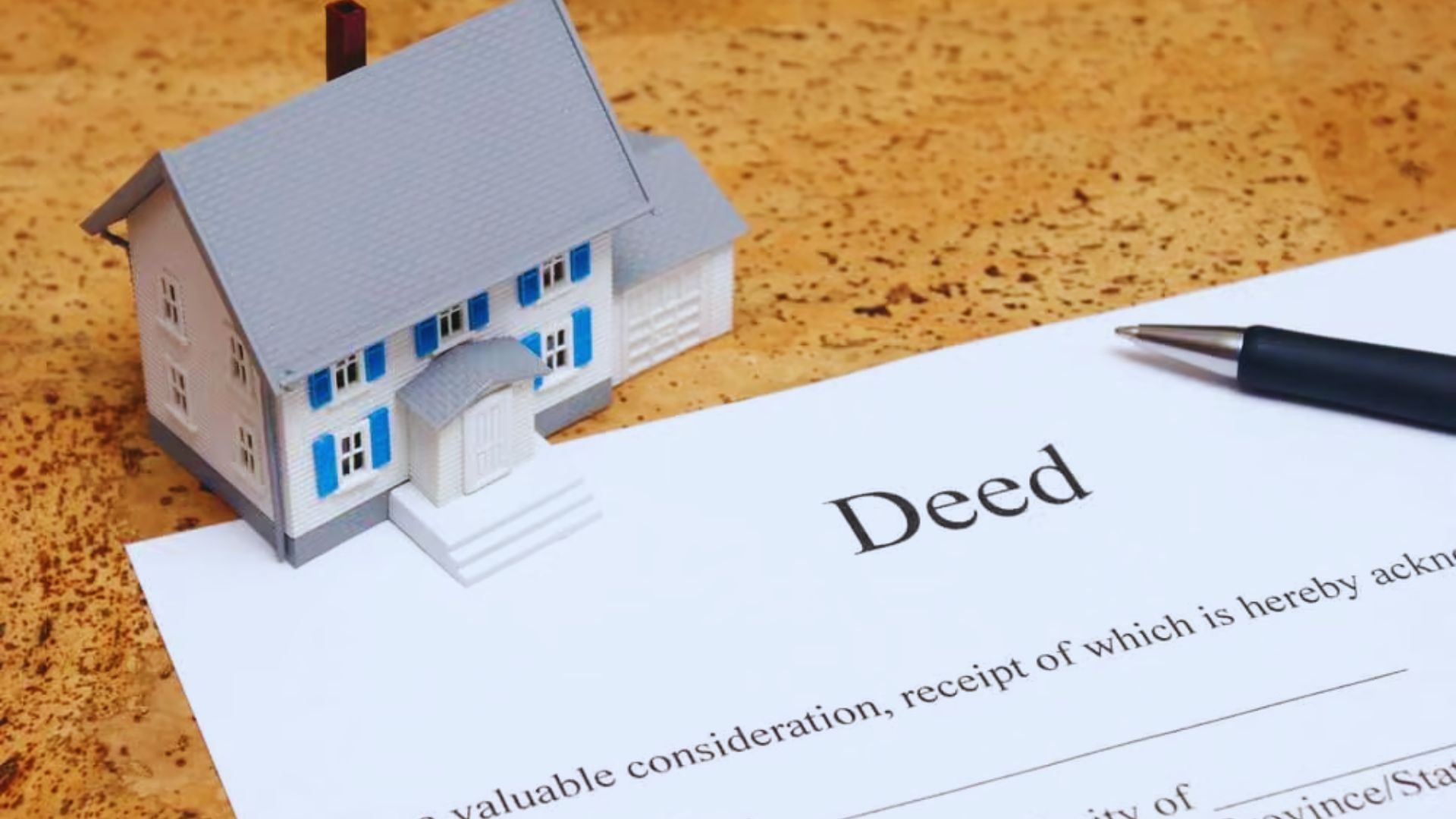
A house deed is a written legal document. It moves ownership of real property from the seller (the grantor) to the buyer (the grantee).
Real property means the land and anything attached to it, like the house itself.
People often mix up deed and title, but they are not the same. The deed is the paper that transfers ownership. The title is the ownership right itself, not a document you hold.
Think of title as a chain of owners traced back to the first one. Each deed is one link in that chain. A mortgage shows what you owe, while a deed shows what you own.
What a House Deed Looks Like on Paper and on Screen

A deed has no single national format, so it changes by state and county. Still, you will see it in one of two forms. Older deeds come as paper you can hold, while newer ones often live as digital files in a county database. Both hold the same legal weight.
The Physical Paper Deed
The classic deed is printed on white paper, and older ones use legal-size sheets.
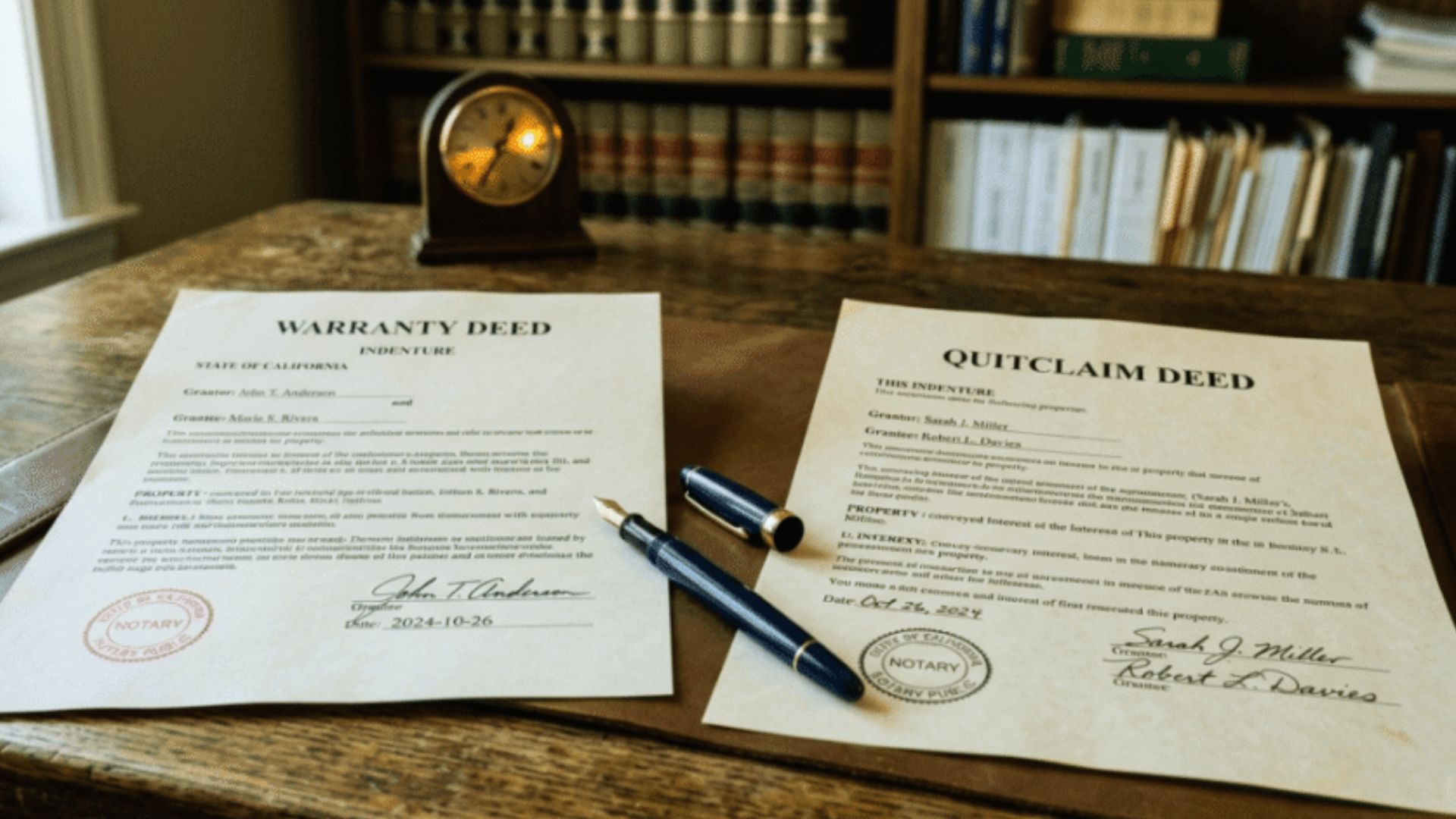
You will see blocks of typed text, a signature line, and a notary block near the end. A county recorder's stamp sits in a corner or across the top.
Some states set strict rules for these pages. Indiana, for example, wants black ink, 10-point text, and white paper no larger than 8.5 by 14 inches. It also wants 2-inch top and bottom margins on the first and last pages, and a deed that breaks these rules can be rejected or charged an extra fee.
The Digital or Recorded Copy
Newer deeds often live as scanned files, and county recorder and clerk offices store them in online databases.
Philadelphia, for example, calls its system Philadox. You can search many of these portals by address or owner name, then download a copy or order one by mail.
The paper copy in your drawer and the recorded copy at the county hold the same words. Both are valid proof of what your deed says. So if you lose the paper one, the county record still protects you.
The Parts Inside Every House Deed
Reading a deed from top to bottom, you will spot the same parts each time. Each one has a clear job, from naming the people involved to describing the land and proving the transfer was filed.
Here is what each part means and why it matters to you:
Grantor and Grantee Names
The deed lists the seller (grantor) and buyer (grantee). It shows full legal names and often their addresses. The names must match your other papers exactly.
"Robert J. Smith" on your ID but "Bob Smith" on your deed can cause real trouble later. It can stall a sale or a refinance. So always keep your name the same across every document.
The Legal Property Description
This is the part most people skip, but you should not. It is not your mailing address. It is the technical description of the land itself, and it defines your exact boundaries.
It may use one of three common systems:
- Lot and block: points to a spot on a recorded subdivision map.
- Metes and bounds: walks the boundary using directions and distances, like "N 45° E, 125 feet."
- Rectangular survey system: divides land into a grid of sections used across much of the country.
When a neighbor argues over a fence line, this is the part a court reads. So it pays to know what yours says.
Words of Conveyance (the Granting Clause)
This is the line that does the real work. It states that the grantor gives the property to the grantee, using words like "grants" or "conveys" to carry the transfer.
The exact wording also hints at the deed type. It can signal how much protection the buyer gets. Small changes here shift the legal meaning, so this short line matters more than it looks.
Consideration
Consideration is what the buyer gives in return. Most of the time it is the purchase price, but it can be other things of value too.
Sometimes a deed reads "$10 and other valuable consideration." This keeps the real price off the public page. It is common in family transfers and gift deeds, where the parties want privacy.
Signatures, Notarization, and the Habendum
The grantor must sign the deed, and in most states a notary must witness that signing. The notary adds a seal, their name, county, and commission date.
A few states allow two witnesses in place of a notary.
The grantee usually does not sign. You may also see a habendum clause, which spells out the rights being granted. This matters most for partial rights, like a mineral deed that gives only a share of what lies below the surface.
Recording Information
Once filed, the deed picks up more marks. You will see a book and page number or a document number, a filing date, and the recorder's stamp.
These prove the deed is part of the public record. They also fix the deed's place in the chain of ownership. Recording protects you against later claims from someone who says they bought first.
How the Look Changes With the Type of Deed

The type of deed controls how much protection the buyer gets, and that promise is written right into the page. Some deeds guarantee a clear title, while others promise nothing at all.
The table below sums up the main ones, and the sections after it add detail:
| Deed type | Protection level | Common use |
| General warranty deed | Highest | Most standard home sales |
| Special warranty deed | Medium | Banks, estates, commercial sales |
| Quitclaim deed | Lowest | Family transfers, divorce, fixing errors |
| Transfer on death deed | Passes at death, skips probate | Estate planning |
| Executor's or administrator's deed | None on title history | Settling an estate |
| Sheriff's or tax deed | None on title history | Forced or tax sales |
General Warranty Deed
This deed gives the buyer the most protection. The seller promises the title is clear for the property's full history, and guarantees no hidden liens or other claims exist.
If a problem shows up later, the seller must fix it or pay. Most standard home sales use this deed. It gives buyers real peace of mind.
Special Warranty Deed
This deed covers less ground. The seller only promises about their own ownership period and makes no promises about earlier owners.
So if a title problem started before they owned the home, the buyer cannot claim against them.
Banks, estates, and commercial sellers often use this type. It is also called a limited warranty deed. Buyers here take on more risk than with a general warranty deed.
Quitclaim Deed
A quitclaim deed gives the least protection.It passes whatever rights the seller has, if any, and makes no promises about clear title.
Families use it for transfers between members. It is common in divorce and in fixing title errors. Scammers also target it, so use it only with people you trust.
Special Purpose and Estate Deeds
Some deeds fit set situations.
An executor's deed moves property under a will, and an administrator's deed is used when there is no will. A sheriff's deed and tax deed come from forced sales.
A transfer on death deed passes property at death and skips probate. It stays revocable while you are alive, so the owner keeps full control until death. About 29 to 31 states plus the District of Columbia now allow these, so check your own state.
How to Tell a Real Deed From a Fake One
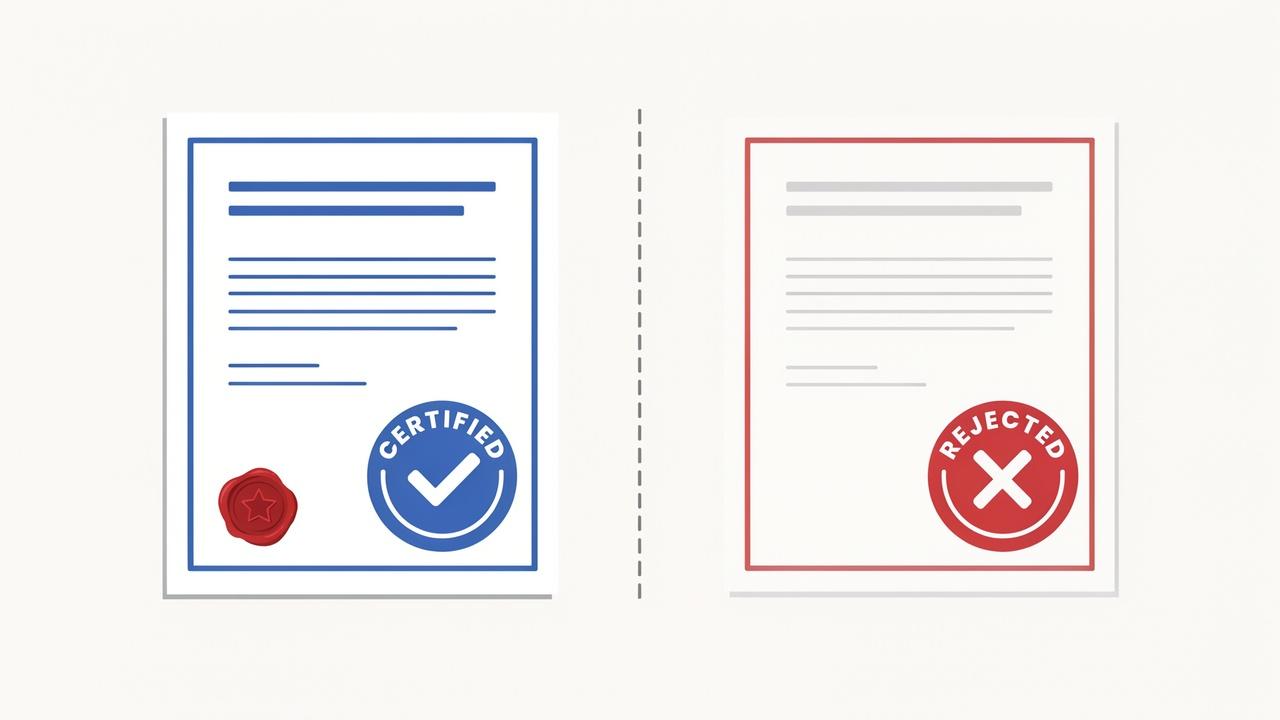
A real deed shows clear proof of filing.
You can check for a few reliable signs:
- A recorder's stamp with book and page numbers and a filing date.
- A complete notary block with a seal and commission date.
- Clean, even formatting with no odd fonts or margins.
Fake deeds often miss these marks.
This matters because deed fraud, also called home title theft, uses forged deeds filed in public records. A thief records a fake deed, then tries to sell the home or borrow against it before you notice.
The scale is real but not huge. The FBI's Internet Crime Complaint Center logged 9,521 real estate fraud complaints in 2023, with losses near $145 million. Thieves often go after vacant homes, inherited property, and older owners who are not watching their records.
Two habits protect you: many counties offer a free alert service that emails you when any document is filed against your property, so sign up for it. Title insurance can also cover you if a hidden claim shows up later.
How to Get a Copy of Your House Deed

Your original deed does not stay at home. The county recorder or clerk keeps the official record, and the copy in your files is a certified copy.
To get another, you have three routes:
- Online: search and download through your county portal.
- In person: visit the office, where most staff print it while you wait.
- By mail: send a written request and wait for the copy to arrive.
Costs are modest: a plain copy usually runs about $1 to $2 per page. A certified copy adds a small fee, so most land between $5 and $25 in total. Online and in-person requests are often same-day, while mail can take one to several weeks.
Certified copies carry an official stamp and work in court, for refinancing, or for estate matters. Regular copies are fine for personal use. If you get a mailer offering your deed for $50 or more soon after buying, ignore it, since the county charges far less.
When to Call a Lawyer Before Signing or Changing a Deed

Getting a copy is easy, but preparing or changing a deed is where costs pile up.
A professional is worth the fee in several cases:
- Creating a new deed from scratch.
- Adding or removing a name.
- Transferring property after a death or in a divorce.
- Fixing an error with a correction deed.
A small mistake on a deed can take years to clean up. A real estate attorney or title company keeps your rights safe and your paperwork clean.
Conclusion
A house deed looks simple, but it holds your ownership rights. Once you know its parts, you can read yours with confidence.
Remember this one thing: keep a certified copy safe, and get help before you ever change it. That small habit can save you years of trouble.
Found this helpful? Share it with a friend who owns a home. Drop your questions in the comments below.
Frequently Asked Questions
1. Can two people be on a house deed but only one on the mortgage?
Yes. One person can own a share through the deed while another alone signs the loan. But both still share risk if payments stop.
2. How long does it take for a new deed to show up in public records?
Recording often takes a few days to a few weeks. Times vary by county and by how the deed was filed.
3. Is a house deed a public record anyone can see?
Yes. Once recorded, your deed is public. Anyone can look it up, though sensitive details like signatures are often masked.
4. Can a house have more than one deed?
Yes. Each ownership transfer creates a new deed. The newest recorded deed shows the current owner, and older ones stay in the chain.
5. Who holds the deed after I pay off my mortgage?
You do. Once the loan is clear, the lender releases its claim, and the deed stays in your name.