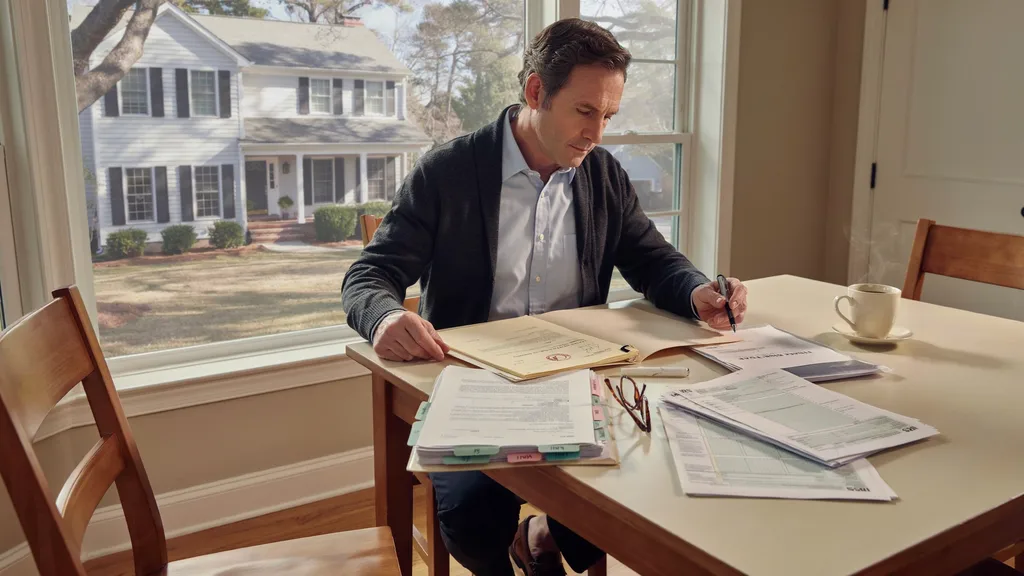
A sibling refusing to sign probate documents does not always mean the process has to stop.
It depends on what document is involved and what role each person plays in the estate, not every family member needs to sign every document.
This guide explains when a signature is actually required, what the court can do if a sibling won't cooperate, and the steps you can take to protect the estate and keep things moving.
When Is a Sibling's Signature Required in Probate?

Not every step in probate requires consent from all family members, and knowing when a signature is truly needed can save significant time.
When a valid will exists, the named executor has full legal authority to manage the estate, and beneficiaries generally do not need to approve every decision.
Without a will, the estate is considered intestate, and all heirs may need to agree on key decisions, especially involving jointly owned property.
Many people confuse executor and beneficiary roles. A beneficiary refusing to cooperate does not remove the executor's legal authority.
Actions like filing the will, paying debts, and handling estate taxes typically require only the executor's signature, not every sibling's approval.
What Happens If a Sibling Will Not Sign Probate?
A sibling can cause delays but cannot permanently stop probate without valid legal grounds. Courts are familiar with this situation and have clear authority to address it: the probate court can order a sibling to appear, compel signatures, appoint a neutral administrator, or approve estate actions without their consent. A sibling who refuses without a legitimate reason may face real consequences, including being held responsible for costs caused by the delay.
Refusing to sign a document is not the same as contesting the will. A will contest, a formal legal challenge that requires specific grounds such as fraud, forgery, undue influence, or lack of mental capacity, is a much higher legal bar than simply being unhappy with the outcome.
If the court finds an objection has no legal merit, probate moves forward without the sibling's approval, and the sibling may be ordered to pay the legal costs caused by the delay.
In most cases, the executor can move forward because their legal duty to settle the estate remains intact regardless of a beneficiary's refusal.
What to Do If a Sibling Refuses to Sign Probate
Taking the right steps in the right order can save you time, money, and stress.
Step 1: Understand Why They Are Refusing
Start by having a calm, honest conversation. Find out what your sibling actually objects to.
Sometimes the refusal comes from a misunderstanding, not a genuine legal concern. Knowing their reason helps you decide the best path forward.
Step 2: Try to Resolve the Dispute Outside Court
Before going to court, try mediation. A neutral mediator can help both sides talk through their concerns. This is faster and cheaper than litigation.
Many probate disputes are resolved this way without ever going before a judge.
Step 3: Gather Evidence and Required Probate Documents
Make sure you have all the documents the court will need. This includes the will, death certificate, estate inventory, and any correspondence with the refusing sibling.
Having everything organized puts you in a stronger position.
Step 4: Ask the Probate Court for Help
If informal steps do not work, file a petition with the probate court. Explain the situation and ask the court to authorize you to proceed without the sibling's signature.
Courts handle these requests often and usually respond in a reasonable timeframe.
Step 5: Hire a Probate Attorney if Necessary
If the dispute becomes complicated, a probate attorney can make a real difference.
They know the local court rules, can file the right motions, and can protect the estate from further delays. Legal fees are often paid from the estate itself.
Common Reasons Probate Is Delayed by Siblings
Probate delays caused by siblings usually fall into a few clear patterns. Identifying the cause early helps you fix it faster.
Disputes Over Inheritance: The most common cause is feeling the inheritance is unfair. One sibling may feel they deserve more, especially after being a primary caregiver. These feelings are valid, but they do not give a beneficiary the legal right to block the process.
Allegations That the Will Is Invalid: A sibling may claim the will was signed under pressure, that the deceased lacked mental capacity, or that the document is forged. If real evidence exists, the court will investigate. Without it, probate will usually move forward.
Concerns About the Executor: Some siblings distrust the person named as executor, fearing mismanagement or favoritism. If concerns are valid, a beneficiary can petition the court to remove or supervise the executor. Simply not trusting someone is not enough to stop probate.
Family Communication Breakdowns: Grief affects everyone differently. A sibling may pull away and stop responding entirely. This is not always intentional defiance, but it still causes delays. Reaching out through an attorney or mediator can help reopen communication.
Missing or Incorrect Probate Documents: Sometimes the delay has nothing to do with emotions. A missing form or incorrect paperwork can hold everything up. Make sure all required documents are complete and filed correctly before assuming the sibling is the problem.
Executor vs Beneficiary: Rights, Powers, and Responsibilities
Understanding the difference between executor powers and beneficiary rights helps avoid confusion and unnecessary conflict during probate.
| Aspect | Executor | Beneficiary |
| Legal Authority | Granted by the court to manage and settle the estate | No authority to manage or control estate decisions |
| Key Responsibilities | Gather assets, pay debts, file taxes, distribute inheritance | Receive their share after all debts and taxes are settled |
| Permission Required | Does not need beneficiary approval for most decisions | Cannot override the executor's lawful decisions |
| Property Sale | Can sell property if the will allows or court authorizes, without sibling approval | No right to block a court-authorized property sale |
| Early Distribution | Cannot distribute assets before all debts, taxes, and legal fees are paid | Cannot demand their share before probate is legally closed |
| Right to Information | Must provide notice and accounting to all beneficiaries | Has the right to receive probate notices and estate accounting |
| Control Over Estate | Full legal control within the scope of the will and court orders | No control over how the estate is managed during probate |
Probate Scenarios: What Happens in Different Situations?

Real probate situations are not always straightforward. Here is what to expect in some common cases.
One Sibling Refuses but Others Agree
If only one sibling refuses, the others and the executor can often proceed. The court may allow the process to continue and deal with the refusing sibling's share separately if needed.
A Sibling Cannot Be Found
If a sibling cannot be located, the court may require a formal search before proceeding.
After reasonable efforts, the court can authorize distribution without them or hold their share in trust until they are found.
A Sibling Lives in Another State or Country
Distance does not remove legal obligations. Documents can often be signed and notarized remotely.
If the sibling refuses to cooperate even from abroad, the court can still proceed with proper legal steps.
Multiple Siblings Refuse to Sign
If most or all siblings are refusing, this may signal a bigger problem with the estate or the executor.
The court may investigate the executor's conduct or appoint a neutral third party to manage the estate.
A Minor or Incapacitated Beneficiary Is Involved
A minor cannot legally sign probate documents. A guardian or court-appointed representative must act on their behalf. The same applies to siblings who are legally incapacitated.
How to Avoid Probate Disputes Between Siblings
Keeping clear, organized records of all estate assets, debts, and documents reduces misunderstandings and leaves less room for accusations.
Informing beneficiaries about the process from the beginning builds transparency and cooperation.
When disagreements arise, mediation is a low-cost option that can resolve conflicts before they reach court.
Staying on top of court filings, tax deadlines, and required notices prevents legal problems that could affect everyone involved.
Working with an experienced probate attorney helps identify issues early, ensures local rules are followed, and keeps disputes from escalating into costly legal battles.
Common Probate Mistakes Executors Should Avoid
Even well-meaning executors make errors that cause delays and conflict.
- Assuming every beneficiary must sign every document, when often they do not
- Delaying court filings and missing legal deadlines that affect the entire estate
- Hiding estate information from beneficiaries, which can trigger legal challenges
- Distributing assets too early before all debts and taxes have been settled
- Ignoring legal advice and trying to handle complex situations without professional help
Conclusion
Dealing with a sibling who will not sign probate is stressful, but it does not have to bring everything to a stop.
You now know that executors have real authority, courts can step in, and most disputes can be resolved with the right approach.
Start by understanding the reason for the refusal, try to work it out informally, and get the court involved if needed.
If things feel too complicated to handle alone, a probate attorney can help you move forward.
Found this guide helpful? Share it with someone going through the same situation or leave a comment below.